In 2026, air duct cleaning in Washington, D.C., is a specialized HVAC maintenance service designed to remove accumulated dust, biological contaminants, and debris from a building's forced-air system. This process involves the comprehensive cleaning of supply and return air ducts, registers, grilles, and the internal components of the air handler to improve indoor air quality and mechanical efficiency.
The unique climate and historical architecture of the District of Columbia present specific challenges for indoor air quality. From the humid summers of the Mid-Atlantic to the aging infrastructure of historic row houses in neighborhoods like Capitol Hill and Georgetown, maintaining a clean ventilation system is often a necessity rather than a luxury. This guide explains the technical procedures, local cost expectations, and regulatory standards for air duct cleaning in the DC metropolitan area as of 2026.
The Necessity of Air Duct Cleaning in the DC Climate
The decision to clean air ducts in Washington, D.C., is frequently driven by the region's environmental factors. DC is characterized by high humidity levels and significant seasonal pollen counts, both of which can impact the interior of an HVAC system.
Humidity and Microbial Growth
In the District, the summer months often see relative humidity levels consistently above 60%. When warm, moist air interacts with the cool surfaces of air conditioning ducts, condensation can occur. Over time, this moisture can facilitate the growth of mold and mildew within the ductwork. If visible mold is present on the hard surfaces of ducts or other components of the HVAC system, a professional cleaning and remediation process is required to prevent the distribution of spores throughout the living space.
Urban Pollutants and Allergens
As a densely populated urban center, DC residents contend with high levels of particulate matter from traffic, construction, and seasonal allergens. The Mid-Atlantic "pollen dump" often finds its way into indoor spaces, where it is pulled into the return vents. For residents with asthma or severe allergies, the accumulation of these particulates in the ductwork can lead to a continuous cycle of irritation as the HVAC system recirculates air.
Historic Housing Considerations
A significant portion of DC's housing stock consists of older buildings. These structures often feature original ductwork or retrofitted systems that may have accumulated decades of debris. In historic renovations, construction dust containing lead paint particles or plaster can settle in the vents, necessitating a deep "source removal" cleaning to ensure the safety of the occupants.
The Technical Process: How Professional Cleaning Works
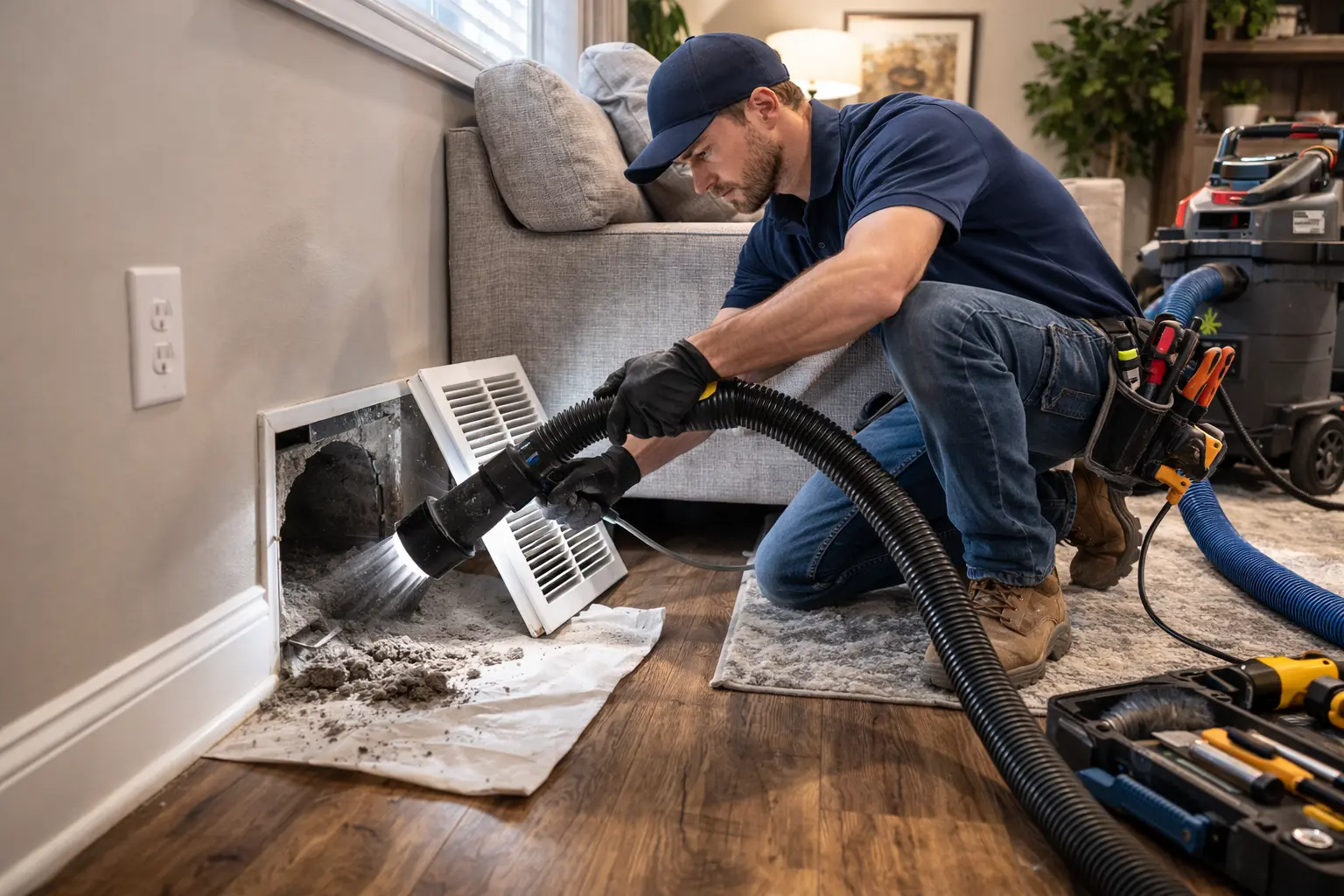
In 2026, the industry standard for air duct cleaning remains "Source Removal." This is the most effective method recognized by the National Air Duct Cleaners Association (NADCA), the primary regulatory body for the industry. The process is divided into two main components: agitation and vacuuming.
1. System Inspection
Before any cleaning begins, a technician must perform a visual inspection. In 2026, many DC contractors use remote-controlled camera bots to navigate the ductwork. This allows the homeowner to see the specific areas of accumulation and verify the presence of any blockages, rodent activity, or microbial growth.
2. Establishing Negative Pressure
The core of the cleaning process involves a high-powered vacuum system—often a truck-mounted unit or a high-efficiency particulate air (HEPA) filtered portable vacuum. The technician connects this vacuum to the main trunk line of the HVAC system. Once turned on, it creates a "negative pressure" environment. This ensures that any dust or debris loosened during the cleaning process is pulled directly into the vacuum and not released into the home’s rooms.
3. Agitation and Debris Removal
While the system is under negative pressure, the technician uses specialized tools to dislodge debris from the duct walls. These tools include:
- Air Whips and Skippers: High-pressure air nozzles that "dance" inside the ducts to blow dust toward the vacuum.
- Rotating Brushes: Mechanical brushes used for stubborn buildup in metal ductwork.
- Compressed Air Tools: Used to clean the fine crevices of the air handler and coils.
4. Cleaning the Air Handler
A comprehensive cleaning is not limited to the ducts. The technician must also clean the furnace or air handler components, including the blower motor, housing, and the evaporator coil. If these components remain dirty, they will quickly re-contaminate the newly cleaned ducts.
Understanding the Costs in Washington, D.C. (2026)
Pricing for air duct cleaning in the District is typically influenced by the square footage of the property, the number of HVAC systems, and the accessibility of the ductwork. Unlike "per-vent" pricing models, which can often be misleading, 2026 market rates in DC generally follow a flat-rate or system-based structure.
| Property Type | Estimated Number of Vents | Average Price Range (2026) |
|---|---|---|
| One-Bedroom Condo/Apartment | 5 – 8 | $350 – $500 |
| Standard Row House (approx. 1,800 sq ft) | 10 – 15 | $550 – $850 |
| Large Single-Family Home (3,000+ sq ft) | 20+ | $900 – $1,400 |
| Historic/Multi-Unit Building | Varies | $1,500+ |
Factors Affecting Price
- Duct Material: Flex ducting (plastic-lined) requires more delicate tools and more time than rigid sheet metal ducts.
- Accessibility: Vents located in high ceilings or tight crawlspaces in older NW DC homes may incur additional labor fees.
- Sanitization Treatments: If mold is confirmed, the application of EPA-registered antimicrobial coatings can add $150 to $300 to the total cost.
- Post-Construction Cleaning: Systems clogged with heavy drywall dust or sawdust require more intensive vacuuming cycles, increasing the price.
Verification and Standards: How to Avoid Scams
The air duct cleaning industry has historically been prone to "blow and go" scams—companies that offer extremely low prices ($99 specials) but perform superficial work or upsell unnecessary services. In 2026, DC residents should use the following criteria to verify a service provider.
NADCA Certification
The most important credential is the Air Systems Cleaning Specialist (ASCS) certification from NADCA. This ensures the company follows the ACR, the NADCA Standard, which dictates the specific requirements for cleaning and restoring HVAC systems. A certified professional will always clean both the supply and return sides of the system.
Licensing and Insurance
In Washington, D.C., contractors must hold a basic business license and, in many cases, a specialty trade license if they are performing mechanical work on the HVAC system. Furthermore, any company applying chemical biocides must have a pesticide applicator license as required by the District Department of Energy & Environment (DOEE).
The "Before and After" Requirement
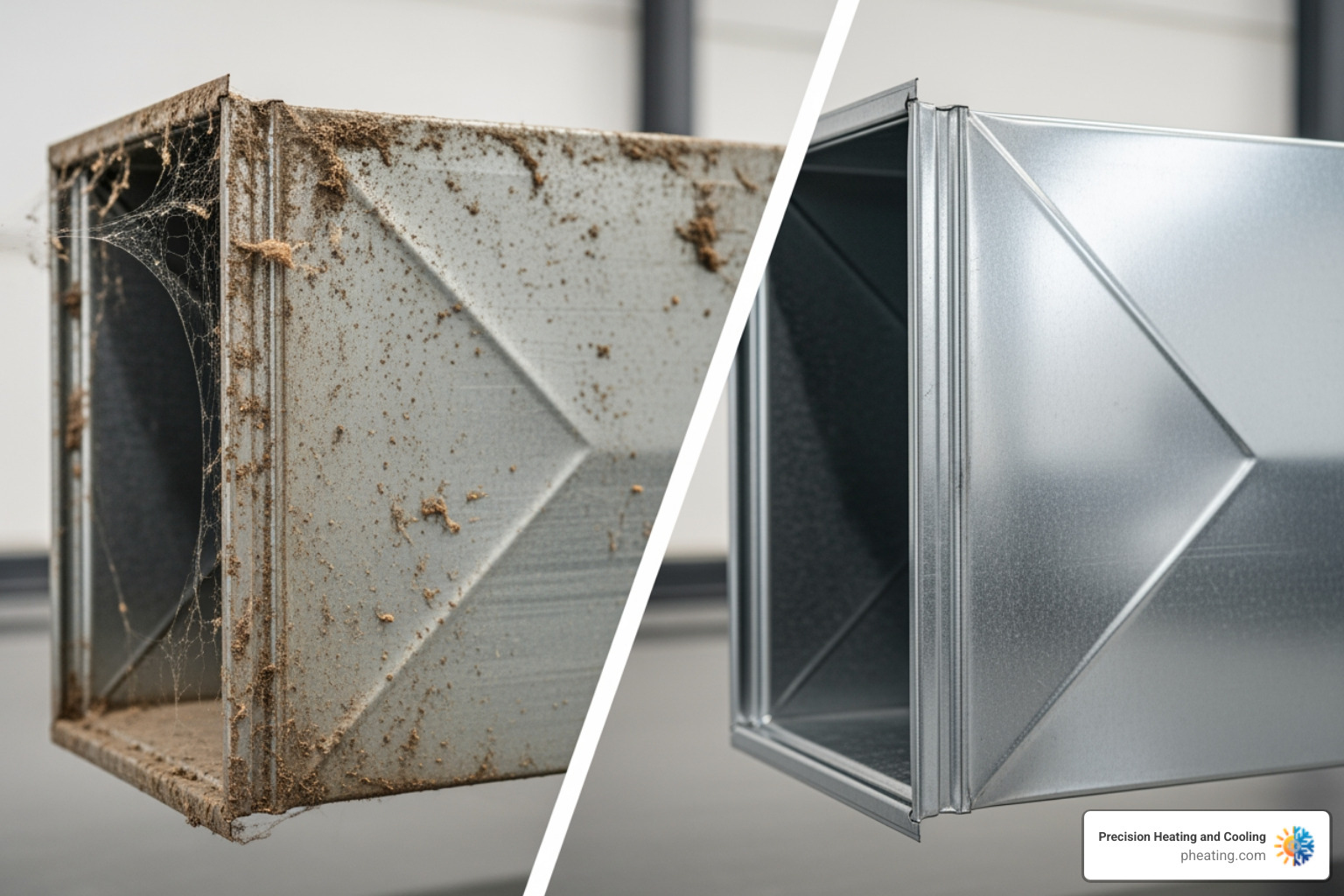
A reputable DC contractor will provide photographic or video evidence of the cleaning results. Because the interior of the ductwork is not visible to the average homeowner, this documentation is the only way to verify that the "source removal" was successful.
When Should You Clean Your Ducts?
The Environmental Protection Agency (EPA) suggests that air duct cleaning is not a routine annual requirement but should be performed under specific circumstances.
- Visible Mold: If you see green, black, or white fuzzy growth on the vents or inside the air handler. Note that a laboratory test is the only way to confirm if a substance is mold.
- Infestation: If there is evidence of rodents or insects living in the ductwork.
- Excessive Clogging: If the ducts are restricted by large amounts of dust and debris, or if dust is visibly "poofing" out of the registers when the system turns on.
- Renovations: If the home has undergone a remodel involving significant dust production without the HVAC vents being sealed.
- New Home Purchase: For those moving into a previously owned home in DC, cleaning the ducts provides a "clean slate" and removes the dander, hair, and dust of previous occupants.
Health and Efficiency Benefits
While air duct cleaning is often marketed primarily for health, the mechanical benefits are equally significant.
Improved Airflow and Efficiency
When the evaporator coils and blower fans are coated in dust, the HVAC system must work harder to move air and reach the desired temperature. This increases energy consumption and places unnecessary strain on the equipment. In the high-utility-cost environment of DC, a clean system can lead to measurable savings on PEPCO or Washington Gas bills.
Reduction of Indoor Odors
Accumulated debris can trap odors from cooking, pets, and tobacco smoke. Because the air in a home recirculates multiple times an hour, these odors can persist even after the home has been cleaned. Removing the source material from the ducts is often the only way to eliminate "musty" smells associated with older DC properties.
Allergy and Asthma Management
While duct cleaning is not a "cure" for allergies, removing the reservoir of pollen and pet dander from the ventilation system reduces the total allergen load in the home. This can be particularly beneficial during the spring and fall seasons when outdoor triggers are at their peak.
Common Mistakes to Avoid
- Cleaning Only the Vents: Removing the registers and vacuuming as far as a household vacuum can reach is not air duct cleaning. It fails to address the main trunk lines where the bulk of the debris sits.
- Neglecting Filter Changes: After a professional cleaning, it is vital to change the HVAC filter. A dirty filter will immediately introduce dust back into the system.
- Assuming All Dust is Bad: A thin layer of dust is normal in any home. Cleaning is only necessary when the accumulation is "excessive" or contaminated.
- Using Steam Cleaning: Moisture is the enemy of ductwork. Legitimate pros use dry agitation and high-volume air, not steam, which can lead to rust and mold growth in the future.
Frequently Asked Questions
Does air duct cleaning cause a mess in my home?
When performed correctly using high-efficiency negative pressure systems, there should be zero mess. The vacuum system is sealed to the ductwork, and any air exhausted back into the home is passed through a medical-grade HEPA filter.
How long does a professional cleaning take?
For a standard three-bedroom row house in DC, a thorough cleaning by a two-person team typically takes between three and five hours. Larger homes or systems with significant contamination may take an entire day.
Can I clean my own air ducts?
Homeowners can clean their own registers and the first few feet of ductwork with a shop vac. However, DIY methods lack the "negative pressure" required to prevent dust from blowing back into the house and the specialized agitation tools needed to reach the deep turns of a ventilation system.
Will cleaning my ducts lower my energy bill?
If your system’s coils and blower motor were heavily soiled, you might see a 5% to 15% improvement in efficiency. However, if the ducts were only lightly dusty, the impact on your energy bill will be negligible.
Are the chemicals used for sanitization safe?
In 2026, most DC contractors use botanical-based disinfectants, such as those derived from thyme oil. Always ask for the Safety Data Sheet (SDS) of any chemical being introduced into your air supply and ensure it is EPA-approved for HVAC use.
Final Recommendation
For residents of Washington, D.C., air duct cleaning should be viewed as a targeted solution for specific indoor air quality issues. If you are experiencing unexplained respiratory irritation, have recently completed a home renovation, or notice visible mold growth, hire a NADCA-certified professional. Avoid "discount" door-to-door solicitations and ensure the contractor provides a full inspection report including the air handler and evaporator coils. In the humid, urban environment of the District, a properly maintained ventilation system is a key component of a healthy home.