AIG guaranteed acceptance whole life insurance, currently managed and issued under the Corebridge Financial brand, is a permanent life insurance policy designed for seniors aged 50 to 80. It eliminates medical exams and health questionnaires, providing a fixed death benefit and level premiums that never increase. This coverage is specifically intended to fund final expenses, such as funeral costs and outstanding medical debts.
Guaranteed acceptance life insurance serves as a vital financial safety net for individuals who may be denied traditional coverage due to chronic illnesses, past medical history, or advanced age. In 2026, as the "silver tsunami" of aging retirees continues to grow, understanding the nuances of these "no-questions-asked" policies is essential for responsible estate planning. AIG, which transitioned its life and retirement business to Corebridge Financial, remains a dominant player in this niche, offering a product that balances accessibility with the stability of a major institutional carrier.
The Evolution of AIG to Corebridge Financial
Before diving into the technical specifications of the policy, it is important to clarify the corporate identity of the provider. While many consumers still search for "AIG life insurance," the company underwent a significant rebranding and separation process. In 2022, AIG launched the IPO for Corebridge Financial, and by 2026, the transition is complete.
When you apply for an AIG guaranteed acceptance policy today, the underlying carrier is typically American General Life Insurance Company (AGL) or The United States Life Insurance Company in the City of New York (US Life), both of which are subsidiaries of Corebridge Financial. For the purpose of this guide, we will refer to the product as AIG/Corebridge to maintain clarity for those familiar with the historical branding.
Core Features of Guaranteed Acceptance Whole Life
A guaranteed acceptance policy is a specific subset of "guaranteed issue" life insurance. Unlike "simplified issue" policies, which may still ask a few health questions (such as "Are you currently in a nursing home?"), guaranteed acceptance truly means that your health status does not impact your eligibility for coverage.
1. No Medical Underwriting
The primary draw of this policy is the total absence of medical underwriting. There are no blood tests, no physical exams, and no access requested to your Medical Information Bureau (MIB) files or prescription drug history. If you meet the age and residency requirements, you are approved. This makes it a "last resort" or "safety net" policy for those with conditions like congestive heart failure, recent cancer treatments, or terminal diagnoses.
2. Fixed Premiums for Life
One of the hallmarks of a whole life policy is the "level premium" feature. Once you are issued a policy in 2026, your monthly or annual payment is locked in for the duration of your life. Even as you age into your 90s or if your health deteriorates further, the insurance company cannot raise your rates. This predictability is crucial for seniors living on fixed incomes, such as Social Security or modest pensions.
3. Death Benefit Limits
Because the insurer takes on a high level of risk by not checking medical backgrounds, the coverage amounts (face values) are relatively modest. AIG/Corebridge typically offers death benefits ranging from $5,000 to $25,000. These amounts are specifically calibrated to cover:
- Cremation or burial services.
- Caskets and headstones.
- Small remaining debts (credit cards or personal loans).
- Final utility bills or legal fees associated with an estate.
4. Cash Value Accumulation
As a whole life product, a portion of every premium payment is directed into a cash value account. This account grows over time at a fixed interest rate set by the insurer. While it takes several years for the cash value to become significant, policyholders can eventually borrow against this value or surrender the policy for its cash equivalent if the coverage is no longer needed.
The Graded Death Benefit: A Crucial Caveat
The most important technical aspect of AIG guaranteed acceptance life insurance is the graded death benefit period. To protect themselves from "anti-selection"—where an individual buys a policy knowing they are likely to pass away very soon—insurers implement a waiting period, typically the first two years of the policy.
How the Two-Year Waiting Period Works:
- Death by Natural Causes (Years 1-2): If the insured dies within the first 24 months of the policy due to illness (e.g., heart attack, cancer, stroke), the beneficiary does not receive the full face value. Instead, they receive a refund of all premiums paid to date, plus a specific interest amount—usually 10%.
- Death by Natural Causes (Year 3+): Once the policy has been active for 25 months, the full death benefit (e.g., $20,000) is paid out to the beneficiaries regardless of the cause of death.
- Accidental Death (Immediate): If the insured dies due to a qualified accident (e.g., a car crash or a fall) at any time, even in the first month, the full death benefit is paid immediately.
This graded structure is standard across the industry for guaranteed issue products. It ensures the company can remain solvent while still offering coverage to high-risk individuals.
Eligibility and Enrollment Requirements
While health is not a factor, there are still strict administrative prerequisites to obtain an AIG/Corebridge guaranteed acceptance policy in 2026.
- Age Range: You must be between the ages of 50 and 80. In some states, the upper limit may be slightly different, but this is the standard national bracket.
- Residency: The applicant must be a legal resident of a state where the product is licensed. Corebridge is licensed in nearly every state, though specific policy riders may vary in New York or Maine.
- Social Security Number: A valid SSN is required for tax reporting and identification purposes.
- Payment Ability: Most applications require an immediate selection of a payment method, such as Electronic Funds Transfer (EFT) from a checking account or a recurring credit card payment.
Comparing AIG/Corebridge with Other Insurance Types
To understand if this policy is the right choice, it helps to compare it against other options seniors might encounter in the 2026 market.
| Feature | AIG Guaranteed Acceptance | Simplified Issue Whole Life | Term Life Insurance |
|---|---|---|---|
| Medical Exam | None | None (but questions asked) | Required for most |
| Approval Odds | 100% (within age range) | High (if relatively healthy) | Moderate to Low for seniors |
| Waiting Period | 2-year graded benefit | Immediate full coverage | Immediate full coverage |
| Max Coverage | $25,000 | $50,000+ | $100,000+ |
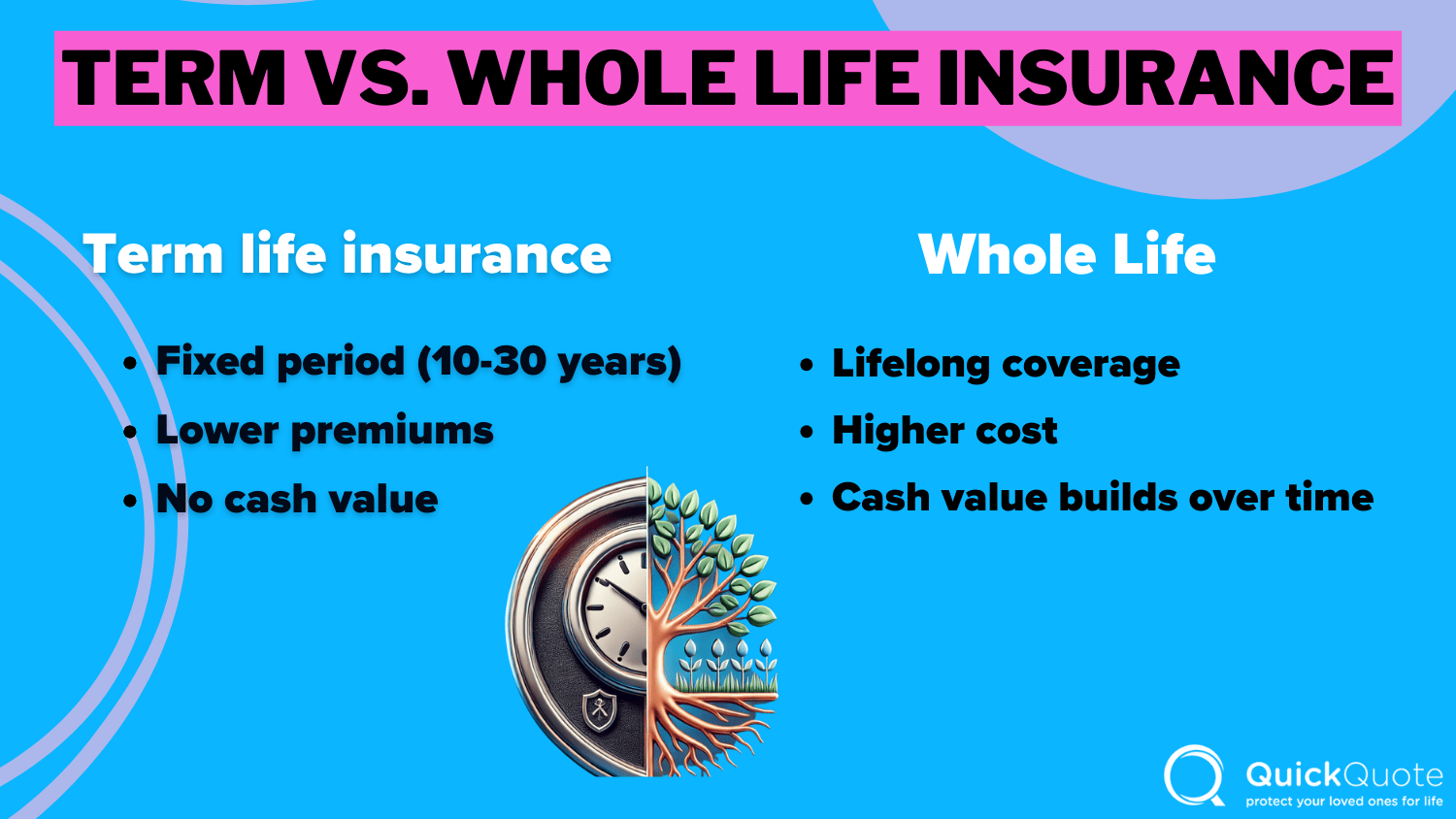
| Cost | Highest per $1k coverage | Moderate | Lowest (but expires) |
| Duration | Lifetime | Lifetime | 10, 15, or 20 years |
The Cost of Convenience: Pricing Considerations
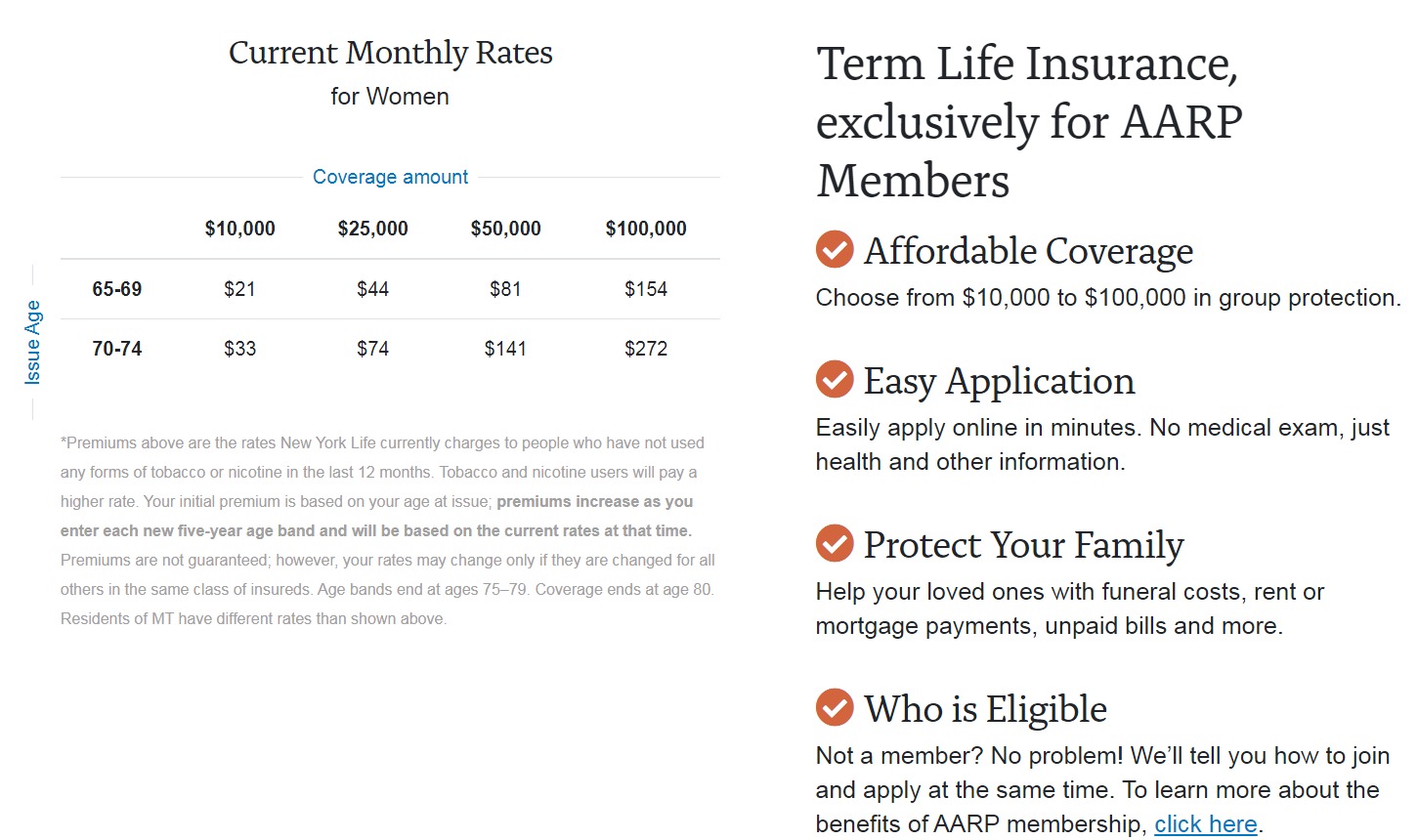
Guaranteed acceptance insurance is objectively the most expensive form of life insurance on a per-dollar basis. Because the insurance company cannot screen out people who are already ill, they must charge higher premiums to cover the expected claims.
In 2026, a 65-year-old male seeking $10,000 in coverage might pay significantly more than a 65-year-old who qualifies for a "simplified issue" policy by answering "no" to a few basic health questions.
Expert Tip: Always attempt to qualify for a simplified issue policy first. If you can honestly answer "no" to questions about being in a nursing home or having a terminal illness, you may be able to secure a "first-day coverage" policy that is cheaper and lacks the two-year waiting period.
Benefits of Choosing a Large Carrier
In an era of economic fluctuation, the financial strength of the insurer matters. Corebridge Financial (AIG) maintains high ratings from agencies like A.M. Best and Standard & Poor’s.
- Claims Processing Efficiency: Larger carriers have robust digital infrastructure. Beneficiaries can often start a claim online, and payouts for these smaller final expense policies are typically processed within 5 to 10 business days once the death certificate is received.
- Riders and Living Benefits: AIG/Corebridge often includes "living benefits" at no extra cost, even on guaranteed issue policies. For example, the Terminal Illness Rider may allow the policyholder to access a portion of the death benefit if they are diagnosed by a physician as having less than 12 or 24 months to live (rules vary by state).
- Chronic Illness Payouts: Some variations of the policy allow for the acceleration of the death benefit if the insured can no longer perform two out of the six "Activities of Daily Living" (ADLs), such as bathing or dressing.
Common Mistakes to Avoid
When purchasing AIG guaranteed acceptance whole life insurance, applicants often fall into predictable traps that can complicate their estate planning.
Waiting Too Long to Apply
While you can apply up to age 80, the premiums increase every year you wait. A policy started at age 60 will be significantly cheaper than one started at age 75. Additionally, the two-year waiting period is a major factor; you want that period to end while you are still relatively healthy.
Misunderstanding the Graded Period
Some policyholders assume their beneficiaries will get nothing if they die in the first two years. This is false. As mentioned, the 110% refund of premiums (premiums + 10% interest) ensures that the family at least gets back the money invested plus a small gain. Ensure your beneficiaries are aware of this so they don't feel "cheated" if a natural death occurs early on.
Over-Insuring
These policies are for final expenses. If you are trying to leave a massive inheritance or pay off a large mortgage, $25,000 will not be enough. Using this policy for anything other than funeral costs and small debts usually leads to disappointment.
How to Apply for Coverage
The application process for AIG/Corebridge is intentionally streamlined to minimize friction.
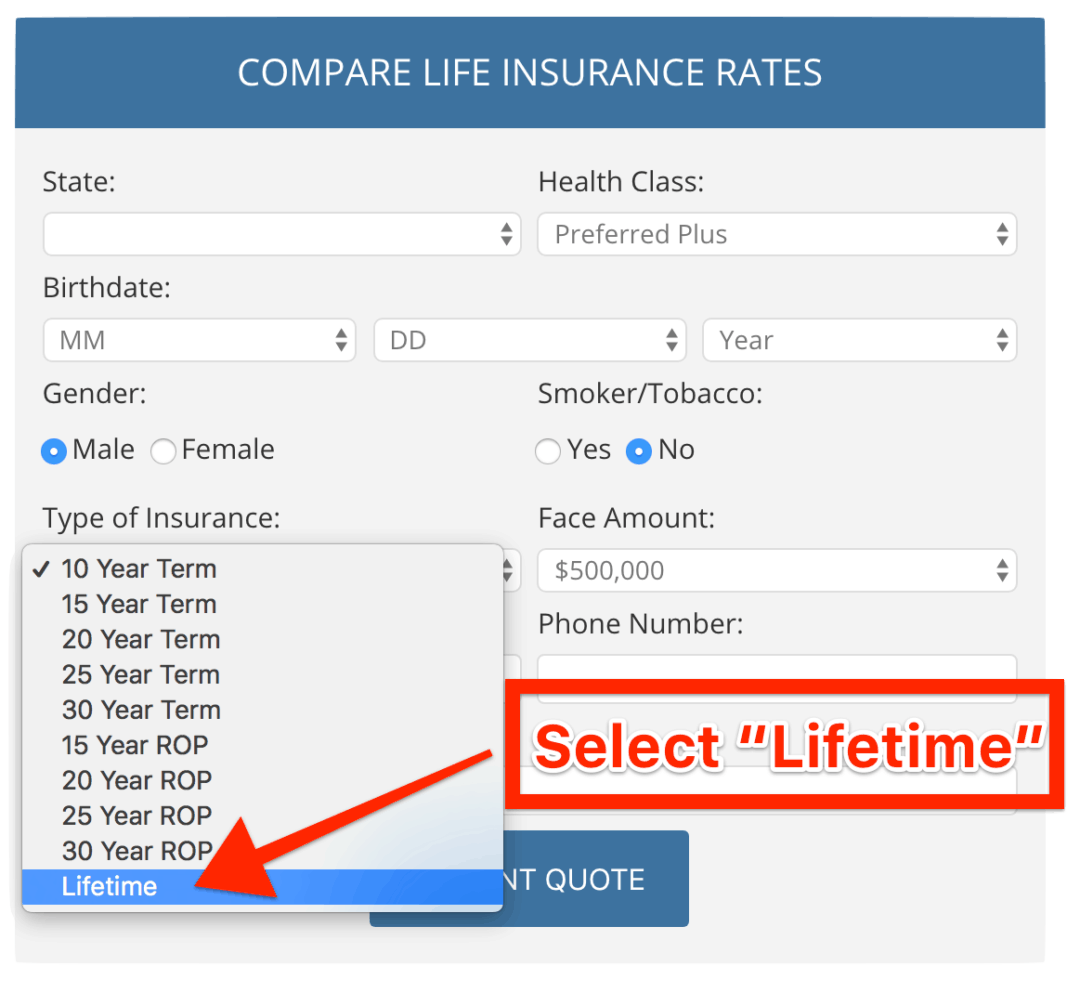
- Request a Quote: You can obtain a quote online or through a licensed independent agent. You will provide your date of birth, gender, state of residence, and the amount of coverage desired ($5k-$25k).
- Submit Basic Info: You will provide your name, address, and beneficiary information. You must designate at least one primary beneficiary, though a contingent beneficiary is recommended.
- Acknowledge the Waiting Period: You will be required to sign a disclosure stating you understand the graded death benefit (the two-year rule).
- First Premium Payment: Once submitted, the first premium is typically drafted immediately or on a date of your choosing. The policy becomes "active" as soon as the first payment is processed.
Frequently Asked Questions
Can I cancel the policy if I change my mind?
Yes. Most states mandate a "free look" period, usually lasting 10 to 30 days from the time you receive the policy documents. During this time, you can cancel the policy for a full refund of any premiums paid. After the free look period, you can stop paying at any time, but you may only receive the accumulated cash value, which will be minimal in the early years.
Will my premiums go up when I turn 80?
No. Once your policy is issued, your premiums are locked in for life. Even though the issue age limit is 80, if you bought the policy at 75, your rates will remain the same at 85, 95, and beyond.
What if I move to a different state?
Your coverage is portable. Because AIG/Corebridge is a national provider, moving to a different state does not affect your coverage or your premiums. You simply need to update your address with the customer service department to ensure you receive annual statements.
Is the death benefit taxable for my beneficiaries?
Generally, no. Under Internal Revenue Code Section 101(a), life insurance death benefits are typically paid to beneficiaries free of federal income tax. However, if the death benefit is paid to your "estate" rather than a named individual, it may be subject to estate taxes if the total estate exceeds federal or state thresholds.
Can I have more than one AIG guaranteed acceptance policy?
Total coverage across all AIG/Corebridge guaranteed issue policies is usually capped at $25,000 per person. If you already have a $15,000 policy, you can typically only apply for an additional $10,000.
Final Recommendation
AIG (Corebridge) guaranteed acceptance whole life insurance is an excellent choice for seniors who have been declined elsewhere or who have significant health challenges that make traditional underwriting impossible. It offers the peace of mind that funeral costs will be covered without a "financial burden" falling on children or spouses.
However, because of the two-year graded benefit and the higher cost, it should be viewed as a specialized tool. If you are in relatively good health for your age, it is worth consulting with an independent agent to see if you qualify for a simplified issue policy first. If not, the AIG/Corebridge product provides a stable, guaranteed, and permanent solution for final expense planning in 2026.