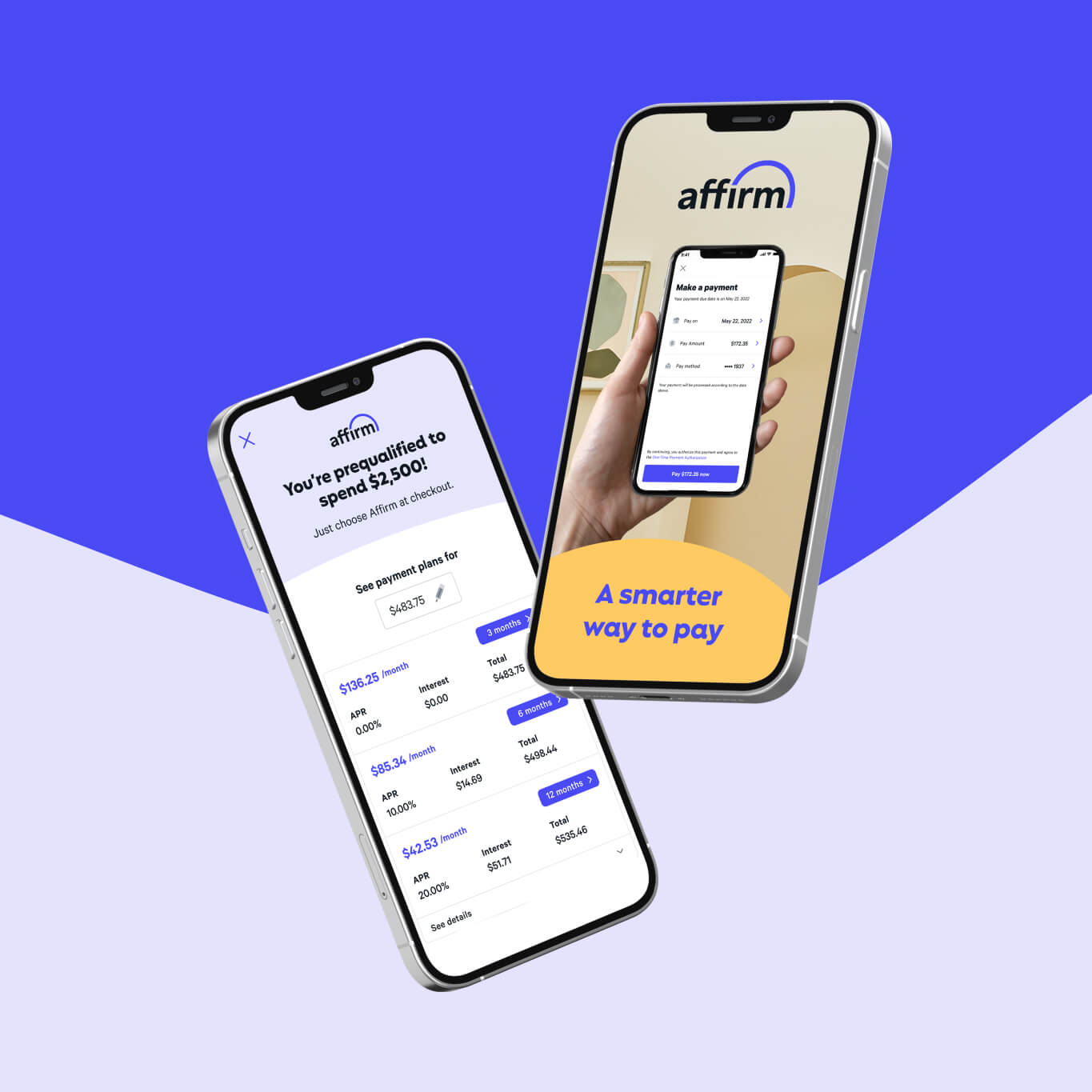
The Affirm Card is a Visa debit card that allows eligible college students to split qualifying purchases into Buy Now, Pay Later (BNPL) installment plans or pay in full immediately. Operating on the Visa network, it requires users to be at least 18 years old, possess a U.S. checking account, and pass a eligibility check. Students can request installment plans before or after making purchases, choosing between interest-free four-part payments or longer monthly financing options.
Disclaimer: This article provides educational information about financial products and services. It does not constitute formal financial, credit counseling, or legal advice. Terms, interest rates, and eligibility criteria for financial products change over time; always review official account disclosures from card issuers before applying.
Understanding the Affirm Visa Card Ecosystem
Buy Now, Pay Later (BNPL) services have transformed consumer payments, particularly among younger demographics and college students looking for alternatives to traditional credit cards. Affirm, one of the primary providers in the point-of-sale financing sector, offers both a digital financing portal and a physical payment product known as the Affirm Card.
The Affirm Card operates as a flexible Visa debit card issued by partner financial institutions (such as Evolve Bank & Trust, Member FDIC). Unlike a standard credit card that offers an open line of credit with a recurring monthly billing cycle, the Affirm Card integrates directly with the Affirm mobile application and a user's linked personal bank account.
For college students navigating textbook purchases, laptop acquisitions, dorm furnishings, or routine living expenses, the card provides three primary transactional modes:
- Pay Now: Functions like a standard debit card, drawing funds directly from a linked checking account without interest or financing fees.
- Pay in 4: Splits eligible purchases (typically between $50 and $250) into four equal interest-free payments scheduled over six weeks.
- Monthly Financing: Allows larger purchases to be repaid over longer terms (such as 3, 6, or 12 months) with fixed annual percentage rates (APRs) ranging from 0% to 36%, depending on underwriting evaluation.
Because the physical or virtual card bears the Visa logo, it can be accepted at millions of online and brick-and-mortar merchants worldwide where Visa debit cards are processed. However, the mechanism behind how every transaction is approved and financed differs significantly from conventional banking products.
Eligibility Requirements for College Students
For college students interested in using the Affirm Card, establishing eligibility is the first step. While BNPL services are often considered more accessible than traditional credit cards, Affirm maintains specific criteria to comply with federal lending regulations and risk management policies.
Affirm Eligibility Checklist for Students:
- Age Requirement: Must be 18+ (19+ in Alabama or Nebraska)
- Residency: Permanent U.S. resident with a valid U.S. physical address
- Identification: Valid Social Security Number (SSN)
- Banking: Active U.S. checking account capable of electronic transfers (ACH)
- Phone/Email: SMS-capable U.S. mobile phone number & active email address
Key Application Criteria
- Age and Identity Verification: Applicants must be at least 18 years of age (19 in Alabama or Nebraska). Students must supply their full legal name, date of birth, home address, and the last four digits of their Social Security Number (SSN) for identity verification under Federal Know Your Customer (KYC) compliance laws.
- U.S. Banking Relationship: Affirm requires users to link a verified U.S. checking account. Pre-paid debit cards or standard savings accounts are generally insufficient for establishing a initial account link.
- Mobile Phone Line: A valid, SMS-capable U.S. phone number is required. Affirm relies heavily on two-factor authentication and real-time transaction notifications sent via text message.
Credit Check Requirements: Soft vs. Hard Pulls
A major consideration for students who may have limited or no credit history ("thin credit files") is how Affirm evaluates creditworthiness.
- Initial Eligibility: Signing up for Affirm and checking purchasing power requires only a soft credit check. A soft pull does not affect credit scores, allowing students to check potential pre-approval amounts without risking a score drop.
- Loan Approval: When requesting an installment plan, Affirm evaluates the applicant's credit profile, payment history with Affirm, account age, and income information.
- Credit Reporting: Historically, short-term Pay-in-4 plans were not reported to major credit bureaus. However, longer-term monthly installment loans or defaulted accounts may be reported to credit reporting agencies like Experian. The Consumer Financial Protection Bureau (CFPB) monitors BNPL providers to ensure transparent reporting and consumer protection compliance across the industry.
How the Affirm Card Works: Step-by-Step Mechanisms
The mechanics of using an Affirm Visa Card require active management through the Affirm app. Students cannot simply swipe the card endlessly like a standard credit card without pre-planning or post-transaction allocation.
- Initiate Purchase Process
- Pre-Purchase Request (Request plan in app BEFORE checkout)
- Post-Purchase Split (Swipe card as debit, request plan within 24 hrs)
- Select Term: Pay-in-4 (0% APR) or Monthly (0-36% APR)
- Auto-Debits Scheduled via Linked Checking Account
Pre-Purchase Plan Allocation
The primary method for financing a major purchase is requesting a plan before checking out at a store or online merchant:
- Open the Affirm App: Prior to completing a purchase, the student logs into the app and inputs the estimated purchase amount and merchant name.
- Review Financing Options: Affirm generates tailored repayment choices based on the amount. For example, a $200 textbook order might show an option for 4 payments of $50 every two weeks (0% APR), or 3 monthly payments of $67.50 (with interest).
- Request Approval: Once the student selects a plan, Affirm runs an instant underwriting check.
- Card Authorization: Upon approval, the Affirm Card is authorized for that specific amount for a window of time (usually 24 hours). When the merchant swipes or processes the Visa card, funds are routed according to the chosen financing agreement.
Post-Purchase Plan Allocation (Pay Later Feature)
If a student uses the physical Affirm Visa Card to buy an item without creating a plan beforehand, the card defaults to functioning like a standard debit card, pulling the full purchase price directly from the linked checking account.
However, for eligible transactions, Affirm allows cardholders to convert a transaction into an installment plan within 24 hours after the purchase posts:
- The transaction is processed using checking account funds or an linked temporary credit balance.
- The user opens the app, selects the transaction from their history, and taps "Pay Over Time."
- If approved, Affirm refunds the full purchase amount back to the linked checking account and initiates the agreed installment repayment schedule.
Affirm vs. Traditional Student Credit Cards
Understanding the differences between a BNPL Visa card and a traditional student credit card (such as those issued by major banks like Discover, Capital One, or Chase) is essential for sound financial planning.
| Feature / Metric | Affirm Visa Card | Traditional Student Credit Card |
|---|---|---|
| Card Network | Visa | Visa, Mastercard, or Discover |
| Credit Check Type | Soft pull for pre-approval; limited credit checks | Hard credit inquiry upon application |
| Revolving Line of Credit | No (Per-transaction loan underwriting) | Yes (Fixed total credit limit) |
| Interest Model | Simple interest on monthly plans (0%–36%); 0% on Pay-in-4 | Compound interest on revolving balances (typically 18%–30% APR) |
| Late Fees | $0 (No late fees, but late payments affect future use) | Yes (Up to $41 per late payment) |
| Credit Building Potential | Low to Moderate (Pay-in-4 often not reported; monthly plans may be) | High (Regular reporting to Experian, TransUnion, Equifax) |
| Overdraft/Debit Link | Directly linked to personal checking account | Independent revolving credit line |
| Rewards & Perks | Limited promotions depending on app offers | Cash back, points, or cash rewards for grades |
Financial Impact: Costs, Interest, and Credit Risks for Students
While BNPL products present flexible spending opportunities, students must evaluate the hidden costs and long-term financial consequences of using point-of-sale financing.
Financial Considerations for Students:
- APR Structure:
- Pay-in-4: 0%
- Monthly: 0-36% Simple Interest
- Credit Impact:
- Soft check to try
- Defaults reported
- Limited credit build
- Debt Stacking:
- Multiple micro-loans can lead to budget shortfalls
Interest Rate Calculations (Simple vs. Compound Interest)
Unlike traditional credit cards that use compounding interest calculated daily on revolving balances, Affirm utilizes simple interest.
- Simple Interest Example: If a student borrows $600 for 6 months at a simple interest rate of 15% APR, the total dollar amount of interest is fixed at the start of the contract. The payments remain constant, and paying off the loan early reduces total interest costs without early repayment penalties.
- 0% APR Options: Pay-in-4 plans charge zero interest and zero fees, provided the student completes the four payments on schedule. Some merchants also subsidize 0% APR monthly financing for promotional periods.
Impact on Student Credit Scores
For young adults looking to establish a credit profile, relying solely on an Affirm Card has trade-offs:
- Building Credit: Traditional credit cards report monthly payment activity across all three major credit bureaus (Equifax, Experian, TransUnion), helping build a long-term payment history. Affirm's Pay-in-4 products generally do not report positive on-time payments to credit bureaus, meaning they may not build credit history as effectively as standard student credit cards.
- Credit Damage: If a student fails to make payments on an Affirm loan, the account can be referred to collections after extended delinquency. Delinquencies and collection records will be reported to credit bureaus, severely damaging a student's credit score.
The Risk of "Debt Stacking"
A common financial trap for college students using BNPL services is debt stacking—taking on multiple small installment plans simultaneously.
For instance, four separate $25 bi-weekly payments across different merchants equal $100 every two weeks. When combined with recurring student expenses like tuition, rent, groceries, and transportation, accumulating multiple small BNPL payments can quickly cause checking account overdrafts or missed payments.
Practical Rules for Using BNPL on a Student Budget
To leverage the flexibility of an Affirm Visa card while protecting personal financial stability, students should implement strict usage guardrails.
Rule 1: Limit BNPL to Essential, One-Off Expenses
Reserve installment financing for necessary purchases that are hard to pay upfront in a single budget cycle, such as essential course equipment, required technology repairs, or necessary travel home. Avoid using BNPL for disposable lifestyle costs like dining out, entertainment, or fast fashion.
Rule 2: Verify Checking Account Balances for Auto-Debit
Affirm automatically deducts payments from the linked debit card or bank account on scheduled due dates. Students should maintain a buffer in their checking account to prevent bank overdraft fees caused by automated transfers.
Rule 3: Do Not Rely on BNPL as a Substitute for an Emergency Fund
Buy Now, Pay Later is an obligation to repay borrowed funds, not cash reserve. Relying on BNPL during financial emergencies can strain future income. Maintaining a modest emergency savings account (even $500) provides safer protection against unexpected costs.
Rule 4: Read All Terms Before Confirming a Monthly Plan
Before agreeing to any multi-month installment plan, calculate the total cost of the loan (Principal + Total Interest). Compare the total cost against buying the item outright or waiting until cash reserves allow a full purchase.
Frequently Asked Questions
Can high school students under 18 get an Affirm Visa Card?
No. Affirm requires all primary account holders to be at least 18 years old (19 in Alabama and Nebraska) and possess a valid Social Security Number. Minors are legally unable to enter into binding credit contracts in most jurisdictions.
Does the Affirm Card charge late fees if a student misses a payment?
Affirm does not charge late fees or penalty fees. However, missing payments can restrict a user's ability to create new financing plans in the future, and prolonged non-payment may lead to credit bureau reporting and debt collection actions.
Is the Affirm Card a real Visa card accepted everywhere?
Yes. The physical and virtual Affirm Card operates on the Visa network and is accepted wherever Visa debit cards are processed. However, split financing plans must be requested and approved within the Affirm app before or immediately after making a purchase.
Will applying for the Affirm Card lower a student's credit score?
Checking initial eligibility or requesting purchasing power relies on a soft credit inquiry, which does not impact credit scores. Selecting certain long-term financing options may involve credit reporting, but standard initial sign-up does not hurt credit history.
Can international students studying in the U.S. apply for Affirm?
Generally, no. Affirm requires a valid U.S. Social Security Number, a permanent U.S. residential address, and an account with a U.S.-based financial institution. International students with an ITIN (Individual Taxpayer Identification Number) instead of an SSN are currently ineligible for Affirm services.
Next Steps for Students
If you are a student considering an Affirm Visa Card, start by assessing your current budget and financial goals:
- Review Your Monthly Cash Flow: Audit your current checking account balance and predictable income (from jobs, stipends, or allowances) to confirm you can commit to bi-weekly or monthly installment payments.
- Download the Affirm App for Initial Pre-Approval: Download the official app and complete the profile setup to perform a soft credit check. Review your estimated purchasing power without triggering a hard credit inquiry.
- Compare Financial Options: If your primary goal is building long-term credit for post-graduation needs (such as renting an apartment or buying a car), evaluate a zero-annual-fee student credit card alongside BNPL products. For more guidance on student lending rules and consumer credit protections, consult consumer educational resources provided by the Federal Trade Commission (FTC).