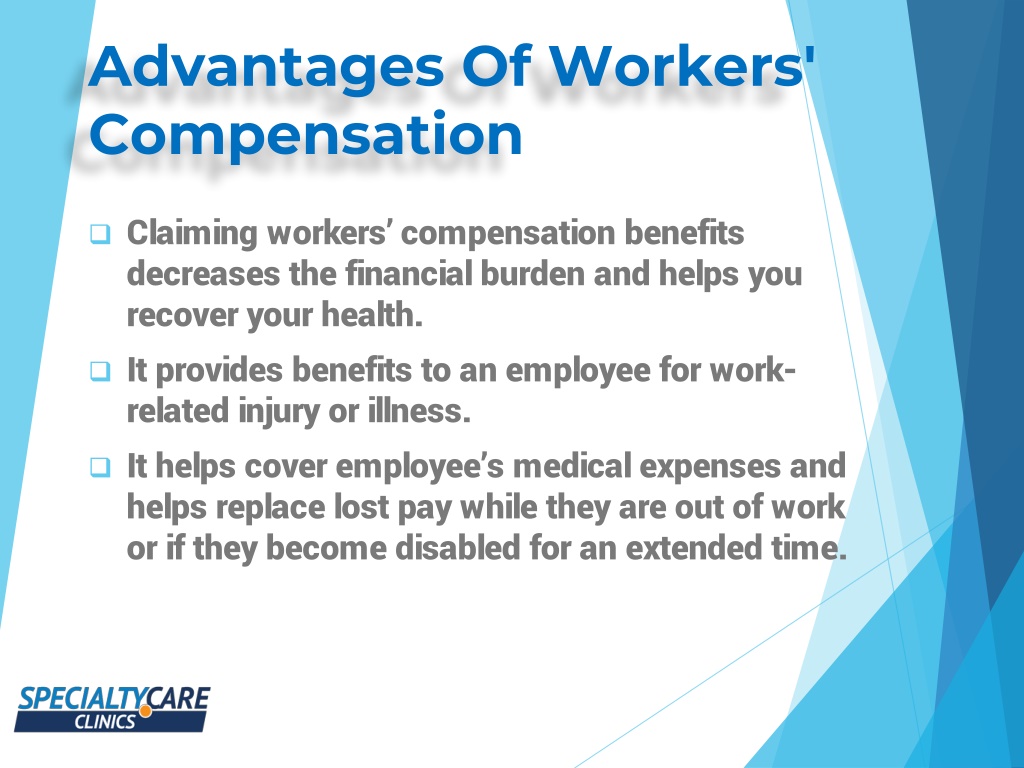
Knowledgeable workers compensation refers to a specialized, highly informed approach to managing employer-paid insurance that provides wage replacement and medical benefits to employees injured on the job. By leveraging deep regulatory expertise, proactive claims management, and strategic return-to-work programs, businesses can significantly reduce costs, improve workplace safety, and foster a more supportive organizational culture.
Understanding the Core Framework of Workers Compensation
Workers compensation operates as a no-fault system designed to provide guaranteed medical care and wage benefits to employees who suffer work-related injuries or illnesses. In exchange for these guaranteed benefits, employees generally surrender their right to sue their employer for negligence. However, the operational reality of managing these programs varies dramatically based on expertise. Standard or uninformed administration often leads to escalating costs, prolonged claims, and adversarial relationships between management and staff.
When an organization employs a knowledgeable workers compensation strategy, it shifts the paradigm from reactive claims processing to proactive risk mitigation. This advanced approach requires a thorough understanding of state-specific statutory requirements, medical billing codes, occupational safety regulations, and legal precedents. Employers and administrators who master these elements can navigate complex regulatory environments with precision, ensuring that injured workers receive prompt, high-quality care while protecting the financial health of the enterprise.
Furthermore, a knowledgeable approach recognizes that workers compensation is deeply interconnected with other human resources and operational functions. It bridges the gap between safety compliance under bodies like the Occupational Safety and Health Administration (OSHA), human resources policy implementation, and financial risk forecasting. By integrating these disciplines, companies create a cohesive defense against rising insurance premiums and operational disruptions.
Financial Advantages: Controlling Premiums and Reducing Indirect Costs
The financial implications of workers compensation are often among the largest line items in an employer's operating budget. Premiums are largely determined by an experience modification rate (EMR), which compares a company's claims history to the industry average. Knowledgeable management of workers compensation directly targets the EMR, yielding substantial long-term savings.
Lowering Experience Modification Rates (EMRs)
An EMR above 1.0 indicates a higher-than-average loss history, resulting in premium surcharges. Conversely, an EMR below 1.0 secures premium discounts. Knowledgeable administrators understand the exact mechanics of how claim severity and frequency impact the EMR over a three-year rolling window. By implementing immediate reporting protocols, contesting erroneous claims, and managing open claims aggressively, companies can drive down their EMR.
Key financial mechanisms influenced by compensation expertise include:
- Early Intervention: Addressing minor injuries through first-aid or specialized telehealth triage prevents minor incidents from escalating into recordable lost-time claims.
- Reserving Accuracy: Working closely with insurance carriers to ensure proper initial reserve setting prevents inflated claims from distorting the experience rating.
- Second Injury Funds: Utilizing state-specific second-injury funds where available to relieve employers of the full cost burden when a pre-existing condition aggravates a workplace injury.
Mitigating Hidden and Indirect Costs
While direct costs—such as medical bills and indemnity payments—are easily tracked, indirect costs can be up to ten times higher. These hidden expenses include lost productivity, overtime wages for replacement workers, administrative time spent managing the claim, retraining costs, and potential drops in overall team morale. A knowledgeable workers compensation strategy actively targets these variables. By facilitating a safe and rapid return to work, organizations minimize productivity gaps and eliminate the need for costly temporary staffing solutions.
| Cost Category | Reactive Management Approach | Knowledgeable Management Approach |
|---|---|---|
| Direct Costs | High medical payouts, frequent litigation, maximum indemnity durations. | Optimized medical networks, early resolution, strict adherence to fee schedules. |
| Indirect Costs | Unmanaged lost productivity, extensive overtime, high retraining expenses. | Structured transitional duty, preserved institutional knowledge, minimal disruption. |
| Administrative Burden | Reactive paperwork, delayed communication, frequent appeals and hearings. | Streamlined digital tracking, proactive carrier communication, compliance tracking. |
| Premium Impact | Escalating EMR, severe multi-year insurance penalty surcharges. | Stabilized or declining EMR, maximum premium discounts, favorable underwriting terms. |
Operational and Safety Improvements
Beyond direct financial savings, a sophisticated grasp of workers compensation drives profound operational improvements. Insurance data serves as a diagnostic tool for workplace safety. Knowledgeable safety managers analyze claim trends to identify root causes of accidents, allowing organizations to engineer safer work environments and update standard operating procedures.
Data-Driven Risk Identification
Claims data provides a clear narrative regarding where and how injuries occur. Instead of relying on generalized safety assumptions, knowledgeable safety teams dissect loss runs to identify specific equipment failures, ergonomic bottlenecks, or recurring training deficiencies. This targeted intervention ensures that capital and safety resources are deployed where they yield the highest risk-reduction return.
Fostering a Culture of Trust and Psychological Safety
How an organization responds to an injured worker dictates employee trust and retention. A knowledgeable program treats injured workers with empathy, transparency, and respect, framing the recovery process as a collaborative partnership rather than an adversarial contest. When employees trust that their employer will support them through an unexpected medical crisis, fear of reporting injuries diminishes. This transparency ensures that minor injuries receive prompt medical attention before developing into chronic, disabling conditions.
Strategic Return-to-Work Programs
One of the most powerful tools in a knowledgeable workers compensation arsenal is a well-structured return-to-work (RTW) or transitional duty program. Prolonged absence from the workplace is detrimental to both the employee and the employer. Workers who remain out of work for extended periods face physical deconditioning, depression, and a significantly lower statistical probability of ever returning to full duty.
The Mechanics of Transitional Duty
A knowledgeable RTW program does not wait for an employee to achieve 100% full-duty clearance before bringing them back. Instead, it collaborates with treating physicians to identify temporary, medically approved light-duty tasks that accommodate physical restrictions.
- Physical Accommodation: Tasks are tailored to specific lifting, bending, or sitting restrictions.
- Productive Engagement: Transitional work must provide genuine operational value, such as retraining, administrative support, quality control auditing, or inventory review, rather than make-work assignments.
- Gradual Progression: As the employee heals and completes physical therapy, duties are systematically scaled back up to pre-injury capacity.
This continuous connection to the workplace preserves social ties with colleagues, maintains daily routines, and drastically accelerates physical and psychological recovery.
Navigating Regulatory Compliance and Legal Complexities
Workers compensation is strictly regulated at the state level, creating a complex patchwork of statutory deadlines, filing requirements, and benefit calculations. A lack of familiarity with these rules frequently results in administrative fines, unnecessary litigation, and delayed claim closures.
Ensuring Timely Filings and Statutory Adherence
Each jurisdiction dictates strict timeframes for reporting injuries to the state industrial commission or workers compensation board, as well as specific deadlines for issuing the first indemnity payment. Knowledgeable administrators establish automated compliance checklists and workflow management software to ensure that every statutory milestone is met without exception. Missing these deadlines often triggers automatic penalties and gives plaintiff attorneys significant leverage in disputed cases.
Managing Medical Provider Networks
Medical management is often the single largest determinant of claim duration and cost. Knowledgeable employers strategically utilize preferred provider organizations (PPOs), certified managed care networks, or occupational health clinics that specialize in work-related injuries. These specialized medical providers understand the unique demands of industrial environments, focus on functional recovery, and maintain open communication channels with employers regarding work restrictions.
Common Misconceptions and Operational Pitfalls
Despite clear evidence supporting sophisticated workers compensation management, several persistent myths continue to compromise organizational performance.
- Myth: Contesting every claim protects the bottom line. In reality, aggressive, blanket litigation alienates employees, destroys morale, increases legal defense fees, and frequently results in higher final settlement payouts awarded by administrative law judges.
- Myth: Safety programs eliminate all injuries. While robust safety programs reduce frequency, accidents still occur. The true measure of an organization is not just its prevention metrics, but its post-injury management capability.
- Myth: Insurance carriers handle everything. Relying entirely on insurance adjusters without internal oversight often leads to neglected claims, bloated medical reserves, and prolonged indemnity payouts. Active employer engagement is essential.
Frequently Asked Questions
What makes a workers compensation program truly knowledgeable?
A knowledgeable program combines deep regulatory expertise, proactive medical management, data-driven safety analytics, and empathetic human resources policies to minimize costs while fully supporting injured workers.
How does transitional duty reduce overall claim costs?
Transitional duty keeps injured workers engaged and productive, reduces wage-replacement indemnity payments, prevents physical deconditioning, and shortens the overall duration of the claim, which directly protects the company's experience modification rate.
Can small businesses implement advanced workers compensation strategies?
Yes. While small businesses may lack dedicated risk management departments, they can partner with specialized insurance brokers, knowledgeable third-party administrators (TPAs), and professional employer organizations (PEOs) to access enterprise-level expertise.
What is an experience modification rate (EMR), and why does it matter?
The EMR is a numerical multiplier used by insurance companies to calculate workers compensation premiums based on a business's historical loss experience compared to others in the same industry. Managing this rate effectively is critical for controlling insurance overhead.
How do proactive reporting protocols impact medical outcomes?
Immediate reporting allows injured employees to receive prompt medical evaluation through occupational health specialists. Early intervention treats minor conditions before they develop into severe, chronic injuries that require complex surgical or therapeutic intervention.
Conclusion and Next Actions
Optimizing workers compensation through knowledge and strategic execution transforms a mandatory business expense into a powerful driver of operational stability, financial savings, and cultural health. Business leaders and human resources professionals must audit their current claims management workflows, assess their experience modification rate trends, and forge partnerships with specialized medical and insurance providers.
To initiate improvements, schedule a comprehensive review of your organization's historical loss runs with an experienced insurance broker or risk management consultant. Identify recurring injury patterns, evaluate your current return-to-work protocols, and implement immediate reporting pathways to protect both your workforce and your bottom line.