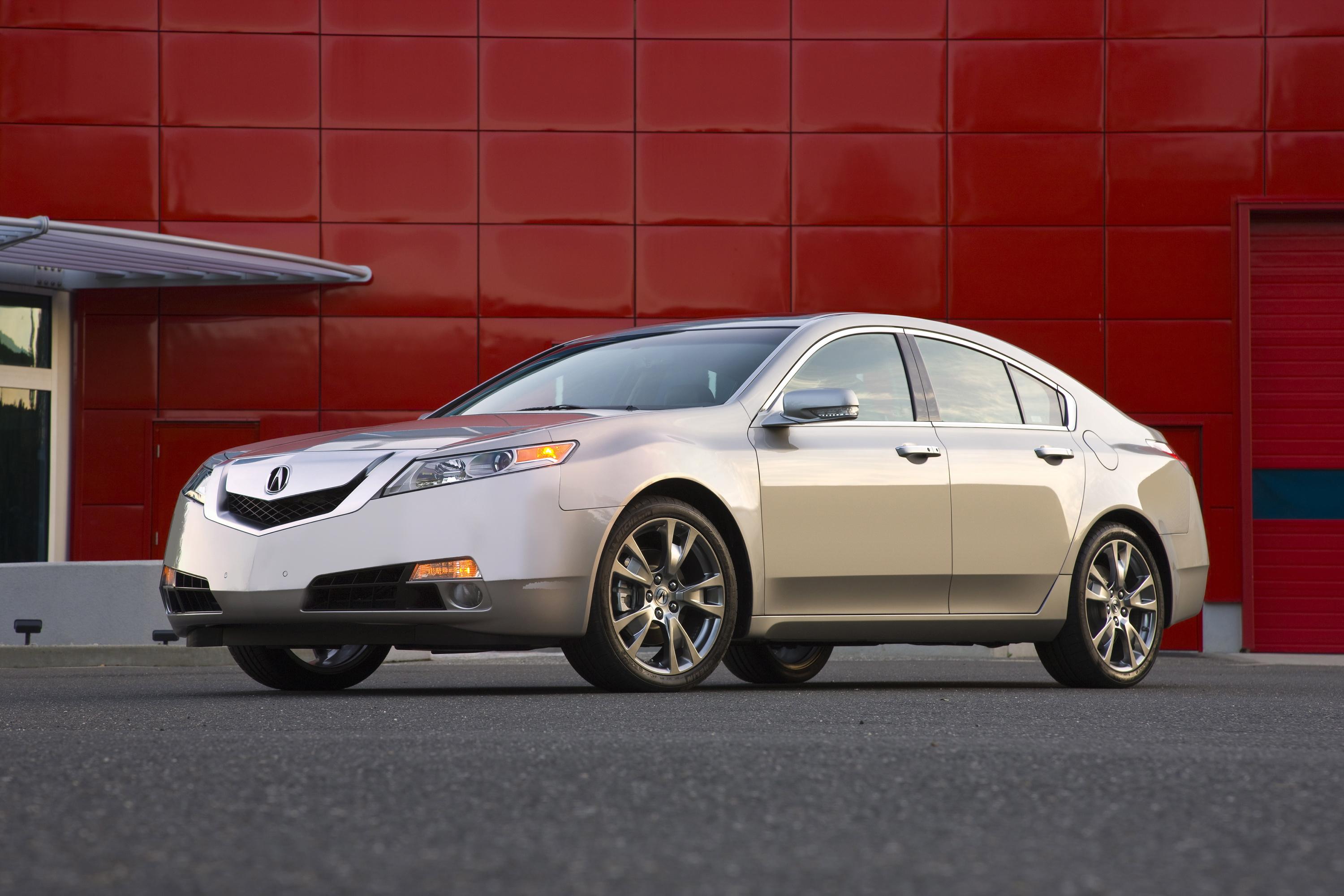
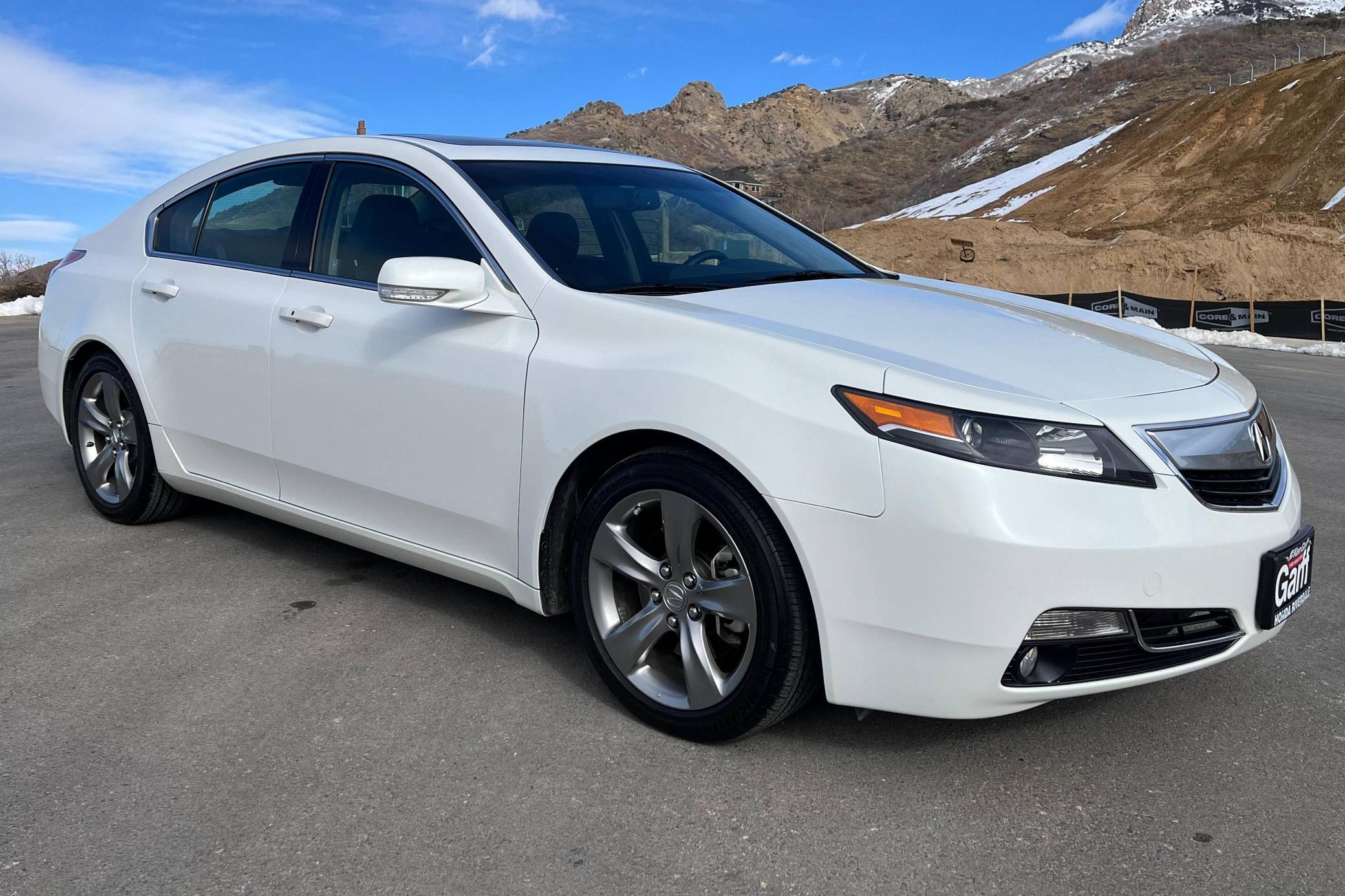
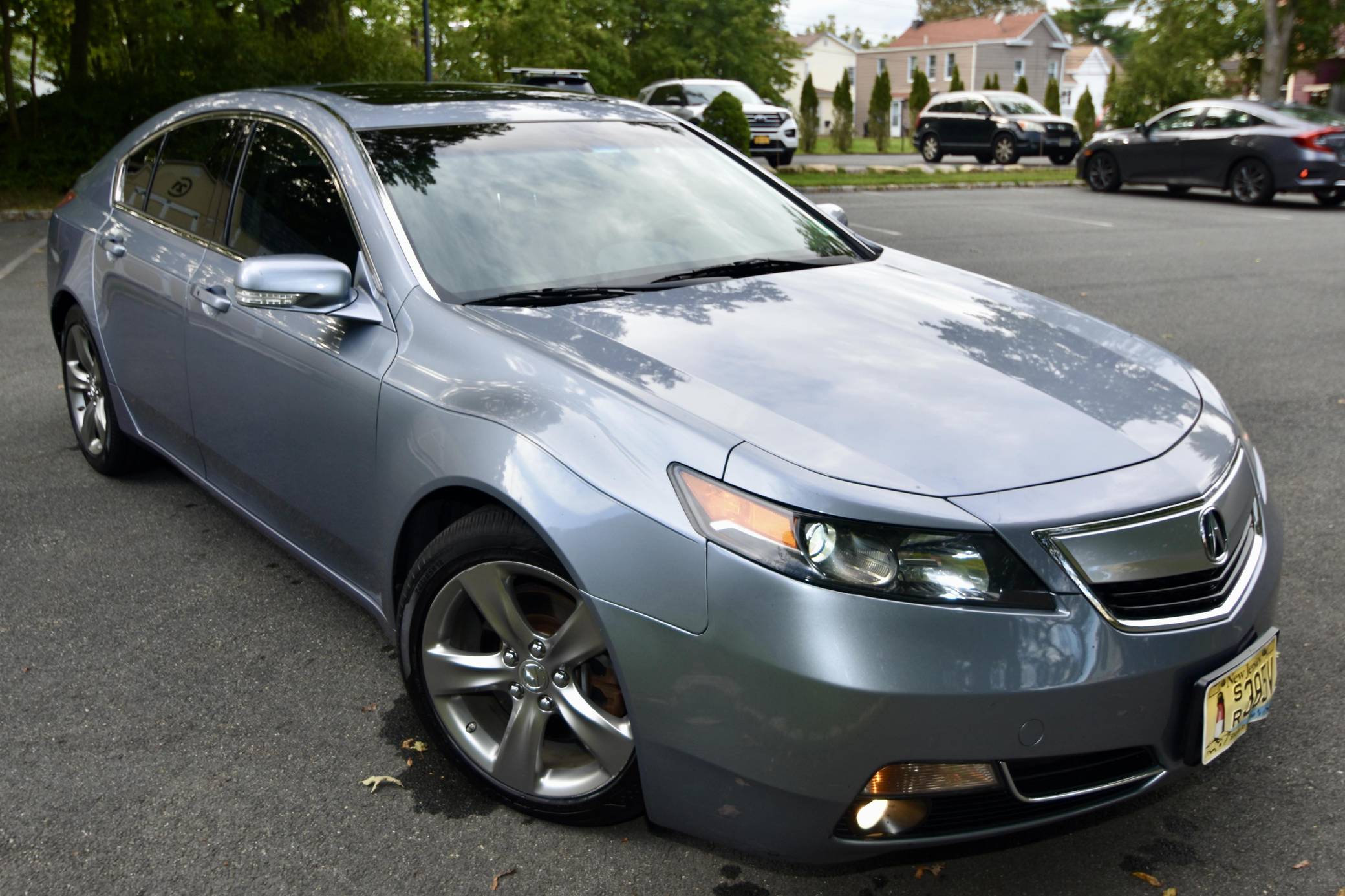
The Acura TL SH-AWD produces 305 horsepower at 6,300 RPM and 273 lb-ft of torque at 5,000 RPM. This power is generated by a 3.7-liter naturally aspirated V6 engine (J37A4), which was the most powerful engine Acura had ever placed in a production sedan at the time of its release.
As of 2026, the fourth-generation Acura TL (2009–2014) remains a significant milestone for Honda’s luxury division. It represented the peak of naturally aspirated V6 performance for the brand before the industry-wide shift toward smaller-displacement turbocharged powerplants. The "Super Handling All-Wheel Drive" (SH-AWD) system is the defining characteristic of this model, utilizing that 305-horsepower output to provide a driving experience that rivals European sports sedans.
The Heart of the Machine: The 3.7L V6 J37A4 Engine
To understand the horsepower of the Acura TL SH-AWD, one must look closely at the J37A4 engine. While the base Acura TL of the same era utilized a 3.5-liter engine producing 280 horsepower, the SH-AWD trim received a bored-out, more aggressive 3.7-liter unit.
Engineering and Displacement
The J37A4 is a SOHC (Single Overhead Cam) 24-valve V6. While many competitors moved to DOHC (Double Overhead Cam) layouts, Acura perfected the SOHC design using their proprietary VTEC (Variable Valve Timing and Lift Electronic Control) system. For the SH-AWD model, VTEC was applied to both the intake and exhaust valves—a first for a SOHC Acura V6—allowing the engine to breathe more efficiently at high RPMs.
The engine features a 90 mm bore and 96 mm stroke. To manage the heat and friction associated with 305 horsepower, Acura utilized high-silicon aluminum cylinder liners (Hyper-Eutectic), which offered better wear resistance and cooling than traditional cast-iron liners. This contributed to the engine’s ability to rev freely to its 6,700 RPM redline.
Air Intake and Exhaust Efficiency
Horsepower is a product of how much air an engine can process. The 3.7L engine in the TL SH-AWD features a multi-stage intake manifold made of lightweight magnesium. This manifold changes its configuration based on engine speed to optimize airflow velocity, ensuring that torque remains high in the low-to-mid range while maximizing peak horsepower at the top end.
How SH-AWD Translates Horsepower to the Road
In many high-horsepower front-wheel-drive cars, the power is often lost to wheel spin or torque steer. The Acura TL SH-AWD solves this through its sophisticated torque-vectoring system. The 305 horsepower is not just sent to all four wheels; it is actively managed to improve cornering.
Torque Vectoring Mechanics
The SH-AWD system can distribute up to 70% of the engine’s total torque to the rear wheels during hard acceleration. Once at the rear axle, an electromagnetic clutch system can send 100% of that torque to either the left or right wheel.
When you apply the 305 horsepower in a sharp turn, the system "overdrives" the outside rear wheel. This creates a yaw moment, effectively pushing the car into the corner and eliminating the understeer typically found in heavy, AWD luxury sedans. This mechanical advantage allows the TL SH-AWD to utilize its power more effectively on a track or a winding road than many of its more powerful, but less sophisticated, rivals.
Transmission Options and Performance Impacts
The real-world application of the Acura TL's 305 horsepower depends heavily on the transmission paired with the engine. Throughout the 2009–2014 production run, three distinct setups were available.
- 5-Speed Automatic (2009–2011): The early SH-AWD models featured a 5-speed automatic with Sequential SportShift paddle shifters. While robust, the gear spacing was relatively wide, which sometimes made it difficult to keep the high-revving 3.7L engine in the heart of its power band.
- 6-Speed Automatic (2012–2014): As part of the mid-cycle refresh, Acura introduced a 6-speed automatic. This unit improved fuel economy and, more importantly, acceleration. The closer gear ratios allowed the car to reach its 305-horsepower peak more frequently during spirited driving.
- 6-Speed Manual (2010–2014): For enthusiasts, the 6-speed manual transmission is the gold standard. This gearbox was not just a carryover from other models; it was specifically reinforced to handle the 273 lb-ft of torque. Models equipped with the manual featured unique suspension tuning and more aggressive hill-start assist, making them the fastest-accelerating variants of the TL SH-AWD.
| Specification | Acura TL (Base) | Acura TL SH-AWD |
|---|---|---|
| Engine Type | 3.5L V6 (J35) | 3.7L V6 (J37) |
| Horsepower | 280 hp @ 6,200 RPM | 305 hp @ 6,300 RPM |
| Torque | 254 lb-ft @ 5,000 RPM | 273 lb-ft @ 5,000 RPM |
| Compression Ratio | 11.2:1 | 11.2:1 |
| Drivetrain | Front-Wheel Drive (FWD) | Super Handling AWD |
| 0-60 MPH (Manual) | N/A | ~5.2 - 5.4 Seconds |
| 0-60 MPH (Automatic) | ~6.2 Seconds | ~5.6 - 5.8 Seconds |
Performance Comparisons: Acura vs. The World
When the 305-hp TL SH-AWD was released, it was positioned against heavy hitters like the BMW 335i, the Audi S4, and the Infiniti G37.
Acura TL vs. Infiniti G37
The Infiniti G37 was perhaps the TL's closest rival. The G37's 3.7L VQ-series engine produced slightly more horsepower (328 hp) but less usable low-end torque compared to the Acura's VTEC-enhanced J37. While the Infiniti was a rear-wheel-drive-biased platform, the Acura’s SH-AWD provided significantly more confidence in inclement weather and high-speed cornering.
Acura TL vs. BMW 335i
The BMW 335i of the 2011–2014 era used a turbocharged inline-six (N55). On paper, the BMW's 300 horsepower was lower than the Acura’s 305. However, the BMW’s turbochargers provided peak torque at much lower RPMs (starting as low as 1,200 RPM). The Acura TL SH-AWD requires the driver to "work" for the power, winding the engine up past 5,000 RPM to truly feel the 305 horsepower, a characteristic that many naturally aspirated purists prefer.
Long-Term Maintenance of the 305-HP Powertrain
Owning a high-output Acura V6 in 2026 requires an understanding of specific maintenance needs to ensure those 305 horses stay healthy. While the J-series engine is legendary for its reliability, the 3.7L variant has specific quirks.
Oil Consumption Issues
One of the most documented aspects of the 3.7L J37A4 engine is oil consumption. Due to the high-silicon aluminum cylinder liners (mentioned earlier), some engines experienced premature wear of the piston rings. Acura released several service bulletins regarding this, and many engines were repaired under extended warranties. For current owners, checking oil levels every 1,000 miles is a mandatory practice to prevent oil starvation and maintain engine performance.
Timing Belt Service
Unlike many modern engines that use timing chains, the Acura 3.7L V6 uses a timing belt. This belt must be replaced every 105,000 miles or 7 years. Failure to do so can result in catastrophic engine damage, as the J37 is an interference engine. When replacing the belt, it is standard technical practice to also replace the water pump, tensioner, and idler pulleys.
SH-AWD Fluid Requirements
To maintain the "Super Handling" aspect, the rear differential fluid (Dual Pump Fluid II or Acura DPSF) must be changed regularly—usually every 30,000 miles. If the fluid breaks down, the clutches in the rear differential may chatter or fail to engage, effectively reducing the car to a standard front-biased AWD vehicle and neutralizing the handling benefits of the 305-hp engine.
Modern Modifications: Can You Increase the Horsepower?
By 2026, the aftermarket for the 4th Gen TL has matured significantly. While 305 horsepower is ample for a daily driver, many owners seek to unlock more from the J37 engine.
- J-Pipe Upgrades: The factory exhaust "J-pipe" (the section connecting the two cylinder banks to the main exhaust) is a known restriction. High-flow aftermarket J-pipes can add 10–15 horsepower by improving exhaust scavenging.
- Intake Manifold Boring: Enthusiasts often port and polish the intake manifold or swap in the intake runners from the Acura MDX to improve airflow.
- Flash Tuning: Using systems like KTuner or Hondata, owners can recalibrate the ECU. This doesn't just increase peak horsepower; it allows for a more aggressive VTEC engagement point and better throttle response, which makes the 305 hp feel more accessible.
- Lightweight Pulleys: Reducing parasitic drag on the engine via a lightweight crank pulley can help the engine rev faster, though it does not technically increase the engine's internal horsepower rating.
Real-World Driving Dynamics
In a 2026 context, the Acura TL SH-AWD is often praised for its "analog" feel compared to modern electric-steering, turbocharged cars. The steering rack in the 2009–2014 TL SH-AWD is a heavy, hydraulic-assisted unit (except for certain late-model electric conversions), which provides excellent feedback from the front tires.
When you floor the accelerator, there is no "turbo lag." The 305 horsepower arrives linearly, accompanied by a distinct mechanical growl as the VTEC crossover occurs around 4,700–5,000 RPM. This makes the car exceptionally predictable on track days. The SH-AWD system works silently in the background; the driver simply notices that the car refuses to push wide in corners where other sedans would.
Frequently Asked Questions
Does the Acura TL SH-AWD require premium fuel?
Yes. To achieve the rated 305 horsepower and 273 lb-ft of torque, Acura specifies the use of 91 octane premium fuel or higher. While the engine's knock sensors can adjust timing to run on lower-grade fuel in an emergency, doing so will result in reduced power output and potentially lower fuel economy. Long-term use of 87 octane can lead to carbon buildup and "knocking" under load.
How does the SH-AWD horsepower compare to the newer Acura TLX?
The first-generation Acura TLX (2015–2020) actually saw a slight decrease in displacement and power for its V6 models, moving to a 3.5L unit with 290 horsepower. It wasn't until the arrival of the TLX Type S in 2021 that Acura surpassed the 305-hp mark of the old TL SH-AWD, using a turbocharged 3.0L V6 producing 355 hp.
Is the 305-hp 3.7L engine reliable for high mileage?
Generally, yes. Aside from the aforementioned oil consumption issues and the necessity of timing belt changes, the J37 engine is capable of exceeding 200,000 miles. The bottom end of the engine is exceptionally stout. Many high-mileage examples are still on the road in 2026, provided they received consistent oil changes and differential fluid services.
Why was the 2012–2014 TL SH-AWD slightly faster than the 2009–2011?
The horsepower stayed the same at 305, but the 2012 refresh introduced a 6-speed automatic transmission and improved aerodynamics (including a refined front grille and rear bumper). These changes reduced the 0-60 mph time by approximately 0.2 to 0.4 seconds compared to the earlier 5-speed automatic versions.
Summary of Recommendations
If you are looking to purchase or maintain an Acura TL SH-AWD in 2026, prioritize the following:
- Verification: Ensure the vehicle is a genuine SH-AWD model. The base TL only has 280 hp and lacks the torque-vectoring rear differential.
- Maintenance Records: Look specifically for the 105,000-mile timing belt service. If it hasn't been done, factor that $1,200–$1,800 cost into your purchase price immediately.
- Oil Monitoring: If you own a 3.7L model, check your oil level every three fuel fill-ups. Keeping the oil topped off is the best way to prevent the cylinder liner issues associated with this specific high-output V6.
- Fluid Choice: Always use Acura/Honda genuine fluids for the SH-AWD system. The clutch packs are sensitive to the friction modifiers found in the OEM Dual Pump Fluid II.
The 305 horsepower of the Acura TL SH-AWD represents an era of engineering where mechanical grip and high-revving natural aspiration were the priorities. Even decades after its debut, it remains a benchmark for how a luxury sedan can balance power with sophisticated all-wheel-drive technology.