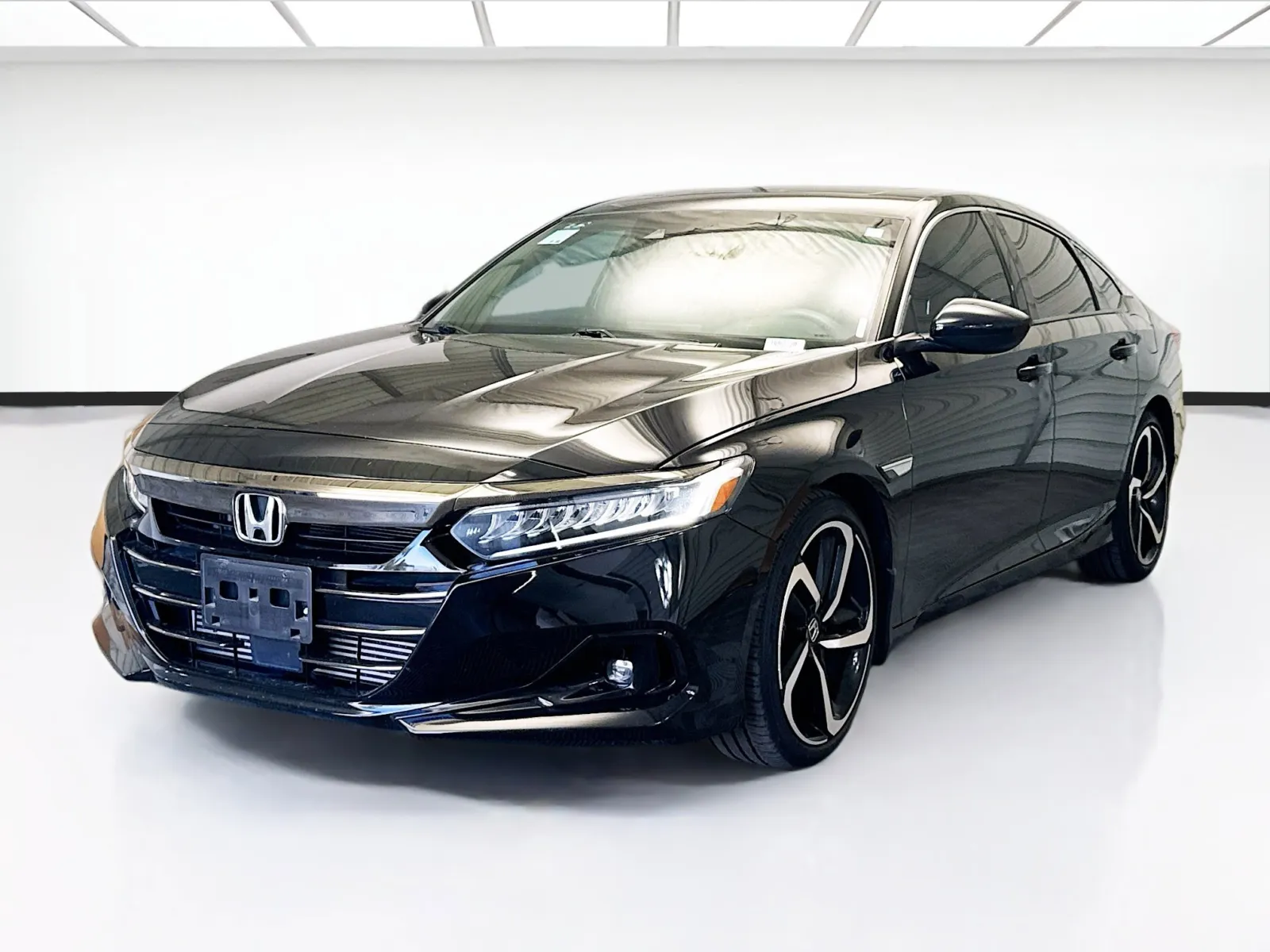
The Honda Accord 2.0T, equipped with the potent 252-horsepower turbocharged engine, delivers a balanced fuel economy that generally ranges from 22 to 32 mpg depending on driving conditions. While modern fuel efficiency is often judged by highway cruising, the 2.0T variant is specifically engineered to provide an engaging driving experience for everyday travel, making it a unique contender for commuters who value performance without sacrificing long-term utility.
Understanding the Accord 2.0T Powertrain Dynamics
To grasp why the Honda Accord 2.0T consumes fuel at its specific rate, it is essential to understand the engineering philosophy behind the powertrain. Introduced during the tenth generation of the Accord, the 2.0L turbocharged inline-four engine replaced the traditional naturally aspirated V6. This transition was designed to provide a "best of both worlds" scenario: the low-end torque of a larger engine with the fuel-sipping potential of a smaller displacement unit when off-boost.
For everyday travel, this means your fuel consumption is highly sensitive to throttle input. When you are commuting in light traffic, the turbocharger remains largely inactive, allowing the engine to operate in a high-efficiency state. However, the moment you demand quick acceleration for merging or overtaking, the turbo engages to provide rapid power, which naturally leads to a temporary spike in fuel consumption. This behavioral variability is why owners often see a wider spread in average mpg compared to the 1.5L turbocharged variant or the hybrid model.
Factors Influencing MPG in Daily Commuting
"Everyday travel" is a broad term that encompasses vastly different driving environments. Your specific fuel economy will fluctuate based on several variables that exist outside of the engine’s inherent design.
Urban Stop-and-Go Traffic
In city environments, the Accord 2.0T faces its greatest challenge. Because the 10-speed automatic transmission is optimized for responsiveness, the constant acceleration from a standstill prevents the engine from settling into a fuel-efficient cruising gear. Drivers who encounter heavy, gridlocked traffic can expect to see figures on the lower end of the spectrum, typically between 20 and 23 mpg.
Suburban and Mixed-Use Driving
This is the "sweet spot" for the 2.0T. When traveling on suburban arterials with fewer stoplights and speeds ranging between 35 and 55 mph, the transmission can shift into higher gears, allowing the engine to maintain low RPMs. In this setting, the engine’s efficiency shines, and many drivers report achieving the EPA-estimated combined cycle of 26 to 27 mpg consistently.
Highway Cruising
On the open road, the aerodynamic profile of the tenth-generation Accord helps significantly. At constant highway speeds, the 10-speed transmission keeps engine revs low. Provided you are not fighting excessive wind resistance or heavily laden with cargo, hitting or exceeding 32 mpg is common during long-distance highway travel.
Comparative Efficiency Table: Accord 2.0T vs. Segments
The following table outlines the approximate real-world fuel economy expectations based on various driving scenarios. Note that these are averages and can vary based on maintenance, tire pressure, and individual driving style.
| Driving Environment | Expected MPG Range | Characteristics |
|---|---|---|
| Heavy City Traffic | 19 – 23 mpg | Frequent idle and gear hunting |
| Suburban Arterials | 25 – 28 mpg | Steady speeds, limited stops |
| Highway (Cruising) | 30 – 34 mpg | Sustained high gear, low load |
| Spirited/Sport Driving | 17 – 20 mpg | High turbo boost, aggressive shifting |
Technical Maintenance for Optimal Fuel Efficiency
Maintaining your Accord 2.0T is the most effective way to ensure that your fuel economy remains consistent with factory expectations. Because the 2.0T engine is a turbocharged unit, it is more sensitive to maintenance than a standard naturally aspirated engine.
- Turbocharger Health: Ensure the air filter is replaced at recommended intervals. A restricted intake forces the turbocharger to work harder to pull in air, which increases the temperature of the intake charge and reduces overall engine efficiency.
- Tire Pressure Management: Honda specifies tire pressures on the driver’s side door jamb. Using a tire pressure gauge to check your levels monthly is crucial. Under-inflated tires increase rolling resistance, which can shave 1–3 mpg off your commute.
- Oil Quality: The 2.0T engine requires specific synthetic oil weights as defined by the owner's manual. Using the incorrect viscosity can increase internal friction and degrade the fuel economy that the engine was designed to achieve.
- Transmission Fluid: The 10-speed automatic transmission is a sophisticated piece of hardware. Keeping to the recommended fluid change intervals ensures that the clutch packs within the transmission operate efficiently, reducing "slippage" that causes wasted energy.
Driving Techniques for Maximizing MPG
Beyond hardware, the driver’s interface with the pedal is the final frontier for fuel economy. The Accord 2.0T features an "ECON" mode button, which alters the mapping of the throttle and climate control systems.
- Utilizing ECON Mode: When engaged, ECON mode softens the throttle response, meaning that the turbocharger does not spool up as aggressively when you press the pedal. This is ideal for heavy traffic where erratic, rapid accelerations contribute most to fuel waste.
- Anticipatory Driving: Because the 2.0T has high torque, you do not need to push the pedal deeply to get the car moving. Smooth, linear acceleration allows the 10-speed transmission to upshift earlier, keeping the engine in a lower, more efficient rev range.
- The Weight Penalty: Every pound in your trunk or cabin impacts the effort required to move the vehicle. Removing unnecessary items—such as heavy sports gear, tools, or spare fluids—from your daily commute reduces the load on the powertrain, specifically during stop-and-go acceleration phases.
Limitations and Practical Expectations
It is important to manage expectations regarding the 2.0T engine. If your primary goal is maximizing miles per gallon above all other factors, the 2.0T may not be the optimal choice. The Hybrid variant of the Accord, for instance, is engineered specifically for fuel efficiency and will vastly outperform the 2.0T in city settings.
The 2.0T is designed for those who want an engaging daily driving experience that feels substantial and responsive. You are essentially paying a "performance tax" in the form of fuel consumption to have 252 horsepower at your disposal. For many, the joy of a responsive highway merge and the refinement of the 10-speed transmission outweighs the modest difference in fuel costs compared to less powerful alternatives.
Frequently Asked Questions
Does premium fuel improve MPG in the Accord 2.0T?
While the engine can run on regular unleaded fuel, Honda recommends premium (91 octane or higher) for the 2.0T to ensure you achieve the full advertised performance. While using premium may result in a negligible increase in fuel efficiency due to improved combustion timing, it is primarily recommended for engine longevity and performance rather than significant fuel savings.
How does the 10-speed transmission affect fuel economy compared to a CVT?
The 10-speed automatic provides a more traditional shifting feel and is tuned to keep the engine in its power band. While a Continuously Variable Transmission (CVT) found in the 1.5L Accord is theoretically more efficient at keeping the engine at a specific RPM, the 10-speed transmission in the 2.0T is highly effective at maintaining efficiency at cruising speeds by providing more gear ratio options.
Does the use of remote start affect fuel economy?
Yes, using remote start to warm up or cool down the vehicle significantly lowers your overall fuel economy, especially during short commutes. When the car is idling, you are getting 0 mpg. If you remote start the car for 10 minutes every morning, your average fuel economy for that specific trip will drop dramatically.
Is the 2.0T efficient for long-distance highway travel?
The 2.0T is an excellent highway cruiser. Because the engine does not have to work hard to maintain highway speeds, it sits in a very efficient RPM range. Many users find they can exceed the EPA highway estimates during long-distance road trips, provided they maintain a consistent speed.
How much does aggressive driving impact 2.0T efficiency?
Substantial. The 2.0T engine is designed to be punchy; frequent usage of the turbocharger for rapid acceleration or high-speed driving can easily drop your mpg into the high teens. If you find your fuel economy is consistently low, audit your driving style to see if you are utilizing more of the turbocharger’s potential than is necessary for your commute.
Final Recommendation for Daily Commuters
For the everyday traveler, the Honda Accord 2.0T offers a high-performance experience that remains respectable in terms of efficiency. To get the best out of your vehicle, prioritize smooth, measured acceleration, keep your tires properly inflated, and use the "ECON" button during your peak-hour stop-and-go commute. If your daily travel consists primarily of highway miles, you will find the car to be a comfortable, fuel-efficient, and highly capable machine. If your commute is exclusively urban, expect to manage your fuel budget accordingly, and consider utilizing public transit or alternative driving routes to minimize idle time in heavy traffic.