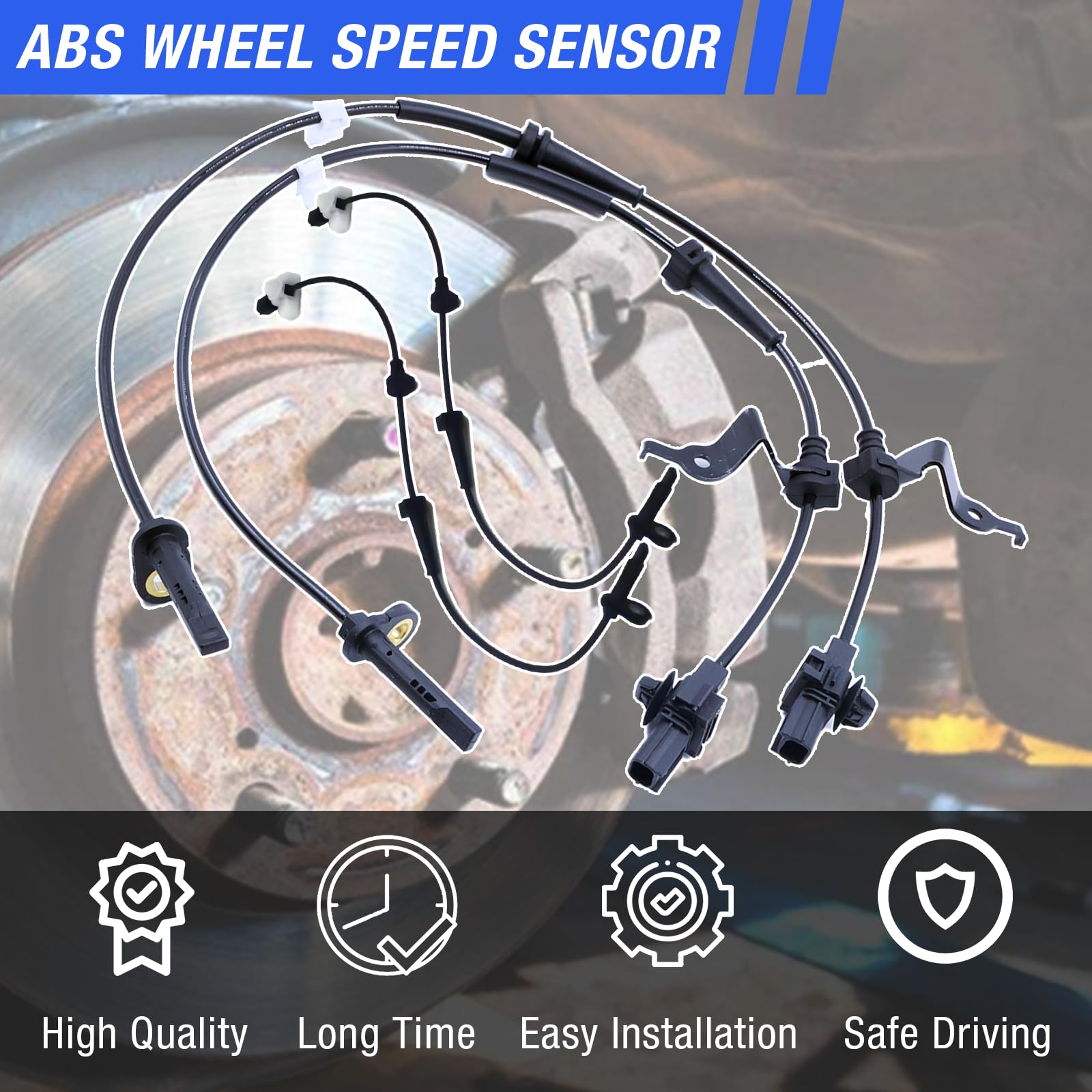
An ABS sensor failure triggers warning lights on the dashboard, deactivates the anti-lock braking system, and can cause erratic behavior in related safety features like traction control, though conventional hydraulic braking usually remains functional for safe stopping.
Modern vehicles rely heavily on electronic safety systems to prevent accidents, maintain traction, and ensure stable steering during emergency stops. At the center of these safety mechanisms is the Anti-lock Braking System (ABS), which prevents the wheels from locking up during hard braking. When this system encounters a malfunction—frequently originating at the wheel speed sensor—it warns the driver through specific mechanical and electronic cues. Recognizing these warning signs early helps vehicle owners address mechanical issues before they compromise road safety or lead to more expensive repairs.
The Role of the ABS Sensor in Modern Vehicles
The ABS sensor, formally known as the wheel speed sensor, monitors the rotational speed of each individual wheel on a vehicle. Located near the wheel hub, axle, or brake rotor, the sensor typically reads data from a toothed wheel (called a tone ring or reluctor ring) as it spins. This data is transmitted in real-time to the ABS control module, also known as the Electronic Control Unit (ECU).
During normal driving, the ECU uses this data to ensure all wheels are rotating at the correct speed relative to the vehicle's ground speed. If the driver applies the brakes heavily on a slippery surface—such as wet pavement, ice, or loose gravel—and one wheel begins to stop rotating while the others continue spinning, the ABS sensor instantly flags this discrepancy. The control module then rapidly modulates hydraulic brake pressure to that specific wheel, allowing it to maintain traction and enabling the driver to steer safely out of danger.
Because this process happens hundreds of times per second, even a minor interruption in sensor data can disrupt the entire system. Understanding what happens when this component fails requires examining the distinct physical and electronic symptoms it produces.
Primary Symptoms of ABS Sensor Failure
When an ABS wheel speed sensor fails or becomes degraded, it generates several distinct indicators. Drivers rarely experience a complete loss of standard stopping power immediately, but the vehicle’s electronic safeguards will noticeably alter their behavior.
1. Illumination of the ABS Warning Light
The most direct and reliable indicator of a failing sensor is the appearance of the ABS warning light on the instrument cluster. Modern vehicle computers perform continuous self-diagnostics. If a sensor fails to send a signal, sends an erratic voltage, or falls outside expected resistance parameters, the ECU stores a Diagnostic Trouble Code (DTC) and illuminates the dedicated dashboard light. In many vehicles, this light will remain illuminated until the underlying fault is repaired and the code is cleared.
2. Deactivation of Traction Control and Electronic Stability Control
Because traction control systems (TCS) and electronic stability control (ESC) systems rely on the exact same wheel speed data collected by the ABS sensors, a sensor failure typically disables these auxiliary systems as well. Drivers will often see a separate traction control light—often depicted as a skidding car or the letters "TCS" or "ESP"—illuminate alongside the ABS light.
3. Abnormal Brake Pedal Behavior
In some failure scenarios, drivers report unusual feedback through the brake pedal. This can manifest as:
- A pulsating or spongy pedal during normal, low-speed stops when the system incorrectly believes a wheel is locking up.
- A hard brake pedal that requires significantly more physical effort to achieve the same deceleration rate, particularly if the failure affects the hydraulic control modulator linked to the sensor circuit.
4. Erratic Speedometer Readings or Cruise Control Failures
On many front-wheel-drive and rear-wheel-drive vehicles, the transmission or primary computer calculates overall vehicle speed using data from specific wheel speed sensors rather than a traditional transmission output shaft sensor. If a critical sensor fails, the speedometer may fluctuate wildly, drop to zero, or the cruise control system may refuse to engage because it cannot verify the vehicle's active speed.
Causes of ABS Sensor Degradation and Failure
ABS sensors operate in one of the harshest environments on a motor vehicle. Positioned near the wheels, they are constantly exposed to moisture, road salt, extreme temperature fluctuations, flying debris, and physical vibration. Over time, these environmental factors take a heavy toll on the hardware.
- Physical Damage and Debris Accumulation: Brake dust, metallic shavings from brake pads, mud, and road grime can accumulate on the magnetic tip of the sensor or clog the tone ring. This debris interferes with the sensor's ability to read the passing teeth of the ring accurately.
- Wiring Harness Damage: The wire leading from the sensor to the vehicle frame flexes continuously as the suspension moves up and down and the front wheels turn. This constant mechanical stress can cause internal wire breakage, insulation cracking, or connector corrosion.
- Tone Ring Corrosion or Damage: Also known as the reluctor ring, this component can crack due to rust accumulation beneath it (often referred to as "rust jacking" in regions that use heavy road salt). A cracked or missing tooth on the tone ring sends an irregular signal to the sensor, mimicking an electrical failure.
- Wheel Bearing Wear: Excessive play in a worn wheel bearing can alter the air gap between the sensor and the tone ring. If the sensor moves too far away from or too close to the ring, it cannot generate a clean voltage signal.
Diagnostic and Troubleshooting Procedures
Diagnosing an ABS sensor fault requires a methodical approach to separate actual sensor failure from wiring issues or mechanical obstructions. Mechanics and DIY enthusiasts typically follow a structured workflow to pinpoint the root cause.
| Diagnostic Step | Description | Tools Required |
|---|---|---|
| Visual Inspection | Inspect the sensor body, wiring harness, and connectors for cuts, rubbing, severe corrosion, or heavy debris buildup. | Flashlight, jack, and jack stands |
| Code Scanning | Retrieve specific diagnostic trouble codes (DTCs) from the ABS module to identify which specific wheel sensor is reporting an error. | OBD-II scanner with ABS capability |
| Resistance Testing | Measure the electrical resistance (ohms) across the sensor terminals using a multimeter to check for internal shorts or open circuits. | Digital Multimeter (DMM) |
| Live Data Monitoring | Monitor individual wheel speed signals in real-time while driving slowly to see which sensor drops out or reports incorrect speeds. | Advanced OBD-II scan tool |
When testing with a multimeter on inductive-type (two-wire) sensors, a healthy sensor typically shows a specific resistance range specified in the manufacturer service manual. Hall-effect (three-wire) sensors require voltage and square-wave signal testing using a multimeter or oscilloscope, as simple resistance checks can damage internal circuitry.
Safety Implications and Driving with a Bad ABS Sensor
A common question among vehicle owners is whether it is safe to drive with an illuminated ABS light. The answer depends on the nature of the underlying failure.
If the ABS sensor fails, the vehicle's standard hydraulic braking system will continue to function. You can still slow down and stop the vehicle using regular brake pressure. However, the anti-lock feature will be disabled. This means that in an emergency braking situation on slick, wet, or icy roads, the wheels are prone to locking up, which can cause the vehicle to skid or lose steering control.
Furthermore, driving with deactivated stability and traction control systems removes electronic safeguards designed to help recover from slides or loss of control during cornering. Therefore, while a failed ABS sensor does not mean an immediate, catastrophic loss of brakes, the vehicle should be driven with heightened caution at reduced speeds, and repairs should be scheduled promptly.
Repair Costs and Replacement Considerations
Replacing an ABS sensor is generally a straightforward mechanical repair, though costs vary depending on the vehicle's make, model, and the accessibility of the component.
- Part Cost: Individual replacement sensors typically range from $30 to $150 for standard consumer vehicles, though specialized sensors integrated with wheel bearing assemblies can cost significantly more.
- Labor Cost: Professional replacement usually takes between one to two hours per wheel, resulting in labor charges between $100 and $250.
- Total Estimated Cost: Including parts and labor, a typical wheel speed sensor replacement ranges from $150 to $400 per corner.
When replacing a sensor, mechanics must clean the mounting hole thoroughly. Rust buildup in the sensor bore can expand and crush a new sensor during installation if not properly reamed and cleaned. Additionally, verifying the condition of the tone ring is essential; replacing a sensor without addressing a cracked tone ring will result in the immediate return of the warning light.
Frequently Asked Questions
Can I drive my car with a broken ABS sensor?
Yes, standard hydraulic brakes will still work, meaning you can stop the car under normal conditions. However, your anti-lock braking system, traction control, and stability control will be disabled, increasing the risk of skidding during emergency stops on slippery surfaces.
Will an ABS sensor failure cause my car to fail a state safety inspection?
In jurisdictions that require vehicle safety inspections, an illuminated ABS warning light on the dashboard will typically result in an automatic inspection failure. Safety regulators require all primary braking and stability warning indicators to function correctly.
Do I need to clear the diagnostic trouble codes after replacing the sensor?
On many modern vehicles, the ABS warning light will automatically turn off and clear the fault code from active memory once the vehicle is driven a short distance and the new sensor signal is verified by the ECU. However, some vehicles require a specialized OBD-II scan tool to clear stored diagnostic codes manually.
Can cleaning an ABS sensor fix the problem without replacing it?
Yes, if the sensor is simply coated in thick brake dust, metallic shavings, or mud, removing it, cleaning the magnetic tip, and clearing the mounting surface can fully restore proper operation without purchasing a new part.
Next Steps and Professional Recommendation
If your vehicle displays an ABS warning light accompanied by traction control alerts or unusual brake pedal feedback, start by scanning the onboard computer for specific diagnostic trouble codes to identify the faulty wheel. Perform a visual inspection of the sensor wiring harness and wheel hub area for obvious physical damage or debris buildup. For accurate electrical testing and safe replacement—particularly on vehicles where sensors are seized in corroded aluminum knuckles—consult a certified automotive technician to ensure proper installation and system recalibration.