AARP term life insurance policies, underwritten by New York Life Insurance Company, provide members with temporary death benefit protection for a specified duration. These policies are designed to offer straightforward coverage for individuals within specific age brackets who require financial security for beneficiaries without the complexity or higher costs often associated with permanent, cash-value life insurance products.
The Role of AARP in Life Insurance Offerings
It is essential to clarify that AARP (the American Association of Retired Persons) is not an insurance company. Instead, it serves as a membership organization that negotiates group insurance programs for its members. The actual underwriting, policy issuance, and claims administration for these products are managed by the New York Life Insurance Company. When you purchase an AARP-branded term life policy, your contractual relationship is with New York Life, while your eligibility is contingent upon maintaining an active AARP membership.
This partnership structure means that the policies are group-based, which often influences the application process. Because these plans are tailored for the AARP membership base, they typically focus on simplified underwriting—meaning you may encounter fewer medical examinations compared to traditional, underwritten individual policies, though this varies based on the specific policy type and the amount of coverage requested.
How Term Life Insurance Functions Within the AARP Program
Term life insurance is the simplest form of life insurance. It provides protection for a set "term" or number of years. If the insured passes away during this period, the beneficiaries receive the death benefit. If the term expires and the insured is still living, the coverage ceases unless the policyholder has exercised renewal or conversion options.
In the context of the AARP program, term insurance is frequently utilized by members to cover specific financial milestones or obligations that are expected to diminish over time. Examples include the remaining years on a mortgage, outstanding personal loans, or the years until a spouse reaches their own retirement age or pension eligibility. Unlike permanent insurance, which includes a cash-value accumulation component, AARP term life policies are pure protection vehicles, which generally makes them more affordable for those seeking higher death benefits on a limited budget.
Eligibility and Age Requirements
Eligibility for AARP-branded term life insurance is strictly tied to membership and specific age windows. As of 2026, applicants must be AARP members in good standing. This membership is open to individuals aged 50 and older, though certain insurance products within the portfolio may have their own age-related entry and exit requirements.
When considering these policies, you must look at the "issue age" and the "maximum coverage age." For example, while you may be able to secure a policy at age 55, the policy may have a provision where the coverage terminates automatically upon reaching a specific age, such as 75 or 80. You should review the "Master Policy" document provided by New York Life to understand the exact age at which your specific term plan terminates.
Evaluating Key Features: What to Look For
When assessing an AARP term life policy, several technical features define the value and utility of the coverage. Understanding these will help you determine if the product aligns with your financial planning goals.
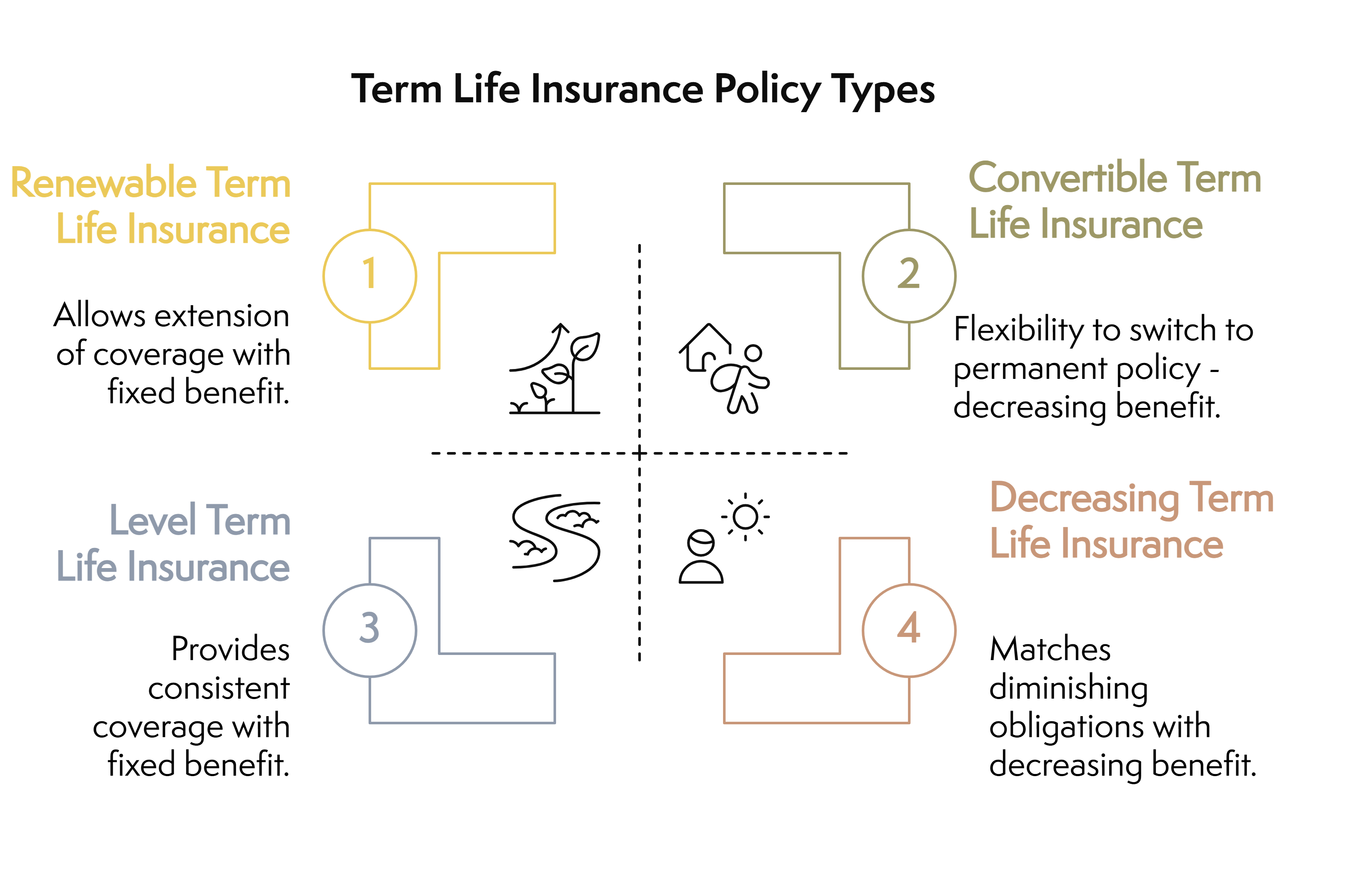
- Death Benefit Stability: Most AARP-branded term policies offer a level death benefit, meaning the amount paid to your beneficiaries does not fluctuate over the term of the policy, provided that premiums are paid as agreed.
- Renewability: Many term policies are "renewable." This means that even if your health changes during the term, you have the right to renew the policy for subsequent periods, although the premium will typically increase based on your attained age at each renewal.
- Conversion Options: A critical feature for long-term planning is the ability to convert your term policy into a permanent life insurance policy without needing to provide further evidence of insurability. This is vital if your long-term needs change and you decide you want coverage that lasts for your entire lifetime.
- Premium Structure: Premiums for term insurance usually start lower than permanent plans but rise over time. It is crucial to request a premium schedule from New York Life that shows how your costs will change in future years, particularly at the end of each renewal term.
Comparative Analysis: Term vs. Permanent Insurance
Choosing the right type of insurance requires balancing cost against the duration of the need. The table below outlines how term life insurance generally compares to permanent insurance within the context of common retirement planning goals.
| Feature | AARP Term Life Insurance | Permanent Life Insurance |
|---|---|---|
| Duration | Fixed period (e.g., 10 or 20 years) | Lifetime (as long as premiums are paid) |
| Cash Value | No | Yes, accumulates over time |
| Premiums | Lower, increase at renewal | Higher, often level for life |
| Best For | Temporary debt, funeral expenses, income gap | Estate planning, legacy, permanent costs |
| Underwriting | Often simplified | Typically requires full medical review |
The Application and Underwriting Process
The underwriting process for AARP-branded term insurance is often marketed as "simplified," which may include a health questionnaire rather than a mandatory medical examination (paramedical exam) for certain coverage amounts. However, applicants should be prepared for the following:
- Health Questionnaire: You will be required to disclose medical history, including pre-existing conditions, smoking status, and current medications. Honesty is paramount; misrepresentations on this application can lead to a denial of claims later.
- Medical Information Bureau (MIB) Check: The insurer will likely review your MIB report, which contains a history of previous insurance applications you have made.
- Prescription Drug Databases: Insurers frequently check electronic databases that track your prescription history to verify the health information you provided in your application.
- Coverage Limits: If you request a death benefit amount that exceeds the company's "no-exam" threshold, you may be required to undergo a brief medical exam, which involves blood work and a physical check.
Managing Costs and Premium Increases
One of the most common pitfalls for policyholders is failing to account for "stepped" premium increases. In a term life policy, you are essentially paying for the risk of mortality for your age bracket. As you get older, that statistical risk increases, and therefore, the insurance company increases the premium at each renewal period.
To manage these costs:
- Review the Schedule: Every policy document includes a table of future premiums. Project these costs out to the end of the term to ensure they remain affordable on a fixed retirement income.
- Evaluate the Need: If the term policy was intended to cover a 15-year mortgage, consider if you still need that full amount of coverage if the mortgage balance has been significantly reduced.
- Automatic Payments: Using electronic funds transfer (EFT) can sometimes simplify the premium payment process and ensure that the policy does not lapse due to a missed paper bill.
Potential Limitations and Risks
No insurance product is suitable for every situation. AARP term life policies have inherent limitations that consumers must recognize:
- No Cash Value: If you reach the end of your term and decide you no longer need coverage, you receive no return on the premiums paid. This is fundamentally different from permanent insurance, which functions partly as a financial asset.
- Premium Escalation: Because these are often renewable, the cost of keeping the policy in the later years can become prohibitive for some retirees.
- Exclusions: Standard life insurance policies typically contain a contestability period (usually two years) and a suicide clause. During the contestability period, the insurer may investigate the truthfulness of your health disclosures. If a death occurs due to suicide within the specified timeframe (often two years), the policy may only return the premiums paid rather than paying the full death benefit.
Frequently Asked Questions
1. Does AARP provide the insurance coverage itself? No, AARP is an advocacy and membership organization. All insurance policies carrying the AARP name are underwritten, issued, and administered by the New York Life Insurance Company.
2. Can I get a policy if I have pre-existing health conditions? Eligibility depends on the severity of the condition and the specific policy guidelines. While simplified underwriting is designed to be accessible, you must disclose all health information. Some conditions may lead to higher premiums or a denial of coverage.
3. What happens to my coverage if I cancel my AARP membership? In most cases, your life insurance policy remains in force as long as you continue to pay your premiums, even if you stop your AARP membership. However, you should check your specific policy documents to confirm the terms regarding membership status.
4. Is there a "no-exam" option? Yes, many AARP-branded term life products offer simplified underwriting that does not require a traditional medical exam. However, this is usually limited to specific coverage amounts. If you apply for a higher death benefit, an exam may be required.
5. Can I increase my death benefit later? Generally, you cannot increase the death benefit of an existing policy without going through a new application and underwriting process. If your needs change, you may need to purchase an additional policy or apply for a new one.
Next Steps for Interested Applicants
If you are considering an AARP-branded term life insurance policy, start by assessing your total financial needs. Calculate your outstanding debts, final expenses, and any income replacement your beneficiaries would require. Once you have a clear number, request a quote through the official AARP life insurance portal or contact New York Life directly. Always request the "outline of coverage," which provides a detailed breakdown of benefits, exclusions, and premium schedules before you sign any contract.