The year 2019 was a remarkably rich period for non-fiction music cinema, yielding intimate portraits of iconic performers, deep dives into historical cultural movements, and explorations of the creative process. For enthusiasts seeking compelling narratives grounded in real archival footage, exclusive interviews, and masterful direction, several standout releases from that year continue to demand attention. These films transcend standard biographical summaries to offer profound insights into the triumphs, struggles, and artistic evolution of figures who shaped modern soundscapes.
The Evolution and Appeal of Music Documentaries
Music documentaries occupy a unique space in cinematic and cultural history. They bridge the gap between traditional biography and immersive art, translating the abstract power of sound into visual narratives. The year 2019 demonstrated this versatility through projects that ranged from sweeping archival reconstructions of legendary concert footage to deeply personal, contemporary video diaries of modern pop stars.
Understanding why these films resonate requires looking at their core functions: preservation, contextualization, and humanization. Audiences are no longer satisfied with hagiographies; they demand nuance, transparency, and access. Directors in 2019 met this demand by utilizing newly discovered archival materials, advanced audio restoration techniques, and unprecedented access to artists undergoing pivotal life transitions. Whether examining the ecstatic highs of a 1970s concert or the modern digital pressures faced by contemporary hitmakers, these features provide enduring value for music lovers and casual viewers alike.
1. Rolling Thunder Revue: A Bob Dylan Story by Martin Scorsese
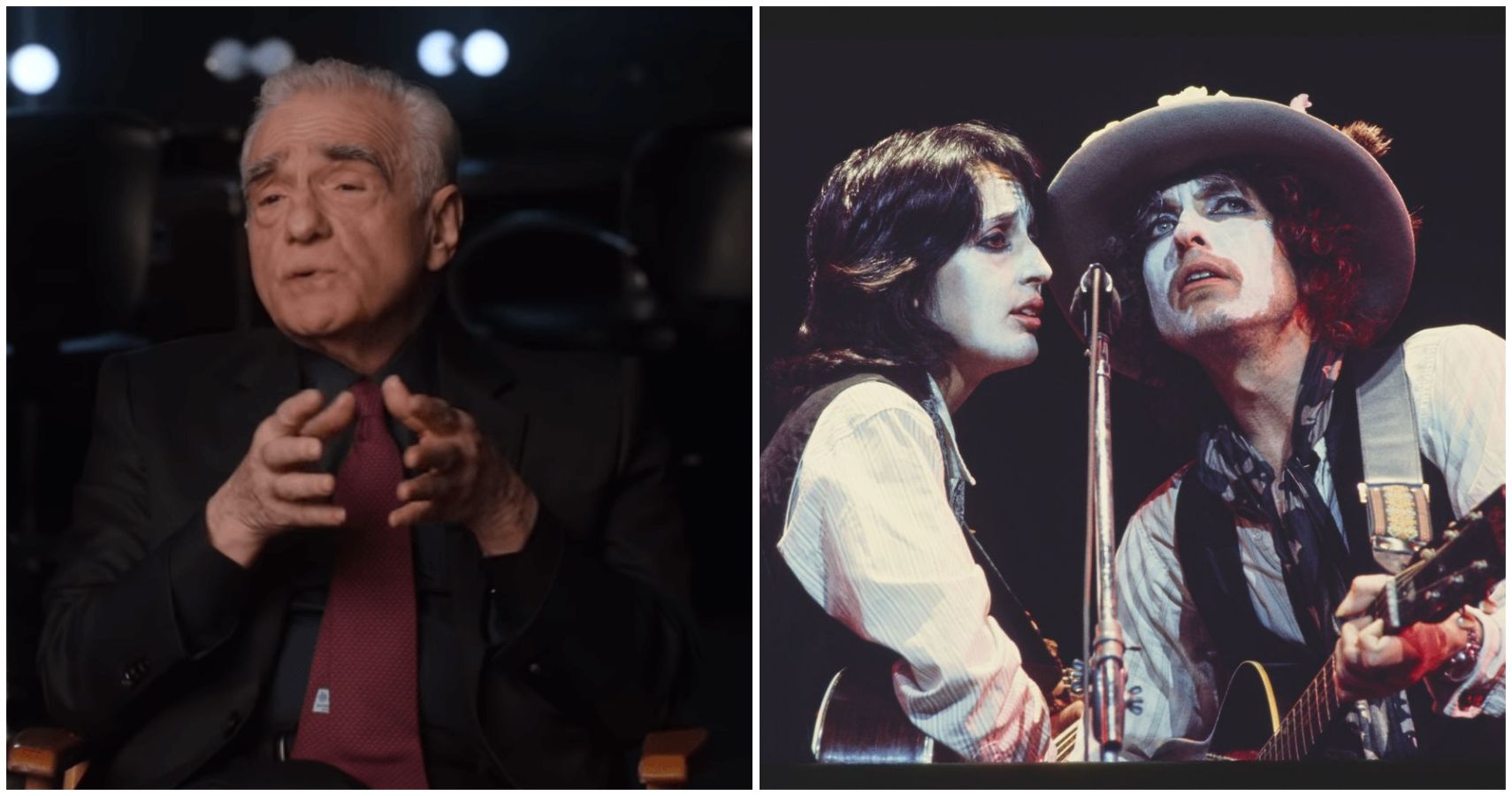
Directed by legendary filmmaker Martin Scorsese, Rolling Thunder Revue: A Bob Dylan Story by Martin Scorsese is a masterful, impressionistic blend of fact and mythmaking. Released via Netflix, the film revisits Bob Dylan’s turbulent, theatrical 1975 concert tour of the same name.
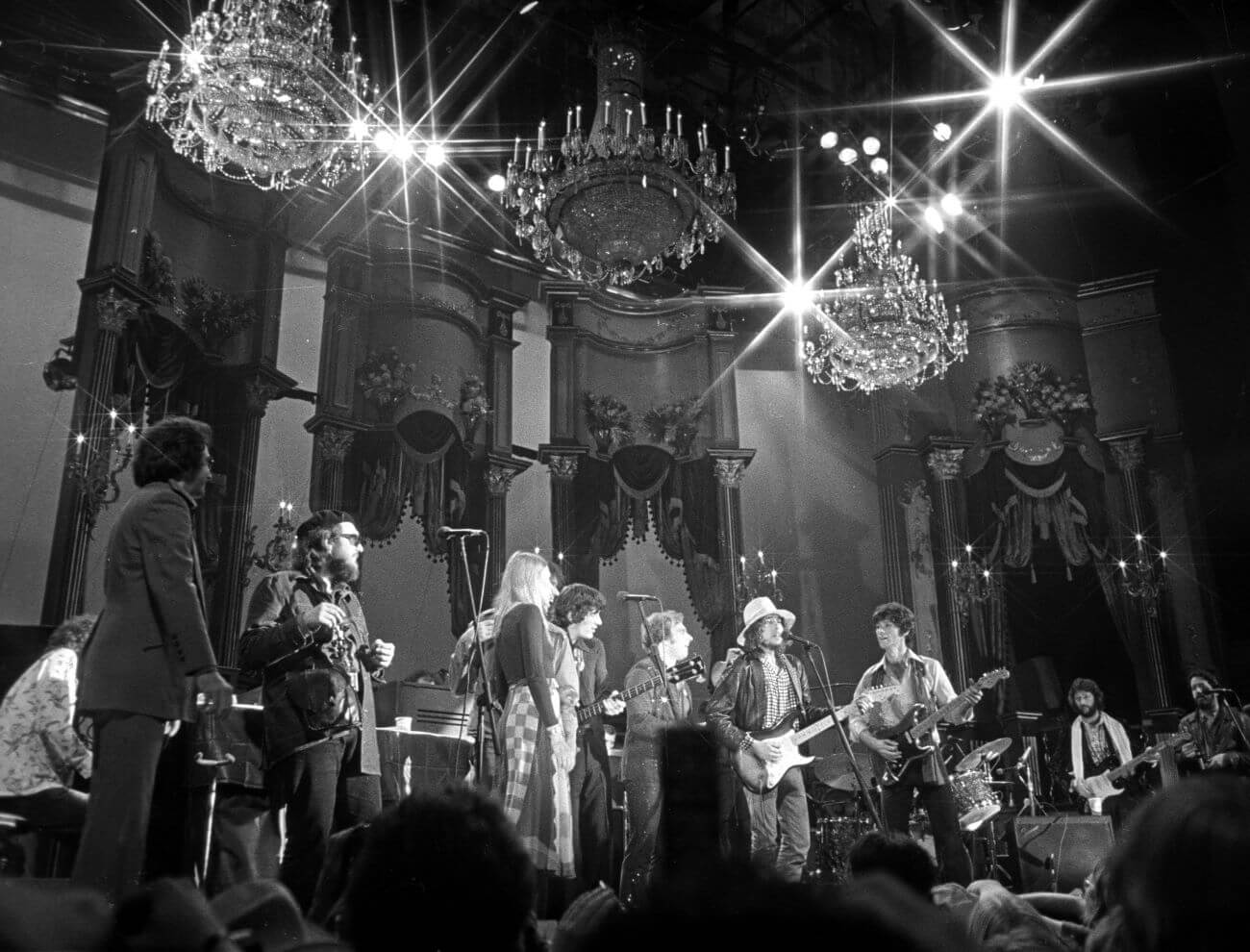
The documentary utilizes a vast trove of newly restored, rarely seen footage shot by documentarian Howard Alk during the tour. Rather than presenting a straightforward, chronological retelling, Scorsese weaves together genuine historical footage with fabricated interviews, fictional characters, and meta-commentary. This stylistic choice mirrors the elusive, shape-shifting persona of Dylan himself. Featured artists such as Joan Baez, Allen Ginsberg, and Sam Shepard provide commentary on the chaotic, collective energy of the tour. The result is not merely a document of a concert series, but an exploration of performance, identity, and the American counterculture of the mid-1970s.
2. Linda Ronstadt: The Sound of My Voice
Co-directed by Rob Epstein and Jeffrey Friedman, Linda Ronstadt: The Sound of My Voice offers a comprehensive, deeply moving tribute to one of the most versatile and gifted vocalists in popular music history. Ronstadt's career spanned rock, country, traditional Mexican folk, and opera before Parkinson’s disease forced her into early retirement.
The documentary traces her journey from her early days in Tucson, Arizona, through her meteoric rise as the queen of 1970s rock and roll, to her fearless genre pivots. Rather than relying on an omniscient narrator, the film lets Ronstadt tell her own story through audio interviews, complemented by commentary from collaborators like Emmylou Harris, Dolly Parton, Jackson Browne, and Bonnie Raitt. The technical prowess of her voice is examined with reverence, making it a masterclass in vocal performance and artistic integrity.
3. The Amazing Johnathan Documentary
While nominally focused on a legendary eccentric magician, The Amazing Johnathan Documentary (directed by Ben Berman) is secretly one of the most fascinating examinations of artistic obsession and performance in modern media. Johnathan Szeles, known professionally as The Amazing Johnathan, was famous for his deadpan humor and gory, surreal magic tricks.
When Szeles announced his retirement in 2014 due to a terminal heart condition, documentarian Ben Berman set out to capture his final tour. What followed was a dizzying, multi-layered deconstruction of truth, illness, and the documentary medium itself. As Szeles's health fluctuates and alternate film crews enter the picture, the project transforms into a meditation on the compulsion to perform even when the curtain is falling. Its inclusion in music and performance discussions stems from its profound commentary on the life of a touring stage artist and the psychological toll of entertainment.
4. Knock Down the House
Directed by Rachel Lears, Knock Down the House follows four working-class women—including Alexandria Ocasio-Cortez—who mounted grassroots campaigns during the 2018 U.S. midterms. While primarily a political documentary, the film's inclusion in music discussions is often highlighted by its soundtrack and its thematic exploration of grassroots momentum, which mirrors the revolutionary ethos found in classic protest music.
The documentary captures the raw energy of populist movements, showcasing how modern political campaigns utilize rhythm, rallying cries, and collective performance to mobilize voters. The score, composed by Tia Fuller, anchors the emotional beats of the narrative, emphasizing the personal sacrifices required to challenge entrenched political power.
5. Homecoming: A Film by Beyoncé
Written, directed, and executive produced by Beyoncé Knowles-Carter herself, Homecoming is a breathtaking visual and auditory document of her historic 2018 Coachella Valley Music and Arts Festival performances. The film offers an intimate look at the rigorous preparation, creative vision, and cultural significance behind a concert that celebrated historically Black colleges and universities (HBCUs).
Interspersing the explosive concert footage with candid behind-the-scenes rehearsals, voiceovers from literary icons like Maya Angelou and Toni Morrison, and personal reflections on motherhood and health, Homecoming elevates the standard concert film to a masterwork of self-representation. It documents a monumental cultural milestone, analyzing the physical demands and artistic direction required to execute a live show of unprecedented scale.
6. Once Were Brothers: Robbie Robertson and The Band
Directed by Daniel Roher, Once Were Brothers: Robbie Robertson and The Band adapts Robertson's 2016 memoir, Testimony. The film chronicles Robertson's journey from a young guitar player in Toronto to the creative anchor of The Band, one of the most influential roots-rock groups of the late 1960s and 1970s.
The documentary combines rare archival photographs, home movies, and intimate interviews with notable admirers and collaborators, including Martin Scorsese, Bruce Springsteen, Eric Clapton, Van Morrison, and Peter Gabriel. It provides an honest look at the fraternal bonds, creative friction, and ultimate dissolution of a group that backed Bob Dylan and defined Americana music. The film's strength lies in its emotional honesty regarding the cost of artistic ambition and the bittersweet nature of creative partnerships.
7. Miles Davis: Birth of the Cool
Directed by Stanley Nelson, Miles Davis: Birth of the Cool examines the complex, restless genius of jazz trumpeter and innovator Miles Davis. The documentary does not shy away from the artist's flaws, addressing his struggles with drug addiction, volatile relationships, and personal demons alongside his monumental musical achievements.
Voiced largely through actor Carl Lumby channeling Davis's raspy cadence, the film features insights from Quincy Jones, Herbie Hancock, Wayne Shorter, and Carlos Santana. Nelson traces Davis’s career through his various stylistic evolutions—from bebop and cool jazz to hard bop, modal jazz, and his pioneering fusion era. It stands as an essential viewing experience for anyone seeking to understand the relentless drive required to continually reinvent American music.
Comparative Overview of 2019 Music Documentaries
To help viewers decide which film matches their current interest, the following table compares key aspects of these notable 2019 releases, including their primary focus, stylistic approach, and core themes.
| Title | Primary Subject / Artist | Stylistic Approach | Core Themes |
|---|---|---|---|
| Rolling Thunder Revue | Bob Dylan | Docudrama / Archival Blend | Mythmaking, performance, 1970s counterculture |
| Linda Ronstadt: The Sound of My Voice | Linda Ronstadt | Biographical Archival / Interviews | Vocal artistry, genre versatility, legacy |
| The Amazing Johnathan Documentary | The Amazing Johnathan | Meta-documentary / Psychological | Obsession, performance, truth vs. illusion |
| Homecoming: A Film by Beyoncé | Beyoncé Knowles-Carter | Concert Film / Video Diary | HBCU culture, perfectionism, artistic direction |
| Once Were Brothers | Robbie Robertson and The Band | Memoir Adaptation / Interviews | Brotherhood, creative friction, roots-rock history |
| Miles Davis: Birth of the Cool | Miles Davis | Biographical Archival / Narration | Musical evolution, personal demons, artistic reinvention |
Common Viewer Questions Answered
Where can I stream these music documentaries?
Streaming availability varies by region and platform licensing agreements. Major titles like Rolling Thunder Revue and Homecoming are tied to specific subscription services (Netflix), while biographical films like Linda Ronstadt: The Sound of My Voice and Miles Davis: Birth of the Cool frequently rotate across digital rental platforms, public broadcasting archives, and specialty streaming services. Check local listings or aggregator sites to confirm current platform availability in your region.
Are these documentaries suitable for casual music fans?
Yes. While deep-cut enthusiasts will appreciate the archival details and technical insights, films like Linda Ronstadt: The Sound of My Voice and Homecoming are designed with broad narrative appeal. They focus heavily on human perseverance, cultural history, and the emotional power of performance, making them accessible to viewers who may not possess specialized knowledge of music history.
What distinguishes a concert film from a music documentary?
A traditional concert film focuses primarily on capturing a live performance from start to finish with minimal narrative interruption. In contrast, a music documentary uses interviews, archival materials, and historical context to tell a broader story about an artist's life, cultural impact, or creative process. Titles like Homecoming blend both formats by interspersing high-production concert footage with intimate, behind-the-scenes documentary storytelling.
Why do music documentaries from 2019 hold up well?
The films released in 2019 benefited from a maturation in digital archival restoration and a cultural shift toward more vulnerable, unvarnished storytelling. Directors were granted unprecedented access to private vaults, and artists were increasingly willing to confront their vulnerabilities on screen. This combination resulted in enduring works that avoid superficial hagiography in favor of lasting historical value.
Conclusion and Next Actions
Exploring the cinematic landscape of 2019 music documentaries offers a rewarding journey through diverse genres, historical eras, and creative struggles. To begin, select one title from the list above that aligns with your musical taste—whether that is the historic jazz innovations of Miles Davis, the theatrical folk-rock of Bob Dylan, or the modern stadium brilliance of Beyoncé. Set aside dedicated viewing time without distractions to fully absorb the audio restoration and visual craftsmanship that made these films critical and commercial successes.