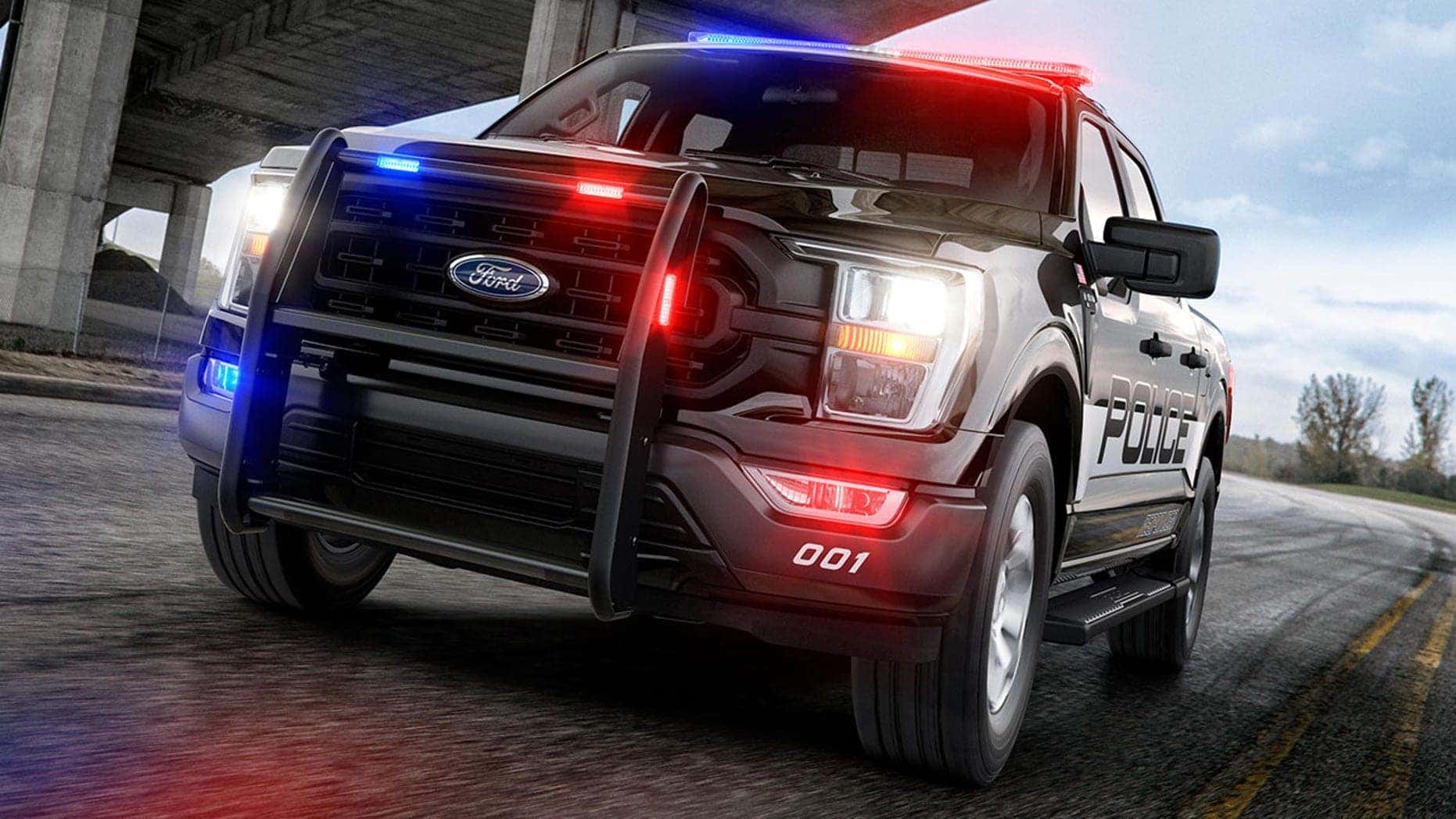
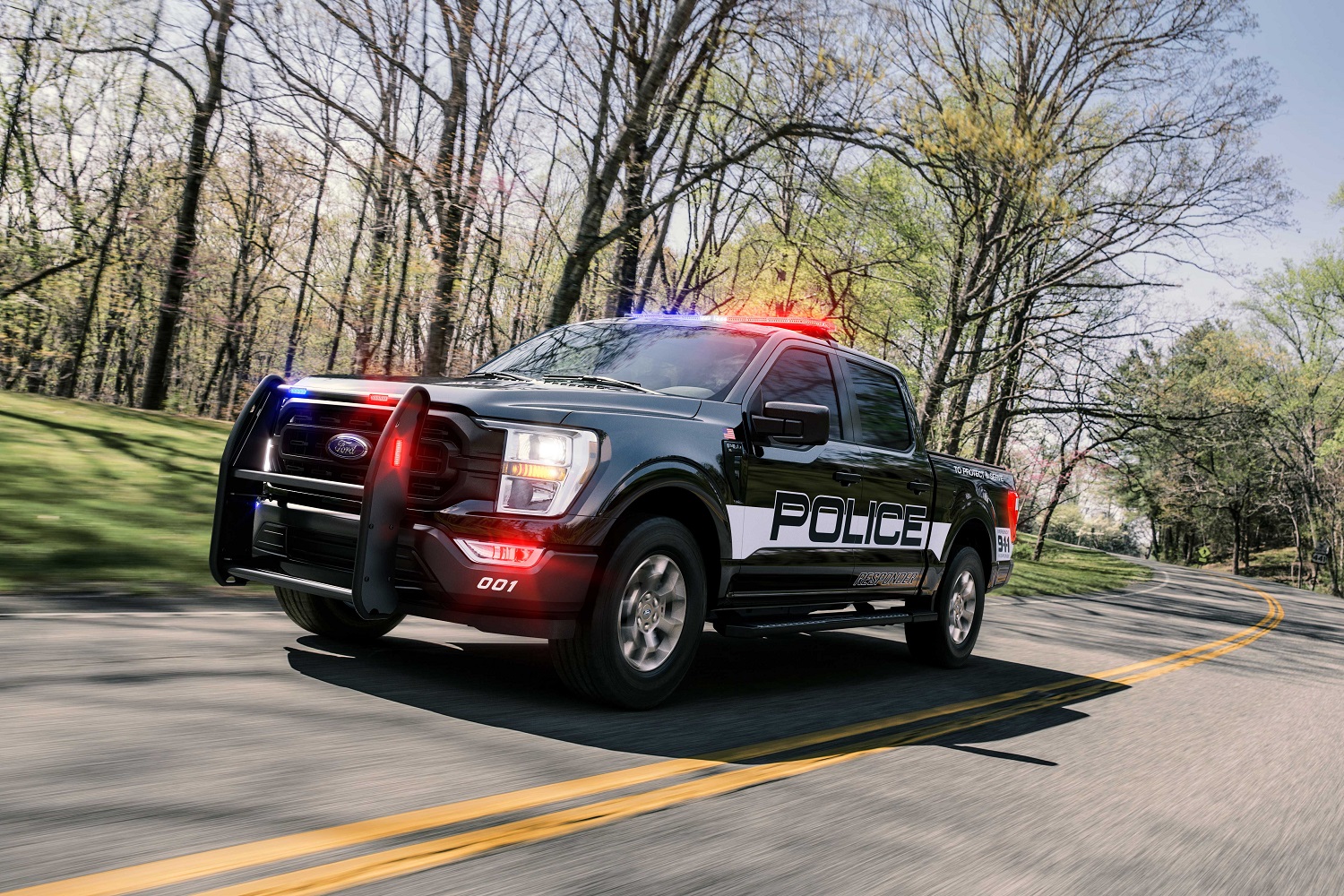
The Ford F-150 Police Responder is the industry’s first and only pursuit-rated pickup truck, engineered to combine off-road capability with the high-speed performance required for law enforcement. As of 2026, it remains a cornerstone for rural and specialized agencies, offering a 120-mph top speed and a 3.5-liter EcoBoost engine optimized for emergency response.
1. The Meaning of "Pursuit-Rated" Status
The primary distinction of the F-150 Police Responder is its "pursuit-rated" designation. Unlike the standard F-150 or the Special Service Vehicle (SSV) package, the Responder is specifically tested by the Michigan State Police and the Los Angeles County Sheriff’s Department. To earn this rating, a vehicle must demonstrate the ability to sustain high-speed operation, handle aggressive cornering, and maintain braking performance through rigorous 32-lap high-speed pursuit simulations.
For agencies operating in 2026, this rating is a critical liability and safety standard. It ensures that the vehicle’s cooling system, braking hardware, and suspension geometry are built to handle the thermal loads of a chase. The Responder is not merely a truck with a light bar; it is an engineered tool that allows officers to transition from highway speeds to rugged terrain without switching vehicles. This dual-purpose utility is why it has largely replaced traditional sedans in jurisdictions with varied topography.
2. Advanced Powertrain and "Torque-on-Demand"
Under the hood, the 2026 F-150 Police Responder utilizes a specially calibrated 3.5-liter EcoBoost V6 engine. This powerplant delivers 400 horsepower and 500 lb.-ft. of torque, providing the low-end grunt necessary for heavy payloads and the high-end power for high-speed intercepts. However, the true secret to its performance is the transfer case.
The Responder features a "Torque-on-Demand" transfer case, a piece of hardware shared with the high-performance F-150 Raptor. This system includes a 4-Auto mode that can automatically shift torque between the front and rear wheels based on traction needs. In a pursuit scenario, this allows the truck to maintain grip on wet or loose pavement more effectively than a standard 4WD system. When paired with the 10-speed SelectShift automatic transmission, the truck can achieve a 0-60 mph time in the sub-six-second range, which is competitive with many traditional pursuit sedans.
3. Specialized Braking and High-Speed Tires
Stopping a 5,000-pound truck from 120 mph requires significant thermal management. The F-150 Police Responder is equipped with upgraded brake calipers and unique friction materials designed to resist brake fade. During official testing, these brakes must endure repetitive high-deceleration stops without losing effectiveness—a common failure point in civilian-spec trucks.
The tires are equally specialized. Ford partnered with Goodyear to develop the Wrangler Enforcer A/T tires. Standard all-terrain tires are usually speed-limited due to heat buildup in the tread blocks. The Enforcer A/T, however, is designed with a compound and carcass structure that can handle sustained 120-mph speeds while still providing the "bite" needed for off-road environments. This eliminates the need for agencies to choose between high-speed safety and off-road capability.
4. Interior Ergonomics for Law Enforcement
The interior of the Responder is heavily modified to accommodate the unique needs of a uniformed officer. One of the most significant changes is the relocation of the shifter. While many civilian F-150s use a center-console shifter, the Responder utilizes a column shifter. This design choice clears the center console area, providing a "flat floor" for the installation of aftermarket police consoles, laptops, radios, and weapon mounts.
The seats are also purpose-built. They feature heavy-duty cloth upholstery and "slim" bolsters to accommodate the extra width of a duty belt and sidearm. Furthermore, the seatbacks are fitted with built-in steel intrusion plates to protect officers from potential threats originating from the rear passenger area. These modifications demonstrate that the vehicle is designed as a mobile office first, with comfort and safety prioritized for long shifts.
5. Police Engine Idle and Electrical Capacity
Modern police vehicles are essentially mobile power plants. They must support light bars, sirens, dual-band radios, mobile data terminals (MDTs), and specialized cameras. The F-150 Police Responder addresses this with a high-output 240-amp alternator.
A standout feature is the Police Engine Idle system. This technology allows an officer to remove the key from the ignition and exit the vehicle while leaving the engine running. This keeps the climate control active and, more importantly, ensures that the battery does not drain while the extensive lighting and electronic suites are in operation. If someone attempts to drive the vehicle without the key or fob present, the system will lock the transmission or stall the engine, preventing theft while the officer is away from the cab.
6. Towing, Payload, and Tactical Versatility
One of the primary reasons agencies choose the F-150 over the Ford Police Interceptor Utility (Explorer) is its superior hauling capability. The 2026 Responder comes standard with a 7,000-pound towing capacity, which can be upgraded to 11,200 pounds with the optional trailer tow package.
This makes the Responder the ideal vehicle for specialized units, such as:
- K9 Units: The bed provides ample space for climate-controlled kennels and gear.
- Search and Rescue: The 4WD capability allows access to remote trailheads with heavy rescue equipment.
- Marine Patrol: Easily launches boats and jet skis that exceed the towing limits of smaller SUVs.
- Border Patrol: The combination of ground clearance and pursuit speed is essential for vast, unpaved jurisdictions.
| Feature | F-150 Police Responder (2026) | Standard F-150 (XL/XLT) |
|---|---|---|
| Top Speed | 120 mph (Pursuit Rated) | 105-110 mph (Electronic Limit) |
| Transfer Case | Torque-on-Demand (4-Auto) | Standard Part-Time 4WD |
| Shifter Location | Column-Mounted | Console or Column (Varies) |
| Tires | Goodyear Wrangler Enforcer A/T | Standard All-Terrain or All-Season |
| Alternator | 240-Amp High-Output | 200-Amp Standard |
| Brakes | Heavy-Duty Pursuit Calipers | Standard Duty |
| Intrusion Plates | Integrated Steel in Front Seats | Not Available |
7. Lifecycle Costs and Resale Value
From a fleet management perspective, the F-150 Police Responder offers a compelling Total Cost of Ownership (TCO). While the initial purchase price may be higher than a sedan, pickup trucks traditionally hold their value much better in the secondary market. When an agency retires a vehicle after 100,000 miles, a used 4WD F-150 is significantly easier to sell to the public or private contractors than a high-mileage Interceptor sedan.
Furthermore, Ford’s integrated telematics system provides fleet managers with real-time data on fuel consumption, idle time, and maintenance needs. This data-driven approach allows agencies to optimize their service intervals and reduce downtime. In 2026, the use of aluminum-alloy body panels also continues to be a benefit in "salt belt" states, as it resists the corrosion that often shortens the life of steel-bodied fleet vehicles.
Frequently Asked Questions
Is the F-150 Police Responder available for civilian purchase?
No, the F-150 Police Responder is sold exclusively to law enforcement agencies and government fleets through Ford's fleet program. However, these vehicles often enter the civilian market through government auctions once they have been retired from service. When buying used, it is important to check the service records, as police duty involves high idle hours which are harder on the engine than standard mileage.
How does the 120-mph top speed affect fuel economy?
While the truck is capable of high speeds, its everyday fuel economy is comparable to a standard 3.5L EcoBoost F-150. The 10-speed transmission helps maintain efficiency during highway cruising. However, the "Police Engine Idle" and the aerodynamic drag of roof-mounted light bars typically result in a lower "real-world" MPG for active-duty vehicles compared to civilian counterparts.
What is the difference between the SSV and the Police Responder?
The Special Service Vehicle (SSV) is a package available for the F-150 and Expedition designed for non-emergency roles like transport or administrative use. It is not pursuit-rated. The Police Responder is a distinct model with specific engineering upgrades to the brakes, cooling, tires, and suspension that allow for high-speed emergency response and pursuit.
Does the F-150 Responder have a specialized suspension?
Yes. The Responder includes the FX4 Off-Road package components as a baseline, which includes off-road tuned shocks and skid plates. However, Ford engineers also tune the spring rates and stabilizers to ensure that the vehicle remains planted during high-speed lane changes and aggressive cornering on asphalt, balancing its off-road DNA with on-road stability.
Can the Responder be equipped with a hybrid powertrain?
As of 2026, the primary pursuit-rated offering remains the 3.5L EcoBoost. While Ford offers a PowerBoost hybrid for civilian F-150s, the Police Responder's pursuit rating depends on the proven thermal management and weight distribution of the EcoBoost platform. Some agencies use the non-pursuit SSV Hybrid for administrative roles where fuel savings during idling are the priority.
Final Recommendation for Fleet Managers
The Ford F-150 Police Responder is the most versatile vehicle in the current law enforcement landscape. For agencies that require a single vehicle to handle highway interdiction, rural patrol, and heavy-duty towing, it has no direct competitor. When configuring a fleet in 2026, prioritize the inclusion of the Ford Telematics system to maximize the vehicle's lifespan and ensure that the Trailer Tow Package is selected if there is any requirement for mobile command or marine unit transport. For urban-only environments, the Police Interceptor Utility remains more maneuverable, but for any jurisdiction with unpaved roads or diverse mission requirements, the Responder is the superior investment.
For further technical specifications and procurement guidelines, refer to the Ford Pro Fleet official site or the latest Michigan State Police Vehicle Test results. Safety data can be verified through the NHTSA database.