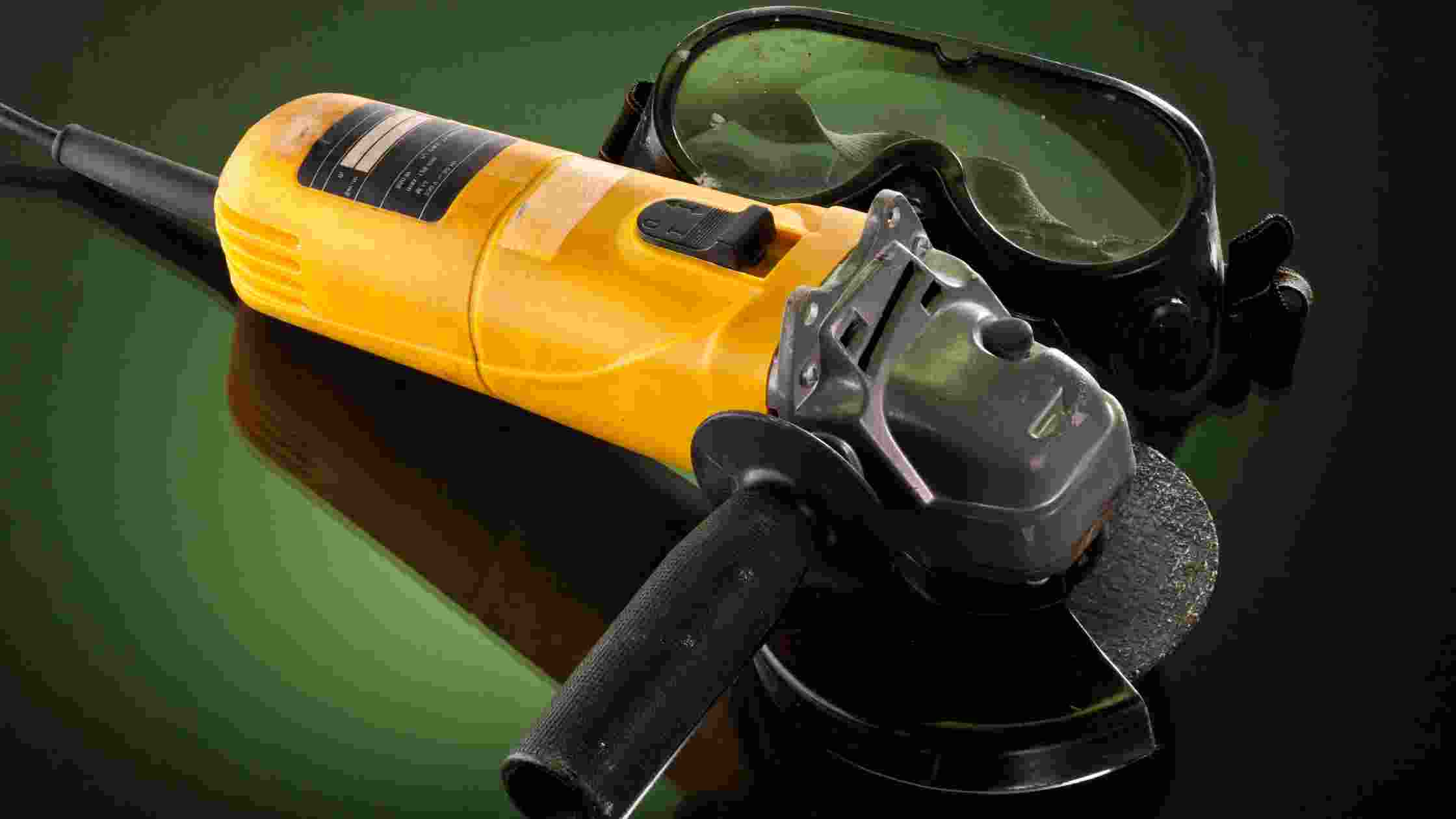
A 7-inch angle grinder is a heavy-duty, high-torque power tool engineered for demanding industrial tasks such as cutting thick metal, grinding large welds, and surfacing masonry. Unlike smaller, more nimble 4.5-inch models, the 7-inch variant provides the necessary reach, power, and structural durability required for professional fabrication, heavy construction, and large-scale material removal.
Defining the 7-Inch Angle Grinder Class
Angle grinders are categorized primarily by the diameter of the abrasive disc they are designed to accommodate. The 7-inch class occupies the middle-to-high ground in the tool hierarchy, sitting between the handheld 4.5-to-5-inch models and the massive, often unwieldy 9-inch industrial grinders.
The "7-inch" designation is not merely a measurement of the disc; it represents a system. These tools feature larger gear housings, more robust motors—typically ranging from 12 to 15 amps—and protective guards specifically sized for the 7-inch diameter. This configuration allows for higher peripheral speeds at the edge of the disc, which is essential for efficient material removal on stubborn surfaces like structural steel or cured concrete.
Essential Components and Mechanical Requirements
To operate a 7-inch angle grinder safely and effectively, one must understand how its components differ from smaller handheld tools. The increased mass and torque require a different approach to handling and maintenance.
The Motor and Power Train
Because 7-inch grinders are built for "hogging" material, they utilize high-torque, brushed or brushless motors. In 2026, manufacturers have increasingly shifted toward brushless motor technology, which provides superior efficiency and electronic speed control (ESC). An ESC system is critical in this size class to prevent "kickback"—a violent reaction that occurs when a disc binds in the workpiece.
Guard Systems and Safety Infrastructure
The guard is the most vital safety component on any grinder. On a 7-inch unit, the guard is larger and usually features a tool-free adjustment mechanism or a secure locking pin system. Regulations governed by organizations like the Occupational Safety and Health Administration (OSHA) strictly mandate that guards must be in place during operation to protect the user from flying debris and the consequences of a shattered abrasive wheel.
Side Handles and Ergonomics
Due to the gyroscopic effect and the significant weight of these tools, they are almost exclusively designed to be used with a two-handed grip. Most 7-inch grinders feature multi-position side handles that allow the user to mount the handle on the left, right, or top of the gear housing, providing better control during horizontal or vertical cutting applications.
Technical Specifications: A Comparative Overview
Understanding the technical nuances of a 7-inch grinder helps in selecting the right tool for the job. Below is a comparison of typical features found in professional-grade 7-inch grinders.
| Feature | Typical Specification | Significance |
|---|---|---|
| Motor Amperage | 12A – 15A | Determines sustained power under load. |
| No-Load RPM | 6,000 – 8,500 | Lower RPM compared to 4.5-inch models prevents disc disintegration. |
| Weight | 10 – 14 lbs | Affects fatigue levels during extended overhead or vertical work. |
| Arbor Size | 5/8"-11 | Standard thread for mounting backing pads and wire wheels. |
| Switch Type | Dead-man / Paddle | Enhances safety by cutting power if the tool is dropped. |
Operational Guidelines and Best Practices
Operating a 7-inch angle grinder requires a higher level of situational awareness than using a standard drill or smaller grinder. The potential energy stored in a 7-inch disc spinning at 8,000 RPM is significant; if a disc fails, the shrapnel can cause severe injury.
Personal Protective Equipment (PPE)
Never operate a 7-inch grinder without a full face shield. Safety glasses alone are insufficient because, while they may protect eyes from fine dust, they cannot stop large fragments of a high-speed wheel. Additionally, heavy-duty leather gloves and flame-resistant clothing are required, as grinding produces molten sparks that can easily burn through synthetic materials.
Disc Selection and Compatibility
Ensure that every disc or wheel used is rated for at least the maximum RPM of the grinder. Using a 7-inch abrasive wheel that is not rated for the speed of your specific motor is a major safety violation. Furthermore, always inspect discs for cracks or "nicks" before mounting. A visual inspection followed by a "ring test" (tapping the disc gently; a cracked wheel will produce a dull thud instead of a clear ringing sound) is recommended.
Cutting vs. Grinding Discs
Never use a grinding disc—which is thick and reinforced for edge-side pressure—for cutting tasks. Conversely, never use a thin cutting wheel for grinding operations. Applying side pressure to a thin cutting wheel causes it to shatter instantly. Always match the accessory to the intended vector of force.
Common Troubleshooting and Maintenance
Even the most robust 7-inch grinders require routine maintenance to ensure longevity.
- Air Vents: Large grinders pull in significant amounts of dust. Compressed air should be used to blow out the cooling vents daily to prevent the motor from overheating.
- Brush Inspection: For brushed models, check the carbon brushes every 50–100 hours of use. If the brushes are worn down to the line marked on the component, they must be replaced to avoid damaging the armature.
- Gear Housing Lubrication: Professional tools often require a grease check every six months. Using the manufacturer-recommended lubricant is essential, as the wrong consistency can cause the gears to overheat and strip.
Frequently Asked Questions
Can I use a 7-inch disc on a 4.5-inch grinder?
No. Never attempt to fit a 7-inch disc onto a 4.5-inch grinder. Aside from the mechanical impossibility of fitting the arbor, a 4.5-inch grinder spins at a much higher RPM (typically 11,000+). A 7-inch disc is physically incapable of withstanding those rotational forces and will shatter almost immediately.
Why do 7-inch grinders have lower RPMs than smaller ones?
The RPM limit is dictated by the surface speed of the disc edge. As the diameter increases, the linear speed at the edge of the disc increases even if the rotational speed remains the same. Lowering the RPM on larger grinders keeps the peripheral speed within the structural limits of the abrasive material.
Is a 7-inch grinder suitable for detail metal work?
Generally, no. A 7-inch grinder is too heavy and aggressive for detailed fabrication. It is designed for bulk material removal. For detail work, such as cleaning up small welds or deburring, a 4.5-inch or 5-inch grinder is the appropriate tool.
What is the advantage of a "dead-man" switch?
A dead-man switch, or paddle switch, requires constant pressure to keep the tool running. If the user loses their grip or drops the tool, the switch automatically cuts power, significantly reducing the risk of a "runaway" tool damaging the workpiece or the operator.
How do I store my grinding discs?
Discs should be stored in a dry environment, laid flat on a level surface, and protected from moisture. Moisture can compromise the bonding agents in abrasive wheels, making them prone to disintegration during use.
Expert Recommendation for Selection
When selecting a 7-inch angle grinder, prioritize tools that feature electronic overload protection and vibration-dampening handles. If you are working in a shop environment with access to power, a corded 15-amp model remains the industry standard for sustained, heavy-duty output. If your work involves field installations, modern 2026-era high-capacity battery platforms provide comparable torque but with the added benefit of portability, provided you have a sufficient inventory of batteries to manage the high power consumption inherent to this tool class. Always test the tool's balance in your hands before purchase, as the weight distribution significantly influences control during long-duration grinding tasks.