The Eisenhower-Johnson Memorial Tunnel on Interstate 70 in Colorado is one of the highest vehicular tunnels in the world, piercing the Continental Divide at an elevation of over 11,000 feet. Operating as a critical engineering marvel and transportation corridor, it handles millions of heavy commercial and passenger vehicles annually while battling extreme weather, high altitudes, and complex ventilation challenges.
1. Exceptional Elevation and Continental Divide Geography
The I-70 Eisenhower-Johnson Memorial Tunnel sits at an extraordinary altitude, making it a defining feature of the American Interstate Highway System. The eastbound bore, named the Edwin C. Johnson Tunnel, sits at an elevation of 11,013 feet (3,357 meters) at its western portal, while the westbound bore, the J. David Eisenhower Tunnel, sits slightly higher at 11,158 feet (3,399 meters) at its eastern portal.
Located approximately 60 miles west of Denver, the tunnel bores straight through the Continental Divide under Loveland Pass. Because the highway climbs so high before entering the mountains, motorists frequently experience vehicle performance issues due to thinner air and lower atmospheric pressure. Engines produce less horsepower, and drivers who are not acclimatized to high altitudes may experience symptoms of altitude sickness. The tunnel eliminates the need for commercial and passenger traffic to navigate the treacherous, steep switchbacks of Loveland Pass during winter storms, although the pass remains open as an alternate route for hazardous materials and oversized vehicles that are prohibited inside the tunnel.
2. Dual-Bore Construction and Structural Dimensions
To handle bidirectional traffic efficiently across the Rocky Mountains, the corridor consists of two separate, parallel tunnel bores. The Eisenhower Tunnel (westbound) was completed first, opening on March 8, 1973. Due to rapidly growing traffic volumes, the Johnson Tunnel (eastbound) was subsequently excavated and opened on December 21, 1979.
Each bore is approximately 1.69 miles (2.72 kilometers) long, making them among the longest mountain tunnels in the United States. Inside, the tunnels feature standard two-lane highway configurations with vertical clearances that require strict height monitoring. The construction required removing millions of cubic yards of granite and gneiss, utilizing massive steel ribs, rock bolts, and thick concrete linings to stabilize the fractured mountain rock. Engineers had to cut through complex geological fault zones, dealing with continuous water seepage and extreme rock pressure throughout the excavation process.
3. Massive Ventilation and Air Quality Engineering
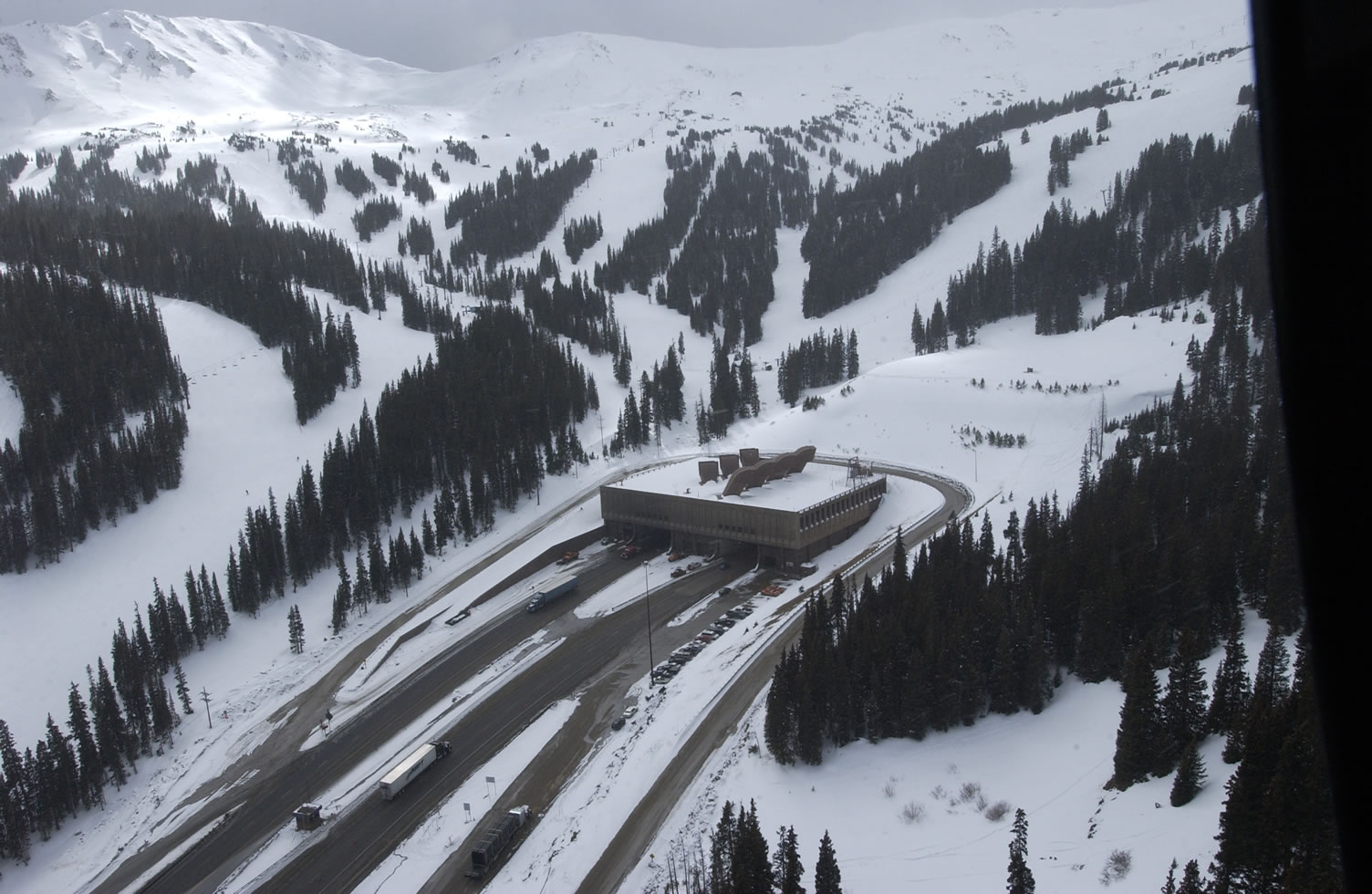
Maintaining breathable air inside a nearly 1.7-mile-long tunnel carrying thousands of gasoline and diesel vehicles per hour requires an industrial-scale ventilation system. The Eisenhower-Johnson Memorial Tunnel utilizes four massive ventilation buildings—two for each bore—equipped with giant fans that actively circulate air.
These ventilation systems function in multiple ways depending on real-time air quality metrics. Carbon monoxide, nitrogen dioxide, and particulate matter levels are monitored continuously by sensors throughout the tubes. If pollutant concentrations rise, the fans shift speeds to push fresh air in and exhaust contaminated air out through vertical shafts drilled deep into the mountain or through the tunnel portals. Without these complex mechanical ventilation networks, vehicle emissions would quickly render the underground environment hazardous for motorists and tunnel staff.
4. Strict Safety Regulations and Hazardous Material Restrictions
Because an accident or fire inside an enclosed mountain tunnel carries catastrophic risks, the Colorado Department of Transportation (CDOT) enforces strict operational and safety protocols. Certain vehicles are entirely prohibited from entering the tunnel to minimize the risk of toxic spills, explosions, or major fires.
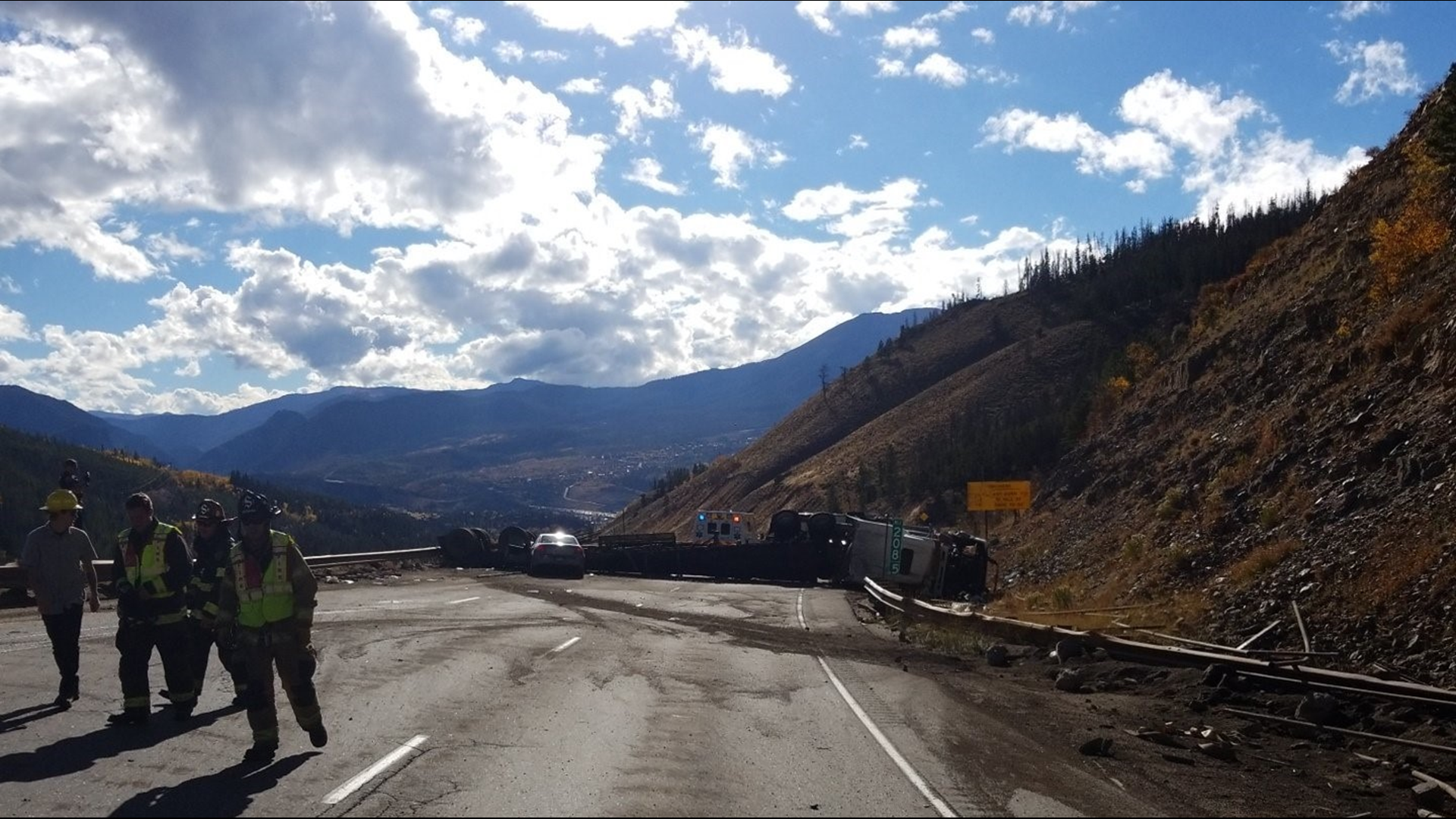
Vehicles carrying hazardous materials (HazMat), explosives, radioactive substances, or excessive amounts of compressed gas must use Loveland Pass rather than the tunnel. Additionally, commercial trucks are subject to strict brake-check mandates before descending toward the portals. CDOT personnel also enforce the Colorado Traction Law and Passenger Vehicle Chain Law during winter storms, requiring all motorists to have adequate tires, chains, or all-wheel-drive capabilities to prevent spinouts that could block the tunnel bores.
5. Traffic Management and Chain-Up Operations
Managing the flow of traffic through the Eisenhower-Johnson Memorial Tunnel requires continuous coordination between CDOT traffic operators, the Colorado State Patrol, and maintenance crews. During peak ski season weekends, holidays, and severe winter weather events, heavy congestion frequently forms on the approaches to the tunnel.
To manage volume and prevent gridlock inside the bores, CDOT utilizes automated safety gates, variable speed limit signs, and metering lights before the tunnel entrances. Metering helps control the density of vehicles entering the tunnel, reducing the likelihood of rear-end collisions or sudden slowdowns underground. Furthermore, maintenance crews regularly perform overnight lane closures for washing, lighting repairs, drainage maintenance, and safety equipment testing.
6. Economic Lifeline for Colorado Tourism and Commerce
Interstate 70 is the primary economic artery connecting Denver and the eastern plains of Colorado to the Western Slope and major mountain resort communities such as Vail, Breckenridge, Keystone, Copper Mountain, and Aspen. The tunnel serves as the crucial link that makes this trans-mountain highway viable year-round.
Millions of travelers pass through the tunnel annually, supporting Colorado's multi-billion-dollar tourism, skiing, and outdoor recreation industries. Beyond tourism, the tunnel is an essential commercial freight corridor. Trucks carrying goods, food, fuel, and supplies between the Denver metropolitan area and western communities rely on the I-70 corridor daily. Any extended closure of the tunnel due to an accident, weather event, or maintenance emergency causes significant economic disruption and forces freight traffic onto lengthy detours over alternative mountain passes.
7. Operational Challenges and Future Modernization Plans
Operating and maintaining infrastructure at over 11,000 feet presents constant engineering challenges. Freeze-thaw cycles, corrosive deicing chemicals, heavy snow loads, and aging mechanical systems require continuous repair and capital investment by CDOT. Water management is a perennial task, as millions of gallons of groundwater continually seep through the rock fissures and must be collected and drained away from the roadway.
In recent years, CDOT has focused heavily on modernizing the tunnel's electrical grids, fire suppression systems, and digital monitoring technologies. Upgrades include advanced LED lighting, enhanced closed-circuit television (CCTV) coverage, and improved emergency communication systems to ensure rapid response times in the event of an incident. Planning also continues for future operational improvements to address growing traffic volumes along the entire Mountain Corridor.
| Tunnel Feature | Eisenhower Bore (Westbound) | Johnson Bore (Eastbound) |
|---|---|---|
| Opening Year | 1973 | 1979 |
| Length | ~1.69 miles (2.72 km) | ~1.69 miles (2.72 km) |
| Portal Elevation | 11,158 feet (3,399 meters) | 11,013 feet (3,357 meters) |
| Lanes | 2 Lanes (Westbound) | 2 Lanes (Eastbound) |
| Designation | Interstate 70 | Interstate 70 |
Frequently Asked Questions
Can all vehicles drive through the Eisenhower Tunnel?
No. Vehicles carrying hazardous materials, explosives, and certain combustible loads are strictly prohibited from using the tunnel and must take Loveland Pass instead. Additionally, oversized loads that exceed height and width limits are barred from entry.
Why is traffic often congested near the tunnel?
Congestion is primarily caused by high traffic volumes during peak ski seasons, weekend travel, and winter weather events. Speed restrictions, metering lights, and drivers slowing down upon entering the tunnel frequently create bottlenecks on the steep approach grades.
What happens if a vehicle breaks down inside the tunnel?
CDOT maintains dedicated incident response teams stationed at both portals. If a vehicle breaks down or an accident occurs, operators detect it via cameras and sensors, dispatch towing and emergency services immediately, and use overhead lane control signals to close affected lanes and reroute traffic safely.
Is there an alternative route if the tunnel is closed?
Yes. When the tunnel is closed due to accidents, severe weather, or maintenance, traffic is detoured over U.S. Highway 6 across Loveland Pass. This mountain pass route is steeper, features sharp switchbacks, and requires careful driving, especially in winter conditions.
How do drivers cope with the high altitude?
The tunnel sits at over 11,000 feet, where lower oxygen levels can affect both vehicles and humans. Drivers should ensure their vehicles are well-maintained, monitor engine temperatures, and stay hydrated. Individuals prone to altitude sickness should rest if they feel dizzy or short of breath upon exiting their vehicles.
To ensure a smooth journey through the Colorado Rockies, always check real-time road conditions and traction law statuses via CDOT's official traveler information channels before heading toward the Eisenhower-Johnson Memorial Tunnel.