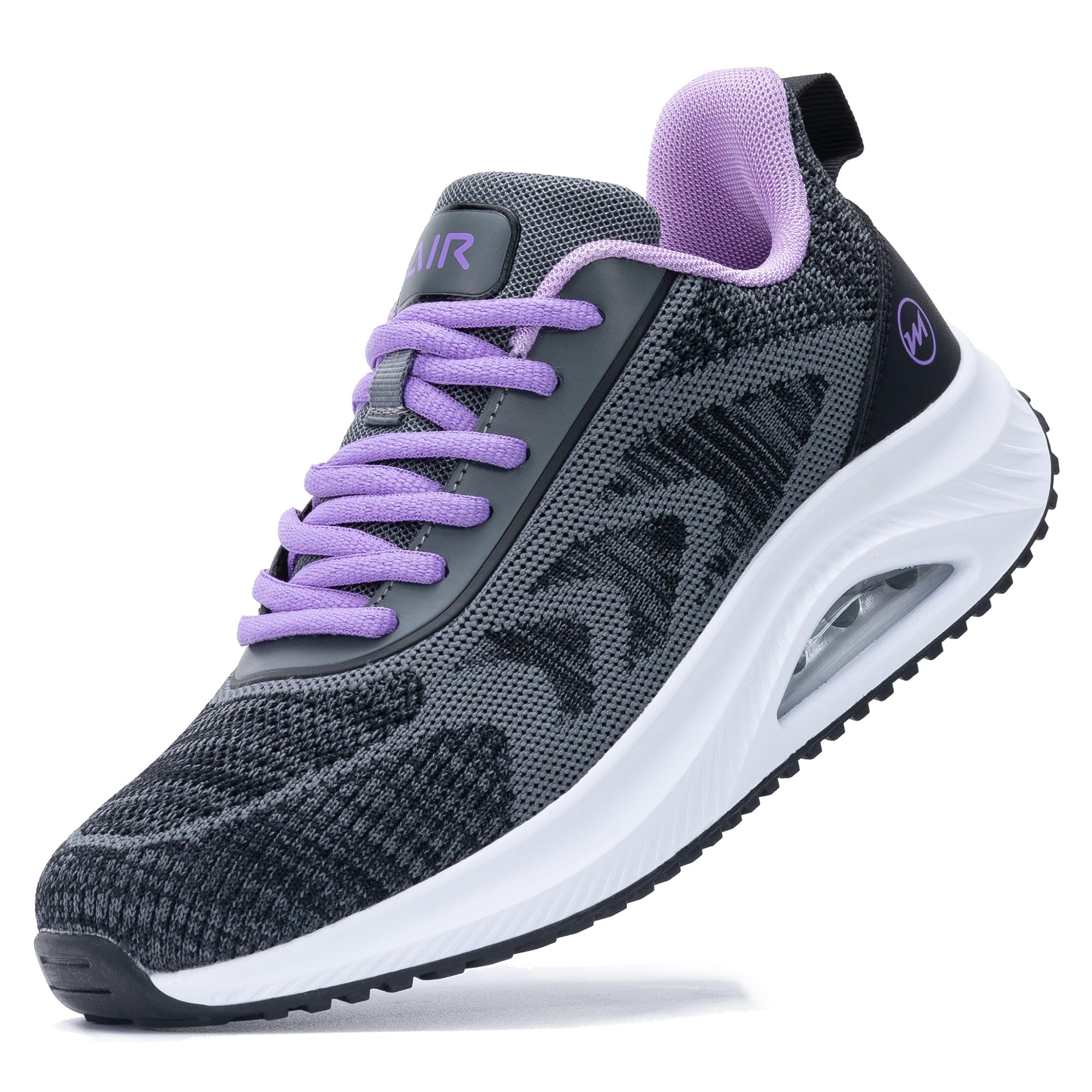
Finding the right exercise shoes when dealing with plantar fasciitis is essential for managing heel pain, reducing inflammation in the plantar fascia ligament, and maintaining a consistent fitness routine. The best exercise shoes for plantar fasciitis combine rigid heel counters, firm midsoles with adequate arch support, and comfortable cushioning to absorb impact forces during walking, running, or gym workouts.
Plantar fasciitis is one of the most common causes of heel pain, characterized by a stabbing sensation that typically occurs with the first steps in the morning or after a period of rest. For individuals who enjoy staying active, high-impact movements, inadequate foot support, and insufficient shock absorption can exacerbate this condition, making the choice of footwear a critical component of recovery and daily comfort. When the plantar fascia—the thick band of tissue connecting your heel bone to your toes—is subjected to repetitive stress without proper mechanical guidance, micro-tears and chronic irritation can occur.
Selecting specialized athletic footwear designed to mitigate these forces can dramatically alter your exercise experience. Below is an exhaustive breakdown of the five best exercise shoes tailored for individuals managing plantar fasciitis, structured to help you choose the ideal pair for your specific biomechanical needs, foot shape, and workout regimen.
Understanding Plantar Fasciitis and Exercise Footwear
Before evaluating specific models, it is important to understand the mechanical requirements of a shoe designed for plantar fasciitis. Standard athletic shoes often feature flexible midsoles that allow the foot to bend excessively, straining the arch and placing undue tension on the plantar fascia. Conversely, therapeutic and orthopedic-grade exercise shoes prioritize structural integrity.
Key features to look for in exercise shoes for plantar fasciitis include:
- Firm Arch Support: Prevents the foot from flattening or overpronating, which stretches the plantar fascia.
- Rigid Heel Counters: Stabilizes the heel and prevents excessive sideways movement, keeping the foot aligned during strides.
- Cushioned Midsoles: High-density foam or specialized air/gel pods that absorb shock and reduce the impact transmitted up the kinetic chain.
- A Rocker Bottom: Some advanced designs feature a curved sole that reduces the bend in the forefoot, minimizing stress on the toes and arch during push-off.
Disclaimer: This article provides informational content and does not constitute medical advice. If you experience severe or chronic foot pain, consult a podiatrist or orthopedic specialist for a personalized diagnosis and treatment plan.
1. Brooks Ghost Max (Best for Maximal Cushioning and Shock Absorption)
The Brooks Ghost Max is engineered for individuals who require high-volume cushioning without sacrificing stability. While standard maximum-cushion shoes can sometimes feel overly soft and unstable, the Ghost Max utilizes a balanced approach that protects sensitive heels.
Performance and Design Features
The shoe features Brooks' DNA Loft v2 foam, which provides a plush underfoot feel while maintaining durability over high mileage. Its standout characteristic for plantar fasciitis sufferers is the GlideRoll Rocker technology. This curved sole geometry actively assists the heel-to-toe transition, minimizing the amount of work the foot muscles and fascia must perform during the propulsive phase of your stride.
- Pros: Exceptional shock absorption for heel strikers; rocker sole reduces forefoot and arch strain; wide base provides inherent stability.
- Cons: High stack height may feel bulky for agile, lateral movements; plush upper can feel warm in hot climates.
Ideal Use Cases
The Brooks Ghost Max excels in road walking, recovery runs, and long hours spent standing on hard surfaces. If your plantar fasciitis flares up primarily from impact shock during heel strike, this model offers elite-level protection.
2. HOKA Bondi 8 (Best Maximum Cushioning for High-Impact Workouts)
HOKA is a brand synonymous with maximalist footwear, and the HOKA Bondi 8 represents the pinnacle of their cushioned lineup. Known for its distinctively thick midsole, the Bondi 8 is a favorite among walkers and runners dealing with chronic lower extremity discomfort.
Performance and Design Features
The Bondi 8 features a lightweight, resilient foam midsole that delivers maximum shock attenuation. For plantar fasciitis sufferers, this thick layer of foam acts as a buffer between the heel and the ground, significantly lessening the concussive force that irritates the plantar fascia insertion point. Additionally, the shoe incorporates an early-stage meta-rocker, which promotes a smooth roll through each step cycle.
- Pros: Unmatched vertical cushioning; excellent for relieving direct heel pressure; stable, broad platform.
- Cons: The extremely high platform requires an adjustment period; less responsive for speed training or explosive movements.
Ideal Use Cases
The HOKA Bondi 8 is ideal for walking regimens, treadmill sessions, and low-impact cross-training. It is particularly suited for individuals with a high arch who need a plush landing platform that dampens ground reaction forces.
3. Asics Gel-Kayano 30 (Best for Stability and Overpronation Support)
Many cases of plantar fasciitis are directly linked to overpronation—a biomechanical flaw where the foot rolls inward excessively upon impact. The Asics Gel-Kayano 30 addresses this root cause by combining advanced stability systems with targeted cushioning.
Performance and Design Features
Unlike previous versions that relied on a hard plastic post to correct overpronation, the Kayano 30 introduces the 4D Guidance System. This holistic design works in harmony with the foot's natural movement to provide adaptive stability. It also incorporates PureGEL technology in the heel, which is softer and more shock-absorbent than traditional gel units, paired with FF Blast Plus ECO foam for a supportive, energetic ride.
- Pros: Superior arch and stability support; excellent for overpronators; durable outsole rubber for longevity.
- Cons: Firm stability features may feel restrictive for neutral runners; higher price point.
Ideal Use Cases
If your podiatrist has told you that your plantar fasciitis is aggravated by flat feet or severe overpronation, the Asics Gel-Kayano 30 is an industry-standard remedy. It is well-suited for road running, fitness walking, and high-mileage training.
4. Saucony Guide 16 (Best Lightweight Stability Option)
For runners and fitness enthusiasts who require structural support to protect their arches but dislike the heavy, bulky feel of traditional stability shoes, the Saucony Guide 16 offers a streamlined alternative.
Performance and Design Features
The Guide 16 utilizes a hollowed-out FORMFIT design that cradles the foot from every angle, working alongside a firm TPU medial support frame to gently guide the foot through a neutral path. The PWRRUN foam midsole provides a balanced feel—not too soft, not too firm—ensuring that energy return is efficient while the arch remains supported.
- Pros: Lightweight construction reduces leg fatigue; reliable, non-intrusive arch guidance; comfortable step-in feel.
- Cons: Cushioning is firmer than maximalist options like the Bondi or Ghost Max; upper mesh can wear out faster under heavy lateral stress.
Ideal Use Cases
The Saucony Guide 16 is well-suited for gym workouts, light running, and daily fitness walking. It provides the necessary stiffness under the midfoot to prevent the arch from collapsing during exercise.
5. Brooks Adrenaline GTS 23 (Best Overall Balance of Cushioning and Support)
The Brooks Adrenaline GTS 23 (Go-To Support) has long been a staple in the athletic footwear market, frequently recommended by medical professionals for runners and walkers dealing with lower limb ailments.
Performance and Design Features
The core of the Adrenaline GTS 23 is its proprietary GuideRails technology. Rather than actively pushing your foot into a specific position, GuideRails act like bumpers on a bowling alley, keeping excess movement—specifically knee and ankle rotation—in check. Combined with DNA LOFT v2 cushioning, the shoe offers a reliable blend of softness and structural guidance.
- Pros: Trusted, time-tested stability system; smooth heel-to-toe transitions; available in multiple width options.
- Cons: Traditional design lacks the ultra-plush feel of maximalist shoes; firmer ride may not appeal to those seeking pure softness.
Ideal Use Cases
This shoe is exceptionally versatile. It performs reliably during gym sessions, group fitness classes, outdoor running, and power-walking routines. Its range of width fittings also makes it easy to accommodate custom orthotics if your treatment plan requires them.
Comparison of Recommended Exercise Shoes
| Shoe Model | Primary Focus | Best For | Key Technology | Cushioning Level |
|---|---|---|---|---|
| Brooks Ghost Max | Maximal Cushioning | Shock absorption & recovery | DNA Loft v2 & GlideRoll Rocker | Maximum |
| HOKA Bondi 8 | Ultra-Plush Comfort | High-impact treadmill & road walking | Thick EVA foam & Early-stage rocker | Maximum |
| Asics Gel-Kayano 30 | Overpronation Support | Flat feet & severe overpronation | 4D Guidance System & PureGEL | Moderate-High |
| Saucony Guide 16 | Lightweight Stability | Dynamic workouts & light running | PWRRUN foam & TPU guidance frame | Moderate |
| Brooks Adrenaline GTS 23 | Versatile Support | General fitness & daily walking | GuideRails holisitic support | Moderate |
Key Considerations When Buying and Using Exercise Shoes
Purchasing the correct shoe is only the first step in managing plantar fasciitis through exercise. Proper maintenance, fit adjustments, and integration practices dictate long-term success.
1. Sizing and Width
Swelling during exercise can cause feet to expand. Ensure there is approximately a thumb’s width of space between your longest toe and the front of the shoe. Furthermore, if you wear custom orthotic inserts, you may need to purchase shoes in a wider width (e.g., Wide 2E or Extra Wide 4E) to accommodate the extra volume without compressing your foot.
2. Lifespan and Replacement
Athletic shoes lose their structural integrity and shock-absorption capabilities long before the tread completely wears out. For most exercise shoes, the supportive foam midsoles degrade after approximately 300 to 500 miles of use, or roughly 6 to 12 months of regular wear. Continuing to exercise in degraded shoes will cause plantar fasciitis symptoms to return.
3. Gradual Re-entry to Exercise
Even with the best supportive footwear, jumping back into high-intensity training too quickly can re-injure the plantar fascia. Gradually increase your mileage or workout duration, and always incorporate proper pre-exercise warm-ups, dynamic stretches, and post-exercise calf stretching.
Frequently Asked Questions
Can I run or exercise with plantar fasciitis?
Yes, but you must modify your intensity and choose low-impact alternatives if high-impact movements cause sharp pain. Cross-training activities like cycling, swimming, and rowing allow you to maintain cardiovascular fitness without subjecting the plantar fascia to repetitive ground-strike forces. If you run, stick to softer surfaces like synthetic tracks or treadmills rather than hard concrete, and wear supportive shoes like the models listed above.
Do I need custom orthotics, or are stock shoe insoles enough?
Many modern exercise shoes with robust stability features and firm arch support provide sufficient correction for mild to moderate plantar fasciitis. However, if your condition is severe or if a podiatrist has identified unique structural anomalies in your gait, custom prescription orthotics or high-quality over-the-counter insoles (such as Powerstep or Superfeet) may be necessary inside a neutral or spacious shoe model.
How do I know if my exercise shoes are providing enough arch support?
Perform the twist test. Hold the heel and toe of the shoe and attempt to twist them in opposite directions. A supportive shoe for plantar fasciitis should offer significant resistance in the midfoot and only bend at the ball of the foot where your toes naturally flex. If the shoe twists or folds easily in the middle, it lacks the structural rigidity required to protect your arch.
Should I stretch before working out with plantar fasciitis?
Static stretching should generally be avoided before exercise, as cold fascia is more prone to strain. Instead, perform dynamic warm-ups to increase blood flow to the lower extremities. Save deep static stretches—such as calf stretches against a wall and towel stretches for the arch—for after your workout or first thing in the morning before taking your initial steps.
Final Recommendation
Managing plantar fasciitis while maintaining an active lifestyle requires prioritizing structural support and shock absorption over minimalist design. If your primary symptom is intense heel shock, prioritize maximalist cushioned models like the Brooks Ghost Max or HOKA Bondi 8. If your pain is driven by flat arches and overpronation, opt for stability-focused models like the Asics Gel-Kayano 30 or Brooks Adrenaline GTS 23. Pair your new footwear with appropriate stretching routines, monitor your mileage, and consult a medical professional if pain persists.