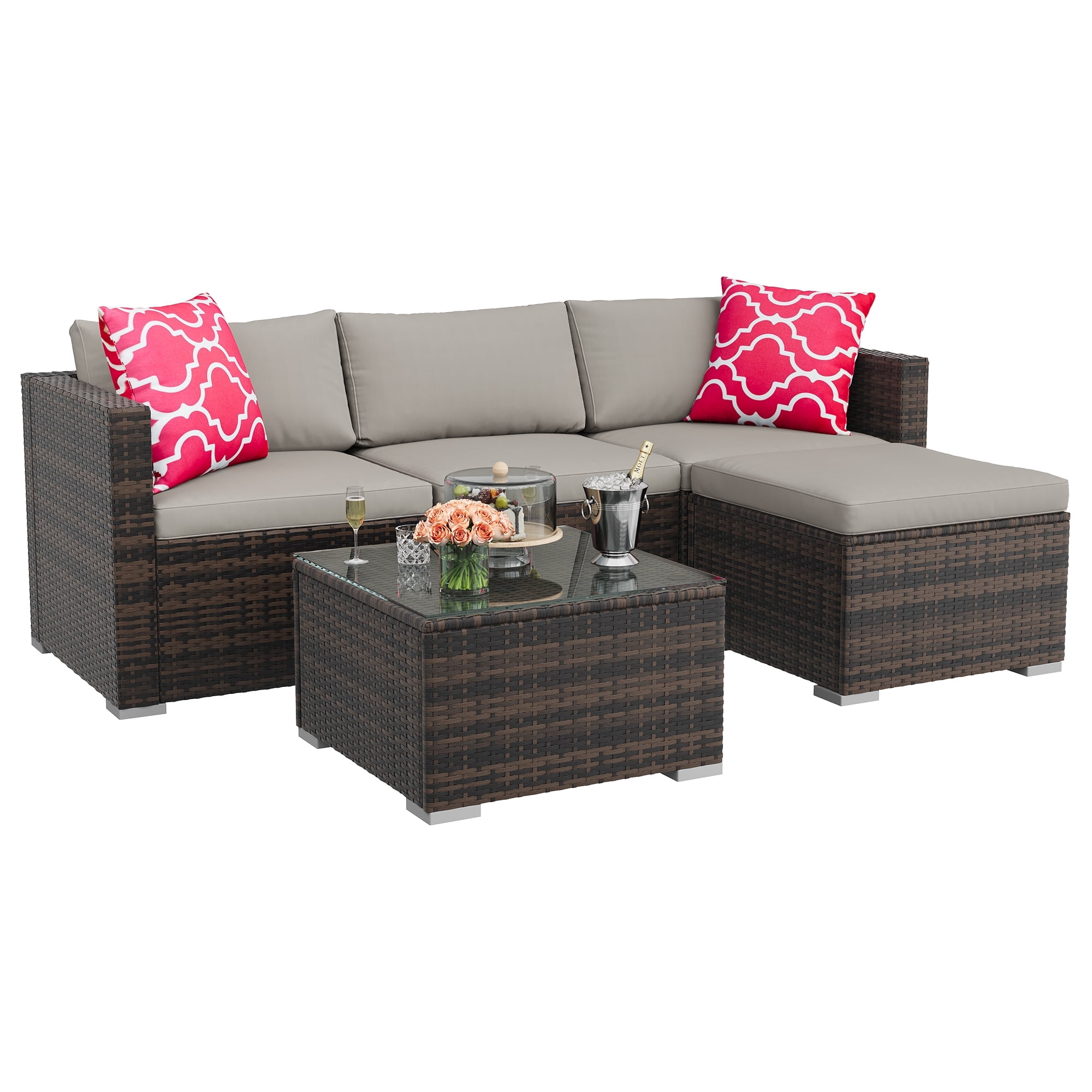
Finding furniture that withstands relentless sun, heavy rain, and seasonal temperature swings requires focusing on material engineering, frame construction, and hardware quality rather than surface aesthetics alone. The right durable outdoor furniture selection transforms a patio or deck into a resilient, low-maintenance living space that resists fading, rusting, and structural degradation for years.
When investing in patio upgrades, homeowners often struggle to separate marketing terms like "all-weather" from genuine engineering resilience. The market features dozens of materials—ranging from traditional teak and powder-coated aluminum to high-density polyethylene (HDPE) lumber—each reacting differently to environmental stressors. Understanding these structural distinctions prevents premature replacement and ensures long-term value.
This comprehensive guide evaluates five of the top-performing durable outdoor furniture picks on the market. By examining their structural composition, maintenance requirements, weathering characteristics, and ideal use cases, you can select pieces that match your local climate and lifestyle demands.
Understanding Outdoor Furniture Durability
True outdoor durability is not a single attribute; it is the combination of corrosion resistance, UV stability, moisture management, and structural integrity under dynamic wind and weight loads. Before evaluating specific product picks, buyers must understand how frame materials and weaves perform under harsh atmospheric conditions.
Frame Materials and Structural Integrity
The skeleton of any piece of outdoor furniture dictates its lifespan. Frames generally fall into four categories:
- Marine-Grade and Powder-Coated Aluminum: Aluminum naturally forms a protective oxide layer, preventing rust. When treated with an electrostatic powder coat, it resists chipping and scratching while remaining exceptionally lightweight.
- Teak (Tectona grandis): A dense hardwood containing natural rubber and oils that repel water, insects, and fungal decay. Over time, unfinished teak patinas to a silvery gray without losing structural strength.
- High-Density Polyethylene (HDPE) Lumber: Often sold under brand names like Polywood, HDPE lumber is made from recycled post-consumer plastics treated with UV inhibitors. It will not splinter, rot, or fade significantly.
- Wrought Iron and Stainless Steel: Wrought iron offers immense weight and classic styling but requires meticulous rust-prevention maintenance. Marine-grade stainless steel (such as Grade 316) resists salt-air corrosion far better than standard grades.
Fabric and Weave Engineering
Cushions and synthetic wicker yarns face intense solar radiation and moisture retention. Acrylic fabrics, most notably Sunbrella, solution-dye the yarn before weaving, locking color deep into the core to prevent UV bleaching. Synthetic wickers should always be made from solid HDPE or virgin PVC rather than cheap, brittle plastics that crack after a single season of sub-zero temperatures.
1. The Best Aluminum Pick: Cast and Extruded Aluminum Lounge Sets
Extruded and cast aluminum frames represent the gold standard for lightweight, corrosion-free performance. Unlike steel, aluminum does not rust when exposed to rain or pool splashes, making it ideal for coastal and high-humidity environments.
| Feature | Extruded Aluminum | Cast Aluminum |
|---|---|---|
| Manufacturing Method | Forced through a steel die (tubular) | Poured into molds (solid, ornate) |
| Weight | Very lightweight | Moderately heavy |
| Structural Profile | Sleek, modern lines | Traditional, intricate detailing |
| Wind Resistance | Requires anchoring in high winds | Stable due to added weight |
Why It Excels in Durability
Aluminum furniture relies heavily on its finish. High-end manufacturers utilize a multi-stage powder-coating process where paint is electrostatically applied and baked at high temperatures, fusing it to the metal. This barrier blocks moisture and prevents oxidation. Furthermore, because aluminum does not warp or swell, joints remain tight across extreme temperature fluctuations.
Maintenance and Practical Limitations
Maintenance requires little more than occasional washing with mild soap and water to remove airborne pollutants and salt residue. However, cheap aluminum furniture with thin-walled tubing can dent under heavy impact. Buyers should verify that frames feature reinforced internal walls and fully welded joints rather than bolted connections that loosen over time.
2. The Best Wood Pick: Grade-A Untreated Teak Deep Seating
Teak has served as a premier marine and outdoor timber for centuries due to its unique chemical composition. Grade-A teak comes from the heartwood of mature trees, boasting high concentrations of natural oils and rubber that act as built-in preservatives.
Structural Resilience and Weathering
Teak requires zero chemical sealants to survive harsh winters and scorching summers. When exposed to ultraviolet light and moisture, the surface oils oxidize, turning the honey-brown wood into a sophisticated silvery-gray patina. This color change is purely cosmetic and does not compromise the structural integrity of the timber.
Construction quality matters significantly: look for traditional mortise-and-tenon joinery secured with teak dowels or marine-grade brass and stainless steel hardware. Avoid furniture assembled with standard steel screws, which rust and stain the surrounding wood.
Upkeep Realities
While teak can remain outdoors year-round uncovered, owners can preserve its original golden color by applying a specialized teak cleaner and sealer annually. If left to patina, maintenance drops to a simple bi-annual scrubbing with a soft-bristled brush and soapy water to remove surface dirt and organic growth.
3. The Best Synthetic Lumber Pick: HDPE Adirondack Chairs and Dining Tables
High-Density Polyethylene (HDPE) lumber has revolutionized eco-friendly, all-weather outdoor furniture. Engineered from recycled milk jugs and detergent bottles, this material is infused with UV-inhibiting pigments throughout its entire thickness, ensuring scratches do not reveal a contrasting core color.
Performance in Extreme Climates
Unlike natural wood, HDPE does not absorb moisture, meaning it is entirely immune to rot, splintering, and wood-boring insects. It withstands heavy snow loads, driving rain, and intense desert heat without cracking or becoming brittle. Heavy-gauge stainless steel fasteners are typically embedded to hold the dense boards rigidly together, preventing wobble during regular use.
Cleaning and Practical Considerations
HDPE furniture requires zero staining, painting, or winter storage. Spilled wine, grease, or dirt wash away easily with warm water, dish soap, and a soft brush. For stubborn stains, a mild bleach solution can be safely applied without damaging the color. The primary drawback is weight: while heavy enough to resist typical backyard winds, HDPE is lighter than concrete or wrought iron, and dark color options can absorb significant solar heat in direct sunlight.
4. The Best Modular Sectional Pick: Resin Wicker Over Aluminum Framing
Synthetic resin wicker captures the classic, artisanal aesthetic of natural rattan without its vulnerability to moisture and UV degradation. The best modular outdoor sectionals pair high-grade polyethylene wicker hand-woven over heavy-duty, powder-coated aluminum frames.
Material Quality and UV Resistance
Inferior resin wickers made from PVC dry out, crack, and snap within two to three seasons. Premium picks utilize high-grade HDPE resin fibers engineered with advanced UV inhibitors tested to withstand thousands of hours of direct sunlight without fading or embrittlement.
Modular designs offer exceptional versatility, allowing users to reconfigure layouts to fit changing patio dimensions. Interlocking clips keep individual modules securely aligned, preventing gaps from forming during use.
Fabric Pairing and Cushion Care
Because wicker sectionals feature expansive seating areas, cushion construction is critical. Look for high-resiliency (HR) polyurethane foam cores wrapped in Dacron batting for comfortable support that bounces back after compression. Ensure cushion covers feature solution-dyed acrylic fabric and hidden rust-proof zippers for easy removal and cleaning.
5. The Best Hammock and Hanging Chair Pick: Powder-Coated Steel and Solution-Dyed Canvas
For accent seating that delivers durability in a dynamic hanging format, heavy-duty freestanding hammock stands paired with solution-dyed canvas slings offer unmatched relaxation performance.
Engineering for Load and Elements
Hanging furniture experiences dynamic stress points where joints meet. The most durable picks utilize heavy-gauge structural steel treated with a multi-layer rust-inhibitive primer and UV-resistant powder coat. Chains, hooks, and swivels should consist of forged stainless steel rated for loads significantly exceeding standard body weight to prevent fatigue failure.
Fabric and Cordage Longevity
Canvas slings and spreader-bar beds constructed from solution-dyed synthetic fabrics resist mold, mildew, and chlorine damage. Unlike cotton hammocks that rot if left damp in shaded corners, synthetic blends dry rapidly after rainstorms, eliminating fungal odors and fabric degradation.
Comparative Matrix of Durable Outdoor Furniture Picks
To assist in matching your specific regional climate, maintenance preference, and budget to the right product, review the comparative matrix below.
| Furniture Pick | Primary Material | Lifespan Expectation | Maintenance Level | Climate Suitability |
|---|---|---|---|---|
| Extruded Aluminum | Powder-Coated Al. | 15–20+ Years | Low | All climates |
| Grade-A Teak | Solid Hardwood | 25–50+ Years | Low to Moderate | All climates |
| HDPE Lumber | Recycled Plastic | 20–30+ Years | Very Low | Extreme hot/cold |
| Resin Wicker Sectional | HDPE Weave + Al. | 10–15 Years | Low | Moderate to high UV |
| Steel Hammock Stand | Structural Steel | 10–15 Years | Low | Moderate |
Common Mistakes to Avoid When Buying Outdoor Furniture
Investing in durable outdoor furniture requires avoiding several common purchasing pitfalls that lead to premature product failure.
Overlooking Hardware Quality
Many consumers inspect the primary material—such as the wood planks or aluminum tubing—while ignoring the screws, bolts, and brackets holding them together. Standard zinc-plated steel hardware rusts rapidly outdoors, leaving unsightly orange streaks and weakening structural joints. Always verify that exposed and hidden hardware consists of marine-grade stainless steel (304 or 316).
Ignoring Local Climate Pressures
A furniture piece that thrives in a dry desert environment may fail prematurely in a salty coastal zone or a freezing northern climate. Coastal buyers must prioritize marine-grade aluminum, HDPE, or teak to prevent salt corrosion. Northern buyers must ensure materials do not absorb water that expands upon freezing, which causes cracking in low-density plastics and poorly sealed woods.
Skipping Off-Season Protection Plans
Even the most durable outdoor furniture benefits from basic off-season care. Leaving cushions exposed to winter moisture invites mold growth inside foam cores. Utilizing breathable, waterproof furniture covers or storing stackable items in a shed during peak winter months significantly extends their operational lifespan.
Frequently Asked Questions
Can durable outdoor furniture stay outside during winter?
Yes, materials like HDPE lumber, Grade-A teak, and powder-coated aluminum are engineered to withstand freezing temperatures, snow, and ice year-round without requiring indoor storage. However, fabric cushions should always be stored in a dry indoor space to prevent mold and mildew proliferation during freeze-thaw cycles.
How do I clean and maintain powder-coated aluminum frames?
Wash aluminum frames twice a year using a soft sponge, warm water, and a mild dish soap. Rinse thoroughly with a garden hose. Avoid abrasive scouring pads, steel wool, or harsh chemical solvents, which can scratch the protective powder-coat finish and expose the raw metal to oxidation.
Is synthetic resin wicker as strong as natural rattan?
Synthetic resin wicker made from high-density polyethylene (HDPE) significantly outperforms natural rattan in outdoor settings. While natural rattan splinters, cracks, and rots when exposed to moisture and UV rays, quality HDPE wicker maintains its tensile strength, flexibility, and color for over a decade.
What is the difference between Grade-A and Grade-C teak?
Grade-A teak is harvested from the mature heartwood of older trees, containing dense natural oils that provide superior rot and weather resistance. Grade-C teak comes from young, outer sapwood, which lacks natural oils, features lower structural density, and degrades rapidly outdoors unless heavily treated with chemical sealants.
Do HDPE lumber chairs require painting or sealing?
No, HDPE lumber never requires painting, staining, or waterproofing. The color is mixed uniformly throughout the plastic resin during manufacturing, and the material does not absorb moisture, eliminating the risk of rot or splintering.
Conclusion and Next Actions
Selecting the best durable outdoor furniture requires balancing material science with your local climate and aesthetic preferences. Whether you choose the sleek, corrosion-resistant performance of powder-coated aluminum, the heirloom longevity of Grade-A teak, or the zero-maintenance resilience of HDPE lumber, prioritizing structural engineering guarantees lasting value.
Take inventory of your regional weather challenges, inspect fastener specifications, and measure your patio space before purchasing. Investing in high-quality materials today ensures a comfortable, worry-free outdoor living experience for decades.