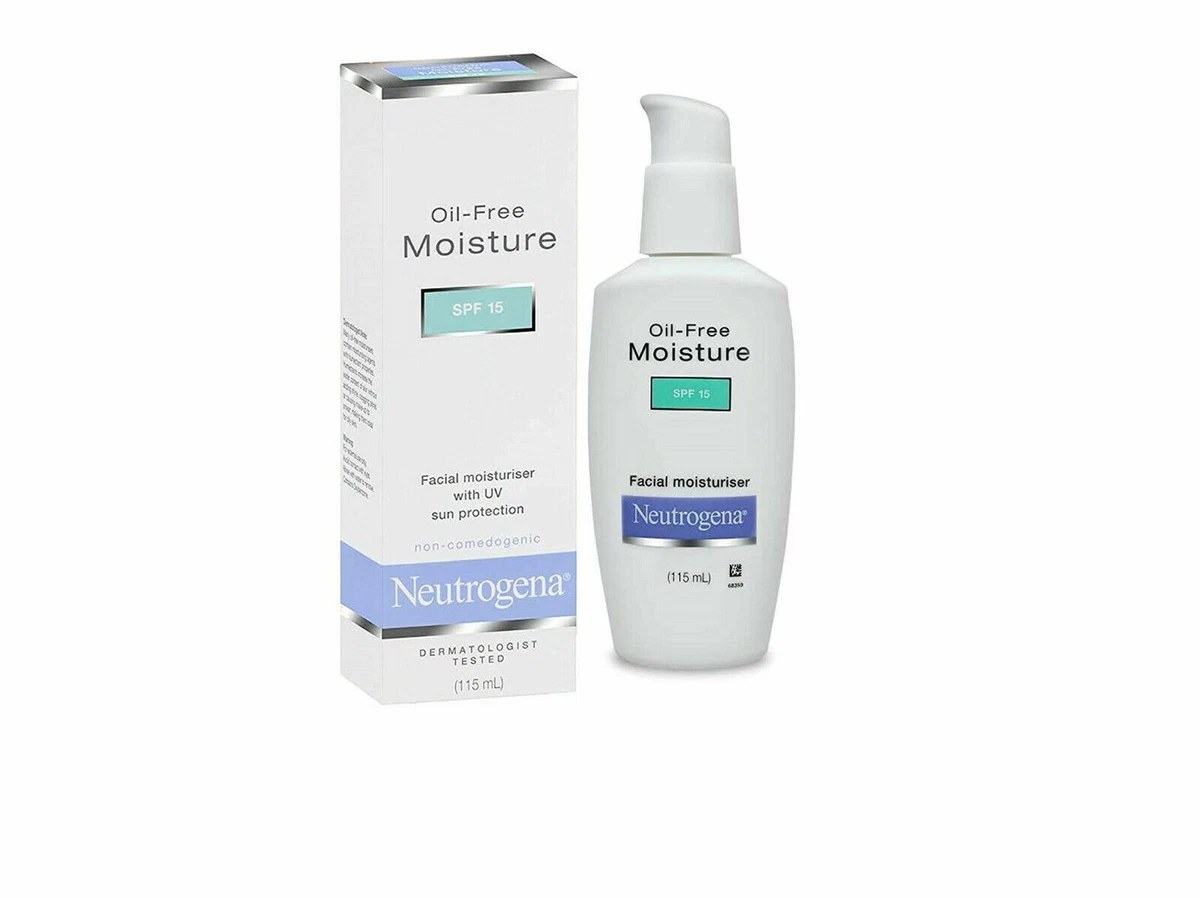
Finding a daily facial product that hydrates without triggering excess sebum or leaving a heavy residue is a major challenge for anyone with oily, combination, or blemish-prone skin. When you add broad-spectrum ultraviolet (UV) protection to the mix, the formulation needs to balance non-comedogenic hydration with reliable sun defense. Incorporating an oil-free moisturizer with built-in sunscreen simplifies your morning routine, providing essential moisture and photoprotection in a single step without clogging pores or causing unwanted midday shine.
Understanding Oil-Free Sunscreen Moisturizers
The daily skincare landscape features countless options promising hydration, but adding chemical or mineral sunscreens to an oil-free base requires specific formulation strategies. Traditional lotions often rely on heavy plant oils, butter extracts, or occlusive waxes like petrolatum to lock in moisture. For skin that naturally produces high amounts of sebum, these ingredients can create an impermeable seal that traps debris inside pores, leading to breakouts and an overly glossy appearance.
Oil-free moisturizers substitute heavy lipids with lightweight humectants and water-binding agents. Ingredients like hyaluronic acid, glycerin, and sodium PCA draw ambient moisture into the outer layers of the epidermis without adding extra weight. When manufacturers formulate these hydrators with sunscreen agents—such as avobenzone, octisalate, zinc oxide, or titanium dioxide—they create a fluid emulsion that absorbs quickly. This ensures that skin receives adequate protection against UVA and UVB rays while maintaining a clean, matte, or natural finish.
Key Criteria for Selecting an Oil-Free Sunscreen Moisturizer
Selecting the right product for your daily regimen requires looking past marketing claims and examining the formulation details. Several critical factors distinguish a mediocre formulation from an exceptional daily hydrator with integrated sun protection.
Non-Comedogenic Testing
A product labeled as "oil-free" is a helpful starting point, but the definitive standard for blemish-prone skin is non-comedogenic testing. This means the finished formulation has been evaluated to ensure it does not clog pores or promote comedone formation. Look for explicit confirmation on the packaging or brand literature that the product is non-comedogenic.
Broad-Spectrum SPF 30 or Higher
Dermatological organizations consistently recommend using a broad-spectrum sunscreen with an SPF of 30 or higher every morning. Broad-spectrum protection guards against both short-wave ultraviolet B (UVB) rays, which cause sunburns, and long-wave ultraviolet A (UVA) rays, which penetrate deeper to accelerate skin aging and hyperpigmentation.
Texture and Finish
For oily and combination skin types, the sensory experience matters. An ideal formulation should dispense as a fluid lotion, gel-cream, or lightweight milk that spreads effortlessly. It should dry down completely within a few minutes, leaving behind either a soft matte finish or a natural skin-like appearance without a sticky white cast.
Three Must-Try Oil-Free Moisturizers with Sunscreen
The following three formulations stand out for their performance, ingredient profiles, and ability to hydrate and protect without aggravating excess oil production.
1. Paula’s Choice-Clear Ultra-Light Daily Hydrating Fluid SPF 30+
Designed specifically for oily and blemish-prone skin, this fluid moisturizer features a featherlight texture that feels almost like water upon application. It utilizes a blend of antioxidants, plant extracts, and lightweight chemical sunscreen filters to defend against environmental stressors while keeping shine under control.
- Primary Texture: Fluid, watery lotion that absorbs instantly.
- Finish: Natural matte finish that works exceptionally well underneath makeup.
- Key Attributes: Fragrance-free, non-irritating, and loaded with soothing agents like chamomile and green tea extract to calm redness associated with breakouts.
2. EltaMD UV Clear Broad-Spectrum SPF 46
Widely recommended by dermatologists, EltaMD UV Clear is formulated with transparent micronized zinc oxide and niacinamide (vitamin B3). While it has a slightly richer lotion texture than a pure gel, it melts into the skin remarkably fast without leaving an oily film.
- Primary Texture: Lightweight lotion with high spreadability.
- Finish: Clean, semi-matte finish that does not pill or ball up during reapplication.
- Key Attributes: Niacinamide helps calm inflammation, improve skin texture, and balance uneven tone, making it ideal for skin prone to blemishes or post-inflammatory hyperpigmentation.
3. Neutrogena Hydro Boost Water Gel SPF 50
Building upon the popularity of the classic Hydro Boost line, this version integrates high-protection sunscreen into a refreshing, water-gel matrix. It relies on purified hyaluronic acid to flood the skin with continuous hydration while shielding the complexion from solar radiation.
- Primary Texture: Cooling, bouncy gel-cream that transforms into a fluid upon contact with the skin.
- Finish: Dewy yet clean finish that provides a plump, hydrated look without heavy greasiness.
- Key Attributes: Oil-free, dye-free, and non-comedogenic, offering an accessible, pharmacy-grade option for daily moisture and high SPF 50 defense.
Comparison of Featured Oil-Free Sunscreens
| Product Name | SPF Level | Sunscreen Type | Standout Key Ingredient | Ideal Skin Type |
|---|---|---|---|---|
| Paula’s Choice-Clear Ultra-Light | SPF 30+ | Chemical | Green Tea Extract | Oily, acne-prone |
| EltaMD UV Clear | SPF 46 | Mineral/Chemical Hybrid | Niacinamide | Sensitive, blemish-prone, rosacea |
| Neutrogena Hydro Boost Water Gel | SPF 50 | Chemical | Hyaluronic Acid | Dehydrated yet oily |
Common Application Mistakes to Avoid
Even the most advanced oil-free moisturizer with sunscreen will fail to perform if applied incorrectly. Avoiding common pitfalls ensures you get the full stated protection and hydration benefits.
- Skimping on Amount: Applying too little product drastically reduces the effective SPF. Dermatologists generally recommend using a nickel-sized amount for the face and neck, or roughly two full finger-lengths of product.
- Skipping the Reapplication: Daily chemical and mineral filters degrade over time when exposed to sunlight, sweat, and facial oils. If you are outdoors for extended periods, reapplication every two hours is necessary.
- Layering Over Incompatible Products: Applying heavy silicones or thick serums underneath a lightweight oil-free sunscreen can cause the top layer to pill, disrupting the even film of UV protection on your face.
Frequently Asked Questions
Can an oil-free moisturizer with sunscreen replace my regular daytime moisturizer?
Yes. These products are specifically engineered to combine the humectants and emollients of a standard moisturizer with active UV filters. Using a separate moisturizer underneath is usually unnecessary and can overload oily skin.
Do oil-free sunscreens leave a white cast?
Chemical formulations are virtually invisible on all skin tones because they absorb UV rays rather than reflecting them. Mineral options utilizing zinc oxide or titanium dioxide can sometimes leave a white cast, though modern formulations often use micronized minerals or tinted bases to blend seamlessly.
How can I stop my sunscreen moisturizer from feeling greasy by midday?
Look for products specifically featuring mattifying powders, silica, or niacinamide, which help regulate sebum production throughout the day. Setting the final layer with a translucent mineral powder can also control breakthrough shine.
Should I use a separate eye cream with these products?
Most oil-free facial sunscreens can be applied gently around the orbital bone, provided they are ophthalmologist-tested and do not sting the eyes. If your eye area is particularly dry or sensitive, a dedicated lightweight eye cream may be applied first.
Next Steps for Your Daily Routine
To optimize your skincare routine, audit your current cleanser and daytime products to ensure they genuinely support a balanced, oil-free regimen. Start by incorporating one of the recommended formulations into your morning steps, making sure to apply an adequate amount evenly across your face, ears, and neck daily. Monitor how your skin responds over a two-week adjustment period, and adjust your cleanser or evening routine if needed to maintain a clear, protected complexion.