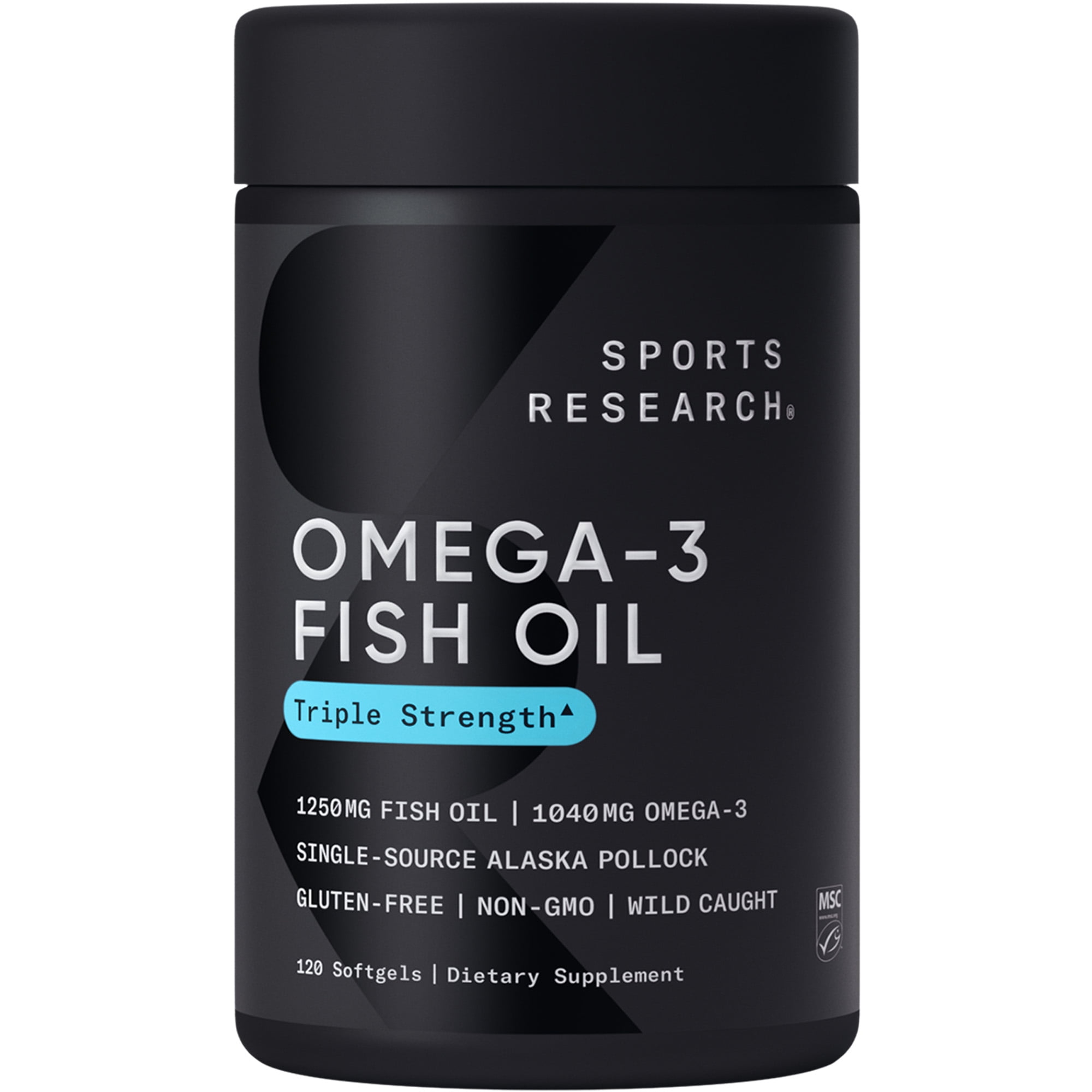
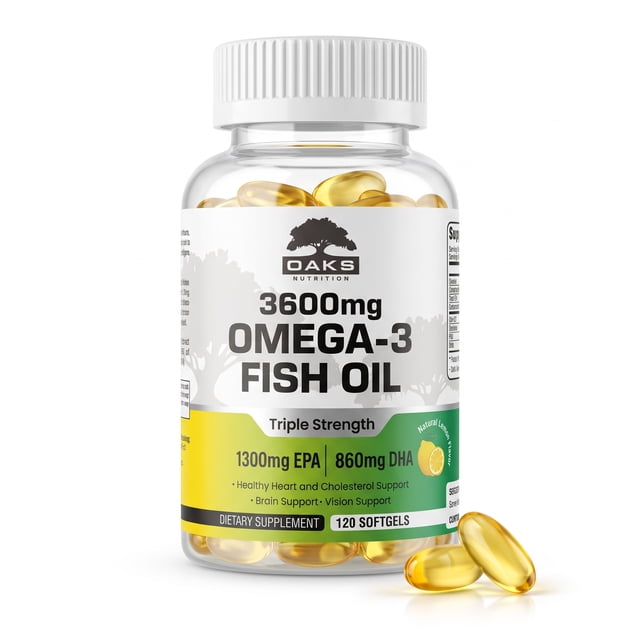
Navigating daily fish oil consumption requires balancing overall wellness goals with specific health targets, generally focusing on three key dosage tiers: a baseline maintenance intake of 250 to 500 mg combined EPA and DHA, an intermediate therapeutic range of 1,000 to 2,000 mg for cardiovascular and inflammatory support, and specialized higher dosages up to 4,000 mg overseen by clinicians for managing severe hypertriglyceridemia.
Introduction to Omega-3 Fatty Acids and Fish Oil Supplements
Omega-3 polyunsaturated fatty acids are essential nutrients that the human body cannot synthesize on its own, meaning they must be obtained through dietary intake or supplementation. Among the various types of omega-3s, eicosapentaenoic acid (EPA) and docosahexaenoic acid (DHA)—both predominantly found in cold-water fatty fish and high-quality fish oil supplements—are the most heavily researched for their profound physiological impacts. These fatty acids serve as crucial building blocks for cell membranes, modulate inflammatory pathways, and support neurological, visual, and cardiovascular function.
Despite the widespread availability of fish oil capsules, liquids, and softgels, determining the correct daily intake remains a frequent challenge for consumers. Dosage recommendations vary significantly depending on whether an individual seeks general nutritional insurance, targeted cardiovascular support, or clinical management of specific medical conditions. Moreover, because commercial supplements vary wildly in their concentration of pure EPA and DHA relative to total oil volume, reading nutrition labels correctly is just as important as knowing the target dosage. This guide breaks down the science, safety parameters, and practical applications of the three primary daily fish oil omega-3 dosages used in modern health and clinical practice.
The Nutritional Science Behind EPA and DHA
Before examining specific dosage tiers, it is vital to understand what active compounds you are actually consuming. When nutritionists and medical professionals discuss fish oil dosages, they rarely refer to the total weight of the fish oil liquid inside a capsule. Instead, they focus on the combined mass of EPA and DHA.
Total Fish Oil vs. Combined EPA and DHA
A standard 1,000-milligram fish oil softgel does not contain 1,000 milligrams of omega-3 fatty acids. Often, a standard-strength capsule provides roughly 300 mg of combined EPA and DHA, while the remaining 700 mg consists of other fats, water, and manufacturing stabilizers. Concentrated formulas may pack 500 to 900 mg of EPA and DHA into that same 1,000-mg capsule. Failing to differentiate between total oil weight and active omega-3 content is the single most common error consumers make when attempting to follow recommended daily guidelines.
Physiological Roles of EPA
- Anti-inflammatory Signaling: EPA acts as a precursor to specialized pro-resolving mediators (SPMs) that help modulate systemic inflammation and immune response.
- Cardiovascular Integrity: It helps maintain healthy blood vessel elasticity and supports balanced platelet aggregation.
- Mental Well-being: Clinical studies frequently evaluate EPA-dominant formulations for their supportive role in mood regulation and emotional resilience.
Physiological Roles of DHA
- Structural Brain Composition: DHA is a major structural component of the human brain, cerebral cortex, and retina, making it indispensable for cognitive maintenance and visual acuity.
- Maternal and Infant Development: It plays a foundational role during pregnancy and infancy for neurological and visual system development.
- Cell Membrane Fluidity: DHA ensures that cell membranes maintain the proper fluidity required for optimal cellular signaling and nutrient exchange.
Dosage Tier 1: The Baseline Maintenance Intake (250–500 mg Combined EPA/DHA)
The first and most widely cited baseline recommendation is designed for healthy adults seeking to maintain foundational nutritional status and prevent deficiency. Major global health organizations, including the World Health Organization (WHO) and the European Food Safety Authority (EFSA), generally suggest a daily intake of approximately 250 to 500 mg of combined EPA and DHA for healthy individuals.
Who Needs This Dosage?
This tier is ideal for individuals who consume fish occasionally but want a daily safety net, as well as those with no underlying chronic health conditions. It mirrors the omega-3 intake associated with populations that regularly eat fatty fish two to three times per week.
Practical Implementation
Achieving this baseline is typically straightforward. For a standard, non-concentrated fish oil supplement yielding roughly 300 mg of EPA and DHA per capsule, a single softgel daily is sufficient. Alternatively, incorporating two to three servings of wild-dried or fresh oily fish—such as salmon, sardines, mackerel, or herring—each week can completely fulfill this requirement without supplementation.
Limitations of Baseline Dosing
While adequate for basic physiological maintenance, this lower tier is generally insufficient for individuals dealing with active inflammatory disorders, elevated triglyceride levels, or specific cardiovascular risk factors. It should be viewed as a preventative nutritional floor rather than a therapeutic intervention.
Dosage Tier 2: The Intermediate Therapeutic Range (1,000–2,000 mg Combined EPA/DHA)
The second dosage tier moves away from general nutritional maintenance and enters the realm of targeted physiological support. Ranging from 1,000 to 2,000 mg of combined EPA and DHA daily, this is the most common range recommended by functional medicine practitioners, cardiologists, and nutritional scientists for individuals aiming to actively support heart health, joint comfort, and balanced inflammatory responses.
Target Applications and Clinical Focus
- Cardiovascular Support: Doses in this range are frequently studied for their ability to support healthy blood pressure already within the normal range and promote overall lipid profile health.
- Joint and Mobility Health: Individuals experiencing stiffness or joint discomfort due to everyday wear and tear often find that higher daily doses of EPA and DHA help support joint mobility and comfort by downregulating inflammatory cytokines.
- Cognitive and Mood Support: Higher-end baseline needs for cognitive longevity or emotional balance often utilize doses hovering around 1,000 to 1,500 mg daily.
Selecting the Right Product
Consuming 2,000 mg of pure EPA and DHA using low-potency, standard fish oil softgels can be cumbersome, often requiring six to eight capsules a day. To minimize pill fatigue, individuals in this tier typically switch to pharmaceutical-grade or highly concentrated molecularly distilled fish oils, where a single teaspoon of liquid or two concentrated softgels deliver the required 1,000 to 2,000 mg threshold.
Dosage Tier 3: High-Dose Clinical Management (Up to 4,000 mg EPA/DHA)
The third tier encompasses high-dose regimens reaching up to 4,000 mg of combined EPA and DHA daily. This level of supplementation is strictly therapeutic and is generally reserved for clinical supervision. The United States Food and Drug Administration (FDA) and other medical regulatory bodies recognize daily intakes up to 3,000 to 4,000 mg from all sources (diet and supplements combined) as generally recognized as safe (GRAS), provided they are managed under medical guidance.
Primary Medical Indications
- Severe Hypertriglyceridemia: The most robust clinical application for high-dose omega-3s is the lowering of very high blood triglyceride levels (typically defined as $\ge 500\text{ mg/dL}$). Prescription-grade omega-3 formulations (such as Lovaza or Vascepa) are frequently prescribed in these scenarios.
- Advanced Inflammatory Conditions: Under the direct supervision of a physician or rheumatologist, high-dose regimens are sometimes utilized to manage severe chronic inflammatory burdens.
Critical Safety Considerations
Pushing intake into the 4,000 mg range introduces physiological trade-offs. Omega-3 fatty acids possess mild antiplatelet (blood-thinning) properties. At high doses, the risk of bruising, minor bleeding, or interactions with anticoagulant medications (such as warfarin or aspirin) increases substantially. Anyone considering high-dose fish oil must coordinate with their healthcare provider to monitor bleeding times and overall hepatic and lipid panels.
Comprehensive Comparison of Fish Oil Dosage Tiers
To help clarify the distinctions between these three categories, the following table outlines their target populations, active ingredient amounts, primary purposes, and required level of oversight.
| Dosage Tier | Combined EPA & DHA Daily | Primary Purpose | Ideal Candidate | Medical Supervision Required? |
|---|---|---|---|---|
| Tier 1: Baseline | 250 – 500 mg | Nutritional maintenance & basic physiological support | Healthy adults with adequate dietary fish intake | No (General wellness) |
| Tier 2: Intermediate | 1,000 – 2,000 mg | Targeted heart, joint, and inflammatory support | Individuals seeking proactive health management | Optional (Recommended if taking medications) |
| Tier 3: High-Dose | Up to 4,000 mg | Clinical management of severe hypertriglyceridemia | Patients with specific cardiovascular or lipid disorders | Yes (Mandatory medical oversight) |
Evaluating Quality, Purity, and Oxidation
Regardless of which dosage tier you target, the quality and purity of the fish oil product dictate its safety and efficacy. Poorly manufactured or improperly stored fish oil can undergo lipid peroxidation, turning rancid and generating harmful free radicals that negate the health benefits of the supplement.
Third-Party Testing and Certification
Because the dietary supplement industry faces varying degrees of regulatory oversight, consumers should look for products certified by independent, third-party testing organizations. Organizations such as NSF International, U.S. Pharmacopeia (USP), Informed-Choice, and the International Fish Oil Standards (IFOS) program independently verify that products contain the labeled amount of EPA and DHA and are free from harmful contaminants.
Environmental Contaminants and Heavy Metals
Large predatory fish can bioaccumulate environmental toxins such as mercury, polychlorinated biphenyls (PCBs), and dioxins. High-quality supplement manufacturers utilize advanced purification techniques—most notably molecular distillation—to strip heavy metals and toxins down to undetectable limits. Always verify that a brand provides a Certificate of Analysis (CoA) verifying purity upon request.
Signs of Rancidity
Oxidized fish oil often presents with a distinctly sharp, fishy odor, an unpleasant sour taste, or causes acute gastrointestinal distress and "fish burps" far beyond normal expectations. Proper storage—typically keeping bottles in a cool, dark place or in the refrigerator after opening—helps preserve chemical stability.
Potential Side Effects, Drug Interactions, and Safety Precautions
While fish oil is exceptionally well-tolerated by the vast majority of the population, understanding potential adverse effects ensures a safe supplementation experience.
Common Mild Side Effects
- Gastrointestinal Distress: Indigestion, nausea, or loose stools can occur, particularly when starting at higher doses. Taking capsules with meals or freezing softgels prior to consumption often alleviates these symptoms.
- Reflux and Aftertaste: "Fish burps" are common with lower-quality or unpurified oils. Enteric-coated softgels or liquid emulsions designed for improved absorption can mitigate this issue.
Pharmacological Interactions
- Anticoagulants and Antiplatelets: Because omega-3s mildly inhibit platelet aggregation, combining high doses (Tier 2 and Tier 3) with blood thinners like warfarin, clopidogrel, or daily aspirin increases the risk of bruising or bleeding complications.
- Blood Pressure Medications: Omega-3s can have a modest blood pressure-lowering effect. When combined with antihypertensive drugs, they may occasionally cause blood pressure to drop lower than intended, requiring medical monitoring.
Disclaimer: This article is for informational and educational purposes only and does not constitute medical advice. Always consult a qualified healthcare professional before beginning any new supplement regimen, altering your dosage, or combining supplements with prescription medications.
Frequently Asked Questions
What is the difference between total fish oil and EPA/DHA content?
Total fish oil refers to the entire weight of the oil contained within a softgel or liquid serving, which includes other fats and stabilizing compounds. EPA and DHA content represents the precise therapeutic active ingredients. When calculating your daily dosage, you must always look at the specific milligrams of combined EPA and DHA listed in the supplement facts panel, rather than the total weight of the softgel.
Can I get enough omega-3s from food instead of supplements?
Yes. Eating two to three servings of cold-water oily fish per week—such as wild salmon, mackerel, herring, sardines, or anchovies—easily provides the baseline to intermediate levels of EPA and DHA recommended by health authorities. Supplements are primarily utilized by individuals who dislike fish, have dietary restrictions, or require therapeutic high-dose management.
When is the best time of day to take fish oil supplements?
Fish oil is best absorbed when consumed alongside a meal containing dietary fats. The presence of dietary fat stimulates the release of digestive enzymes and bile acids, which significantly enhances the bioavailability of EPA and DHA. Splitting your daily dose between breakfast and dinner can also minimize minor gastrointestinal side effects.
Are there plant-based alternatives to fish oil?
Plant-based sources such as flaxseeds, chia seeds, and walnuts contain alpha-linolenic acid (ALA), another type of omega-3 fatty acid. However, the human body converts ALA into active EPA and DHA at an extremely low and inefficient rate (often less than 5%). For individuals following a vegan or vegetarian diet, algae-derived omega-3 supplements offer a direct, highly bioavailable source of preformed EPA and DHA without relying on fish oil.
How can I tell if my fish oil supplement has gone rancid?
A rancid fish oil supplement will typically emit a harsh, overly pungent, or chemical fish odor and taste bitter or sour. If you cut open a capsule and it smells intensely foul rather than clean or neutrally marine, the oil has likely oxidized and should be discarded. Purchasing products with added antioxidants like vitamin E (tocopherols) helps protect the fragile polyunsaturated fats from degradation.
Conclusion and Recommended Next Actions
Optimizing your daily fish oil intake begins with identifying your personal health objectives. If you are looking for general nutritional insurance, aim for the baseline 250 to 500 mg tier through a mix of diet and a single standard softgel. If you are targeting cardiovascular wellness or joint comfort, transition to the intermediate 1,000 to 2,000 mg range using a certified, high-potency molecularly distilled product. Finally, if you are managing elevated triglycerides or a complex inflammatory condition, consult a physician to safely explore high-dose protocols up to 4,000 mg. Review your current supplement labels today, verify your active EPA and DHA totals, and consult a healthcare professional to tailor a regimen that safely supports your long-term health.