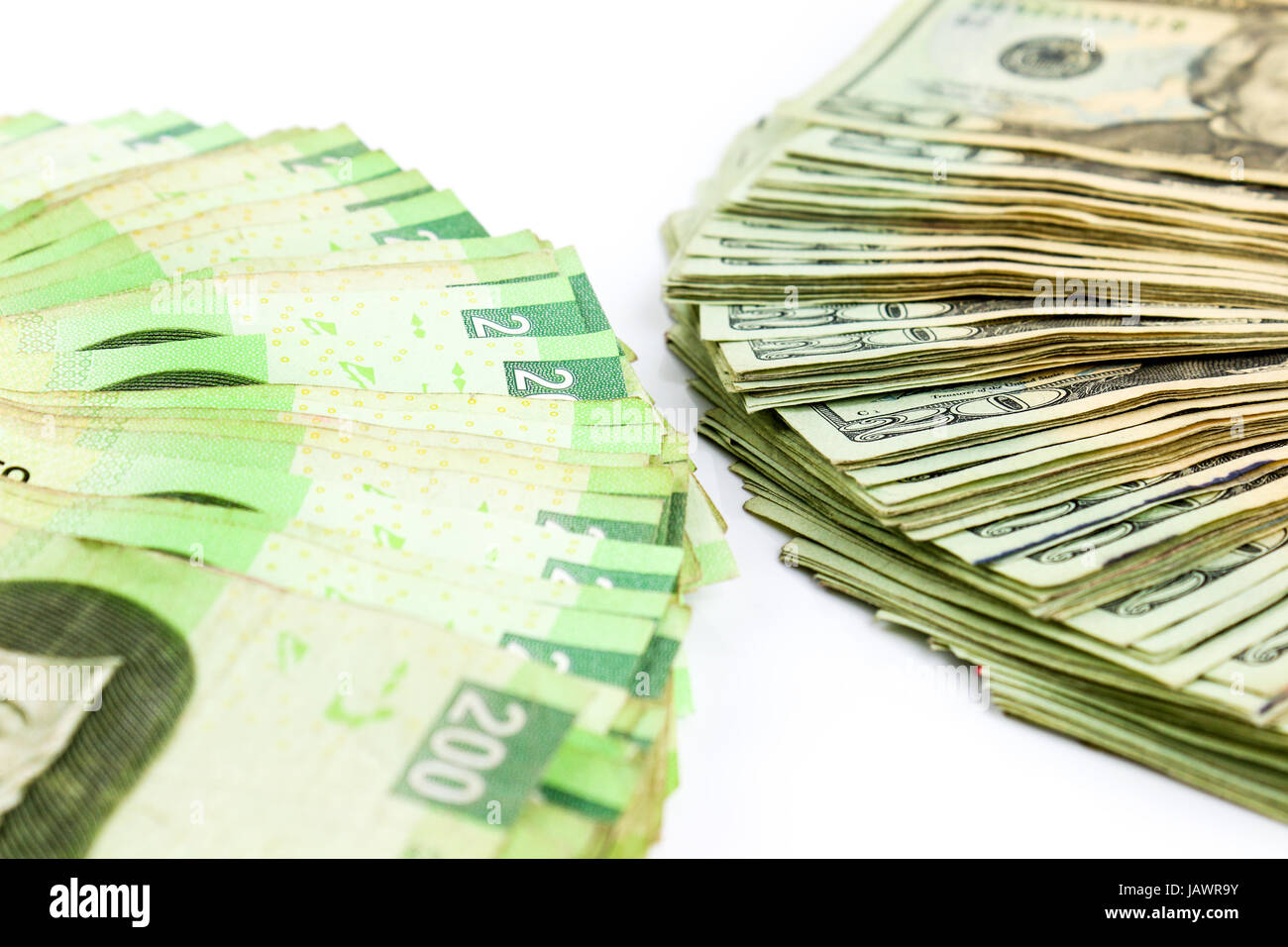
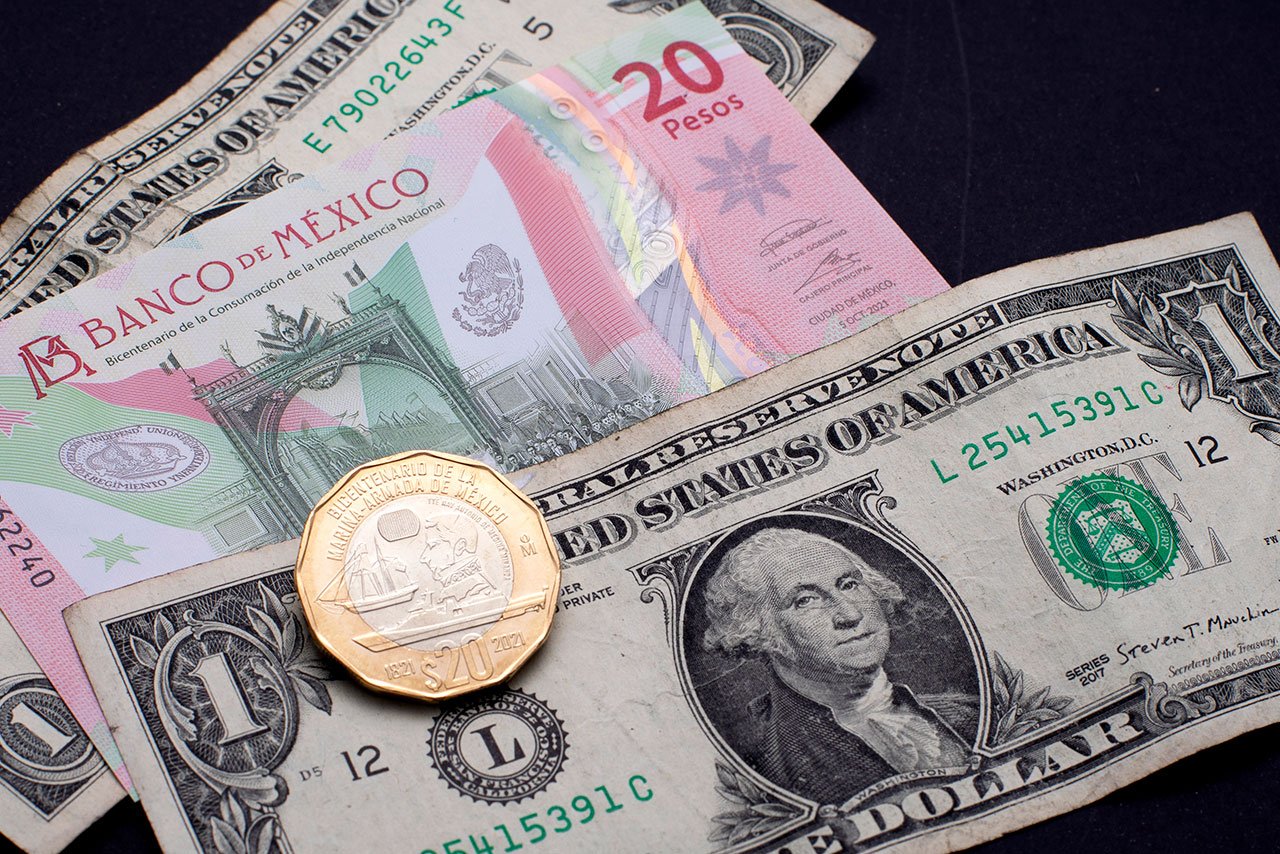
As of early 2026, converting $270 USD typically yields approximately 4,860 Mexican Pesos (MXN), based on a projected mid-market exchange rate of 18.00 MXN per 1 USD. However, the exact amount you receive depends heavily on the specific "peso" currency you are purchasing—such as the Philippine, Colombian, or Argentine peso—as well as the transaction fees and exchange rate spreads applied by your financial service provider.
Understanding the Value of 270 USD in 2026
When calculating the conversion of $270 into pesos, it is essential to first identify which "peso" you are referencing. While the Mexican Peso (MXN) is the most frequently traded currency under this name, several other nations use the peso as their official tender. In the economic landscape of 2026, currency volatility remains a significant factor for travelers, expatriates, and digital nomads.
The sum of $270 USD represents a common mid-range transaction. For a traveler, this might cover three to four nights in a boutique hotel in Mexico City or Manila. For those sending remittances, $270 is a substantial monthly contribution to a household's groceries and utilities in many Latin American or Southeast Asian regions. Because currency markets fluctuate 24 hours a day, five days a week, the value you see on a search engine is a "mid-market rate"—the midpoint between the buy and sell prices of two currencies. Retail consumers rarely get this exact rate.
The Mexican Peso (MXN) Context
In 2026, the Mexican Peso continues to be influenced by the interest rate differentials between the U.S. Federal Reserve and the Bank of Mexico (Banxico). If Banxico maintains higher rates than the Fed, the "carry trade" often strengthens the peso. For $270 USD, a rate of 18.00 MXN results in 4,860 pesos. If the peso strengthens to 17.00 MXN, your $270 is only worth 4,590 pesos. Conversely, if it weakens to 19.50 MXN, that same $270 becomes 5,265 pesos.
The Philippine Peso (PHP) Context
For those looking at the Philippines, $270 USD is a significant amount for local commerce. With exchange rates in 2026 hovering around 55.00 PHP to 1 USD, $270 converts to approximately 14,850 PHP. This amount is often used for domestic tuition payments, small business inventory, or significant family support.
270 USD to Pesos: Comparative Conversion Table (2026 Estimates)
The following table provides a snapshot of what $270 USD converts to across various peso-using nations, based on projected 2026 mid-market rates.
| Currency Name | Currency Code | Estimated Rate (per 1 USD) | Total for $270 USD |
|---|---|---|---|
| Mexican Peso | MXN | 18.00 | 4,860.00 MXN |
| Philippine Peso | PHP | 55.20 | 14,904.00 PHP |
| Colombian Peso | COP | 3,950.00 | 1,066,500.00 COP |
| Chilean Peso | CLP | 920.00 | 248,400.00 CLP |
| Argentine Peso | ARS | 1,250.00* | 337,500.00 ARS |
| Dominican Peso | DOP | 59.50 | 16,065.00 DOP |
| Uruguayan Peso | UYU | 39.10 | 10,557.00 UYU |
*Note: The Argentine Peso (ARS) remains subject to high inflation and multiple exchange rate tiers in 2026. The figure above represents an estimated official rate; "blue" or parallel market rates may differ significantly.
Factors Influencing the Exchange Rate in 2026
Exchange rates are not static numbers; they are the result of complex global interactions. When you convert $270 to pesos, the "price" of those pesos is dictated by several key pillars of macroeconomics.
1. Interest Rate Differentials
Central banks, such as the Federal Reserve in the United States and Banxico in Mexico, use interest rates to control inflation. In 2026, if the U.S. Fed raises rates to combat a hot economy, the USD usually strengthens. This means your $270 would buy more pesos. If the Bank of Mexico raises rates more aggressively than the Fed, the peso becomes more attractive to investors, and your $270 buys fewer pesos.
2. Inflationary Trends
Inflation erodes the purchasing power of a currency. If Colombia experiences higher inflation than the United States, the Colombian Peso (COP) will generally depreciate against the USD over time. For the $270 conversion, this means you would receive a higher nominal number of pesos, but those pesos might buy fewer goods and services than they did a year prior.
3. Geopolitical and Trade Stability
Mexico’s proximity to the U.S. and its participation in trade agreements like the USMCA makes the MXN highly sensitive to trade policy. In 2026, any shifts in manufacturing trends—such as "nearshoring" where companies move production from Asia to Mexico—can increase demand for the peso, making it more expensive for you to buy with your $270.
Where to Convert 270 Dollars to Pesos
The method you choose to convert your $270 can result in a difference of 5% to 10% in the final amount received. Not all exchange services are created equal.
Digital Transfer Services (Best Value)
Platforms like Wise, Revolut, and Remitly have revolutionized currency exchange by 2026. These services typically offer rates very close to the mid-market rate and charge a transparent, upfront fee. For a $270 transfer, you might pay a fee of $2.50 to $5.00, ensuring the majority of your money reaches the recipient in pesos.
Traditional Banks
While secure, traditional banks often offer "retail" exchange rates that include a 3% to 5% markup (the spread) over the mid-market rate. Additionally, outgoing wire transfer fees (SWIFT fees) can be as high as $25 to $45. Sending $270 via a traditional bank wire is often inefficient, as the fees could consume nearly 10% to 15% of the total amount.
ATMs in Destination Countries
Using an ATM in Mexico or the Philippines is often a convenient way to get pesos. In 2026, most travel-friendly debit cards offer the visa/mastercard prevailing rate. However, you must be wary of "Dynamic Currency Conversion" (DCC). If the ATM asks if you want to be charged in USD or the local currency (Pesos), always choose the local currency. Choosing USD allows the ATM owner to set an unfavorable exchange rate.
Airport Kiosks (Lowest Value)
Currency exchange booths at airports are notorious for the worst rates. Because they have high overhead costs and a "captured audience," the spread can be as high as 15%. Converting $270 at an airport might result in receiving only $230 worth of pesos after the "hidden" costs are applied.
Calculating the "Spread" on $270
To ensure you are getting a fair deal when converting $270 to pesos, you should understand how to calculate the spread. The spread is the difference between the rate the provider gives you and the actual mid-market rate.
The Formula:
((Mid-Market Rate - Provider Rate) / Mid-Market Rate) x 100 = Percentage Fee
For example, if the mid-market rate is 18.00 MXN but the exchange booth is offering you 16.50 MXN:
- 18.00 - 16.50 = 1.50
- 1.50 / 18.00 = 0.0833
- 0.0833 x 100 = 8.33%
In this scenario, you are losing 8.33% of your $270—approximately $22.50—just for the privilege of the exchange. Finding a provider with a spread of less than 1% is the gold standard for personal finance in 2026.
Practical Purchasing Power: What Does 270 USD Buy in 2026?
Understanding the nominal conversion is one thing, but understanding the purchasing power in peso-denominated economies provides the necessary context for your $270.
- In Mexico (4,860 MXN): This amount is sufficient for a week's worth of high-quality groceries for a family of four, or a high-end dinner for two in a "World's 50 Best" restaurant in Mexico City. It also covers roughly 15-20 trips via a private ride-sharing service across a major city.
- In the Philippines (14,904 PHP): $270 can cover a month’s rent for a modest studio apartment in many provincial cities or about two weeks of mid-range hotel stays in tourist hubs like Cebu or Palawan.
- In Colombia (1,066,500 COP): In 2026, over one million pesos remains a psychologically significant milestone. It is roughly equivalent to a monthly minimum wage (depending on the 2026 legal adjustments), highlighting the significant impact $270 can have in the local economy.
Common Pitfalls to Avoid
When dealing with a $270 conversion, small mistakes can lead to lost funds.
- Ignoring Fixed Fees: Some services offer a "great rate" but charge a $15 flat fee. On a small amount like $270, a $15 fee is a 5.5% loss. Always look at the "net amount received" rather than just the exchange rate.
- Using Credit Cards for Cash Advances: If you use a credit card at an ATM in a peso-using country to get $270 worth of cash, you will likely be charged a cash advance fee (around 5%) plus immediate high-interest accrual. Use a debit card instead.
- Unverified P2P Exchanges: While peer-to-peer (P2P) platforms can offer great rates, they carry higher risks of fraud in 2026. Stick to established, regulated financial institutions or reputable fintech apps.
Frequently Asked Questions
Is $270 USD a lot of money in Mexico?
In 2026, $270 USD (approx. 4,860 MXN) is considered a significant amount for daily spending but a modest amount for major expenses. It is roughly equivalent to half of the average monthly salary in many Mexican states, meaning it holds substantial purchasing power for services, dining, and local travel.
Why does the exchange rate for $270 change every day?
The exchange rate fluctuates due to the forex (foreign exchange) market, where currencies are traded globally. Factors such as changes in oil prices (which affect the Mexican Peso), political announcements, and employment data from the U.S. Bureau of Labor Statistics cause the value of the dollar to rise or fall against the peso.
What is the cheapest way to send $270 to the Philippines?
In 2026, the cheapest way is typically through a digital remittance app like Wise or WorldRemit. These services bypass the expensive SWIFT network used by banks and provide the recipient with more Philippine Pesos (PHP) by keeping the conversion spread below 0.5% to 1%.
Should I exchange my $270 before I travel or when I arrive?
It is generally better to exchange a small amount (perhaps $50) before you travel for immediate needs like taxis, and then use a local ATM to withdraw the remaining $220 in pesos once you arrive. Local ATMs almost always provide a better rate than "Buy" rates found at U.S.-based banks or airports.
Will $270 be worth more or less in pesos by the end of 2026?
Forecasts from institutions like the International Monetary Fund suggest that while the dollar remains the global reserve currency, specific peso currencies may strengthen if their local economies grow. If Mexico’s industrial sector continues to expand, $270 may buy fewer pesos by December 2026 than it does in January.
Final Recommendation for Converting 270 USD
To maximize the value of your $270 USD to pesos, avoid traditional bank wires and airport kiosks. Instead, utilize a reputable fintech application that offers a transparent mid-market rate. If you are traveling, ensure your debit card has no foreign transaction fees and always decline the "convenient" conversion offered by foreign ATMs. By choosing a service with a spread of 1% or less, you ensure that at least 4,810 MXN (or the equivalent in your chosen peso) makes it into your pocket or to your recipient, rather than being lost to banking fees.