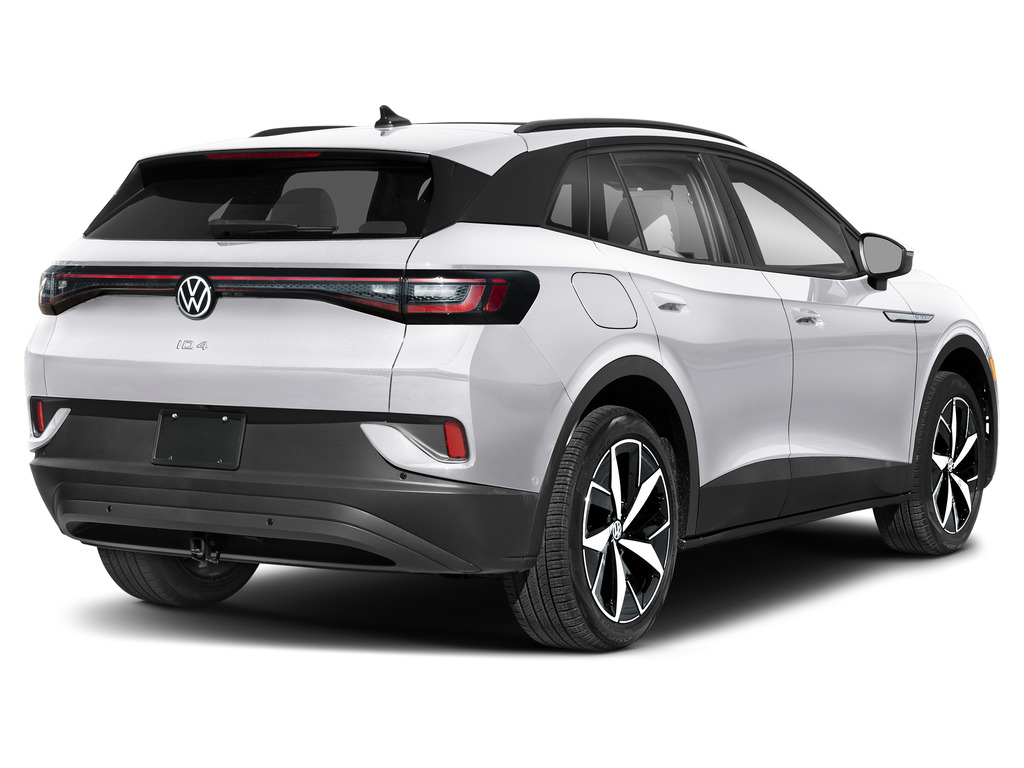
Calculating the five-year total cost of ownership for a 2025 Volkswagen ID.4 Pro S requires looking beyond the initial purchase price to include depreciation, energy consumption, insurance premiums, maintenance schedules, and potential tax incentives. For most drivers, this vehicle represents a transition into electric mobility that balances initial capital expenditure with significantly reduced long-term operational expenses compared to internal combustion engine vehicles.
The Financial Landscape of the 2025 Volkswagen ID.4 Pro S
When evaluating a vehicle purchase over a 60-month horizon, the total cost of ownership (TCO) is defined by the sum of all outflows minus the residual value of the asset at the end of the term. The 2025 Volkswagen ID.4 Pro S occupies a competitive mid-tier position in the electric SUV market. Its pricing reflects a premium trim level that includes upgraded technology, interior materials, and battery configurations, which impacts both the entry cost and the depreciation curve.
Unlike traditional vehicles, the "fueling" component of the ID.4 is tied to regional electricity rates rather than the volatile fluctuation of gasoline prices. Additionally, the maintenance profile of the ID.4 is simplified by the absence of oil changes, transmission fluid flushes, and complex exhaust systems. However, these savings must be weighed against potentially higher insurance premiums for electric vehicles (EVs) and the specific tire wear patterns characteristic of high-torque, heavy battery-powered SUVs.
Depreciation: The Largest Cost Factor
Depreciation is consistently the most significant expense in the five-year ownership lifecycle of any new vehicle. For the 2025 Volkswagen ID.4 Pro S, depreciation is influenced by the rapid evolution of EV battery technology and software capabilities. As manufacturers introduce newer iterations with longer ranges and faster charging, older models may experience a sharper decline in secondary market desirability.
Historically, electric SUVs have seen varying depreciation rates. However, the Volkswagen ID.4 has established a reputation for being a pragmatic, family-oriented vehicle, which helps maintain a steadier floor for its resale value compared to luxury-niche EVs. Over five years, you should anticipate that the vehicle will retain approximately 45% to 55% of its original MSRP, depending on annual mileage, battery health degradation, and general cosmetic condition. Maintaining meticulous service records and keeping software updates current are essential strategies to maximize the residual value when it comes time to sell or trade in the vehicle.
Fuel and Energy Consumption
The transition from pump to plug significantly alters the cost-to-operate equation. The 2025 ID.4 Pro S benefits from a highly efficient drivetrain. To estimate your five-year energy costs, you must determine your average annual mileage and multiply it by your local residential electricity rate per kilowatt-hour (kWh).
Because the ID.4 is an EV, most owners will perform the majority of their charging at home using a Level 2 charger. This is typically the most cost-effective method. Public fast charging (DCFC) is significantly more expensive and should be factored into your five-year estimate only if you frequently travel long distances or lack access to home charging. Volkswagen has historically provided a set amount of complimentary charging at Electrify America stations, which can reduce your out-of-pocket energy costs during the initial years of ownership.
Maintenance and Service Requirements
One of the primary benefits of the 2025 Volkswagen ID.4 Pro S is the reduced maintenance burden. Without a traditional engine, the service manual focuses on non-drivetrain components.
- Cabin Air Filter: Needs periodic replacement to maintain air quality, typically every two years.
- Brake Fluid: Requires monitoring and periodic flushing to prevent moisture buildup, usually aligned with the two-year service interval.
- Tires: This is a crucial "hidden" cost. Due to the weight of the battery pack and the high instant torque of electric motors, EVs often wear through tires 20% to 30% faster than comparable gas-powered SUVs. Budget for at least one full set of high-quality tires within the first five years.
- Coolant System: The battery thermal management system requires occasional inspection by certified technicians to ensure the longevity of the battery modules.
Insurance Premiums for Electric Vehicles
Insurance providers calculate premiums based on repair costs, replacement value, and the safety features of the vehicle. Electric vehicles are often more expensive to insure because their components—specifically the battery pack and specialized aluminum body panels—are costly to replace and require specialized technicians to repair.
The ID.4 benefits from a high safety rating, which can help offset some of the higher premiums associated with its replacement value. To manage these costs over a five-year period, it is advisable to shop for insurance carriers that have specific programs for EVs or that recognize the advanced driver-assistance systems (ADAS) equipped on the Pro S trim, which can lower your risk profile.
Comparative Cost Projection (Estimated 5-Year Totals)
The following table provides a generalized estimation of costs for an owner driving 12,000 miles per year. Note that these figures are estimates and will vary based on geographic location and individual usage.
| Expense Category | 5-Year Estimated Cost | Factors Affecting Cost |
|---|---|---|
| Depreciation | $22,000 – $26,000 | Mileage, battery health, market demand |
| Energy (Charging) | $3,500 – $5,000 | Home charging vs. DCFC, local rates |
| Insurance | $7,500 – $10,000 | Driving record, zip code, provider |
| Maintenance | $1,500 – $2,500 | Tire wear, cabin filters, brake fluid |
| Financing (Interest) | $4,000 – $7,000 | Loan term, down payment, APR |
Navigating Tax Credits and Incentives
The total cost of ownership is heavily influenced by federal and state tax incentives. As of 2026, eligibility for the federal EV tax credit depends on the manufacturing origin of the vehicle and its battery components. If the 2025 Volkswagen ID.4 Pro S qualifies for the full credit, this acts as a direct reduction of your initial capital expenditure, effectively lowering your five-year cost immediately. Always consult the official IRS website or a qualified tax professional to confirm the current eligibility status for your specific vehicle purchase date, as these rules are subject to legislative updates.
Common Ownership Mistakes to Avoid
Many new owners overlook the impact of charging habits on battery health. Consistently using high-speed public chargers instead of Level 2 home charging can accelerate battery degradation, which directly affects the vehicle's long-term resale value. Another frequent oversight is the omission of state-level EV registration fees. Many jurisdictions charge an additional annual registration fee for electric vehicles to compensate for the lack of gasoline taxes that fund road infrastructure. Over five years, these fees can add several hundred dollars to your total cost of ownership.
FAQ: Addressing Common Concerns
Does the 2025 ID.4 Pro S require frequent software updates? Yes, but these are generally handled via Over-the-Air (OTA) updates, which reduce the need for dealer visits. While these are convenient, it is important to ensure your vehicle is connected to a reliable Wi-Fi signal to receive them in a timely manner.
How does climate affect my 5-year ownership cost? Extreme temperatures can impact battery efficiency and range. If you live in a climate with long, harsh winters, your energy consumption will increase significantly due to cabin heating, which may lead to higher "fueling" costs over five years compared to owners in temperate climates.
Are replacement parts for the 2025 Volkswagen ID.4 expensive? As a mainstream electric vehicle, parts are more accessible than those for niche luxury EVs. However, specialized electronic components and battery modules remain significantly more expensive than standard mechanical parts found in traditional vehicles.
Should I buy a prepaid maintenance plan? Prepaid maintenance plans can be a good value if you plan to service the vehicle exclusively at a Volkswagen dealership. However, because the maintenance requirements for the ID.4 are relatively light, ensure that the cost of the plan does not exceed the cost of paying for individual services as they arise.
Next Steps for Prospective Buyers
To finalize your personal five-year cost analysis, gather the following specific data points:
- Local Electricity Rate: Find your per-kWh cost on your most recent utility bill.
- Insurance Quotes: Contact multiple providers for a policy quote based on your specific location and driving history.
- Registration Fees: Visit your state’s Department of Motor Vehicles website to calculate the EV-specific registration surcharge.
- Financing Terms: Compare interest rates from local credit unions against dealership-provided financing to minimize interest expenses over the life of the loan.
By synthesizing these variables, you will gain a transparent view of the fiscal impact of owning a 2025 Volkswagen ID.4 Pro S, allowing you to make an informed decision that aligns with your long-term financial objectives.