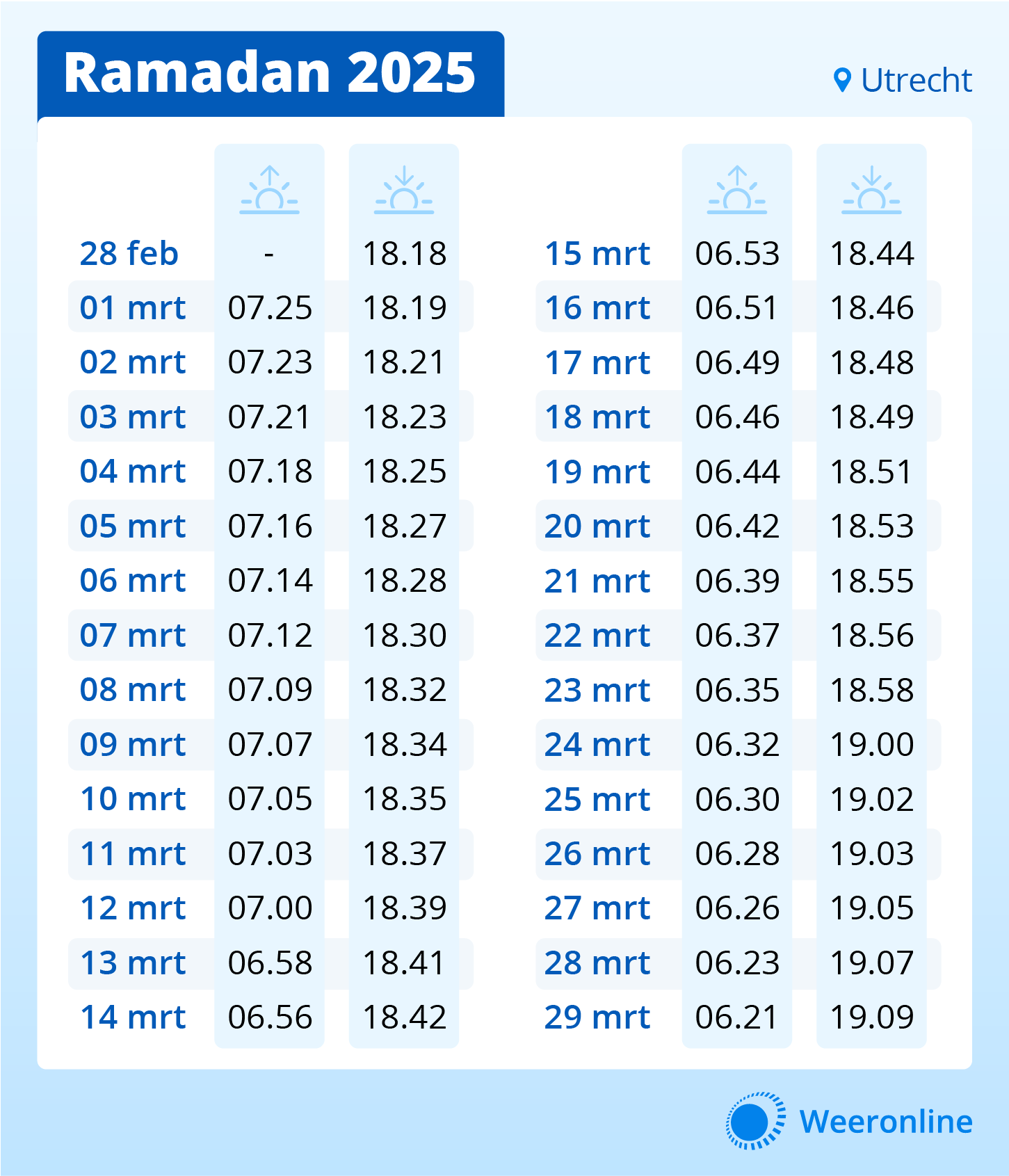
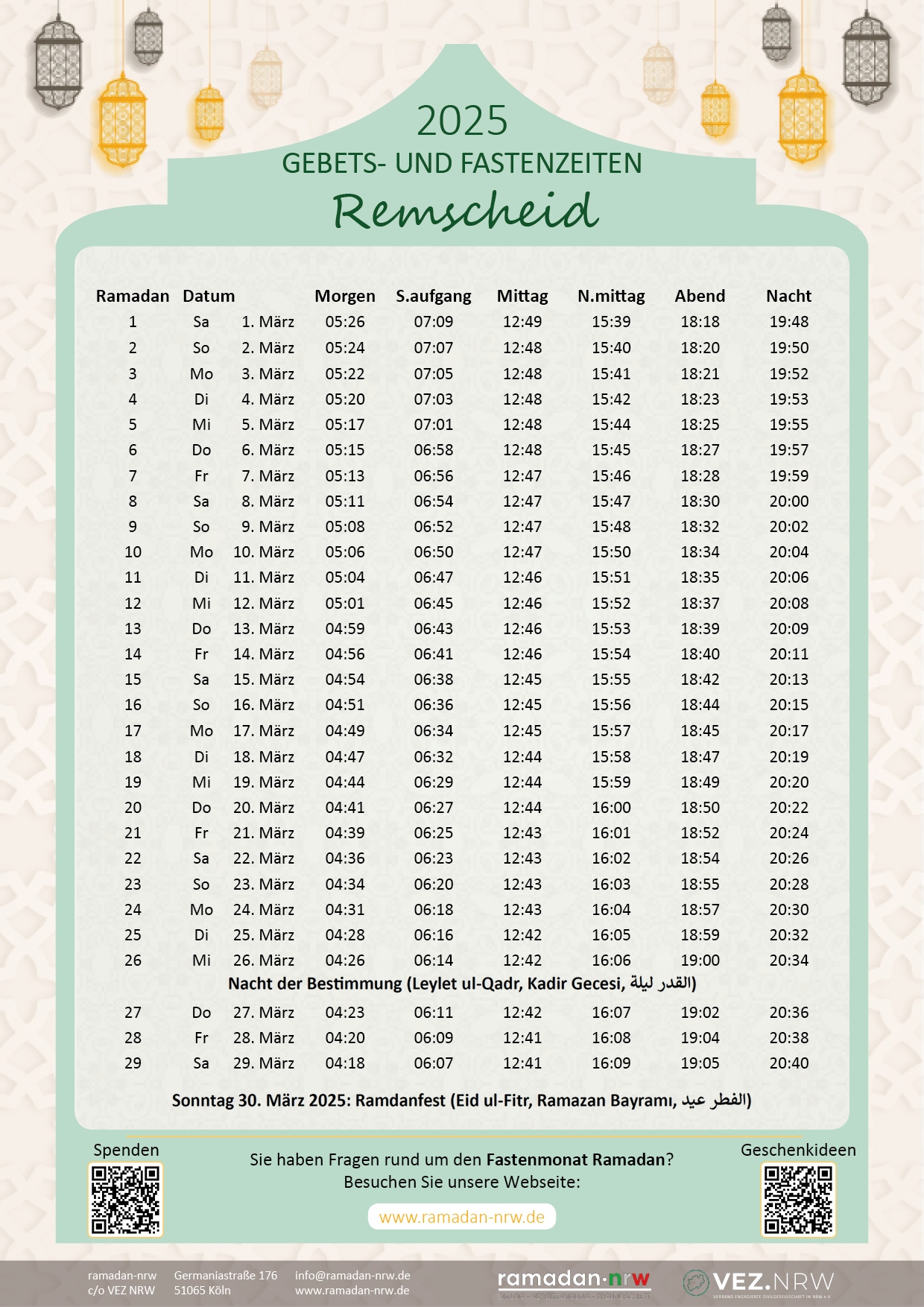
The holy month of Ramadan in 2025 began on the evening of Friday, March 1, 2025, with the first full day of fasting commencing on Saturday, March 2, 2025, and concluded at sundown on Sunday, March 30, 2025, culminating in the celebration of Eid al-Fitr on Monday, March 31, 2025.
Understanding the Islamic Lunar Calendar and Ramadan
To comprehend how the exact start date and timeline of Ramadan are determined, one must look closely at the Islamic calendar, known as the Hijri calendar. Unlike the Gregorian calendar, which is solar and consists of 365 or 366 days distributed across twelve fixed months, the Hijri calendar is strictly lunar. It relies on the cycles of the moon phases to dictate the beginning and end of each month.
A lunar month is defined by the time it takes for the moon to complete one full orbit around the Earth, which spans approximately 29.5 days. Consequently, a lunar year consists of 12 months totaling 354 or 355 days. Because this lunar cycle is roughly 11 to 12 days shorter than the standard Gregorian solar year, the Islamic calendar shifts backward through the seasons every year. This cyclical shift means that Ramadan moves through all four seasons over a multi-decade cycle, affecting the length of daily fasting hours depending on the geographical latitude of the observer and the time of year in which the month falls.
Furthermore, the transition from one month to the next in the Hijri calendar is fundamentally tied to physical observation. Traditionally, the new month begins upon the verified sighting of the hilal, or the waxing crescent moon, shortly after sunset on the 29th day of the preceding month (Sha'ban, in the case of Ramadan). If the crescent moon is clearly sighted by designated astronomical and religious committees, the following day marks the first day of the new month. If the moon is obscured by clouds, dust, or atmospheric conditions, the current month is automatically completed as a 30-day month, and the new month begins on the day after.
Astronomical Calculations and Official Sightings for 2025
While traditional physical sighting remains the foundational legal standard in many Islamic jurisdictions, modern astronomical calculations provide a high degree of predictability well in advance. Science and astronomy allow researchers to map out the exact conjunction of the sun, earth, and moon down to the minute. For 2025, astronomical institutions and international councils utilized these precise scientific models to forecast the progression of the lunar cycle.
The astronomical conjunction for the month of Ramadan 1446 AH (After Hijra) occurred on Friday, February 28, 2025. On this evening, the moon was in a position where sighting the crescent with the naked eye was technically impossible or extremely difficult in most regions of the Western Hemisphere and parts of the Middle East. However, scientific models indicated that the crescent moon would be clearly visible with optical assistance or the naked eye across vast stretches of the African continent, the Middle East, and the Americas on the following evening, Saturday, March 1, 2025.
Consequently, official religious authorities and sighting committees—such as the Supreme Court of Saudi Arabia and equivalent councils globally—evaluated the testimonies on the evening of February 28. Because the crescent was not reliably sighted that night, Sha'ban was completed to 30 days. Official announcements confirmed that Saturday, March 1, 2025, would mark the 30th and final day of Sha'ban, and that the holy month of Ramadan would officially begin at sunset on March 1, with the first dawn-to-sunset fast observed on Sunday, March 2, 2025.
Detailed Timeline of Ramadan 2025
The month of Ramadan follows a structured internal timeline divided into spiritual phases, historical commemorations, and logistical transitions. Below is a comprehensive breakdown of the major milestones, phases, and key dates that structured the 2025 Ramadan timeline.
| Date (2025 Gregorian) | Hijri Date (1446 AH) | Milestone / Event Description |
|---|---|---|
| February 28, 2025 | 29 Sha'ban | Evening observation of the western horizon for the birth of the Ramadan crescent moon. |
| March 1, 2025 | 30 Sha'ban | Completion of Sha'ban; final evening preparations, nighttime Taraweeh prayers begin at sunset. |
| March 2, 2025 | 1 Ramadan | First full day of fasting across the globe; commencement of dawn-to-dusk abstention. |
| March 11–12, 2025 | 10–11 Ramadan | Approximate midpoint of the first third of Ramadan (Mercy). |
| March 21–22, 2025 | 20–21 Ramadan | Beginning of the last ten nights (Ashra) and the initiation of Itikaf (seclusion) in mosques. |
| March 26, 2025 (Night of) | 27 Ramadan | Widely observed traditional night for Laylat al-Qadr (The Night of Power). |
| March 30, 2025 | 29 or 30 Ramadan | Final day of fasting; evening sighting of the Shawwal crescent moon to determine Eid. |
| March 31, 2025 | 1 Shawwal | Celebration of Eid al-Fitr, marking the conclusion of the Ramadan timeline. |
The First Ten Days: The Period of Mercy (Rahmah)
The initial third of the Ramadan timeline represents a period of physical and spiritual adjustment. As the body adapts to altered sleeping patterns, modified hydration schedules, and daytime fasting, communities engage heavily in charity, communal meals (iftar), and nightly congregational prayers known as Taraweeh. During this phase in early March 2025, daily routines stabilized as workplaces, educational institutions, and community centers in Muslim-majority nations adjusted operating hours to accommodate the altered schedules.
The Middle Ten Days: The Period of Forgiveness (Maghfirah)
Moving into mid-March 2025, the rhythm of the month settled into a steady routine. Worshippers intensified their focus on personal reflection, repentance, and recitation of religious texts. In many countries, nighttime economic activity surged during this period, with markets, restaurants, and cultural venues operating late into the night to serve families following evening prayers.
The Last Ten Days: The Period of Salvation and Laylat al-Qadr
The concluding phase of Ramadan is widely regarded as its most spiritually intense period. Beginning around the 20th night of Ramadan (corresponding to the evening of March 21, 2025), many devout Muslims enter Itikaf—a practice of spiritual seclusion in a mosque dedicated entirely to prayer, supplication, and reading.
Within these final ten nights lies Laylat al-Qadr (The Night of Power), commemorated by tradition on the 27th night of the month (the night of March 26 into March 27, 2025). This night holds immense significance, as Islamic tradition dictates that worship on this single night is better than a thousand months of devotion, marking the initial descent of sacred scripture.
Geographic Variations and Global Sightings
A common point of inquiry during every lunar month is why different countries occasionally start Ramadan on different days. Because the physical sighting of the crescent moon depends heavily on local weather conditions, geography, and optical visibility, minor discrepancies often arise between nations.
For instance, while Saudi Arabia and several Gulf nations rely on local sighting committees backed by astronomical calculations, other countries—such as Indonesia, Pakistan, Malaysia, Turkey, and various Western Muslim communities—employ distinct methodologies. Some jurisdictions accept moon sightings from anywhere within the same global hemisphere, while others strictly require local visibility or rely exclusively on astronomical parameters. In 2025, while the majority of the global Muslim population observed the first fast on March 2, 2025, variations of a single day occurred in select regions due to local cloud cover or differing jurisdictional rulings.
Transition to Eid al-Fitr 2025
The timeline of Ramadan concludes definitively with the sighting of the new moon of Shawwal, the tenth month of the Islamic calendar. On the evening of Sunday, March 30, 2025, sighting committees scanned the horizon for the next crescent moon.
Upon successful verification of the Shawwal moon, the month of Ramadan was declared complete at 29 or 30 days. This announcement signaled the arrival of Eid al-Fitr ("The Festival of Breaking the Fast") on Monday, March 31, 2025. Eid al-Fitr is marked by specialized morning congregational prayers (Salat al-Eid), festive family gatherings, the distribution of mandatory charity (Zakat al-Fitr), and widespread community celebrations that officially close the annual Ramadan season.
Frequently Asked Questions
What exact date did Ramadan start in 2025?
Ramadan 2025 officially began at sunset on Saturday, March 1, 2025, with the first full day of fasting taking place on Sunday, March 2, 2025. This date was determined following the observation of the lunar cycle and official declarations issued by religious authorities.
Why does the start date of Ramadan change every year?
The Islamic Hijri calendar is a lunar calendar consisting of 12 lunar months totaling 354 or 355 days. Because this is roughly 11 days shorter than the standard Gregorian solar year, the lunar months systematically shift backward through the seasons, cycling through the entire calendar over approximately 33 solar years.
How is the start of Ramadan officially confirmed?
The start of Ramadan is traditionally confirmed through the physical sighting of the hilal (the waxing crescent moon) on the 29th evening of Sha'ban, the month preceding Ramadan. If the moon is sighted by authorized committees, the next day is Ramadan. If it is obscured, Sha'ban is rounded out to 30 days, and Ramadan begins the following day. Modern astronomical calculations are also heavily utilized to cross-verify visibility.
When did Eid al-Fitr take place in 2025?
Eid al-Fitr, which marks the end of the fasting month of Ramadan, was celebrated on Monday, March 31, 2025. The date was established upon the sighting of the Shawwal crescent moon on the evening of March 30, 2025.
Are fasting hours the same everywhere during Ramadan?
No, fasting hours vary significantly depending on geographical latitude and the season in which Ramadan falls. Because Ramadan 2025 occurred in early spring in the Northern Hemisphere, daylight hours were moderate, resulting in fasts lasting approximately 12 to 14 hours in most temperate regions, contrasted with more extreme lengths closer to the polar circles.
Conclusion and Practical Planning
Understanding the precise timeline of Ramadan 2025 requires recognizing the interplay between ancient lunar observation traditions and modern astronomical science. Whether you are studying historical religious calendars, planning travel to Muslim-majority nations, or coordinating business and community schedules, tracking the shift of the Hijri calendar provides essential clarity. For those planning ahead for future cycles, keep in mind that the lunar calendar shifts backward by roughly 11 days annually, moving the observance earlier into the Gregorian year with each successive cycle.