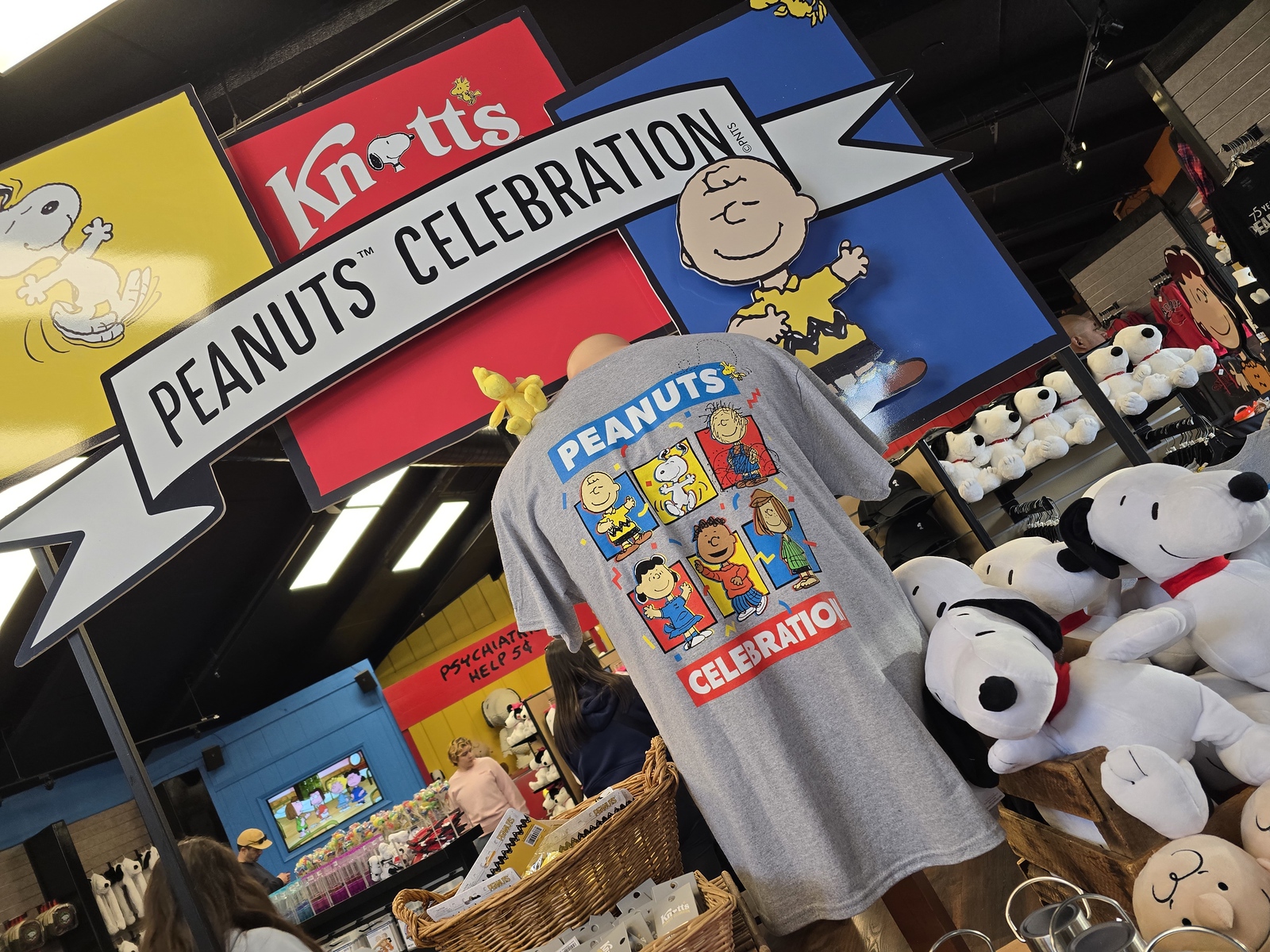
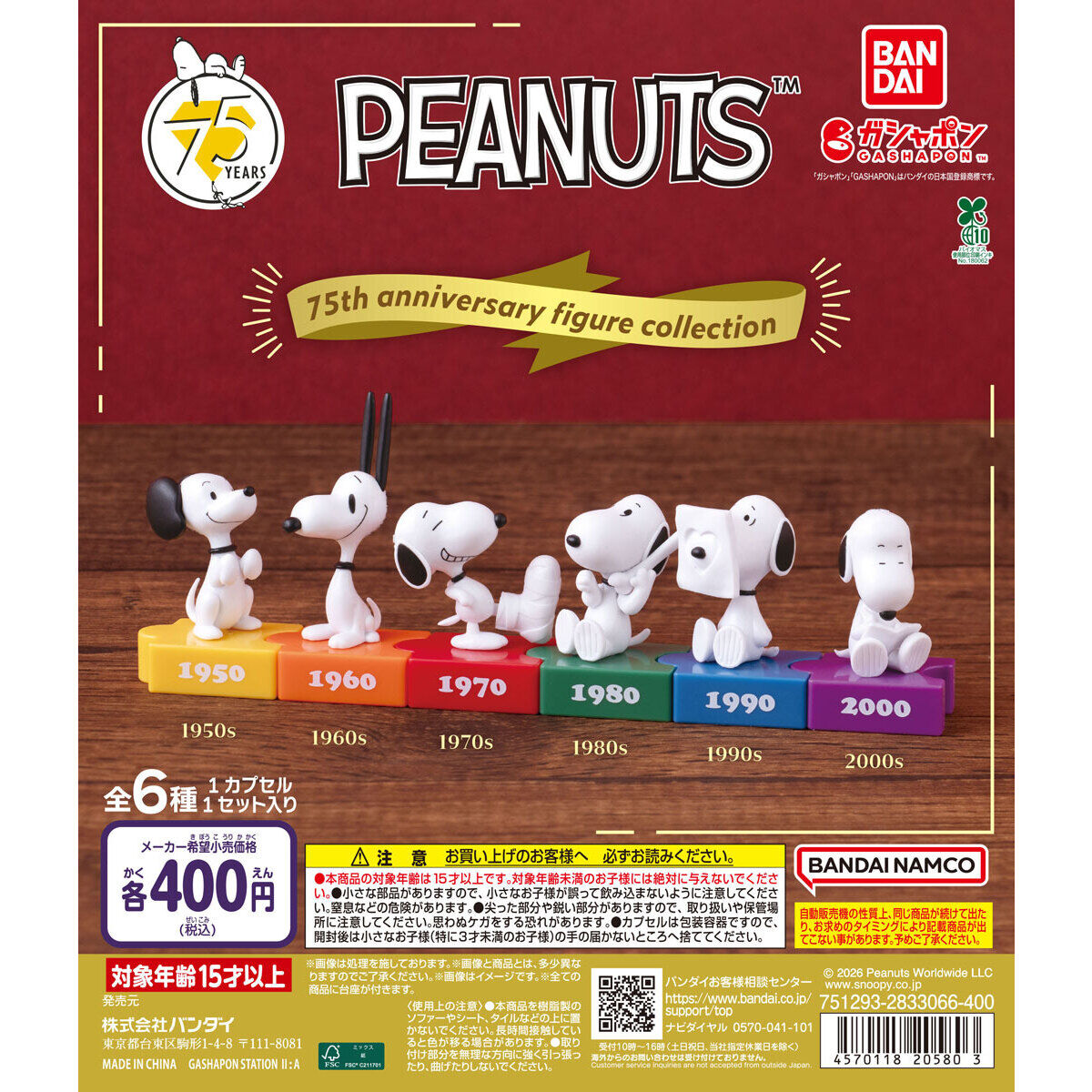
The Peanuts comic strip, created by Charles M. Schulz, officially celebrated its 75th anniversary on October 2, 2025. This landmark date commemorates the debut of the strip in 1950, marking seven and a half decades of cultural impact, character development, and international influence across multiple media, from print syndication to television specials and global merchandising.
The Significance of the Peanuts 75th Anniversary
The 75th anniversary is not merely a numerical milestone; it represents the sustained relevance of an artistic endeavor that fundamentally changed the landscape of American journalism and popular culture. When Charles M. Schulz launched Peanuts on October 2, 1950, through the United Feature Syndicate, he introduced a perspective that was starkly different from the gag-a-day comics of the era. By focusing on the internal lives, anxieties, and philosophical ponderings of children, Schulz tapped into a universal human experience that transcended age and geography.
Reaching 75 years of continuous legacy—even after the original creator's passing in 2000—is a rare feat in the history of syndication. The anniversary serves as a focal point for organizations like Peanuts Worldwide and the Charles M. Schulz Museum to acknowledge the strip’s transition from a daily newspaper feature to a permanent fixture in the global consciousness. For fans and researchers, the 2025 date provides a definitive marker to evaluate how the characters, such as Charlie Brown, Snoopy, Linus, and Lucy, have maintained their archetypal status while adapting to changing social climates.
Tracing the Origins: The Debut in 1950
To understand the weight of the 75th anniversary, one must return to the initial launch. In 1950, the comic strip debuted in seven newspapers. The early iterations, titled "Li'l Folks," had undergone a transition into the iconic Peanuts branding that readers would recognize for the next half-century.
The 1950s era of the strip established the core dynamics that define the franchise: Charlie Brown’s struggle with self-doubt, Snoopy’s burgeoning imagination, and the satirical, often sharp-tongued observations of the secondary cast. Throughout the decades, the art style evolved from a thick-lined, minimalist aesthetic to the precise, cleaner lines that became the standard for modern comic art. The 75-year history is a testament to the rigorous, solitary labor of Schulz, who remained the sole writer and artist of the strip for 50 years, producing over 17,000 individual strips.
Global Cultural Impact and Diversification
The longevity of Peanuts is linked to its expansion beyond the Sunday funnies. The late 1960s and 1970s saw the franchise evolve into a powerhouse of television animation, most notably with the creation of A Charlie Brown Christmas and It’s the Great Pumpkin, Charlie Brown. These specials codified the visual language of the characters and introduced Vince Guaraldi’s iconic jazz score, which remains synonymous with the franchise today.
By the time the strip reached its 75th year in 2025, the brand had successfully navigated the transition from physical print media to digital streaming and global licensing. The influence of the characters is visible in diverse sectors:
- Literature: The widespread publication of the Complete Peanuts collections has preserved the history of the strip for new generations.
- Aeronautics: The naming of Apollo 10’s command and lunar modules as "Charlie Brown" and "Snoopy" cemented the characters in the history of space exploration.
- Fashion and Retail: The iconic silhouette of the characters has become a staple of global design, collaborating with major luxury houses and everyday retailers.
Navigating the Timeline: Verification of 2025 Milestones
For those researching the history of the strip, it is vital to distinguish between the official anniversary date and the broader celebrations that occurred throughout 2025. October 2, 2025, served as the specific "birthday" of the franchise. Leading up to this date, various institutions held retrospective exhibitions and archival releases to honor the legacy.
Understanding the specific timeline is useful for those looking to collect anniversary-specific memorabilia or access academic resources regarding the history of comic strips. As of 2026, the historical record remains anchored to the 1950 debut, confirming that any materials released in 2025 were specifically timed to the 75-year retrospective.
Comparison of Key Historical Milestones
The following table provides a breakdown of how Peanuts has reached its current stature through pivotal moments in its seven-decade history.
| Milestone | Year | Significance |
|---|---|---|
| First Strip Published | 1950 | The official start of the franchise on October 2. |
| Television Debut | 1965 | A Charlie Brown Christmas premieres on CBS. |
| Apollo 10 Mission | 1969 | Characters are integrated into NASA mission terminology. |
| Schulz Retirement | 2000 | The final daily strip is published shortly after Schulz's death. |
| 50th Anniversary | 2000 | A major milestone reflecting on the half-century of work. |
| 75th Anniversary | 2025 | A landmark celebration of three-quarters of a century. |
The Role of the Charles M. Schulz Museum
Located in Santa Rosa, California, the Charles M. Schulz Museum serves as the primary repository for the history of the strip. In the lead-up to and during the 75th anniversary in 2025, the museum acted as the epicenter for scholarly analysis and public engagement.
For researchers or enthusiasts, the museum provides the most accurate documentation of the strip’s evolution. While many sources online offer summaries of the characters, the museum maintains the original art, personal correspondence, and documentation regarding the business history of the strip. When attempting to verify facts surrounding the 75th anniversary—such as exhibition dates or special archival releases—the museum’s official records are the standard for verification.
Common Misconceptions Regarding the Anniversary
As with any long-running pop culture entity, misconceptions often arise regarding the "age" of the brand versus the "age" of the characters.
- The Characters Do Not Age: While the strip reached 75 years in 2025, the characters within the world of Peanuts remain perpetually young. Charlie Brown is famously a "round-headed kid," and his age is generally cited as around eight years old, despite the passage of real-world time.
- End Date vs. Anniversary: Some casual fans have confused the 2000 conclusion of the original strip with the end of the brand itself. It is important to distinguish between the production of new original content by Schulz and the ongoing existence of the Peanuts brand, which continues through licensing, re-runs, and new animated content produced under the supervision of the estate.
Practical Implications for Collectors and Educators
For those interested in the 75th anniversary from a collector’s or educator’s perspective, the 2025 milestone saw a surge in limited-edition content. If you are seeking materials from the 75th anniversary, focus on:
- Anniversary Editions: Publishers often release special hardbound collections that feature new commentary on the history of the strip.
- Archival Exhibits: Many public libraries and art galleries hosted traveling exhibits throughout 2025 that provided context on how the strip reflected the social landscape of the 1950s through the 1990s.
- Digital Repositories: Official digital archives and streaming platforms curated "best of" collections to mark the 75th year.
Collectors should be aware that 75th-anniversary-branded merchandise was released specifically during the 2025 calendar year. Items produced after this window may not bear the anniversary branding unless they are part of a specific historical set.
Educational Value in the 75th Year
The study of Peanuts offers a unique lens through which to view American cultural history. The strip chronicled the post-war era, the skepticism of the 1960s, and the consumer culture of the 1980s. Educators often use the 75th anniversary as a springboard to discuss:
- The Evolution of the Comic Format: How the strip moved from a daily newspaper staple to a multimedia franchise.
- Social Commentary in Art: How Schulz used characters like Lucy and Linus to discuss topics ranging from psychiatry to theology.
- The Economics of Intellectual Property: How the Peanuts estate has managed the brand's image and reach since 2000.
Frequently Asked Questions
Why is 2025 considered the 75th anniversary of Peanuts? The anniversary is calculated based on the inaugural publication of the comic strip on October 2, 1950. Exactly 75 years later, in 2025, the milestone was reached.
Did Charles M. Schulz work on the strip for the full 75 years? No. Charles M. Schulz passed away in February 2000, shortly after the final daily strip was published. The legacy of the strip is now managed by the Schulz family and Peanuts Worldwide.
Is there a specific location for the 75th anniversary celebrations? While celebrations were global, the Charles M. Schulz Museum in Santa Rosa, California, served as the primary venue for historical exhibitions and official commemorations in 2025.
Are there new Peanuts comics still being made? Since 2000, no new daily strips written or drawn by Charles M. Schulz have been produced. However, the legacy continues through reprints, animated specials, and books that curate his life’s work.
How does the 75th anniversary impact the value of vintage comics? The 75th anniversary served to raise the general profile of the franchise, which often leads to increased interest in vintage print runs and original art. Prices for such items are determined by market conditions, rarity, and condition, rather than the anniversary date itself.
Next Steps for Fans and Researchers
For those looking to deepen their understanding of this milestone, the most productive next action is to visit the official Peanuts website or the Charles M. Schulz Museum archives. These portals offer the most reliable information on the history of the franchise, including timelines of the strip’s development and verified facts regarding the 75th-anniversary initiatives. Whether you are a long-term collector or a student of mid-century American culture, these resources provide the foundational evidence required to navigate the legacy of one of the world's most enduring comic strips.