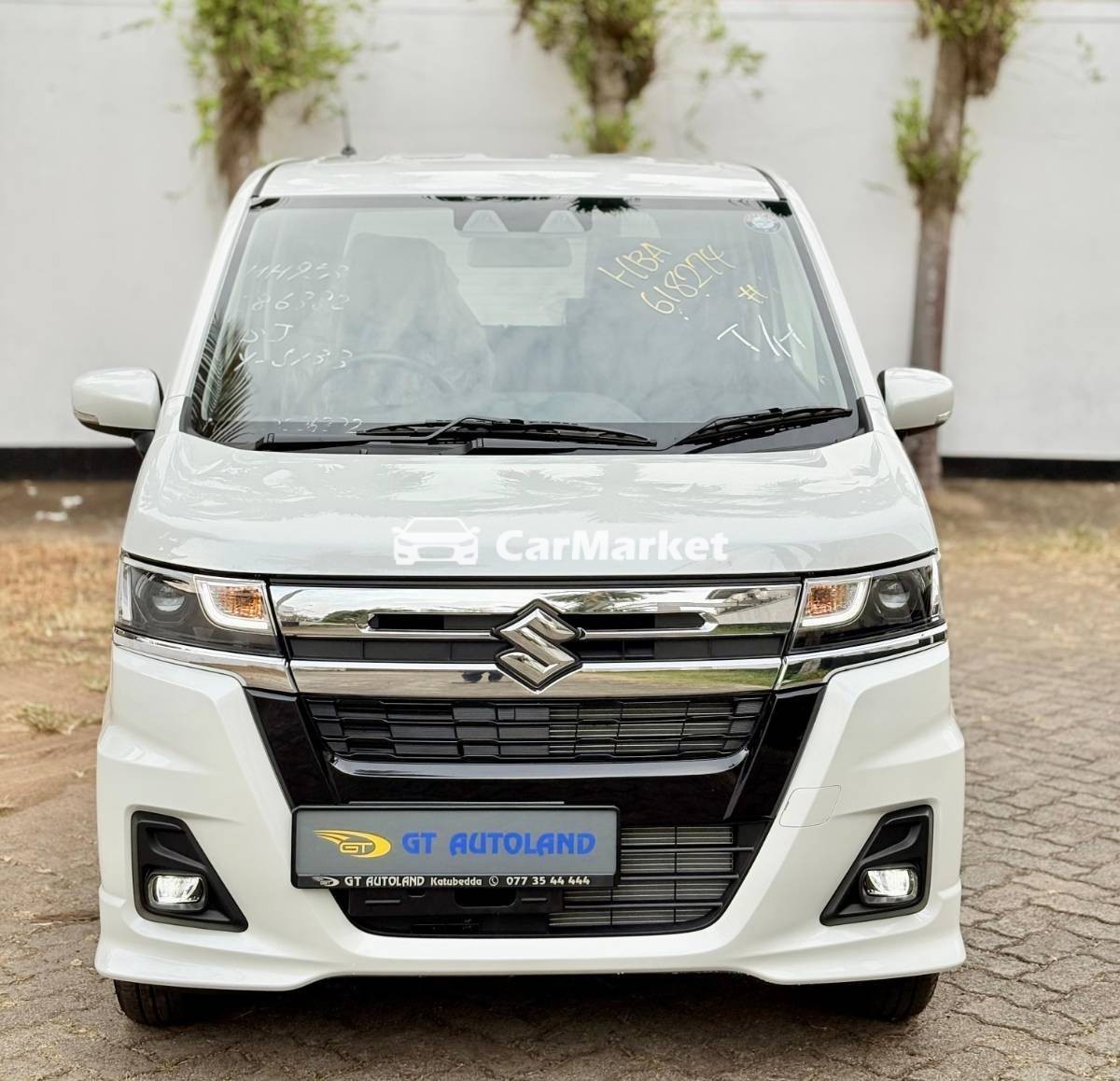
The market shifts and legal implications surrounding hybrid wagons highlight a complex intersection of evolving consumer demand, tightening global emissions regulations, and a resurgence of long-roof utility vehicles. Automakers face a shifting landscape where electrified station wagons must navigate strict safety standards, localized tax incentives, and cross-border trade compliances.
Introduction to the Evolving Hybrid Wagon Market
The automotive industry has long oscillated between chasing fleeting market trends and serving dedicated enthusiast segments. For decades, the traditional station wagon occupied a quiet, specialized niche, prized for its combination of sedan-like driving dynamics and cargo versatility. However, the sweeping global transition toward electrification fundamentally altered product lifecycles.
As manufacturers rushed to electrify their fleets, the market bifurcated. High-riding sport utility vehicles (SUVs) and crossovers captured the mainstream consumer imagination, while sedans and wagons saw production contractions in specific regions. Yet, a counter-movement emerged. Buyers seeking aerodynamic efficiency, lower center of gravity, and high fuel economy without pure-electric range anxiety began looking back toward long-roof configurations.
Integrating hybrid powertrains—ranging from mild hybrids (MHEV) to plug-in hybrids (PHEVs)—into wagon bodies offered a practical middle ground. This product evolution did not happen in a vacuum. It was shaped by heavy regulatory pressures, shifting emissions targets, and complex international trade laws. Understanding these market shifts requires examining how compliance mandates, consumer preferences, and legal frameworks intersect in the automotive sector.
Global Market Dynamics and the Resurgence of Long-Roof Electrification
The commercial viability of hybrid wagons depends heavily on regional market preferences. While North American buyers overwhelmingly favored light trucks and SUVs throughout the early 2020s, European and select Asian markets maintained a steady appetite for station wagons. When manufacturers introduced hybrid and plug-in hybrid variants of these models, they targeted regions with robust charging infrastructures and dense urban environments where vehicle footprint matters.
Market data from automotive analysts indicates that hybrid variants of traditional estates and wagons serve as a crucial bridge technology. Pure battery electric vehicles (BEVs) faced temporary adoption plateaus due to infrastructure gaps, battery supply chain constraints, and higher upfront acquisition costs. Hybrid wagons filled this gap by offering electric-only driving for daily commutes combined with the internal combustion engine range required for long-distance travel.
Consumer Demand Versus Regulatory Push
The expansion of hybrid wagon offerings is rarely driven solely by spontaneous consumer desire. Instead, it represents a calculated response to regulatory frameworks. Governing bodies worldwide introduced stringent fleet-average emissions caps, compelling automakers to electrify their entire vehicle lineups to avoid severe financial penalties.
- Fleet Emissions Standards: Regulations such as the European Union’s corporate average emissions targets penalize manufacturers for exceeding carbon dioxide limits per kilometer.
- Urban Access Restrictions: Low-emission zones (LEZs) and zero-emission zones in major metropolitan areas across Europe heavily restrict traditional diesel and gasoline vehicles, boosting demand for plug-in hybrid options that can operate on battery power alone within city centers.
- Corporate Fleet Purchases: A significant percentage of wagon sales globally are tied to corporate lease fleets. Environmental, social, and governance (ESG) mandates within companies forced corporate fleet managers to select low-emission vehicles, making plug-in hybrid wagons an attractive option for tax and compliance purposes.
Comparative Analysis of Powertrain Architectures in Wagons
Choosing a hybrid wagon involves evaluating distinct powertrain technologies, each with unique operational characteristics, manufacturing complexities, and regulatory classifications.
| Powertrain Type | Primary Mechanism | Fuel Efficiency Advantage | Regulatory Class | Typical Electric Range |
|---|---|---|---|---|
| Mild Hybrid (MHEV) | 48V electrical system assists ICE; regenerative braking | Moderate (5-15% improvement) | Standard Internal Combustion | None (Assist only) |
| Full Hybrid (HEV) | Self-charging system with larger battery and electric motor | High in stop-and-go urban traffic | Hybrid Electric Vehicle | Short distances (under 2 miles) |
| Plug-in Hybrid (PHEV) | External charging port, large battery pack, dual powertrain | Highest when charged regularly | Ultra-Low Emission Vehicle | 20 to 60+ miles |
Manufacturers must carefully weigh which architecture to apply to specific wagon platforms. While mild hybrids are cost-effective to produce and integrate seamlessly into existing assembly lines, they offer limited emissions credits under strict regulatory frameworks. Conversely, plug-in hybrids earn substantial regulatory credits and appeal to environmentally conscious buyers, but they add significant weight, complexity, and manufacturing cost to the vehicle.
Legal and Regulatory Implications for Hybrid Wagons
The legal landscape governing hybrid vehicles involves a complex web of environmental compliance, tax classifications, safety certifications, and international trade laws. As governments tighten environmental standards, the legal definitions surrounding what constitutes a "clean" or "green" vehicle face intense scrutiny.
Emissions Compliance and Testing Protocols
Automakers must certify their hybrid wagons under standardized testing cycles, such as the Worldwide Harmonised Light Vehicles Test Procedure (WLTP) in Europe or the Corporate Average Fuel Economy (CAFE) standards and Environmental Protection Agency (EPA) testing protocols in the United States.
The legal implications of these tests are substantial. Discrepancies between laboratory-tested fuel economy and real-world emissions have historically led to legal challenges, consumer protection lawsuits, and regulatory fines. For plug-in hybrid wagons, real-world emissions often depend heavily on user behavior—specifically, whether owners routinely plug the vehicle in or rely solely on the gasoline engine. Regulators have increasingly scrutinized these real-world disparities, leading to proposals to phase out certain tax incentives for plug-in hybrids unless real-world charging data demonstrates actual emissions reductions.
Tax Incentives, Subsidies, and Compliance Penalties
Government fiscal policies heavily influence the commercial success of hybrid wagons. Tax credits, purchase subsidies, and company car tax advantages can make or break a model's profitability.
- Purchase Subsidies: Many national and regional governments offer direct financial incentives for purchasing low-emission vehicles. However, qualifying thresholds frequently change, shifting eligibility away from plug-in hybrids toward pure electric vehicles.
- Company Car Taxation: In markets like the United Kingdom and Germany, company car benefit-in-kind (BIK) tax rates are heavily tied to tailpipe carbon dioxide emissions and electric-only driving range. Hybrid wagons with sufficient electric range often enjoy favorable tax brackets, driving high-volume corporate sales.
- Import Tariffs and Trade Agreements: Hybrid wagons manufactured outside the domestic market are subject to complex customs regulations, rules of origin, and regional trade agreements. Changes in international trade policy can instantly alter the retail price and competitiveness of imported models.
Safety Regulations and Structural Engineering Challenges
Integrating heavy battery packs into the traditional long-roof chassis of a station wagon presents distinct engineering and regulatory hurdles. Safety authorities enforce rigorous crash-testing standards that apply uniformly to all passenger vehicles, but wagons possess unique structural dynamics compared to traditional sedans and high-riding SUVs.
Crashworthiness and Weight Distribution
A station wagon features an extended roofline and a rear cargo area that must absorb kinetic energy differently than a truncated sedan trunk or a raised SUV structure. When engineers introduce a high-capacity lithium-ion battery pack into the floorpan or beneath the rear cargo floor of a wagon, the vehicle's total weight increases significantly—often by several hundred kilograms compared to its internal combustion predecessor.
- Structural Reinforcement: Side-impact and rollover standards require extensive reinforcement of the B-pillars, C-pillars, and side sills to protect the battery pack from intrusion during a collision.
- Braking and Handling Dynamics: The added mass alters the vehicle’s center of gravity and braking distance, requiring upgraded braking systems, specialized suspension tuning, and advanced electronic stability control systems to pass dynamic handling certifications.
Intellectual Property, Software Compliance, and Cybersecurity
Modern hybrid wagons are essentially computers on wheels, operating millions of lines of code to manage complex power splits between the internal combustion engine and electric motors, regenerative braking systems, and advanced driver-assistance systems (ADAS).
This digital shift brings profound legal responsibilities. Automakers must comply with stringent software regulations, such as the United Nations Economic Commission for Europe (UNECE) WP.29 regulations on cybersecurity and software updates. These regulations require manufacturers to implement a certified Cyber Security Management System (CSMS) and secure type-approval for every vehicle model sold in compliant markets.
Furthermore, intellectual property (IP) disputes regarding hybrid powertrain patents remain a contentious legal area. Cross-licensing agreements, battery chemistry patents, and proprietary electronic control unit (ECU) software require constant legal oversight to protect manufacturer investments and avoid costly infringement litigation.
Consumer Guidance and Fleet Procurement Strategies
Navigating the hybrid wagon market requires careful evaluation of total cost of ownership (TCO), operational requirements, and compliance with local regulatory shifts. Whether purchasing an individual vehicle or managing a corporate fleet, buyers should consider several practical factors.
Assessing Total Cost of Ownership
While hybrid wagons often command a higher initial purchase price than standard internal combustion models, the TCO equation involves multiple variables:
- Fuel and Electricity Costs: Calculating potential savings depends on daily commuting distances and access to affordable residential or workplace charging infrastructure.
- Maintenance Expenses: Hybrids often reduce wear on traditional friction brakes due to regenerative braking systems, though complex dual-powertrain maintenance requires specialized technician labor.
- Resale Value Depreciation: Monitoring secondary market demand for electrified wagons helps predict long-term asset retention, particularly as government regulations continue to favor lower-emission fleets.
Verification and Compliance Checks for Buyers
Before finalizing a purchase or corporate lease agreement, stakeholders should verify vehicle specifications against current regulatory standards:
- Check Official Emissions Certifications: Review official WLTP or EPA documentation to verify real-world fuel consumption and electric-only range ratings.
- Verify Subsidy Eligibility: Confirm whether the specific hybrid wagon variant qualifies for local purchase grants, tax exemptions, or low-emission zone access permits in your primary operating region.
- Evaluate Charging Infrastructure: Ensure that access to appropriate Level 2 or DC fast-charging capabilities aligns with the vehicle's onboard charger specifications and daily operational needs.
Frequently Asked Questions
Are hybrid wagons still legally viable under tightening global emissions rules?
Yes. Hybrid wagons, particularly plug-in hybrids with sufficient electric range, remain compliant with many current regional emissions standards. They serve as a transitional compliance tool for automakers seeking to lower fleet-average carbon dioxide output without relying solely on pure electric vehicles. However, regulatory thresholds continue to tighten, and long-term viability depends on the specific electric range and real-world emissions performance of each model.
How do hybrid wagons differ legally from plug-in hybrid electric wagons?
From a regulatory perspective, standard hybrid electric vehicles (HEVs) and mild hybrids do not require external charging and receive fewer government emissions credits because their electric-only range is minimal. Plug-in hybrid electric vehicles (PHEVs) possess larger battery packs that can be charged via an external power source, allowing them to qualify for distinct tax incentives, lower company car tax brackets, and specific urban low-emission zone exemptions.
What are the primary safety compliance challenges for hybrid wagons?
The primary safety challenges involve managing the structural weight and placement of high-voltage lithium-ion battery packs within the elongated chassis of a station wagon. Manufacturers must reinforce side sills, floor pans, and rear structures to pass rigorous crash-testing standards while ensuring that the added mass does not compromise vehicle handling, braking performance, or rollover resistance.
Do hybrid wagons qualify for the same tax incentives as fully electric vehicles?
Generally, no. While hybrid wagons often qualify for partial tax credits, reduced registration fees, or favorable corporate lease tax rates, governments increasingly restrict top-tier subsidies exclusively to zero-emission battery electric vehicles or fuel-cell vehicles. Qualification criteria vary significantly by jurisdiction and are subject to frequent legislative updates.
What should fleet managers look for when procuring hybrid wagons?
Fleet managers should evaluate the total cost of ownership, real-world fuel and electricity consumption data, driver charging habits, and local tax classifications. Procuring models with verified electric ranges that match daily delivery or commuting routes ensures maximum tax efficiency and compliance with corporate sustainability mandates.
Conclusion and Next Actions
The landscape of hybrid wagons is shaped by a delicate balance between engineering innovation, shifting consumer habits, and stringent legal frameworks. While regulatory pressures continue to drive electrification, the long-roof wagon format provides a practical, efficient alternative to bulkier SUVs.
For prospective buyers and fleet operators, the next logical step is to review current regional tax incentives, verify vehicle emissions and safety certifications directly with manufacturers or regulatory bodies, and analyze daily driving patterns against available charging infrastructure to determine the most cost-effective powertrain configuration.