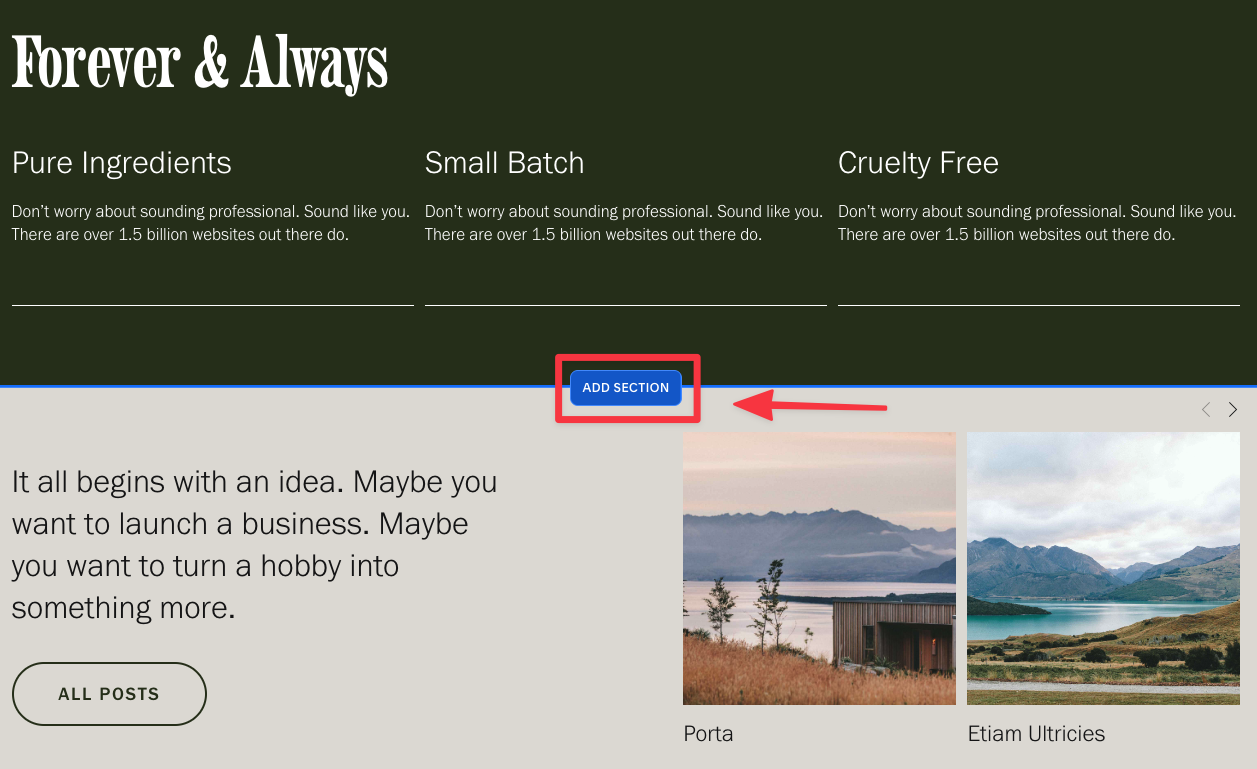
Reviewing historical web design education materials—such as assessing a 2018 Squarespace tutorial from the vantage point of 2020—provides a valuable lens through which to evaluate how rapidly digital platforms evolve, how pedagogical approaches change, and how enduring core website-building concepts truly are. When users revisit older guides, they often discover a mix of timeless foundational design principles alongside deprecated interface elements that require modern updates.
Understanding the Context: Squarespace in 2018 Versus 2020
To properly evaluate a tutorial produced in 2018, one must first understand the software landscape of Squarespace during that specific era. In 2018, Squarespace was operating heavily within the ecosystem of version 7.0, an architecture defined by structured template families, rigid page layouts, and a compartmentalized styling interface known as the Site Styles panel. Creators building a site in 2018 relied heavily on choosing a specific template because changing templates later often meant completely rebuilding the site structure.
By contrast, the 2020 digital landscape saw Squarespace solidifying its transition toward version 7.1. Version 7.1 fundamentally altered how users built websites by standardizing features across all templates, introducing fluid section-based layouts, and streamlining global design controls. Consequently, following a 2018 tutorial in the year 2020 or later meant navigating interface discrepancies where buttons, layout engines, and block insertions did not match contemporary dashboard layouts.
Key Architectural Shifts Between Eras
- Template Dependency: 2018 tutorials emphasized choosing the "right" template because styling constraints varied wildly between template families. 2020 workflows treated templates merely as starting points since version 7.1 allowed access to every design feature regardless of the initial template chosen.
- Editor Experience: The older iteration relied on traditional content blocks inserted via block indicators scattered across page sections, whereas later iterations refined these controls for quicker inline editing.
- Mobile Responsiveness: While both eras prioritized mobile optimization, 2018 guides frequently required manual tweaking of spacer blocks to force correct mobile reflowing, a technique largely superseded by automated grid systems in subsequent software updates.
Evaluating the Pedagogical Value of 2018 Tutorials
Despite interface changes, a well-structured 2018 tutorial often retained immense value regarding the theory of website creation. Effective tutorials do not merely click buttons; they teach information architecture, visual hierarchy, user experience (UX) design, and content strategy.
For instance, instructions detailing how to structure a homepage hero section, write compelling calls-to-action (CTAs), optimize high-resolution imagery for web performance, and establish a coherent color palette remained entirely accurate and useful in 2020. Creators who focused on the underlying principles rather than rote memorization of dashboard menus found that older educational content provided a solid foundation for digital publishing.
Strengths and Limitations of Older Guides
| Feature / Aspect | 2018 Tutorial Approach | 2020 Platform Reality |
|---|---|---|
| Template Selection | Crucial decision; dictated site capabilities and structural limitations. | Minor starting point; all templates share identical features in version 7.1. |
| Layout Building | Relied on precise column configurations and spacer blocks for spacing. | Utilized structured sections with built-in padding and alignment controls. |
| E-commerce Setup | Basic product inventory management and standard checkout integrations. | Advanced merchandising, integrated shipping solutions, and automated tax tools. |
| SEO Fundamentals | Page titles, |
Core Components Explored in Retrospective Reviews
When conducting a comprehensive review of these training materials, analysts typically examine four core pillars: design flexibility, e-commerce capability, ease of use, and search engine optimization (SEO) readiness.
Design Flexibility and Customization
In 2018, achieving custom designs often required injecting custom Cascading Style Sheets (CSS) via the Code Injection panel to override template limitations. A typical 2018 tutorial would spend significant time teaching users how to write custom CSS selectors to change font sizes or alter padding. In 2020, native style controls had expanded significantly, reducing the necessity of custom code for everyday users. Reviewers noting this shift emphasized that while older tutorials taught valuable technical workarounds, modern builders saved time by relying on native layout engines.
E-Commerce Evolution
E-commerce functionality underwent substantial maturation between 2018 and 2020. Tutorials from 2018 focused heavily on setting up Stripe accounts, basic physical and digital product listings, and foundational shipping flat rates. By 2020, Squarespace commerce had expanded to include advanced shipping rules, point-of-sale integrations via Square, customer accounts, and automated abandoned cart recovery emails. Reviewing a 2018 e-commerce tutorial in 2020 immediately highlighted the missing advanced marketing features, demonstrating how quickly digital commerce expectations had accelerated.
Search Engine Optimization (SEO) Integration
Search engine optimization guidelines remained relatively consistent in their core tenets—focusing on keyword placement, alt text for images, clean URL structures, and mobile usability—but the technical execution shifted. Older tutorials frequently obsessed over meta keywords (which major search engines had already deprecated) and manual XML sitemap submissions. A 2020 critique of these guides highlighted the importance of moving away from outdated SEO myths and focusing instead on page load speed, structured data, and high-quality user engagement metrics.
Common Pitfalls When Using Outdated Guides
Attempting to follow historical tutorials without contemporary context introduces several friction points for modern creators:
- Dashboard Confusion: Menu items move. What was once found under "Design > Template" might reside elsewhere in later dashboard configurations.
- Broken Feature Expectations: Expecting features that did not exist in 2018—such as advanced promotional pop-ups, integrated video studios, or member areas—leads to frustration if the guide promises seamless integration.
- Responsive Design Conflicts: Using 2018 techniques like excessive spacer blocks on modern responsive grid systems can break mobile layouts, resulting in distorted text and overlapping images on smartphones.
Frequently Asked Questions
Can I still build a professional website using a tutorial from 2018?
Yes, provided you understand the fundamental design principles and recognize that the user interface may have changed. The core concepts of layout, typography, and content hierarchy remain timeless, even if buttons and menus have been relocated in the software dashboard.
Why did Squarespace version 7.1 change the tutorial landscape?
Version 7.1 unified all templates under a single codebase and design system, eliminating the rigid template-switching restrictions that defined version 7.0 in 2018. This made older tutorials partially obsolete regarding navigation and layout mechanics.
Are older SEO instructions from 2018 still effective?
Basic SEO principles—such as writing clear page titles, optimizing image alt text, and creating readable URLs—remain valid. However, technical SEO recommendations regarding meta keywords and manual sitemap submissions are outdated and should be disregarded.
How do I reconcile interface differences when following an older guide?
Focus on the conceptual goal of the step rather than the exact menu path. If an older guide instructs you to click a specific tab that no longer exists, use the platform's search bar or check current documentation to locate the updated equivalent setting.
Is it better to discard pre-2020 tutorials entirely?
Not necessarily. While they should not be used as step-by-step technical manuals for current software builds, they remain valuable case studies for understanding web design evolution and mastering timeless layout strategies.
Practical Recommendations for Modern Site Creators
When approaching digital creation, creators should prioritize up-to-date documentation provided directly by platform help centers while using historical reviews and older tutorials strictly as supplementary context for design theory. Always verify software version compatibility before investing hours into following a legacy workflow, ensuring your time is spent leveraging contemporary tools designed for modern web standards.