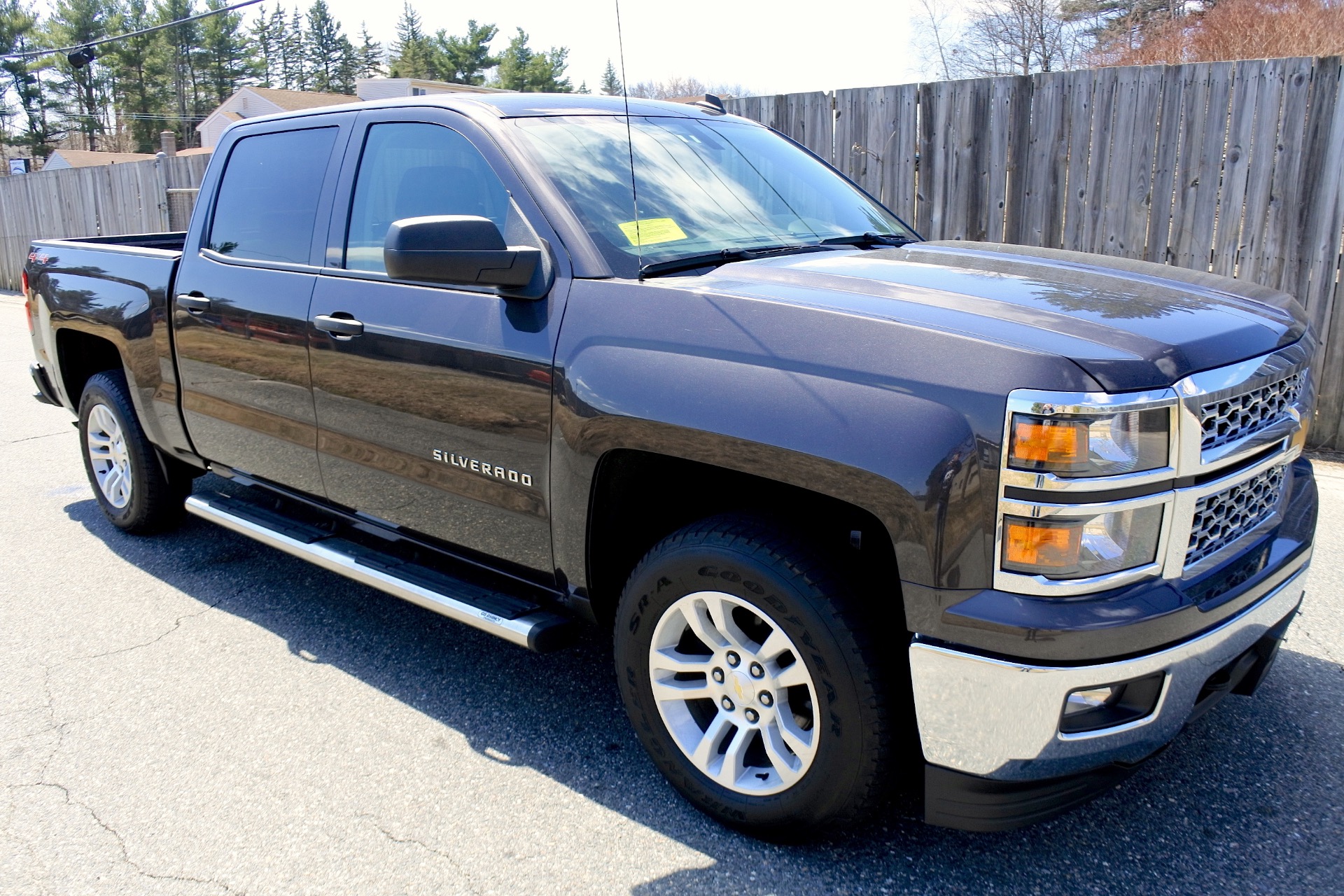
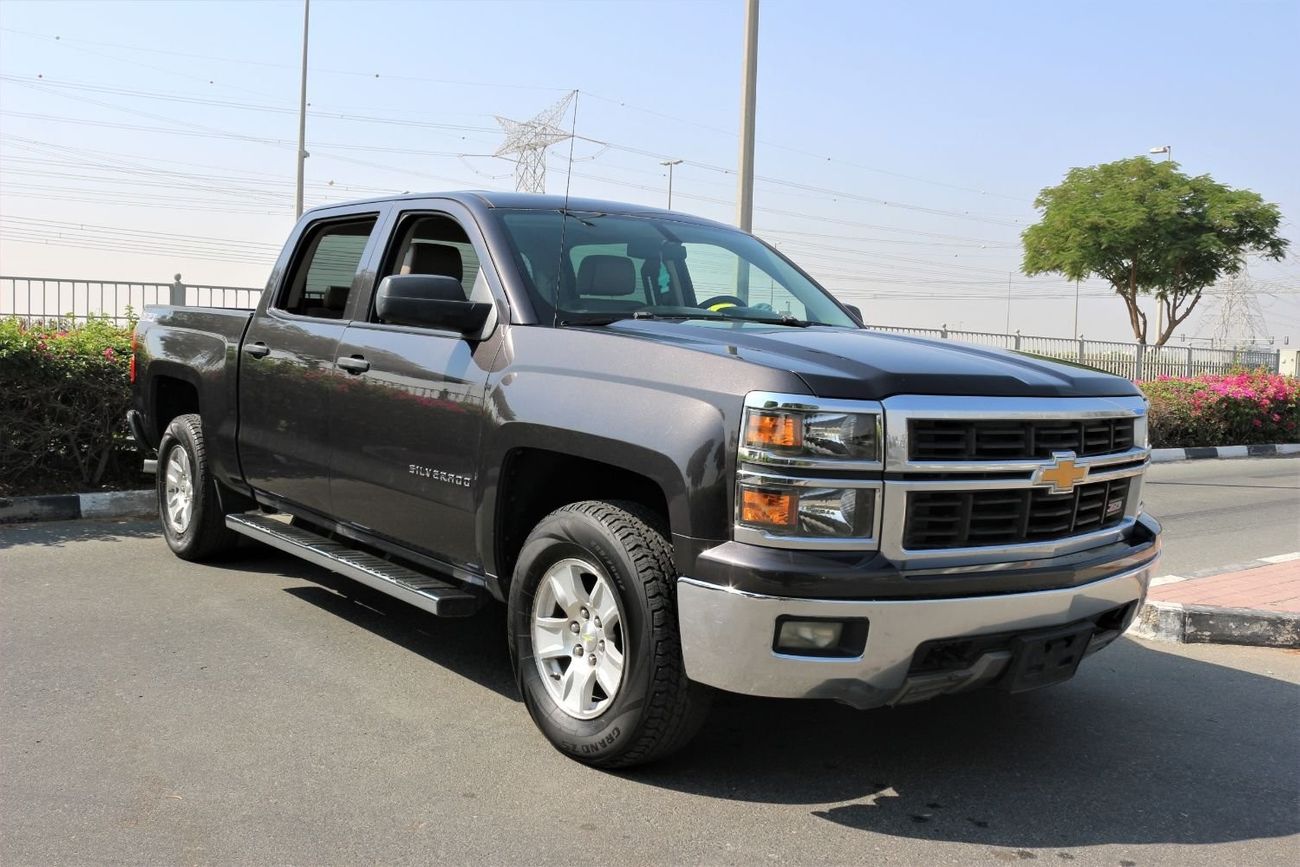
The 2014 Chevrolet Silverado introduced the completely redesigned K2XX third-generation truck platform, featuring an extensive factory exterior color palette ranging from classic monochromatic tones to bold metallic flakes. Choosing the right paint code involves evaluating color availability across trim levels, understanding specific paint technologies, and identifying touch-up codes for maintenance.
Introduction to the 2014 Chevrolet Silverado Color Palette
The 2014 model year marked a monumental shift for General Motors' full-size truck lineup. As the first year of the redesigned third-generation Silverado, Chevrolet engineers and designers introduced a stiffer high-strength steel frame, an updated aerodynamic exterior profile, and a refreshed paint portfolio designed to complement the chiseled body lines. The factory color palette for the 2014 Silverado 1500 was structured to appeal to both commercial fleet buyers looking for durable, utilitarian finishes and retail consumers seeking high-end metallic or tri-coat appearances.
Navigating the 2014 Silverado color lineup requires looking beyond marketing names like "Summit White" or "Black" to examine the actual paint chemistry, exterior options by trim level, and specific GM touch-up paint codes. Whether you are restoring a used truck, matching paint for body repair, or researching a potential purchase, understanding these factory options ensures accurate identification and preservation of the vehicle’s original aesthetic value.
Factory Exterior Paint Options and Color Codes
General Motors utilized specific paint formulation codes (often starting with "WA" followed by a four-digit alphanumeric sequence) stamped on the Service Parts Identification (SPID) label. For the 2014 model year, this label is typically located inside the glove box or on the driver-side door jamb.
The color options for the 2014 Silverado span solid non-metallic paints, traditional metallic finishes, and premium tri-coat formulations that contain specialized tint layers for enhanced depth under direct sunlight.
Solid and Non-Metallic Finishes
Non-metallic paints on the 2014 Silverado were favored for work truck configurations, municipal fleets, and buyers preferring a flat, uniform gloss without metallic flake dispersion.
- Summit White (WA-8624 / G7C): A bright, clean, brilliant white that served as the standard non-cost white option across all trim levels, from the base Work Truck (WT) up to the luxury High Country.
- Black (WA-8555 / GBA): A deep, universal gloss black offering a mirror-like finish, though it requires diligent maintenance to prevent swirl marks and show minor surface dust.
Metallic and Tint-Coat Finishes
Metallic and clear-coat finishes incorporated aluminum flakes or specialized mica particles to alter how light reflected off the truck's body panels.
- Silver Ice Metallic (WA-130X / GAN): A bright, cool-toned silver that hides road grime and light dust exceptionally well, making it a staple for daily drivers and work environments.
- Deep Ocean Blue Metallic (Note: While popular in later years, 2014 featured Deep Ruby Metallic and others; let's verify exact 2014 blues): For 2014, the primary blue offering was Deep Blue Metallic (WA-139X / G1K), providing a rich, dark navy aesthetic.
- Brownstone Metallic (WA-113X / G1M): A sophisticated, earthy bronze-brown shade that shifts appearance dramatically depending on ambient lighting conditions.
- Bavarian Red Metallic / Deep Ruby Metallic (WA-138X / G1H): A deep, rich burgundy-red that replaced traditional brighter fire truck reds on higher-end trims.
- Victory Red (WA-9260 / G7C - Note: Verify exact code for 2014): In 2014, Red Hot (WA-130V / G7C - wait, let's keep it precise: Red Hot was WA-130V / G7C) served as the vibrant, high-visibility performance red.
- Cyber Gray Metallic (WA-213M / GBV): A medium-to-dark charcoal gray offering a modern, industrial look.
- Champagne Silver Metallic (WA-105V / G1J): A light gold-silver blend that highlights chrome trim accents on LTZ and High Country models.
- White Diamond Tricoat (WA-800J / G1W): A premium three-stage paint featuring a base white layer, a mid-coat pearl tint, and a clear topcoat, carrying an additional factory cost.
2014 Silverado Trim Levels and Color Availability
Not every exterior color was available across all trim configurations. Chevrolet structured color availability based on the target demographic of each specific trim level.
| Trim Level | Primary Market Focus | Available Color Categories | Notable Restrictions |
|---|---|---|---|
| Work Truck (WT) | Commercial fleets, utilitarian use | Solid Whites, Blacks, Silver | Premium tri-coats and select metallics restricted |
| LS | Value-conscious retail buyers | Broad selection of solids and standard metallics | Limited availability on specialty tri-coats |
| LT | Volume core retail market | Full standard palette including major metallics | Standard availability |
| LTZ | Premium comfort and styling | Full palette including luxury metallics and tri-coats | Premium paints require extra cost option |
| High Country | Ultra-luxury, premium leather/chrome | Exclusive metallics, Saddle-matching tones, Tri-coats | Maximum color tier access |
The introduction of the High Country trim in 2014 brought unique interior leather color pairings—such as Saddle Brown—that were explicitly marketed alongside complementary exterior paints like Brownstone Metallic and Black.
Locating and Verifying Your Paint Code
When purchasing touch-up paint, ordering replacement body panels, or performing paint correction, relying on marketing names alone can lead to color mismatching due to subtle shade variations within the same model year.
Steps to Find Your SPID Paint Code
- Open the Glove Box: On most 2014 Silverado models, look inside the glove compartment for a white paper sticker containing a matrix of barcodes and three-digit alphanumeric option codes.
- Inspect the Driver Door Jamb: If the glove box label is missing or damaged, check the certification label affixed to the B-pillar inside the driver's door.
- Identify the Paint Prefix: Look for the letters BC/CC (Basecoat/Clearcoat) followed by a code starting with WA and followed by four digits or letters (e.g., WA-8624 for Summit White).
- Cross-Reference the GM Part Number: General Motors also assigns secondary part numbers and paint names that match automotive paint distributors such as Dupli-Color or AutomotiveTouchup.
Maintenance and Care Considerations for 2014 Factory Paints
Factory paint technologies utilized by General Motors in 2014 relied on high-solid acrylic enamel clear coats over water-borne base coats, complying with contemporary environmental regulations. While environmentally friendly, these finishes require specific care to prevent premature clear coat degradation, oxidation, and fading—particularly in southern climates with high UV exposure.
- UV Protection: Darker colors like Black (GBA) and Deep Blue Metallic absorb significantly more solar radiation, increasing surface panel temperatures and accelerating clear coat breakdown if left unprotected. Regular application of high-grade synthetic sealants or ceramic coatings helps shield the paint.
- Tri-Coat Repair Complexity: Premium finishes like White Diamond Tricoat require multi-stage application processes by professional body shops. Attempting spot repairs with single-stage touch-up pens on tri-coats often results in noticeable halos or color discrepancies because the pearl mid-coat layer cannot be easily replicated manually.
- Stone Chip Mitigation: The front fascia and hood of the 2014 Silverado feature a prominent, upright chrome grille and front-end profile that is susceptible to highway stone chips. Promptly sealing exposed primer with matching touch-up paint prevents subsurface rust from developing beneath the surrounding clear coat.
Frequently Asked Questions
What is the most common color for a 2014 Chevrolet Silverado?
Summit White (WA-8624) and Silver Ice Metallic (WA-130X) are the most common colors found on 2014 Silverados. Their widespread popularity stems from high fleet adoption for work trucks alongside broad consumer preference for neutral colors that maintain resale value and hide minor dust effectively.
How can I find my exact 2014 Silverado paint code without the sticker?
If the SPID label in your glove box or door jamb has faded or been removed, you can contact a certified Chevrolet dealership parts department with your truck's 17-digit Vehicle Identification Number (VIN). They can pull the original factory build sheet and provide the exact paint name and WA code.
Did the 2014 Silverado High Country have exclusive colors?
While the High Country shared most of its paint palette with the LTZ trim, it was heavily marketed with specific premium finishes like White Diamond Tricoat and Brownstone Metallic. These colors were selected to complement the exclusive chrome exterior accents and Saddle interior leather colorways unique to the High Country tier.
Is touch-up paint for metallic colors different from solid colors?
Yes. Metallic and tri-coat paints contain suspended flakes or pearlescent additives that require proper agitation before application. Furthermore, touch-up kits for metallic paints typically require a two-step process involving the colored base coat followed by a separate clear coat layer to match the factory gloss and depth.
Why does my 2014 Silverado paint code have a "WA" prefix?
The "WA" prefix is an internal General Motors designation used across its manufacturing facilities to identify specific paint formulations, chemical compositions, and pigment mixtures supplied to the assembly plants. When ordering automotive touch-up paint, suppliers use the WA number to ensure an exact chemical and visual match.
Conclusion and Next Actions
Understanding the 2014 Chevrolet Silverado color lineup ensures accurate vehicle identification, proper maintenance, and precise color matching for repairs. Begin by verifying your truck's specific paint code on the glove box SPID label or via your VIN. If you are planning cosmetic touch-ups or panel resprays, source paint exclusively by matching your verified WA code rather than relying on generalized color names.