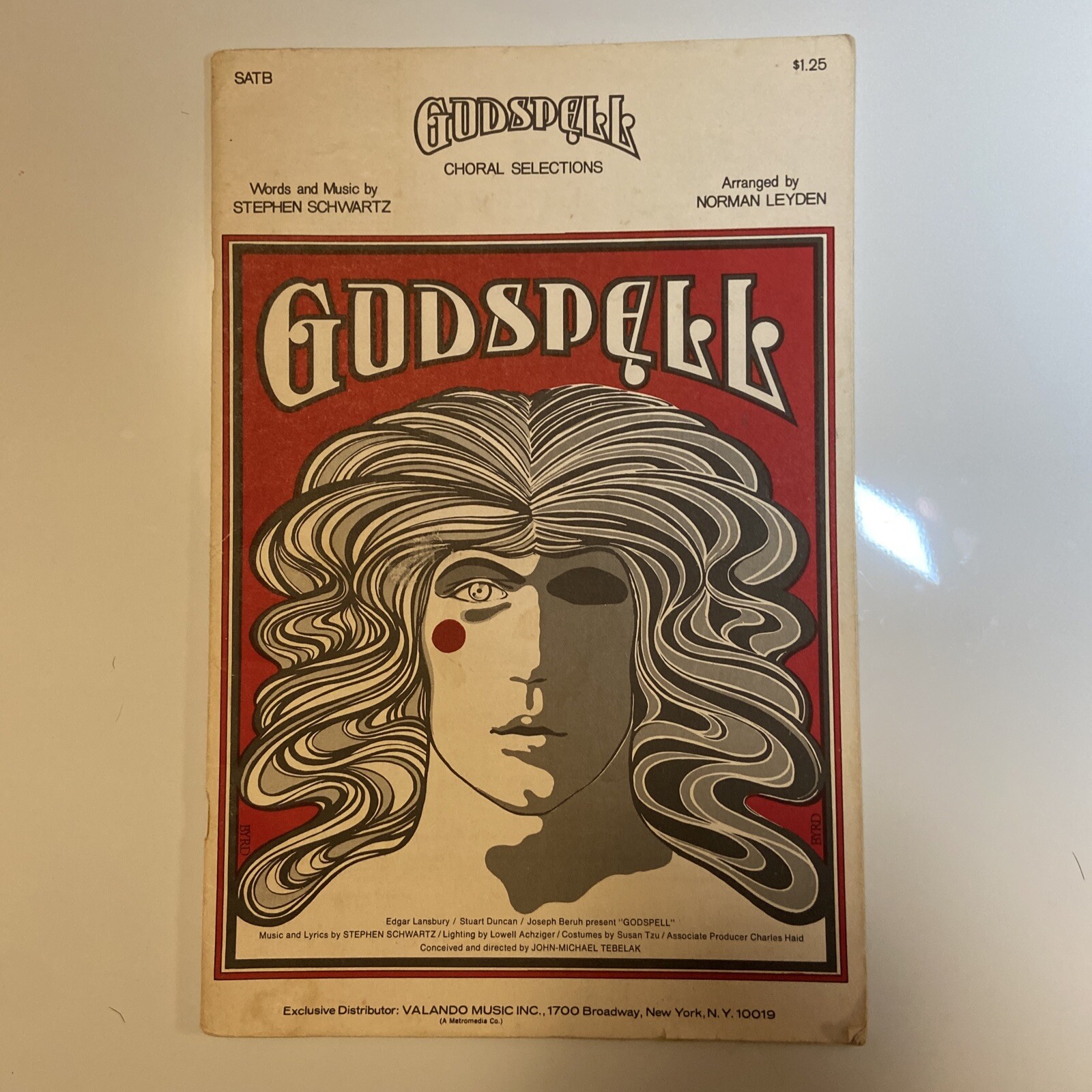
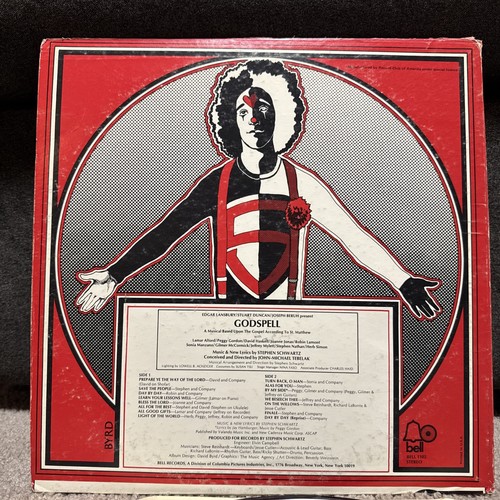
The 1972 film adaptation of Godspell, directed by David Greene and adapted from the smash hit Off-Broadway musical, captured the countercultural zeitgeist of the early 1970s by transforming the Gospel of Matthew into a joyous, hippie-infused modern parable set against the strikingly empty urban landscapes of a gritty New York City.
The Genesis of Godspell: Off-Broadway Roots to Cinema Screen
Understanding the cultural footprint of Godspell in 1972 requires tracing its path from an experimental theatrical workshop to a commercial juggernaut. Originally conceived by John-Michael Tebelak as a master’s project at Carnegie Mellon University, the musical was heavily influenced by traditional liturgical drama, clowning traditions, and the improvisational energy of 1960s theater. When theatrical producer Edgar Lansbury caught a student performance, he recognized its commercial potential and backed a professional Off-Broadway production.
The stage version opened at the Cherry Lane Theatre in May 1971 before transferring to the Promenade Theatre, where it ran for over 2,600 performances. The score, composed by a then-unknown Stephen Schwartz, proved to be an immediate sensation. Blending rock, pop, vaudeville, and traditional Christian hymnody, the music elevated the production far beyond a standard religious play. The song "Day By Day"—with its infectious melody and optimistic, simple lyricism—became a massive crossover radio hit in the summer of 1972, peaking at number thirteen on the Billboard Hot 100 chart. This radio success laid the groundwork for Columbia Pictures to greenlight a feature film adaptation, capturing the energy of the stage before a worldwide audience.
Cinematic Adaptation and Production Choices
When director David Greene and co-writer John-Michael Tebelak brought Godspell to the silver screen in 1972, they made a deliberate choice not to simply record a stage play on film. Instead, they leveraged the cinematic medium to expand the visual scope of the narrative while retaining its theatrical artifice.
Location Shooting in an Empty New York City
The most striking artistic choice in the 1972 film was its setting. Rather than utilizing a traditional soundstage or a pastoral Judean landscape, Greene filmed entirely on location across a stark, sun-drenched, and eerily deserted New York City. Landmark locations—including the World Trade Center towers (then under construction), the Brooklyn Bridge, the abandoned Lincoln Terminal, and various graffiti-scarred streets—provided a surreal backdrop. This stark urban decay contrasted sharply with the vibrant, primary-colored clown makeup and eccentric clothing of the cast, emphasizing themes of community, isolation, and spiritual renewal within a modern industrial wasteland.
Cast and Character Dynamics
The film cast featured many members from the various touring and stage productions, ensuring a lived-in chemistry among the ensemble. Victor Garber starred as Jesus, wearing a Superman t-shirt and sporting a gentle, charismatic earnestness. David Haskell played John the Baptist and Judas Iscariot, serving as a dynamic foil to Garber. The rest of the ensemble—including Lynne Thigpen, Robin Lamont (who famously sang "Day By Day"), Katie Hanley, and Merrell Jackson—played an eclectic mix of urban archetypes transformed by their encounter with the teachings of Jesus.
| Character / Role | Stage Origin / Background | 1972 Film Performer | Key Musical Numbers |
|---|---|---|---|
| Jesus | Carnegie Mellon / Original Workshop | Victor Garber | "Save the People," "Beautiful City" (Cut from 1972 film, added later) |
| John the Baptist / Judas | Off-Broadway Ensemble | David Haskell | "Prepare Ye the Way of the Lord," "All for the Best" |
| Ensemble Member | Touring Production | Robin Lamont | "Day By Day" |
| Ensemble Member | Stage Ensemble | Lynne Thigpen | "Bless the Lord" |
| Ensemble Member | Stage Ensemble | Merrell Jackson | "All Good Gifts" |
Musical Analysis and Score Impact
Stephen Schwartz’s score for Godspell remains one of the most distinctive theatrical creations of the 1970s. By setting liturgical texts—specifically sections of the Episcopal hymnal and the Gospel of Matthew—to contemporary rock and folk arrangements, the music bridged a cultural gap between traditional religious structures and the secular youth movement.
The orchestration relied heavily on acoustic guitars, electric bass, drums, and piano, reflecting the singer-songwriter and soft-rock styles dominating the early 1970s music charts. Songs like "Light of the World" and "By My Side" utilized close vocal harmonies and driving rhythms that felt contemporary alongside acts like Crosby, Stills & Nash and James Taylor. The lyrical content focused on humanistic ethics, kindness, community, and empathy, aligning with the peace-and-love ethos of the counterculture without preaching orthodox dogma.
Critical Reception and Box Office Performance
Upon its theatrical release in March 1973 (following its initial festival runs and late 1972 premieres), the film adaptation received generally positive reviews from major film critics. Reviewers praised its visual inventiveness, vibrant color palette, and the infectious energy of the young cast.
However, the film also faced specific artistic debates. Traditionalists occasionally found the hippie-clown aesthetic irreverent, while some secular critics felt the heavy reliance on biblical parables limited its universal appeal. Despite these contrasting views, the film performed respectably at the box office, bolstered by the residual popularity of the Off-Broadway show and the chart success of the soundtrack album. It also earned an Academy Award nomination for Best Original Song Score for Stephen Schwartz and arranger-conductor John-Michael Rubin.
Cultural Context of 1972: Jesus People and Counterculture
To fully understand why Godspell resonated so deeply in 1972, one must examine the broader cultural and religious landscape of the era. The early 1970s witnessed a fascinating convergence between the secular youth counterculture and a surge in Christian religious expression, often referred to as the "Jesus People" movement or the "Jesus Freak" phenomenon.
Young people disillusioned with institutional politics, the Vietnam War, and materialist consumerism began exploring alternative spiritualities. While many gravitated toward Eastern mysticism and communal living, a significant sub-segment embraced a modernized, non-denominational interpretation of Christianity that emphasized love, pacifism, and communal sharing. Godspell (alongside its contemporary stage and screen rival, Jesus Christ Superstar) captured this exact demographic shift. By presenting Jesus as a charismatic, denim-wearing friend rather than a distant, solemn deity, the production made spiritual concepts accessible and culturally relevant to a generation that distrusted traditional authority.
Common Misconceptions Regarding the 1972 Adaptation
Several persistent myths surround the 1972 film version of Godspell, often conflating it with either its stage iterations or competing religious projects of the same era.
- Conflation with the Stage Script: Many viewers assume the film features the exact same song list as the stage musical. In reality, the 1972 film omitted several key songs, such as "We Beseech Thee," while introducing new musical transitions and visual sequences tailored specifically for New York City locations.
- Confusion with Jesus Christ Superstar: While both properties debuted around the same time and dealt with the final days of Jesus through a rock score, they are entirely separate entities. Jesus Christ Superstar (adapted into a film in 1973 by Norman Jewison) is a sung-through rock opera with a heavier, more dramatic focus on political tension, whereas Godspell is structured as a series of lighthearted parables culminating in a poignant, reflective finale.
- Theatrical Release Timeline: Although the cultural peak of the phenomenon spans the years 1971 through 1973, the film itself finished principal photography in 1972 and received selective qualifying runs before expanding broadly in early 1973.
Frequently Asked Questions
What makes the 1972 Godspell film different from the stage musical?
The primary difference lies in the setting and visual storytelling. While the stage show typically takes place in an abstract theatrical space or construction site using audience interaction, the 1972 film utilizes authentic, deserted New York City locations. Additionally, the film reorders several musical numbers and omits songs like "We Beseech Thee" to improve the cinematic pacing.
Who composed the music for Godspell?
The music and lyrics were written by Stephen Schwartz, who later achieved legendary status for composing Broadway hits like Wicked and Pippin. The arrangements for the 1972 film were handled by John-Michael Rubin, giving the score its distinctive early-1970s acoustic-rock flavor.
Where was the 1972 Godspell movie filmed?
Production took place entirely on location in New York City. Notable backdrops include the World Trade Center site during its construction phase, the Cherry Hill fountain in Central Park, the Brooklyn Bridge, Schwartz's native Manhattan streets, and various abandoned piers and industrial zones.
Did the film adaptation win any major awards?
Yes. The film received an Academy Award nomination for Best Original Song Score (Adaptation) for Stephen Schwartz and John-Michael Rubin. Additionally, Robin Lamont’s recording of "Day By Day" from the stage and media promotions became a major radio single.
Is the 1972 film considered faithful to the Gospel of Matthew?
Structurally, yes. The narrative framework closely follows the Gospel of Matthew, adapting parables such as the Good Samaritan, the Prodigal Son, and the Sermon on the Mount into modern theatrical sketches, though filtered through a distinctly countercultural and humanist lens.
Recommendations for Further Exploration
To deepen your understanding of the 1972 Godspell phenomenon, consider exploring original cast recordings from both the Off-Broadway production and the 1972 motion picture soundtrack to compare vocal performances and arrangements. Additionally, reviewing documentaries or retrospective analyses on the 1970s Jesus Movement will provide essential historical context for why these artistic expressions found such a massive, receptive audience during that specific era.