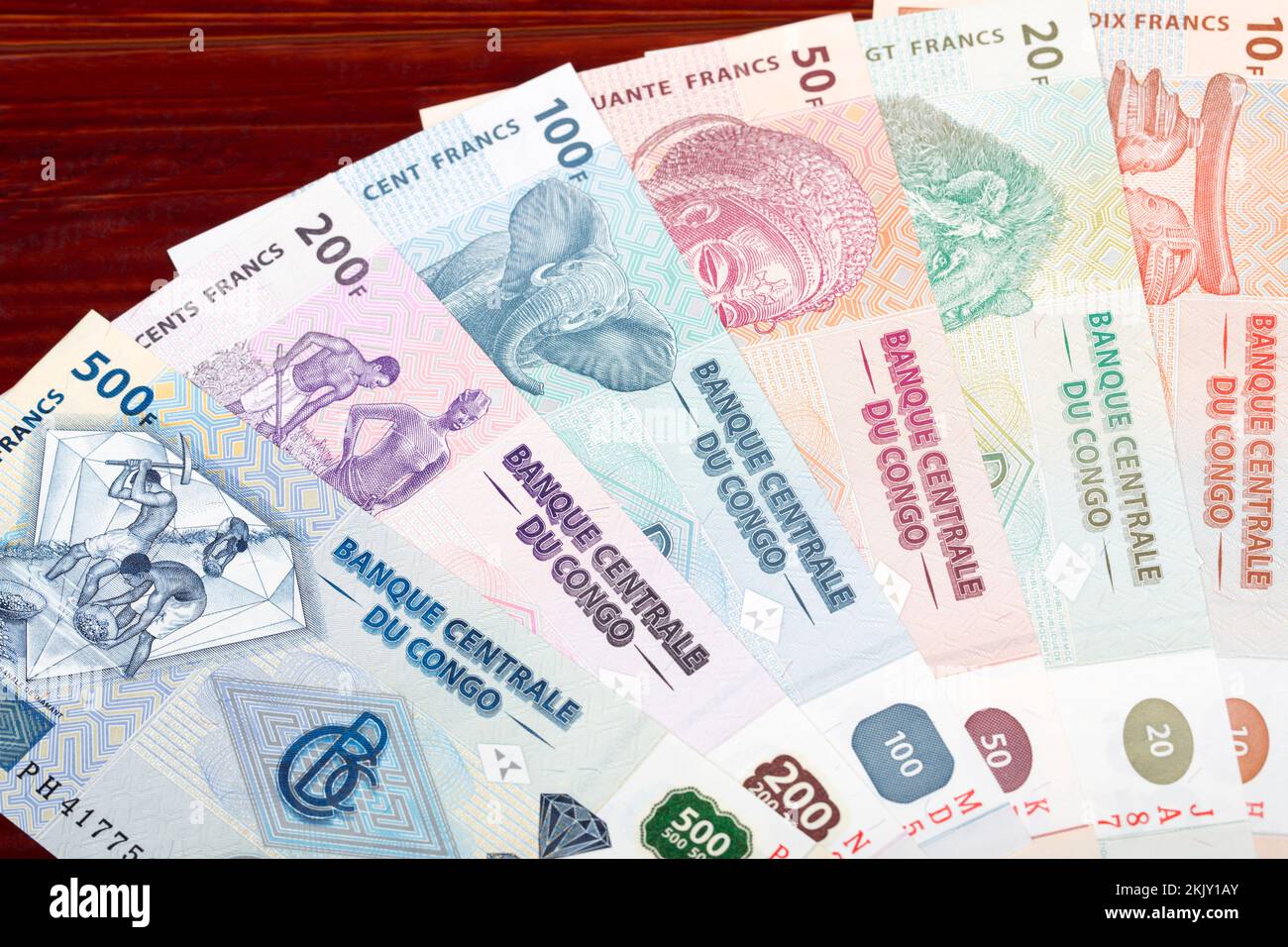
Converting 100 USD to the Congolese Franc (CDF) requires understanding the current interbank exchange rate, commercial markup fees applied by remittance providers, and the specific mechanics of currency exchange in the Democratic Republic of the Congo.
Converting 100 United States Dollars into Congolese Francs yields an amount that fluctuates based on daily foreign exchange market movements, typically ranging between 280,000 and 290,000 CDF depending on official Central Bank of the Congo rates and commercial provider spreads.
Navigating foreign exchange transactions involving the Congolese Franc requires a careful look at economic conditions, official versus parallel market rates, digital transfer options, and cash handling practices. Whether you are sending money to family, planning business travel, or managing multi-currency assets, understanding the underlying financial landscape ensures you maximize the value of your funds.
Understanding the Congolese Franc (CDF) and USD Dynamics
The Congolese Franc serves as the official currency of the Democratic Republic of the Congo (DRC), regulated by the Banque Centrale du Congo (BCC). However, the economy of the DRC operates under a distinct dual-currency system. Alongside the official national currency, the United States Dollar is widely accepted and heavily utilized for large transactions, real estate, major retail purchases, and savings.
Because of this dual-currency dynamic, exchange rate stability is a central focus of monetary policy in Kinshasa. The BCC manages the national currency value against foreign currencies, particularly the US dollar, which acts as the dominant anchor for imports and international trade. When you convert 100 USD to Congolese Francs, you are interacting with an exchange rate that reflects both domestic macroeconomic indicators—such as foreign exchange reserves and commodity export revenues, especially from copper and cobalt—and international foreign exchange market flows.
It is vital to distinguish between the official reference rate published by the Central Bank of the Congo and the commercial rates offered by high-street banks, mobile money operators, and independent money transfer services. While the official rate provides a baseline, commercial entities incorporate margins, operational fees, and service charges into the final conversion amount delivered to the recipient.
Exchange Rate Mechanics: Official vs. Commercial Rates
When converting a specific sum like 100 USD, the math is straightforward in theory: you multiply the principal amount by the prevailing exchange rate. In practice, however, the rate you receive depends entirely on the financial channel you choose.
The Central Bank Reference Rate
The Banque Centrale du Congo calculates and publishes daily reference rates based on weighted averages of interbank transactions and foreign exchange bureaus. This rate represents the wholesale price of money and is rarely available to retail consumers making small, everyday transactions.
Retail and Commercial Spreads
Retail providers—including commercial banks, digital remittance platforms, and cash pickup counters—add a spread to the official rate. For a modest amount like 100 USD, even a small percentage shift in the exchange rate can noticeably affect the total number of Congolese Francs received. Furthermore, flat transfer fees can disproportionately impact smaller transactions compared to larger capital transfers.
To illustrate how different channels and cost structures impact your conversion of 100 USD to Congolese Francs, consider the following comparative breakdown:
| Transfer Method / Provider Type | Typical Exchange Rate Spread | Transfer Fee Structure | Estimated Net CDF Received (for 100 USD) | Speed & Accessibility |
|---|---|---|---|---|
| Central Bank Reference Rate | 0% (Benchmark) | None | ~285,000 CDF (Theoretical) | Institutional use only |
| International Remittance Apps | Low to Moderate (1% - 3%) | Low flat fee or percentage | ~277,000 - 282,000 CDF | Minutes to 1 business day; Mobile wallet or bank deposit |
| Commercial Banks (Wire Transfer) | Moderate (2% - 5%) | High flat wire fees ($15 - $40) | Highly variable; fees may exceed value | 2 to 5 business days; Bank account required |
| Mobile Money Services | Moderate to High (3% - 6%) | Variable withdrawal/conversion fees | ~268,000 - 275,000 CDF | Instant; Direct to mobile wallet |
| Local Cash Exchange Bureaus | High volatility based on location | Commission included in quoted rate | Dependent on physical cash condition | Immediate; Physical cash required |
Methods for Converting and Sending 100 USD to the DRC
Choosing the right platform to convert and transfer 100 USD into Congolese Francs depends on whether the recipient needs physical cash, funds deposited into a bank account, or mobile money credits.
Digital Remittance Platforms
Modern financial technology companies have streamlined cross-border transfers to Central Africa. Providers such as TapSend, WorldRemit, and specialized African remittance apps allow senders in the United States, Europe, or other regions to convert USD directly into CDF or deliver USD for cash pickup.
- Advantages: Transparent exchange rates, tracking capabilities, and fast delivery.
- Considerations: Senders must create verified accounts, and availability depends on the sender's home country regulations and anti-money laundering compliance checks.
Mobile Money Integration
Mobile financial services have expanded rapidly across the DRC. Providers such as Orange Money and M-Pesa (Vodacom) allow funds to be routed directly to a mobile wallet linked to a recipient’s phone number.
- Advantages: High accessibility, especially for populations lacking traditional bank branches.
- Considerations: Daily and monthly transaction limits apply, and withdrawing physical cash from mobile money agents often incurs additional local cash-out fees.
Traditional Wire Transfers
Traditional bank-to-bank SWIFT transfers remain available through major international banking networks. However, for a relatively small sum like 100 USD, traditional wire transfers are rarely cost-effective. Fixed intermediary bank fees and outgoing wire charges from US banks can easily consume 20% to 40% of a 100 USD principal before the funds even reach a recipient bank in Kinshasa or Lubumbashi.
Practical Considerations and Local Regulations in the DRC
Executing foreign exchange transactions or receiving money in the DRC involves navigating specific regulatory frameworks and practical hurdles on the ground.
Banknote Condition and Acceptance
If you are handling physical United States Dollars—either to carry into the country or to exchange locally—pay strict attention to the condition of the banknotes. Banks, exchange booths, and merchants in the DRC enforce rigorous standards regarding USD banknotes. Bills that are torn, heavily marked, stamped, worn, or printed prior to 2013 are frequently rejected or accepted only at a severe discount. Pristine, uncirculated, modern-series Federal Reserve notes are essential.
Regulatory and Reporting Thresholds
The Banque Centrale du Congo and regulatory bodies monitor foreign exchange inflows to prevent illicit finance and capital flight. While a 100 USD transaction falls well below mandatory reporting thresholds for anti-money laundering (AML) and know-your-customer (KYC) laws, formal financial institutions will still require valid identification from the sender and recipient to comply with international remittance standards.
Inflation and Currency Volatility
Economic conditions in the DRC can introduce volatility into the purchasing power of the Congolese Franc. Local price levels for goods and services are frequently indexed to the US dollar. Consequently, tracking inflation rates and monitoring the stability of the CDF against the USD is important for anyone managing regular financial flows into the region.
Frequently Asked Questions
What is the exact exchange rate for 100 USD to Congolese Francs today?
Exchange rates fluctuate continuously throughout the day based on foreign exchange markets. Because rates change constantly, it is necessary to check a reliable financial tracking tool or your chosen remittance provider's live portal at the exact moment of your transaction to see the real-time conversion value.
Can I send physical USD cash to someone in the DRC?
Yes, several international cash pickup services allow senders to deposit USD, which the recipient can then collect in cash at designated local partner locations, such as commercial banks or authorized payout agencies in major Congolese cities.
Why do commercial exchange rates differ from the official Central Bank rate?
Commercial providers—including banks, fintech apps, and money transfer operators—add a markup or spread to the official interbank rate to cover operational expenses, currency hedging risks, and profit margins. Additionally, separate transfer fees may apply.
Are there limits on how much money I can send to the DRC?
While 100 USD is a small transaction that falls below regulatory restriction thresholds, digital platforms, mobile money operators, and commercial banks enforce their own minimum and maximum transaction limits based on account verification tiers and local compliance laws.
What is the best way to avoid high fees on small transfers like 100 USD?
For small amounts, avoid traditional bank wire transfers, which carry high fixed fees. Instead, compare specialized digital remittance applications and mobile money providers that offer transparent pricing structures and low-cost or zero-fee promotional tiers for first-time senders.
Conclusion and Next Actions
Converting 100 USD to Congolese Francs is a straightforward process once you account for the variances between official central bank benchmarks and commercial retail rates. To secure the best value, compare live exchange rates and fee structures across reputable digital transfer services and mobile money platforms before initiating your transaction. Always ensure that any physical US banknotes involved are in pristine condition, and verify recipient details carefully to ensure a seamless transfer.