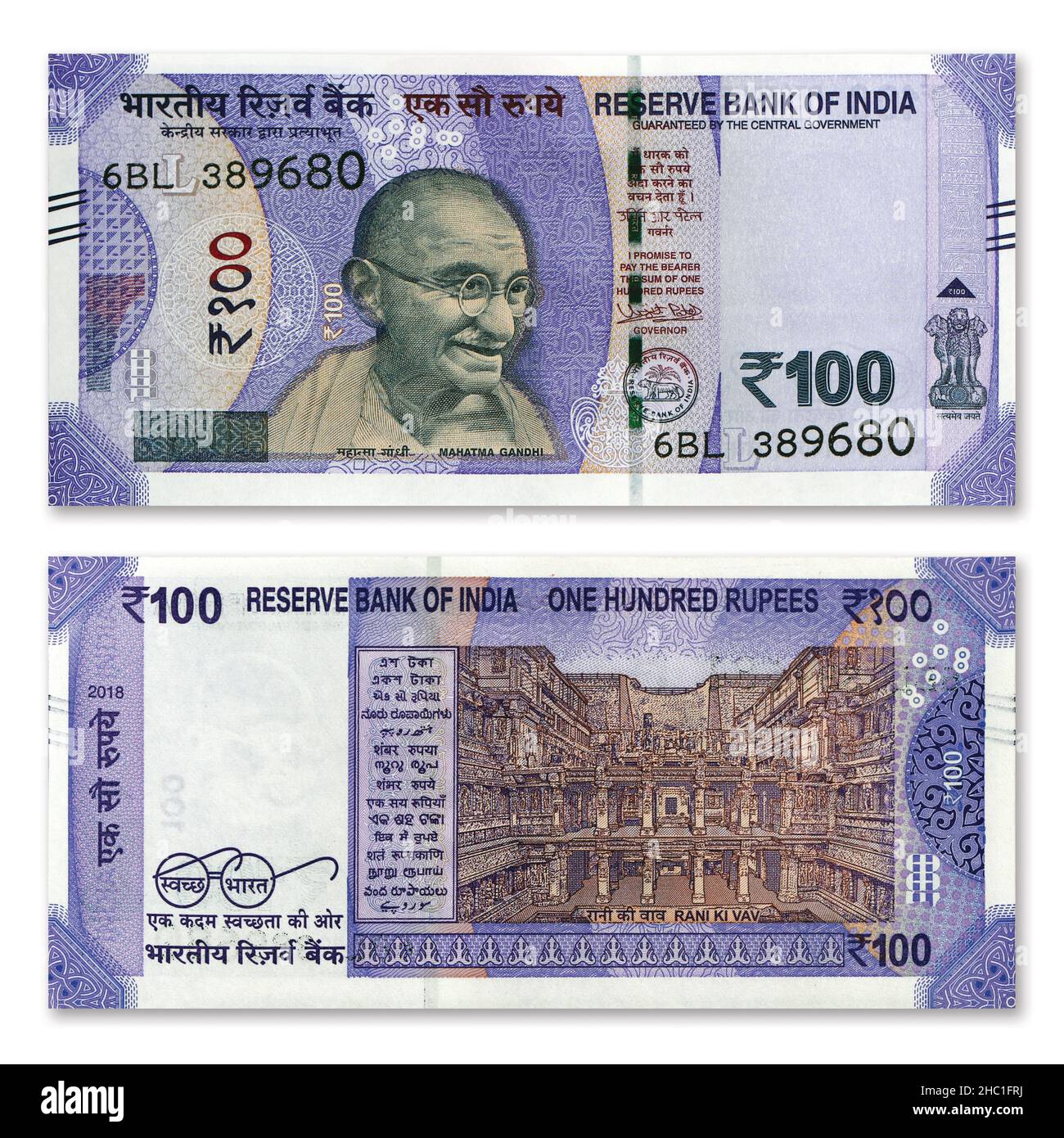
Converting 100 US dollars into Indian rupees requires navigating a constantly fluctuating foreign exchange market, understanding mid-market rates, and accounting for transfer fees or service margins charged by financial intermediaries. Because currency values shift continuously based on macroeconomic indicators, central bank policies, and global trade dynamics, the exact equivalent of 100 USD in INR depends on the precise moment and method of conversion.
The Dynamics of Currency Exchange: USD to INR
Foreign exchange (forex) markets operate around the clock on business days, meaning currency pairs like USD/INR fluctuate second by second. When individuals or businesses look up the conversion rate for 100 dollars in rupees, they are engaging with one of the most heavily traded currency pairs in the global financial system. The United States Dollar (USD) serves as the world's primary reserve currency, while the Indian Rupee (INR) represents a major emerging market currency tied to one of the fastest-growing large economies.
The exchange rate is fundamentally a reflection of relative economic strength, interest rate differentials set by the United States Federal Reserve and the Reserve Bank of India (RBI), inflation rates, and geopolitical stability. When market participants demand more US dollars relative to rupees, the value of the dollar rises, meaning 100 dollars will purchase a higher number of rupees. Conversely, if the Indian economy exhibits robust growth, increasing foreign direct investment and strengthening the rupee, 100 dollars will buy fewer rupees.
It is critical to distinguish between the interbank rate (also known as the mid-market rate) and the retail rate offered to everyday consumers. The mid-market rate is the midpoint between the buy and sell prices in global currency markets. While financial news platforms and search engines display this rate, retail customers rarely receive it directly. Instead, banks, remittance operators, and currency exchange kiosks build a markup or percentage fee into the rate they quote to consumers, or they charge a flat transfer fee alongside a less favorable exchange rate.
Historical Context and Recent Exchange Rate Trends
Understanding the value of 100 dollars in rupees benefits from looking at the long-term trajectory of the USD/INR exchange rate. Over the past several decades, the Indian rupee has experienced a gradual depreciation against the US dollar. Decades ago, a single US dollar could be purchased for significantly fewer rupees. However, persistent differentials in inflation rates between the United States and India have historically driven a steady downward adjustment in the rupee's relative nominal value.
In recent years, the exchange rate has moved through various corridors influenced by global events. Major macroeconomic shocks—such as global supply chain disruptions, tightening monetary cycles by the Federal Reserve, and shifts in commodity prices like crude oil (which India imports in large quantities)—frequently exert downward pressure on the rupee. When global investors pull capital out of emerging markets during periods of risk aversion, the demand for safe-haven assets like the US dollar increases, driving up the conversion value of 100 USD in INR terms.
Despite these macro trends, day-to-day fluctuations for a relatively small amount like 100 dollars typically result in minor absolute differences at the individual level. A variation of 50 paisa or 1 rupee in the exchange rate alters the total value of 100 dollars by 50 to 100 rupees, which is manageable for retail transactions but adds up significantly for large commercial transfers.
Methods of Converting and Transferring 100 Dollars
When a person holds 100 US dollars and needs to convert them into Indian rupees, several distinct channels are available, each with its own cost structure, speed, and convenience. Selecting the right method depends on whether the funds are physical paper currency, digital balances in a bank account, or funds being sent internationally.
Physical Cash Exchange
Converting physical 100 USD banknotes into Indian rupees involves visiting a bank, authorized dealer, or airport exchange booth. Physical currency transactions typically feature the least favorable exchange rates and the highest commission fees. Exchange bureaus often apply tiered pricing, offering better rates for larger denominations (such as crisp, newer 100-dollar bills) while rejecting or discounting older, damaged, or marked currency notes. Furthermore, bringing foreign cash into India is subject to customs regulations; travelers must declare foreign currency to customs officials if the aggregate value exceeds specified regulatory thresholds upon arrival.
International Wire Transfers and Remittance Services
For digital funds transferred from a US bank account to an Indian bank account, specialized money transfer operators (MTOs) and international wire services are commonly used. These platforms provide transparent upfront quotes showing the exact exchange rate, transfer fees, and the final amount of rupees that will be deposited into the recipient's account. While traditional bank-to-bank SWIFT transfers can incur high intermediary bank fees and unfavorable rates, modern fintech remittance providers often secure competitive exchange rates by utilizing local bank clearing networks in both countries.
Multi-Currency Accounts and Digital Wallets
Digital nomads, frequent travelers, and international freelancers frequently utilize multi-currency digital wallets and cards. These accounts allow users to hold balances in US dollars and convert them to Indian rupees or spend directly in India via partner payment networks. While convenient for day-to-day spending, users must review the underlying fee schedules for currency conversion, as weekend markups or ATM withdrawal fees can apply.
Comparing Conversion Channels for 100 USD
| Conversion Method | Typical Exchange Rate Markup | Transfer / Service Fees | Speed of Delivery | Best Suited For |
|---|---|---|---|---|
| Physical Airport Kiosk | High (3% to 7% above mid-market) | High flat service charges | Immediate | Emergency cash upon landing |
| Traditional Bank Wire | Moderate to High | High (fixed wire fee + intermediary fees) | 1 to 5 business days | Large institutional transfers |
| Online Remittance Fintech | Low to Moderate (0.5% to 2%) | Low or transparent tiered fee | Minutes to 1 business day | Regular cross-border remittances |
| Multi-Currency Card | Low (interbank rate + small weekend margin) | Low or fee-free up to monthly limits | Immediate | International travelers and digital spenders |
Practical Factors and Fees to Watch Out for When Converting Currency
Navigating currency conversion requires vigilance regarding hidden costs. Financial institutions frequently advertise "zero transfer fees," but make their profit through an exchange rate margin (also known as the foreign exchange spread). This means they apply an exchange rate that is worse than the mid-market rate, pocketing the difference. When converting a smaller amount like 100 dollars, a poor exchange rate can erode a noticeable percentage of the total value compared to paying a small flat fee on top of a true mid-market rate.
- Exchange Rate Margins: Always calculate the effective rate by comparing the quoted rate against the live mid-market rate found on independent financial data platforms.
- Intermediary Bank Fees: Traditional SWIFT wire transfers can pass through multiple correspondent banks before reaching the destination account, with each bank deducting a processing fee. For a modest sum like 100 dollars, intermediary fees can sometimes exceed the value of the transfer itself.
- Delivery Speed vs. Cost: Instant transfers generally cost more. Standard ACH-backed transfers through digital remittance platforms take 1 to 3 business days but often feature lower fees.
- Regulatory and Compliance Checks: Depending on the jurisdiction and anti-money laundering (AML) regulations, even small transfers may require identity verification (KYC), such as providing a government-issued photo ID and proof of address.
Common Mistakes to Avoid
When converting 100 dollars in rupees, individuals frequently make errors that reduce the final payout. Avoiding these pitfalls ensures maximum value for every dollar converted:
- Accepting Airport Kiosk Rates: Converting cash at airports is convenient but financially punishing due to inflated margins and high commissions. It is wiser to exchange only a nominal amount for immediate transit needs and utilize digital channels or local banks for the remainder.
- Ignoring Hidden Markup Fees: Relying solely on advertised "no fee" claims without checking the underlying exchange rate against the mid-market benchmark.
- Failing to Verify Recipient Details: Entering incorrect beneficiary bank account numbers, International Bank Account Numbers (IBAN), or Indian Financial System Codes (IFSC) can lead to delayed transfers, rejected funds, or international wire tracing fees.
- Using Outdated Rate Quotes: Currency markets move constantly. Relying on a rate seen hours or days prior can lead to miscalculations, as locking in a rate at the wrong moment exposes the transaction to market volatility.
Frequently Asked Questions
How many rupees is 100 US dollars worth today?
The exact value of 100 US dollars in Indian rupees changes continuously throughout the day as global currency markets operate. To find the exact conversion amount at this moment, check a reliable financial data provider or currency converter using live interbank rates, remembering to factor in any applicable transfer fees or retail exchange margins from your chosen provider.
Is it better to exchange physical cash or use an online transfer service?
For converting 100 dollars, online remittance services or multi-currency digital platforms generally offer much better exchange rates and lower overall costs than physical cash exchanges or traditional bank wires. Physical cash exchanges are typically reserved for immediate travel needs where digital payment methods are unavailable.
Why do banks offer different exchange rates than online currency converters?
Online currency converters typically display the mid-market rate, which is the wholesale rate banks use when trading currencies with each other. Banks and retail exchange providers add a markup or spread to this rate to cover their operational costs, risk management, and profit margins when selling currency to retail customers.
Are there taxes or reporting requirements for converting 100 dollars?
A transaction of 100 US dollars is a relatively small amount and generally falls well below statutory reporting thresholds for international remittances and tax declarations in both the United States and India. However, regular compliance rules regarding customer identity verification (KYC) still apply to commercial financial service providers.
How can I avoid high fees when sending small amounts like 100 dollars internationally?
To minimize fees on smaller transfers, avoid traditional wire services that levy high fixed correspondent bank charges. Instead, opt for modern digital remittance platforms or multi-currency digital wallets that utilize local clearing networks and offer transparent, low-cost fee structures for retail-sized transactions.
Conclusion and Next Actions
Converting 100 dollars in rupees is a straightforward transaction once the underlying mechanics of exchange rates and service fees are understood. To secure the best value, check the live mid-market rate, compare the total payout (rate minus fees) offered by at least two reputable digital remittance providers or multi-currency platforms, and avoid high-cost airport kiosks or traditional SWIFT wires for small sums. Verify all recipient banking details carefully before initiating any transfer to ensure the funds arrive securely and without delay.