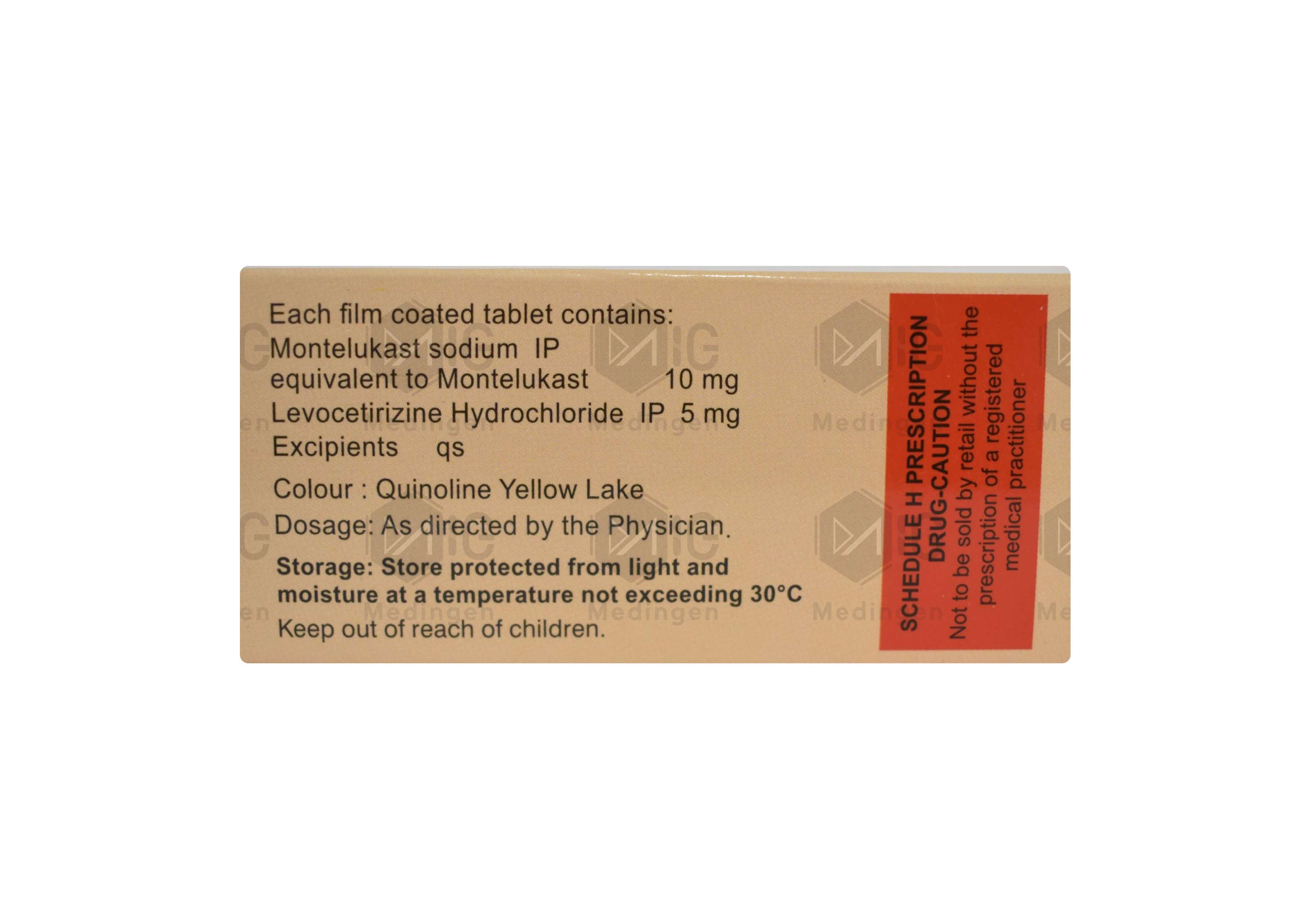
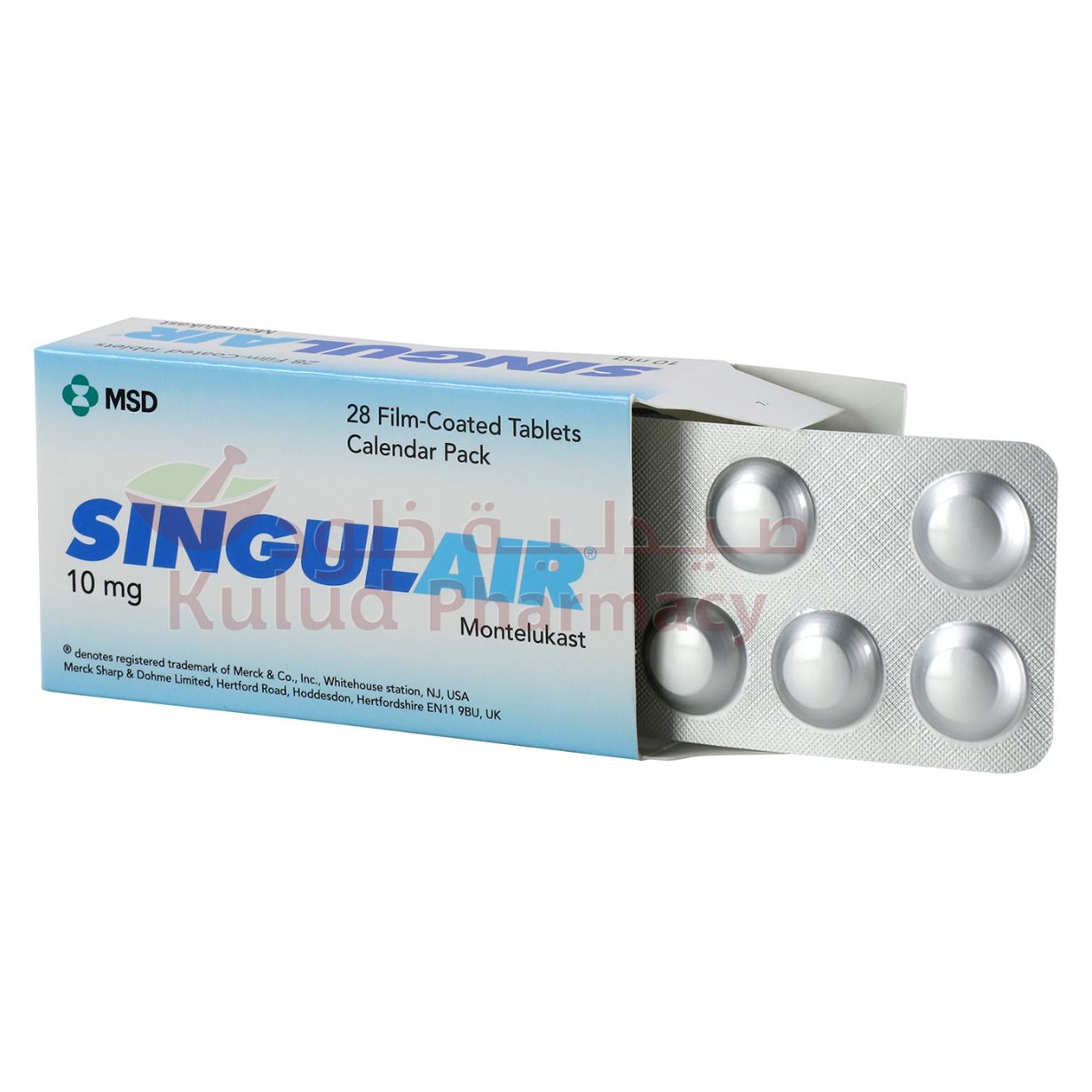
Singulair (montelukast) 10 mg is a prescription leukotriene receptor antagonist predominantly prescribed for adults and adolescents aged 15 years and older to manage chronic asthma, prevent exercise-induced bronchoconstriction, and alleviate symptoms of seasonal or perennial allergic rhinitis. While effective at keeping airways open and reducing inflammatory responses, this medication carries a broad spectrum of adverse reactions ranging from common physical discomforts to severe neuropsychiatric events. Understanding these pharmacological risks empowers patients to recognize early warning signs, communicate effectively with healthcare providers, and manage their respiratory health safely.
Disclaimer: The following information is for educational purposes and should not replace professional medical advice, diagnosis, or treatment. Always consult a qualified healthcare provider regarding any questions or concerns about a medical condition or medication.
Understanding Singulair 10 mg: Mechanism and Clinical Role
To properly evaluate the side effect profile of Singulair 10 mg, it is necessary to examine how the active ingredient, montelukast, interacts with human physiology. Montelukast belongs to a class of medications known as leukotriene receptor antagonists (LTRRs). Leukotrienes are inflammatory molecules released by the immune system—specifically mast cells and eosinophils—in response to allergens or irritants. When these molecules bind to leukotriene receptors in the lungs and bronchial tubes, they trigger smooth muscle contraction, increased mucus production, and localized swelling, which together restrict airflow.
By selectively blocking the cysteinyl leukotriene type-1 (CysLT1) receptors, montelukast prevents leukotrienes from executing their inflammatory cascade. This mechanism helps maintain open airways in asthma patients and reduces nasal congestion, sneezing, and itching associated with allergies. Unlike inhaled corticosteroids, which suppress a wide array of immune responses locally within the respiratory tract, montelukast is an oral tablet that acts systemically throughout the body. This systemic distribution is precisely why Singulair can influence biological systems far beyond the lungs, accounting for its unique and sometimes complex array of systemic and psychological side effects.
Common Physical Side Effects
Most individuals who take a 10 mg tablet of Singulair daily tolerate the medication well, experiencing only mild and transient physical side effects that typically resolve as the body adjusts or after discontinuing the drug. These common reactions are generally non-threatening, though they can cause day-to-day discomfort.
Respiratory and gastrointestinal symptoms are among the most frequently reported physical complaints in clinical trials:
- Upper Respiratory Tract Infections: Patients may experience mild viral illnesses, such as the common cold, sinus inflammation, or pharyngitis, due to minor shifts in mucosal immunity.
- Gastrointestinal Distress: Abdominal pain, nausea, indigestion, and occasional diarrhea can occur as the digestive tract processes the oral compound.
- Headaches: Tension headaches or mild migraines are relatively common during the initial weeks of starting a daily montelukast regimen.
- Fatigue and Asthenia: General bodily weakness, low energy levels, or a persistent feeling of tiredness can affect daytime productivity.
- Dizziness: Lightheadedness or mild unsteadiness may happen, particularly when standing up quickly.
These common side effects rarely require emergency intervention, but persistent or worsening physical symptoms warrant a consultation with a prescribing physician or primary care provider.
| Side Effect Category | Specific Symptoms | Frequency & Clinical Context | Management Approach |
|---|---|---|---|
| Gastrointestinal | Abdominal pain, nausea, dyspepsia, diarrhea | Common (1% to 10% of users) | Take with food to minimize stomach upset; monitor duration. |
| Neurological | Headaches, dizziness, mild fatigue | Common during initial adaptation phase | Ensure adequate hydration; rest; consult doctor if persistent. |
| Infectious | Nasopharyngitis, upper respiratory infections | Frequently reported in clinical trials | Practice standard hygiene; differentiate from asthma exacerbations. |
| Musculoskeletal | Joint aches (arthralgia), muscle cramps | Uncommon to moderate | Gentle stretching, hydration, or medication review. |
Neuropsychiatric Risks and Boxed Warnings
The most critical safety consideration associated with Singulair 10 mg involves neuropsychiatric adverse events. The U.S. Food and Drug Administration (FDA) has issued warnings regarding severe mental health side effects linked to montelukast. Because the drug crosses the blood-brain barrier and interacts with neural pathways, it can produce profound psychological shifts in susceptible individuals, regardless of whether they have a prior history of mental health disorders.
Patients, caregivers, and clinicians must remain vigilant for behavioral and mood changes. The spectrum of neuropsychiatric reactions includes:
- Depression and Depressed Mood: Feelings of profound sadness, hopelessness, or a loss of interest in normal daily activities.
- Suicidal Ideation and Behavior: Active thoughts of self-harm, suicide attempts, or completed suicide. This represents the most dangerous risk associated with the medication.
- Anxiety and Agitation: Heightened nervousness, restlessness, irritability, and panic attacks.
- Sleep Disturbances: Vivid dreams, nightmares, insomnia, and nocturnal awakenings.
- Hallucinations and Confusion: Visual or auditory hallucinations, disorientation, and obsessive-compulsive symptoms.
- Aggression and Hostility: Uncharacteristic outbursts of anger, violent behavior, or severe mood swings, particularly noted in younger adult populations.
Anyone experiencing sudden mood shifts, severe anxiety, or thoughts of self-harm while taking Singulair 10 mg should contact emergency services or a mental health professional immediately and stop taking the medication under medical supervision.
Hypersensitivity and Allergic Reactions
Though montelukast is designed to combat allergic inflammation, it can paradoxically trigger hypersensitivity reactions in rare cases. Immune-mediated adverse events require immediate medical evaluation to prevent dangerous systemic complications.
Severe allergic reactions can manifest in several distinct ways:
- Anaphylaxis: A life-threatening systemic reaction characterized by rapid swelling of the face, lips, tongue, or throat, accompanied by severe difficulty breathing and a sudden drop in blood pressure.
- Skin Manifestations: Severe rashes, hives (urticaria), pruritus (itching), and in rare instances, blistering skin conditions such as erythema multiforme.
- Churg-Strauss Syndrome (Eosinophilic Granulomatosis with Polyangiitis): A rare systemic condition characterized by blood vessel inflammation. It often appears when oral corticosteroid therapy is simultaneously tapered or withdrawn in patients taking montelukast. Symptoms include flu-like illness, worsening pulmonary symptoms, cardiac complications, and severe peripheral neuropathy (paresthesias, numbness, or pain in the extremities).
Laboratory and Physiological Monitoring
Unlike medications that require routine blood draws to monitor organ function or therapeutic blood levels—such as certain anticoagulants or anticonvulsants—Singulair 10 mg does not typically demand mandatory periodic laboratory monitoring for the average healthy adult. Montelukast is metabolized primarily by the liver through cytochrome P450 enzymes (specifically CYP2C8, CYP2C9, and CYP3A4), yet routine liver function tests are not standard protocol unless a patient exhibits clinical signs of hepatotoxicity.
Signs of potential liver injury include jaundice (yellowing of the skin or eyes), dark urine, upper right-sided abdominal tenderness, and unexplained fatigue or nausea. If these symptoms manifest, a physician will order liver function panels to assess hepatic health and determine whether the medication must be discontinued. Similarly, patients with pre-existing hepatic impairment require careful clinical monitoring, though standard dosing adjustments are rarely prescribed solely based on mild liver disease.
Special Populations and Risk Factors
Certain demographic groups and individuals with specific medical backgrounds face a heightened susceptibility to the adverse effects of Singulair 10 mg. Evaluating these risk factors helps clinicians weigh the therapeutic benefits against potential harms.
- Psychiatric History: Individuals with a personal or family history of depression, anxiety disorders, obsessive-compulsive disorder, or suicidal ideation are at significantly greater risk for experiencing neuropsychiatric side effects. Doctors often recommend alternative non-leukotriene therapies for these patients.
- Geriatric Patients: Older adults may exhibit increased sensitivity to the central nervous system effects of medications, making dizziness and confusion more pronounced.
- Pregnant and Breastfeeding Individuals: Montelukast is classified as a Pregnancy Category B medication by the FDA, indicating that animal reproduction studies have failed to demonstrate a risk to the fetus, but there are no adequate and well-controlled studies in pregnant women. It should be used during pregnancy only if clearly needed. Small amounts of montelukast are excreted in breast milk, requiring cautious evaluation by a pediatrician and obstetrician.
- Pediatric Transition to 10 mg: Adolescents turn to the 10 mg tablet strength at age 15. Because adolescence is a critical developmental window for mental health, monitoring adolescent behavior for signs of depression or unusual agitation is essential.
Comparing Singulair to Alternative Asthma and Allergy Therapies
When managing chronic respiratory conditions, physicians choose from various pharmacological classes. Understanding how Singulair compares to alternatives regarding side effect profiles provides necessary clinical context.
- Inhaled Corticosteroids (ICS): Medications like fluticasone or budesonide act locally in the lungs. They carry a lower risk of systemic neuropsychiatric events compared to oral montelukast, though high doses can cause local side effects such as oral thrush (candidiasis) and hoarseness.
- Antihistamines: Second-generation oral antihistamines (e.g., cetirizine, loratadine) target allergic rhinitis effectively with minimal central nervous system penetration, though some older antihistamines cause significant drowsiness.
- Long-Acting Beta-Agonists (LABAs): Usually combined with ICS, LABAs manage bronchospasm but carry specific cardiovascular warnings regarding heart rate and jitteriness if used without an anti-inflammatory agent.
Singulair remains a valuable option for patients who cannot tolerate inhaled steroids, struggle with inhaler technique, or suffer from combined allergic rhinitis and asthma, provided they are monitored for psychological tolerance.
Frequently Asked Questions
Can Singulair 10 mg cause weight gain?
Weight gain is not listed as a common direct side effect in official prescribing information for montelukast. However, individual patient metabolic responses vary. Some users report fluid retention or secondary lifestyle changes due to fatigue, but clinical trials do not indicate a direct causal link between Singulair and significant weight gain.
What should I do if I miss a dose of Singulair 10 mg?
Take the missed tablet as soon as you remember. However, if it is almost time for your next scheduled dose, skip the missed dose entirely and resume your normal once-daily dosing schedule. Never take a double dose to make up for a forgotten pill.
Does Singulair interact with other common medications?
Montelukast is metabolized by liver enzymes that can be influenced by potent inducers such as rifampin, phenobarbital, or gemfibrozil. These drugs can decrease blood concentrations of montelukast, potentially reducing its clinical effectiveness. Always provide your doctor and pharmacist with a complete list of your prescription drugs, over-the-counter remedies, and herbal supplements.
How long does it take for Singulair side effects to disappear after stopping the drug?
For most physical side effects, such as mild headaches or stomach upset, symptoms resolve within days of discontinuing the medication. Neuropsychiatric symptoms—including anxiety, vivid nightmares, or depressive thoughts—typically improve rapidly after cessation, though professional psychological support should be sought immediately if mental health concerns persist.
Can I take Singulair 10 mg in the morning instead of at night?
While Singulair is commonly prescribed for once-daily use in the evening for asthma management, patients taking it primarily for allergic rhinitis may be instructed otherwise by their physician. Always follow the specific administration instructions provided on your prescription label.
Practical Next Actions and Professional Guidance
Managing your health safely while taking Singulair 10 mg requires proactive communication and vigilance. If you are currently prescribed this medication, keep a daily journal tracking your breathing symptoms, overall mood, and any unusual physical sensations. If you notice emerging psychological symptoms—such as persistent sadness, sleep disruption, or uncharacteristic anxiety—do not wait for your next scheduled appointment; contact your prescribing physician promptly. Never alter your dosage or discontinue an asthma controller medication abruptly without professional medical supervision, as doing so can trigger a severe, life-threatening asthma exacerbation.