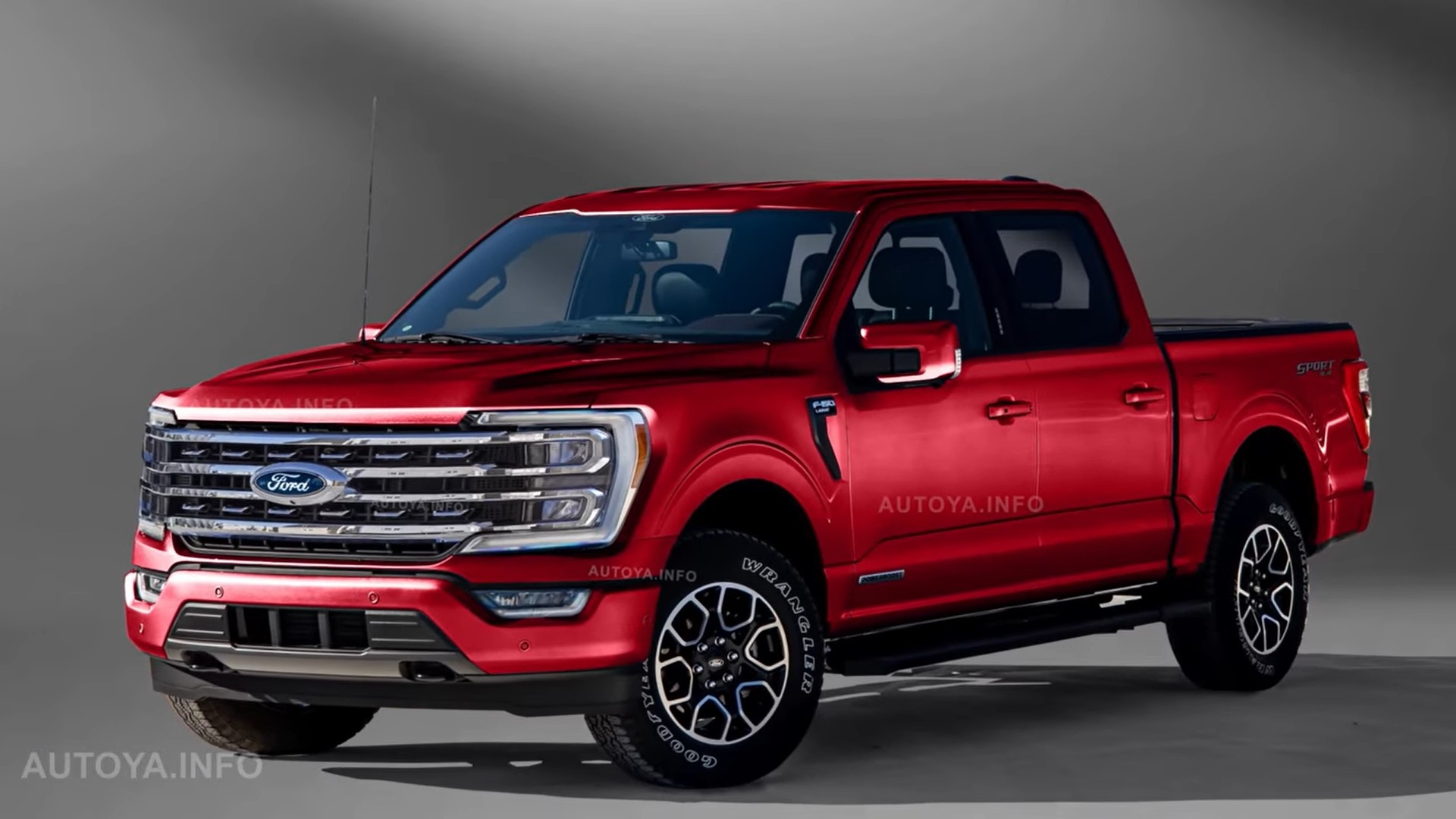
The Vermillion Red Ford F-150 stands as a significant aesthetic choice in the truck’s long production history, characterized by its high-visibility, deep-pigment finish. Often sought by collectors and enthusiasts, this specific color variant bridges the gap between utilitarian performance and distinct personal styling, frequently serving as a hallmark of classic American truck design.
Defining the Vermillion Red Aesthetic
Vermillion Red is not merely a coat of paint; it is a specific color designation that has appeared across multiple generations of the Ford F-150. Unlike modern metallic or pearl-coat finishes that rely on clear-coat depth and light refraction, traditional Vermillion Red is a high-chroma solid color. Its visual appeal lies in its saturation and lack of distraction, making the body lines of the F-150—particularly the wheel arches and the prominent grille—stand out with stark, geometric clarity.
For many owners, the choice of Vermillion Red is driven by a desire for a "classic" look. It evokes the spirit of the work-ready trucks of the 1980s and 1990s, where bright, non-metallic reds were standard for fleet vehicles and enthusiast trims alike. Because it is a flat, solid pigment, it is often easier to touch up compared to tri-coat pearlescents, though it requires diligent maintenance to prevent oxidation, which can cause solid reds to fade or "chalk" when exposed to prolonged UV radiation without proper sealant protection.
Historical Context and Availability
Ford has utilized various shades of red throughout the production run of the F-150, but "Vermillion" specifically carries historical weight. During the 1980s and early 1990s, Vermillion (often coded as E4) was a staple in the paint catalog. It was frequently paired with two-tone paint schemes—often featuring a white or silver lower body cladding—which remains one of the most recognizable configurations for vintage F-150 models today.
In contemporary markets, finding a Vermillion Red F-150 often involves looking at pre-owned inventory or specialized restoration projects. While Ford’s modern color palette has shifted toward more complex metallic hues like "Race Red" or "Rapid Red," the term "Vermillion" persists in automotive circles as the benchmark for a bold, non-metallic red. Understanding this distinction is vital for those looking to purchase or restore a vehicle, as modern paint mixing systems must be cross-referenced with the original factory codes to ensure a perfect match.
Technical Specifications and Considerations
When evaluating an F-150 finished in Vermillion Red, the paint is only one component of the vehicle's long-term viability. The mechanical reliability of the F-150 varies wildly depending on the model year. For instance, an F-150 from the late 1980s equipped with the 302 cubic inch (5.0L) V8 is fundamentally different from a 2026 model equipped with a high-output EcoBoost engine or a hybrid PowerBoost powertrain.
Performance and Utility Matrix
To assist in evaluating whether a specific F-150, regardless of its color, meets your needs, the following table breaks down the core utility factors of the Ford F-150 platform:
| Feature Category | Work/Fleet Focus | Performance/Off-Road Focus | Luxury/Tech Focus |
|---|---|---|---|
| Engine Configuration | Naturally Aspirated V6/V8 | High-Output EcoBoost V6 | PowerBoost Hybrid/V6 |
| Suspension | Leaf Springs (Heavy Duty) | Off-Road Tuned Shocks | Adaptive Damping |
| Interior Utility | Vinyl/Cloth Seating | Reinforced Upholstery | Leather/Digital Infotainment |
| Maintenance Profile | Low (Simple Mechanicals) | Moderate (Forced Induction) | High (Complex Electronics) |
The Vermillion Red finish was traditionally found on work-grade trims (like the XL or XLT), meaning many of these vehicles were engineered for longevity and high-mileage utility. If you are purchasing an older Vermillion Red F-150, look for chassis rust, as the bright paint can sometimes mask thin spots where the underlying metal has succumbed to moisture.
Maintenance and Restoration Guidance
Maintaining the finish of a Vermillion Red F-150 requires a disciplined approach to vehicle care. Because solid, non-metallic paints do not have the protective layering of a metallic flake or a high-end pearlescent, the pigment is closer to the surface.
- UV Protection: Use a high-quality ceramic sealant or carnauba wax every 3–6 months. This acts as a sacrificial barrier against UV rays, which are the primary enemy of solid red paint.
- Decontamination: If the paint feels rough to the touch, use a clay bar treatment to remove embedded iron particles. This is especially important for trucks, as they often pick up road grime and metal dust from work environments.
- Paint Correction: If the truck has already started to fade, a light compound and polish can often bring back the original vibrancy. Because Vermillion Red is a solid color, professional detailers can achieve significant "depth" through proper paint correction, potentially avoiding a full respray.
Common Questions Regarding the Vermillion Red F-150
1. Is Vermillion Red the same as Race Red? No, these are distinct colors. Vermillion Red is a traditional, flatter solid red, whereas Race Red—a more modern Ford offering—tends to have a different chemical composition and depth, appearing slightly brighter and more "neon" in direct sunlight.
2. Can I get a new Ford F-150 in Vermillion Red? As of 2026, most Ford dealerships offer a rotating catalog of colors. Vermillion is rarely offered as a standard catalog color on modern trims. If you are ordering a new F-150 for a fleet, some specific paint-to-sample programs exist, but they are typically reserved for bulk corporate orders.
3. Does the color of the truck affect its resale value? Yes, but indirectly. Highly visible colors like Vermillion Red often appeal to specific segments, such as restoration enthusiasts or buyers looking for a work truck that stands out on a construction site. While it may not command the universal marketability of black or white, it rarely devalues the vehicle and, in excellent condition, can attract a premium from the right collector.
4. What is the paint code for Vermillion Red? The most common factory paint code for Vermillion Red is "E4." However, always verify this using the VIN tag located on the driver-side door jamb, as color naming conventions and formulations have shifted slightly over decades of production.
5. How do I fix a scratch on a Vermillion Red truck? Because the color is a solid pigment, touch-up paint is generally very effective. Purchase an OEM-matched paint pen or brush kit using your specific E4 paint code. Ensure the area is cleaned with isopropyl alcohol before application to allow the paint to adhere to the steel or aluminum substrate.
Practical Steps for Prospective Buyers
If you have decided to pursue a Vermillion Red F-150, prioritize the vehicle's structural integrity over the paint. A perfectly painted truck with a failing transmission is a liability.
- Verify the VIN: Use the vehicle identification number to pull a full history report. Check for accidents, as solid colors like Vermillion can show mismatched paint repairs much more easily than metallic colors.
- Inspect the Bed: Since many of these trucks were used for work, check the condition of the truck bed and the mounting points. Look for signs of excessive heavy hauling, which can impact the frame's fatigue life.
- Evaluate the Interior: On older models, the dashboard and interior plastics often crack under the same sun that fades the paint. Factor the cost of interior restoration into your budget.
When you finalize your search, ensure you are buying from a reputable source, such as a specialty classic truck dealer or a private owner with documented service records. The Vermillion Red F-150 is more than just a vehicle; it is a piece of automotive history. By performing your due diligence regarding the mechanical health of the truck, you ensure that the iconic red exterior remains a source of pride rather than a sign of neglected maintenance.