Yes, the original 2012 film adaptation of The Hunger Games is officially rated PG-13 by the Motion Picture Association (MPA) for intense sequences of violence and material involving disturbing thematic elements. This rating applies across the primary theatrical release, home media configurations, and standard digital streaming platforms, making it accessible to teenagers and mature older children under parental guidance, while maintaining clear boundaries regarding its dark, dystopian subject matter.
Understanding why a movie receives a specific MPA rating requires looking past the simple label and examining the precise cinematic elements that triggered it. For parents, educators, and fans returning to the franchise, knowing the exact nature of the content helps determine whether it suits a particular viewer. This guide analyzes the official MPA rating, the specific content guidelines, thematic nuances, and comparative differences across the broader cinematic franchise.
The MPA Rating Breakdown for The Hunger Games
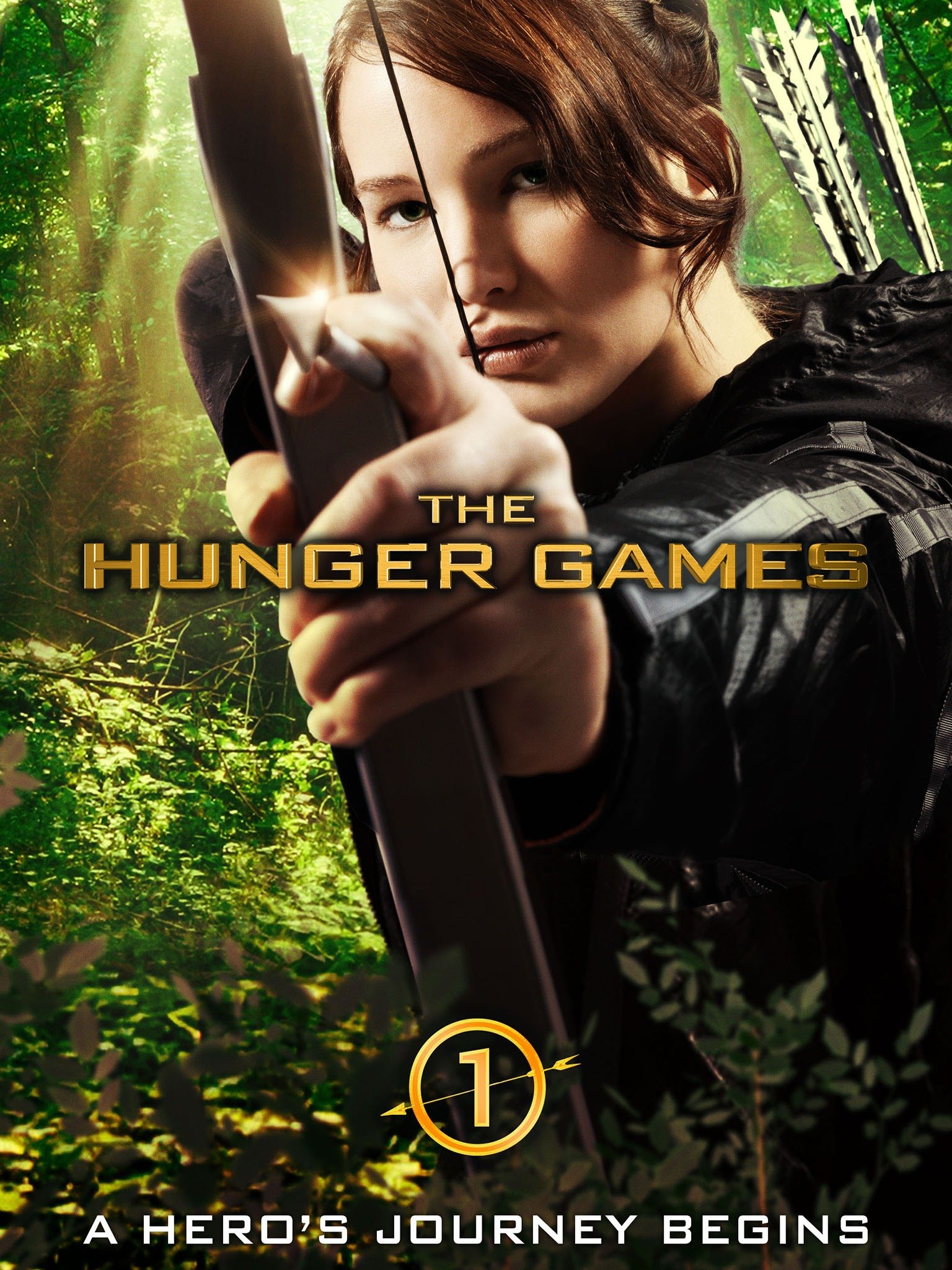
The Motion Picture Association assigned The Hunger Games a PG-13 rating upon its release in March 2012. The official ratings rationale explicitly cites "intense sequences of violent and disturbing thematic material." This section breaks down what these categories mean in practice and how the filmmakers balanced the gritty reality of Suzanne Collins' bestselling source material with a rating that allowed teenage audiences to view the film in theaters.
In the United States, a PG-13 rating serves as a strong warning to parents that some material may be inappropriate for children under 13. Unlike an R rating, which restricts anyone under 17 from entering a theater without an adult, a PG-13 rating is advisory. Children under 13 can legally purchase tickets and view the film, but the MPA strongly urges parents to investigate the content before allowing younger viewers to watch.
The classification board evaluates several vectors when determining a rating, including violence, language, nudity, drug use, and intense psychological terror. For The Hunger Games, the rating is driven almost entirely by violence and intense thematic material rather than profanity, sexual content, or substance abuse. The film contains virtually no strong language, zero nudity, and no explicit sexual situations, which heavily distinguishes it from R-rated dystopian thrillers.
Content Analysis: Violence, Themes, and Tone
The primary driver of the PG-13 rating is the depiction of state-sanctioned combat among adolescents in a dystopian arena. To secure a PG-13 rating rather than an R rating, director Gary Ross and the production team had to navigate a fine line between depicting the lethal reality of the Games and avoiding gratuitous gore, blood splatter, and explicit carnage.
Depiction of Violence in the Arena
The violence in The Hunger Games is predominantly stylized, fast-paced, and carefully framed to minimize graphic detail. When tributes clash during the initial bloodbath at the Cornucopia or during subsequent hunting sequences, the camera often utilizes rapid cutting, shaky-cam techniques, and strategic lighting to obscure visceral wounds.
- Blood and Gore: There is minimal blood shown on screen. Wounds are generally clean, and fatalities are communicated through positioning, sound design, and emotional reactions rather than graphic anatomical trauma.
- Target and Perpetrator Dynamics: Because the combatants are teenagers and young adults, the visual spectacle of youths fighting youths carries a heavy emotional weight. However, the MPA evaluates the graphic nature of the acts rather than the age of the characters alone. Because the violence lacks sadistic lingering or excessive gore, it bypassed the threshold for an R rating.
- Weapons Used: Characters utilize bows and arrows, knives, swords, spears, and environmental hazards like genetically engineered beasts (tracker jackers and wolf mutts). The use of these weapons is depicted with dramatic intensity, emphasizing survival rather than cruelty.
Disturbing Thematic Elements
Beyond physical violence, the film earns its PG-13 rating through psychological intensity, grief, and oppression. The premise itself—an authoritarian government forcing children to fight to the death as annual entertainment—is profoundly dark.
Key thematic elements that contribute to the rating include:
- State Oppression and Surveillance: The Capitol maintains absolute control through constant monitoring, military force, public executions, and severe poverty enforcement in the outlying districts.
- Grief and Loss: Characters experience the sudden, violent deaths of friends and allies, depicted through emotional performances that register heavily with viewers.
- Despair and Sacrifice: The narrative hinges on self-sacrifice, starvation, and the psychological burden placed on survivors who must kill to live.
Comparative Rating Analysis Across the Franchise
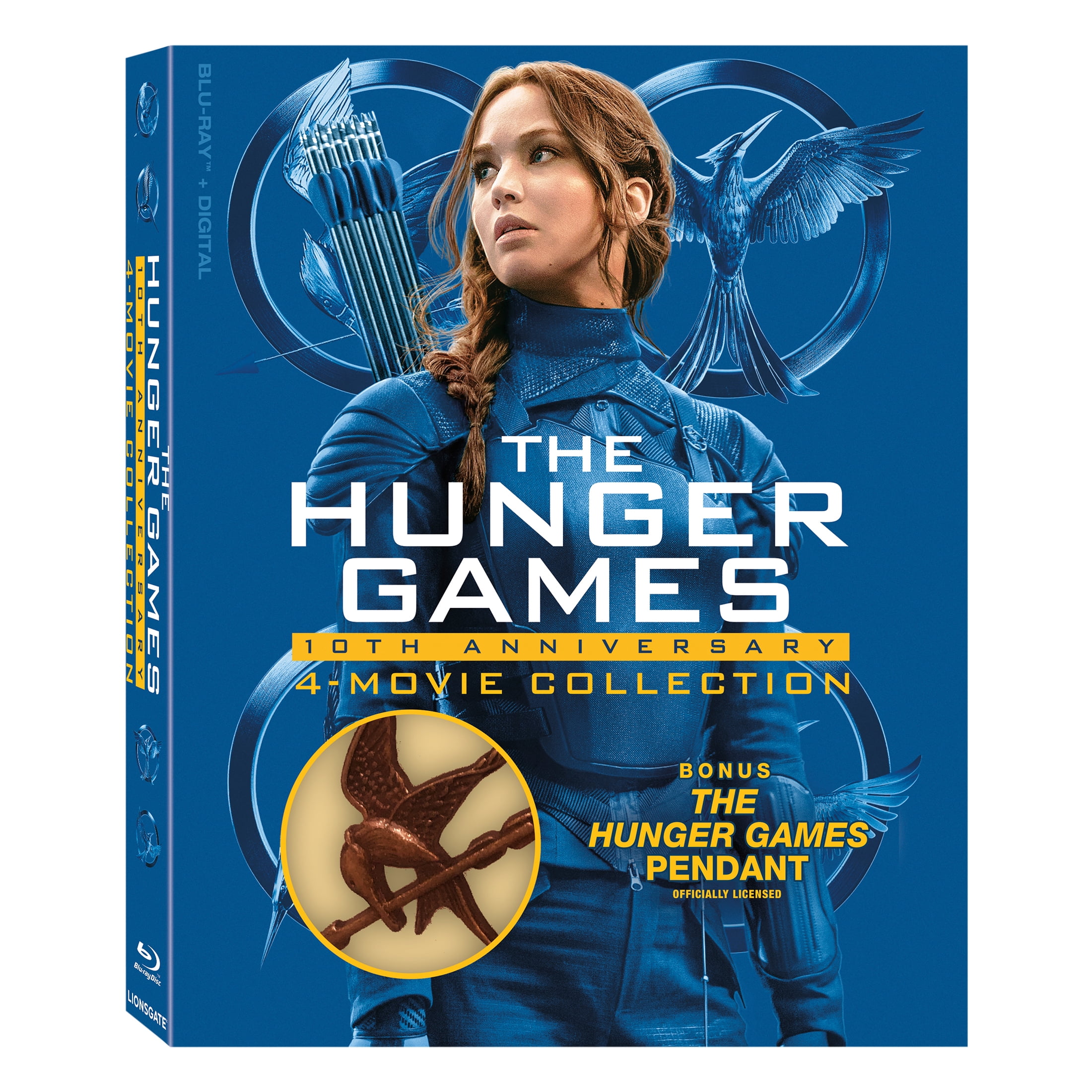
The Hunger Games is not a standalone film; it is part of a multi-movie franchise based on Suzanne Collins' four books. Every main installment in the series received the same MPA rating, ensuring structural consistency for families following the narrative arc from start to finish.
| Film Title | Release Year | MPA Rating | Primary Content Drivers |
|---|---|---|---|
| The Hunger Games | 2012 | PG-13 | Intense violent sequences, disturbing thematic elements |
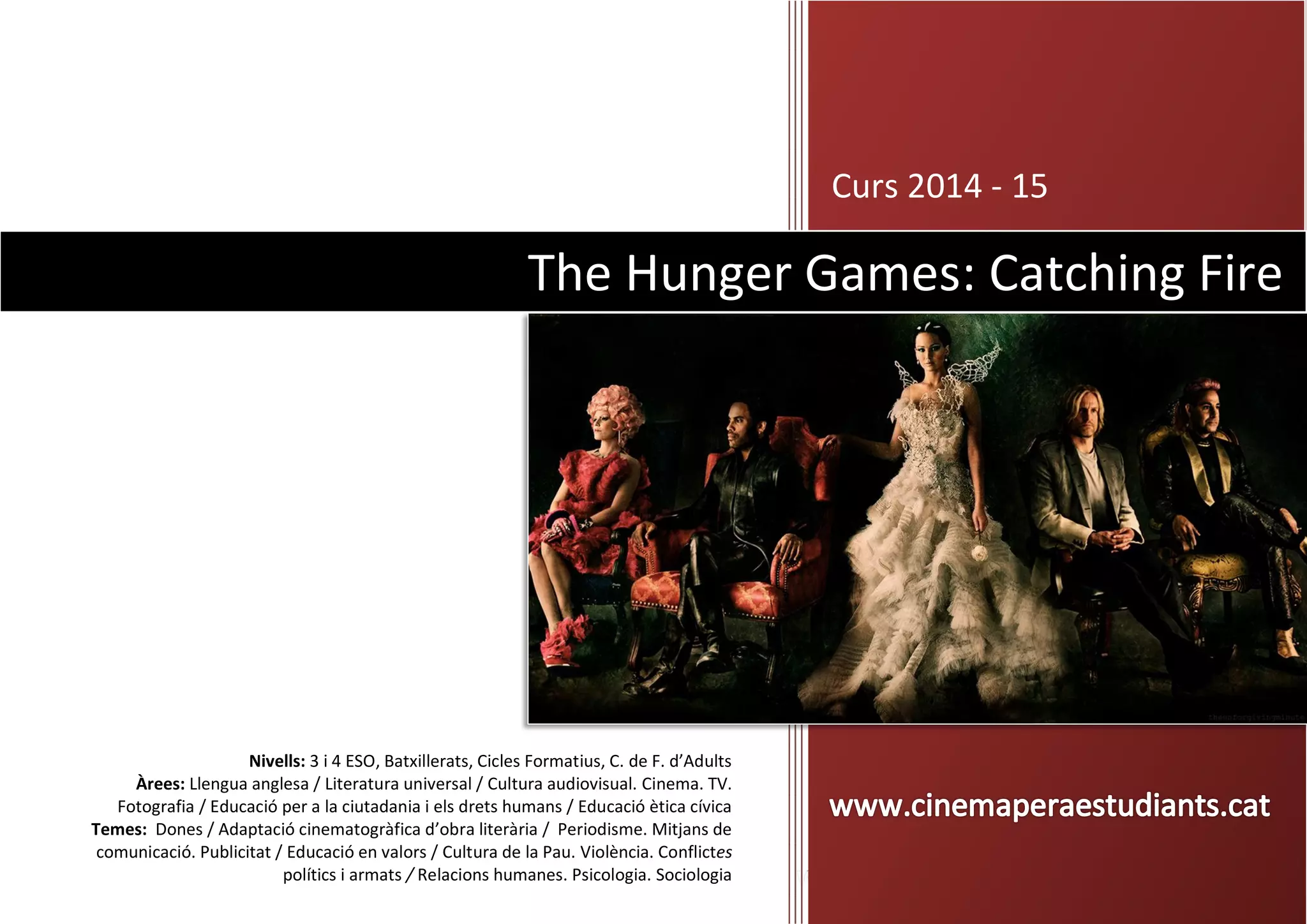
| The Hunger Games: Catching Fire | 2013 | PG-13 | Intense sequences of violence and action, some frightening images |
| The Hunger Games: Mockingjay – Part 1 | 2014 | PG-13 | Intense sequences of violence and action, disturbing thematic material |
| The Hunger Games: Mockingjay – Part 2 | 2015 | PG-13 | Intense sequences of violence, action, and disturbing images |
| The Ballad of Songbirds & Snakes | 2023 | PG-13 | Strong violent content and thematic material |
As the franchise progresses from the localized arena games in the first two films to full-scale civil war and rebellion in the Mockingjay installments, the scale of violence expands. While the first film focuses on 24 youths in an enclosed environment, later entries feature bombings, military skirmishes, executions, and psychological torture. Despite this escalation in scale, the MPA maintained the PG-13 rating across all entries because the depiction of violence remained focused on dramatic impact rather than gratuitous gore.
International Age Ratings for The Hunger Games
Age-rating systems vary significantly by country and jurisdiction. While the United States relies on the MPA advisory system, international regulatory bodies evaluate films using distinct legal and cultural frameworks. Understanding these classifications helps provide a complete picture of how the film is viewed globally.
- United Kingdom (BBFC): The British Board of Film Classification rated The Hunger Games 12A for moderate violence and threat. A 12A rating permits children under 12 to view the film only if accompanied by an adult, aligning closely with the American PG-13 concept.
- Canada (Ontario / British Columbia): Canadian provincial boards typically rate the film PG (Parental Guidance) or 14A depending on the province, citing intense violence and thematic peril.
- Australia (ACB): The Australian Classification Board assigned a M (Mature) rating, which is recommended for mature audiences aged 15 and older, though it is not legally restrictive for younger viewers.
- Germany (FSK): The Freiwillige Selbstkontrolle der Filmwirtschaft rated the film FSK 12, meaning it is approved for viewers aged 12 and older, with children aged 6 to 11 permitted entry if accompanied by a parent or legal guardian.
These international variations demonstrate that while different nations use distinct thresholds, global regulators consistently position the film as suitable for early adolescents accompanied by or capable of handling mature thematic material.
Guidance for Parents and Educators
When deciding whether a young viewer is ready for The Hunger Games, parents and educators should look beyond the letter grade of the rating and consider individual emotional maturity. A strict adherence to age limits does not account for a child's personal sensitivities to peril, loss, and tension.
Questions to Consider Before Viewing
- How does the viewer handle suspense? The film features prolonged sequences of stalking, hiding, and sudden life-or-death confrontations that generate high anxiety.
- How do they process themes of injustice and cruelty? The depiction of an authoritarian regime exploiting children can be deeply upsetting to viewers who are sensitive to systemic cruelty.
- Are they equipped for discussions about violence? Viewing the film provides an opportunity to discuss media literacy, ethics, and the consequences of war, provided a supportive adult is available to contextualize the narrative.
Educational Context
Many middle schools and high schools incorporate Suzanne Collins' novel into their English and social studies curricula. Educators often pair the book with the film adaptation to discuss literary themes such as totalitarianism, propaganda, media consumption, and human agency. In these academic settings, the PG-13 rating allows teachers to screen the film for students aged 13 and older, provided appropriate school district approvals and parental notification policies are observed.
Common Misconceptions Regarding the PG-13 Rating
Several recurring myths surround the rating of The Hunger Games, particularly regarding how the filmmakers avoided an R rating and how the violence was filmed.
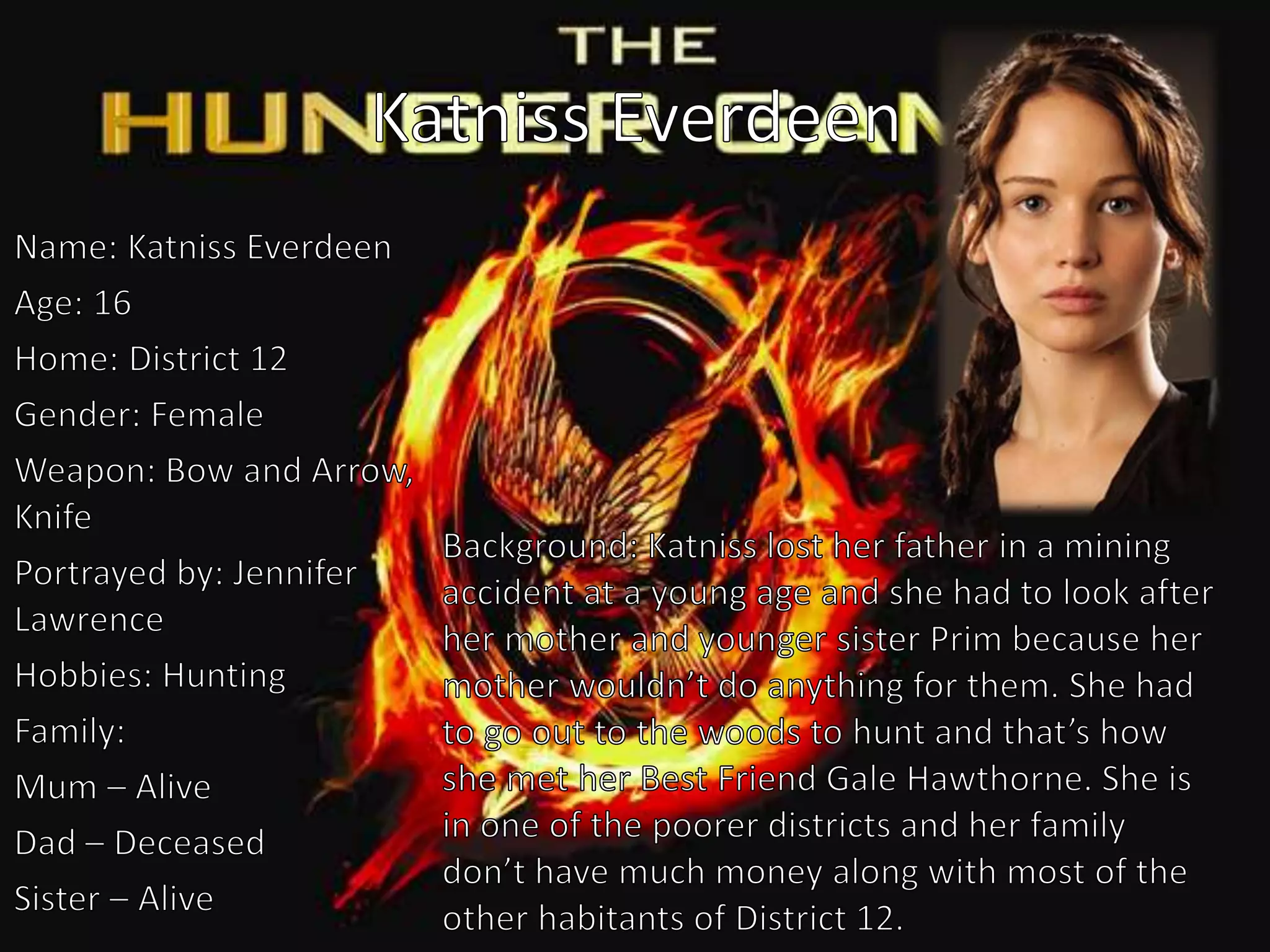
- Myth: The studio altered the film specifically to secure a PG-13 rating. While the production team certainly aimed for a PG-13 rating to maximize box office potential—a standard commercial practice for major young adult adaptations—the choice to use kinetic camerawork and tight framing was rooted in storytelling perspective. The narrative is told entirely from Katniss Everdeen's point of view; she is focused on evasion, survival, and protecting her allies, not on observing graphic carnage.
- Myth: PG-13 means a movie is safe for all children. The MPA explicitly designs PG-13 as a warning that parents should investigate the content. Many pre-teens find the psychological terror, emotional weight, and grief depicted in The Hunger Games far more disturbing than the mild fantasy violence found in standard superhero blockbusters that also carry a PG-13 rating.
- Myth: Later sequels received R ratings. As outlined in the comparative franchise table, every primary theatrical film in the franchise secured a PG-13 rating from the MPA. None of the core cinematic releases crossed into the R-rated category.
Summary of Action and Next Steps
For viewers approaching The Hunger Games for the first time or introducing it to younger family members, the official PG-13 rating serves as a reliable baseline. The film contains no explicit sexual content, nudity, or heavy profanity, but its intense depiction of survival combat and dystopian oppression requires careful consideration of individual maturity levels.
To verify current streaming availability or check digital storefront requirements before viewing, consult official entertainment databases or platform age-gate controls. Reviewing specific parental guidance platforms such as Common Sense Media can also provide granular breakdowns of violence, language, and positive messages to help tailor the viewing experience to your specific audience.