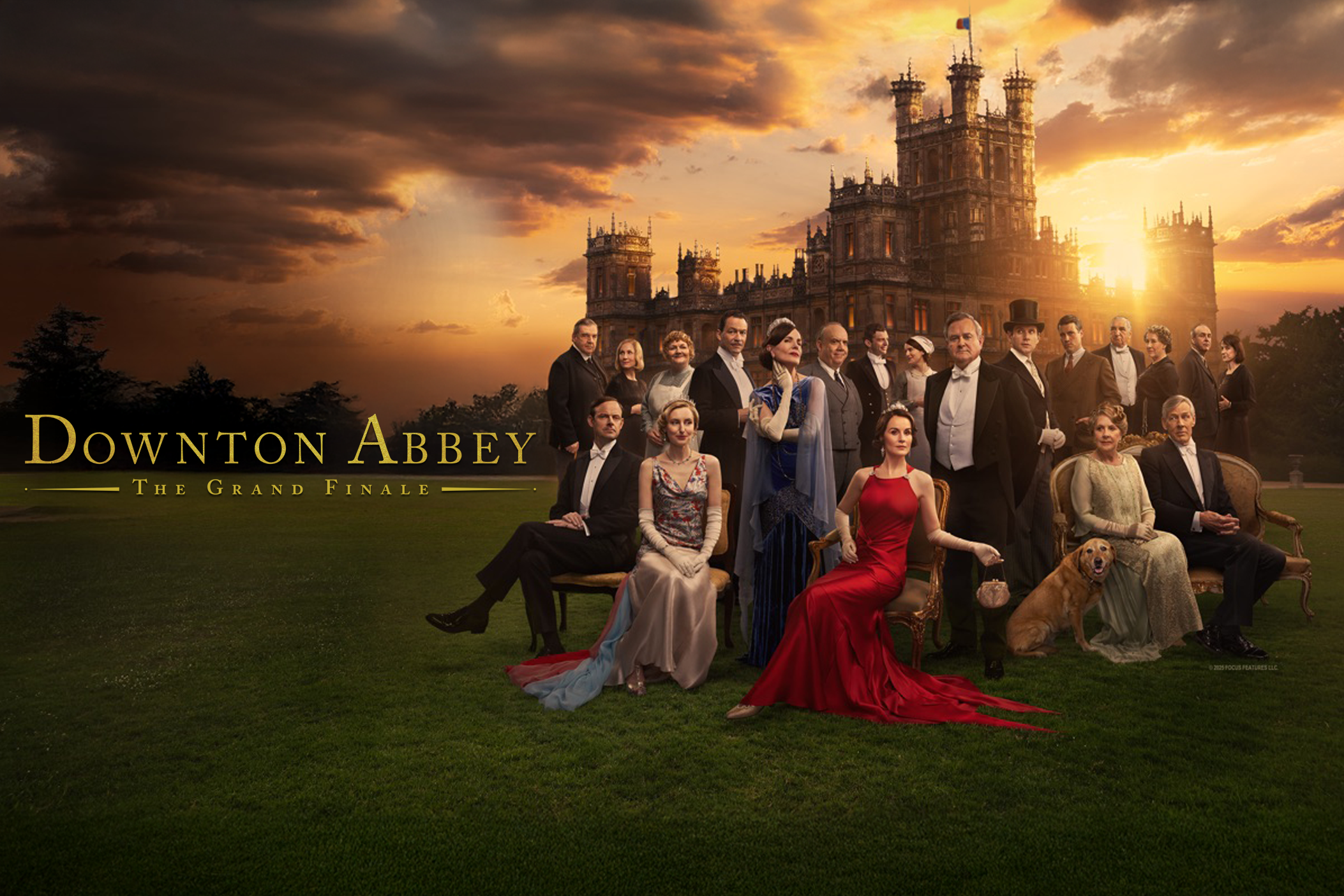
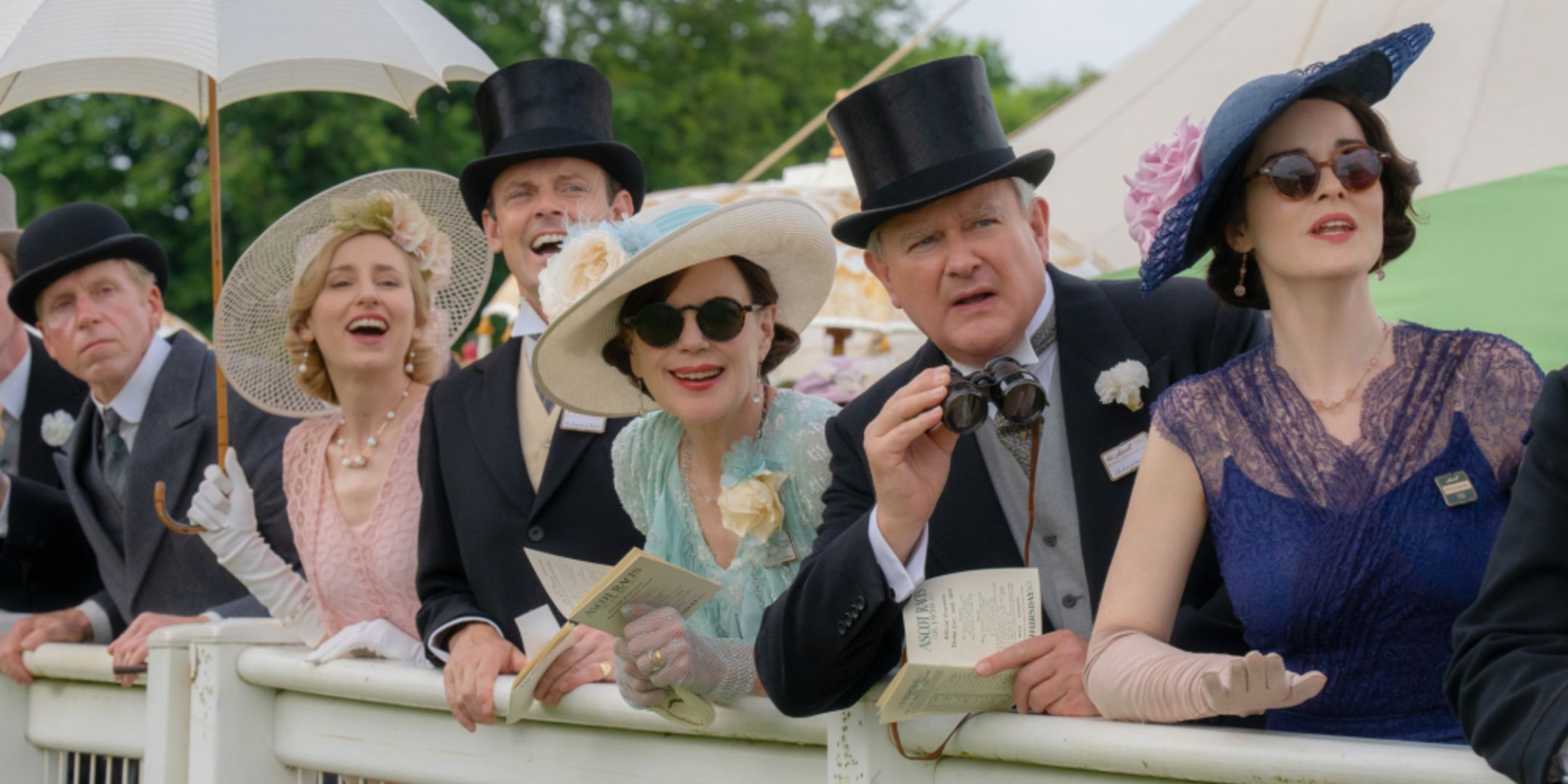
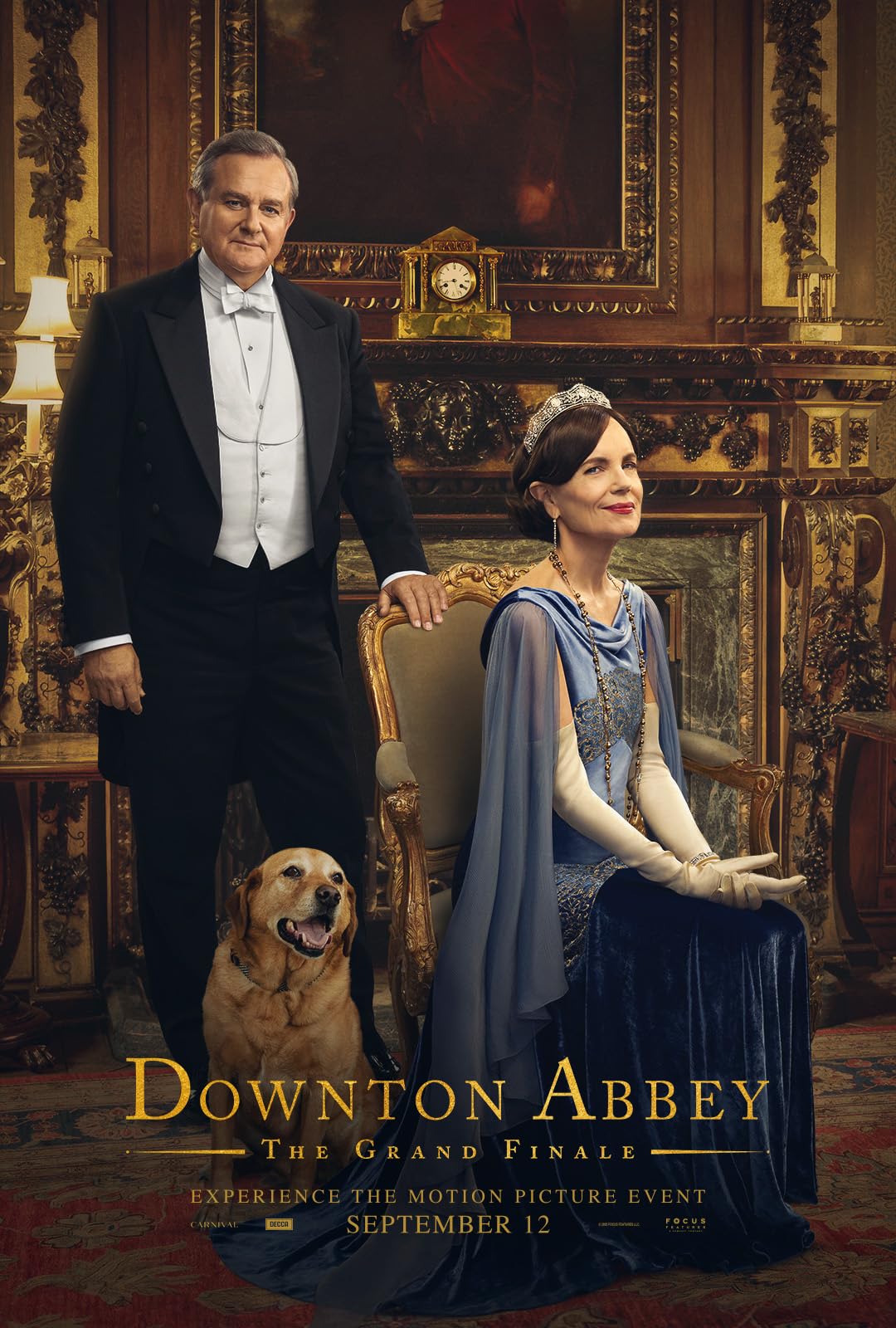
The Downton Abbey Season 3 finale is one of the most culturally significant and emotionally devastating episodes in television history, concluding with the tragic death of Matthew Crawley just moments after the birth of his son, George, permanently altering the trajectory of the series.
Introduction to the Turning Point of an Era
Television milestones often arrive quietly, but the conclusion of Downton Abbey Season 3 shattered expectations and redefined period drama television. Written by Julian Fellowes and directed by David Evans, the two-hour Christmas special—functioning as the season finale—first broadcast in the United Kingdom in December 2012 before airing in the United States in early 2013. For three seasons, viewers had watched the romance, marriage, and struggles of Lady Mary and Matthew Crawley. Just as the couple attained ultimate happiness with an heir, the narrative veered into profound tragedy.
Resolving ambiguity regarding the episode's placement: this analysis focuses strictly on the Season 3 finale (the 2012 Christmas special) and its immediate fallout in the opening episodes of Season 4. The following sections examine the narrative structure of the finale, the immediate structural and emotional aftermath for the Crawley family, the historical context of the 1920s landed gentry, and the broader cultural impact of Dan Stevens' departure from the hit ITV and PBS Masterpiece series.
The Journey to the Highlands: Setting the Stage
Before the tragedy struck, Season 3's final episode took the residents of Downton Abbey far from their Yorkshire estate to the Scottish Highlands, visiting the fictional Duneagle Castle, home to Lord and Lady Flintshire (known to family as "Shrimpie" and "Susan"). This geographical shift served multiple narrative purposes. It provided a stark visual contrast between the orderly grandeur of Downton and the rugged, expansive beauty of Scotland, while introducing fresh aristocratic politics and familial dysfunction.
The Duneagle Subplot and Class Dynamics
The Scottish excursion allowed Julian Fellowes to explore the changing economic realities of the British aristocracy through the lens of Shrimpie Flintshire. While Lord Grantham struggled with managing Downton's finances, Shrimpie faced total financial ruin, underscoring a systemic crisis facing landed estates across post-World War I Britain.
Concurrently, the downstairs staff experienced their own liberation and culture shock. Servants like Anna and John Bates accompanied the family, navigating unfamiliar Scottish service protocols, while other staff members back at Downton enjoyed a rare taste of unsupervised freedom during the family's absence. This temporary loosening of the strict hierarchical constraints of the estate provided vital comedic and romantic relief, temporarily masking the dramatic tension building toward the Christmas special's climax.
The Climax: Joy, Birth, and Sudden Tragedy
Back at the estate, the emotional apex of the episode centers on the birth of Matthew and Mary’s son, George. After years of fertility anxieties, medical interventions, and emotional turbulence, Lady Mary goes into labor while staying at a local cottage hospital rather than traveling back to the abbey.
The Birth of the Heir
Matthew arrives at the hospital in a state of high anxiety, mirroring the traditional anxious father archetype softened by genuine, modern devotion to his wife. When the healthy baby boy is delivered, the atmosphere inside the hospital is overwhelmingly joyful. Mary and Matthew share a tender, private moment holding their son—the future Earl of Grantham and the biological preservation of both the Downton estate and the Swire inheritance that saved it.
The Car Crash
Intoxicated by joy, Matthew borrows a car to drive back to Downton Abbey to share the good news with the rest of the family and staff. Driving down a winding Yorkshire road in his open-top Morris Oxford, he speeds along, distracted by his elation and plans for the future.
Without warning, a small delivery van pulls out from a side road. Matthew swerves to avoid a direct collision, losing control of the vehicle. The car flips off the road, crashing violently. The abrupt transition from high-stakes domestic triumph to absolute stillness on a country roadside remains one of television's most shocking sequences. When help arrives, Matthew lies pinned beneath the wreckage, dead from severe head injuries.
Immediate Aftermath: The Grief of Lady Mary
The transition from Season 3 to Season 4 explores the multi-layered nature of grief in the 1920s upper class. Lady Mary, accustomed to emotional stoicism and aristocratic duty, is shattered. Her arc in the opening episodes of Season 4 defines the post-finale aftermath, transforming her from a sharp, occasionally haughty young aristocrat into a grieving widow forced to confront the harsh reality of managing an estate in a changing world.
Social Isolation and Mourning Rituals
In the early 1920s, mourning rituals for the British elite were rigid, demanding prolonged periods of black attire, social withdrawal, and suppressed emotion. Mary retreats inward, refusing to leave her bedroom or interact with her infant son for months. This maternal withdrawal highlights the psychological toll of sudden loss compounded by societal expectations.
- The Dowager Countess's Intervention: Violet Crawley, played by Maggie Smith, provides the necessary tough love, pulling Mary out of her despair by reminding her that she has a son whose future depends on her resilience.
- The Estate Management Crisis: Matthew’s death leaves a legal vacuum. Because he died before updating his will, the question of who owns Downton Abbey—and whether Mary has legal standing as a co-manager alongside her father—becomes a central plot point driving the narrative forward.
Summary of Key Season 3 Finale Storylines
| Character / Plotline | Status Before the Finale | Resolution in the Finale | Immediate Aftermath (Season 4) |
|---|---|---|---|
| Matthew & Mary | Married, expecting an heir | Matthew dies in a car crash minutes after George's birth | Mary enters deep mourning, eventually taking a co-manager role at Downton. |
| Tom & Sybil's Baby | Grieving Sybil's death | Baby Sybil thrives; Tom secures his place at Downton | Tom navigates his identity as an Irish socialist living among English aristocrats. |
| Edith's Romance | Courted by Michael Gregson | Gregson moves toward divorce to marry Edith | Edith faces social ostracization and secret pregnancy complications. |
| Mr. Bates & Anna | Newlywed bliss at Downton | Enjoying service life, unaffected by the tragedy | Their domestic peace is threatened by a violent assault against Anna. |
Behind the Scenes: Why Dan Stevens Left Downton Abbey
Understanding the finale requires examining the real-world production decisions that forced Julian Fellowes' hand. Actor Dan Stevens, who played Matthew Crawley, chose not to renew his contract at the end of Season 3. Eager to pursue international film and theater opportunities in the United States, Stevens informed the production team of his departure well in advance.
Writing Out a Major Character
Julian Fellowes faced a difficult choice: recast the role of Matthew Crawley or kill him off. Given the immense popularity of Stevens and the central romance with Mary, recasting was dismissed as jarring to the audience. Sending Matthew away to live elsewhere was also rejected because it would be entirely out of character for him to abandon Mary and his newborn son. Thus, a fatal accident was deemed the only narrative-consistent way to write out the character permanently, despite the immediate outcry from millions of viewers worldwide.
Frequently Asked Questions
Why did Matthew Crawley die in the Downton Abbey Season 3 finale?
Matthew Crawley died because actor Dan Stevens chose to leave the series at the expiration of his three-year contract. To write the character out permanently without breaking his established loyalty to his family, the writers engineered a fatal car crash that occurred immediately after the birth of his son, George.
How does Lady Mary cope with Matthew’s death in Season 4?
Lady Mary initially plunges into a deep, debilitating depression, withdrawing from society and temporarily neglecting her newborn son. With the firm guidance of her grandmother, Violet, and the support of her father and Carson, Mary eventually snaps out of her grief and demands a seat at the estate management table, transforming into a modern, independent businesswoman.
Who inherits Downton Abbey after Matthew's death?
Because Matthew died without updating his will after the birth of his son, baby George Crawley becomes the legal heir to the estate through an entail. However, because George is an infant, legal complexities arise regarding who manages the property, leading to a partnership between Lord Grantham and Lady Mary.
Was Matthew’s death historically accurate to the automotive safety of the 1920s?
Yes. In the early 1920s, motor cars were increasingly powerful, but safety features such as seatbelts, laminated windshields, collapsible steering columns, and rigid cabin structures did not exist. Open-top vehicles like the Morris Oxford offered virtually no protection during a rollover or high-speed collision.
How did viewers react to the Season 3 finale when it originally aired?
The episode generated immense shock and widespread public backlash. Fans and television critics expressed grief and anger on social media and through formal complaints to ITV and PBS, with many struggling to accept the abrupt removal of one of the show's most beloved central characters during a Christmas special.
Conclusion and Next Actions
The Downton Abbey Season 3 finale remains a masterclass in high-stakes dramatic pivot, shifting the series from a traditional Edwardian romance into a gritty exploration of post-war survival and modernization. For viewers revisiting the series or examining its structural impact, understanding the intersection of actor contracts, historical context, and narrative necessity clarifies why the tragedy was executed. To fully appreciate the aftermath, viewers should proceed to Season 4, Episode 1, where the Crawleys navigate the delicate balance of grief, estate management, and social change in a rapidly shifting British landscape.