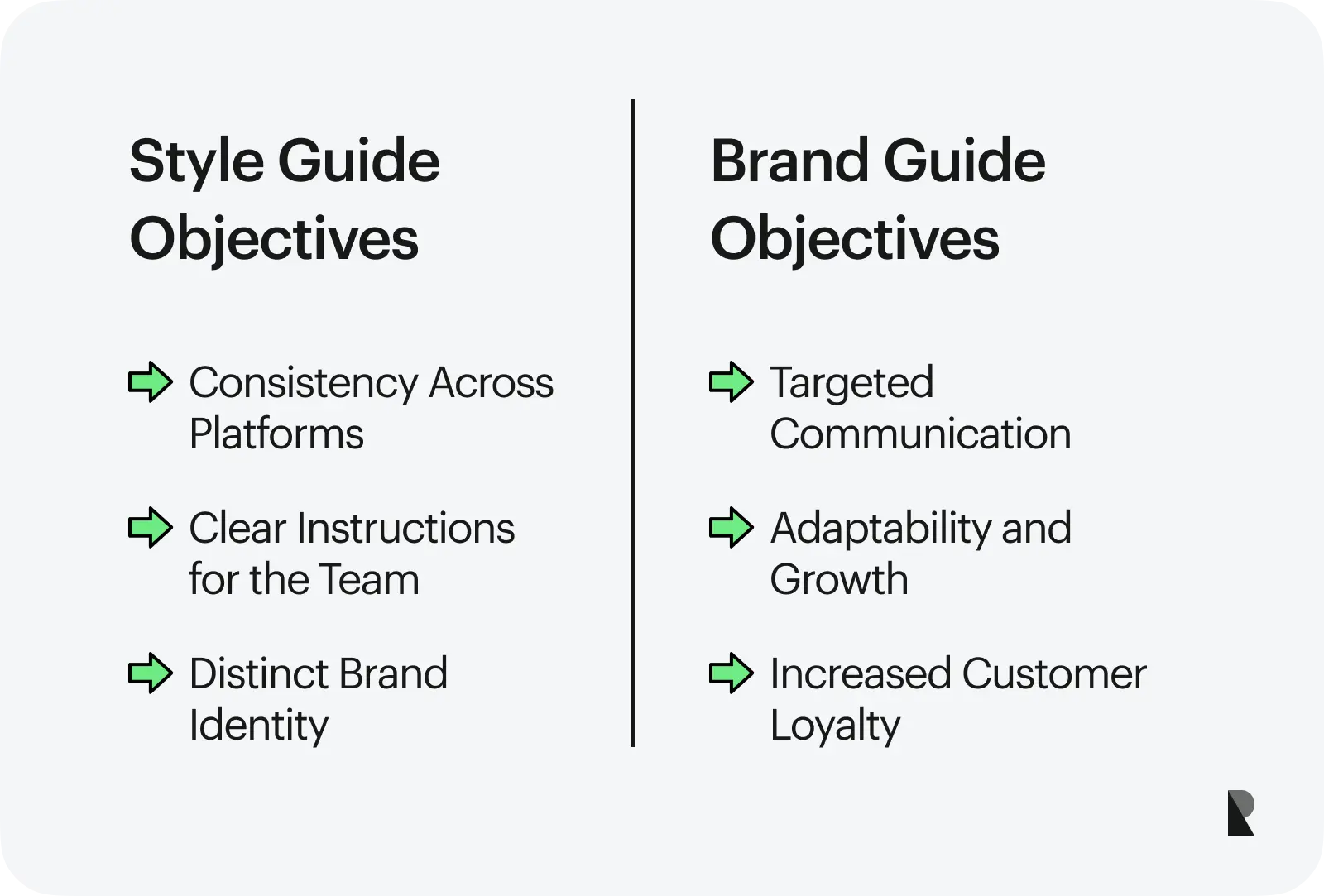
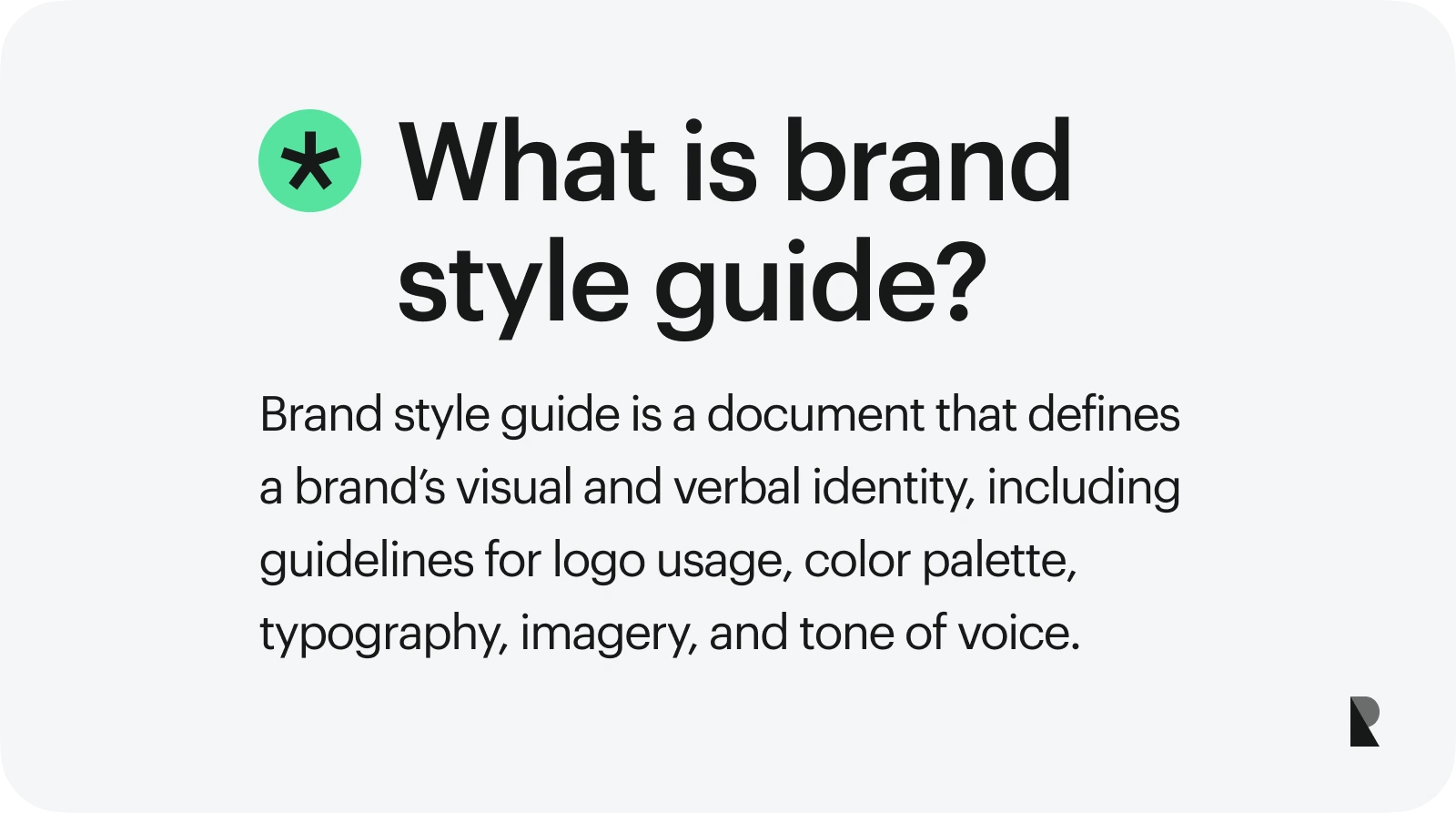
A stylebook is a comprehensive manual that defines the linguistic, visual, and behavioral standards of a brand. It ensures that every communication—from social media posts and technical documentation to internal memos—remains unified, professional, and recognizable. By documenting specific rules for grammar, tone, and design, a stylebook eliminates ambiguity and builds long-term consumer trust.
The Strategic Importance of Brand Consistency in 2026
As we navigate 2026, the digital landscape is more fragmented than ever. Brands are no longer confined to a single website or a print brochure; they exist across immersive meta-environments, AI-driven search interfaces, and diverse social platforms. In this hyper-connected era, a stylebook acts as the "source of truth" for an organization. Without a centralized guide, messaging becomes diluted, leading to a "fragmented brand" experience where the company sounds like a different entity on every platform.
Consistency is not merely an aesthetic choice; it is a psychological driver of consumer behavior. The concept of cognitive ease suggests that humans prefer information that is easy to process. When a brand maintains a consistent visual and verbal identity, it becomes easier for the audience to recognize and remember. This familiarity fosters a sense of reliability. Conversely, inconsistent branding creates cognitive dissonance, making the brand appear disorganized or even untrustworthy.
In 2026, the stylebook has evolved beyond a static PDF. It is now often a dynamic, digital hub that integrates directly with content management systems and design tools. This ensures that as a brand scales, every new hire, freelancer, or agency partner can immediately align with the established identity without a steep learning curve.
Defining the Verbal Identity: Voice and Tone
A significant portion of any stylebook is dedicated to verbal identity. This section dictates how a brand "speaks." While many equate branding with logos, the words a company chooses often carry more weight in building relationships.
Brand Voice vs. Brand Tone
It is critical to distinguish between voice and tone. A brand voice is the steady personality of the company; it does not change. If your brand is "authoritative and visionary," that remains the same regardless of the medium. Brand tone, however, is the emotional inflection applied to that voice based on the context. A brand’s tone might be empathetic when responding to a customer complaint on social media, but more direct and professional in a quarterly financial report.
Editorial Standards and Style Manuals
A stylebook must specify which foundational editorial standard the company follows. Most organizations do not reinvent the wheel but rather adopt a recognized manual and then add brand-specific "house rules."
- The Associated Press (AP) Stylebook: Most common for corporate communications, PR, and journalism. It prioritizes brevity and clarity.
- The Chicago Manual of Style (CMOS): Often used in publishing and long-form content. It is more formal and detailed regarding citations and grammar.
- The Microsoft Writing Style Guide: A frequent choice for technology companies focusing on user interface (UI) and technical documentation.
By selecting a base manual, a stylebook provides instant answers to common questions: Do we use the Oxford comma? How do we format dates (MM/DD/YYYY or DD/MM/YYYY)? How do we capitalize job titles? Resolving these minor details at a systemic level prevents hours of unnecessary editing and debate.
The Visual Identity: Beyond the Logo
While the verbal side of a stylebook ensures you sound the same, the visual section ensures you look the same. In 2026, visual standards must account for various screen types, resolutions, and even augmented reality (AR) overlays.
Color Palettes and Accessibility
A stylebook defines primary and secondary color palettes using specific values: HEX codes for web, RGB for digital displays, and CMYK for print. Crucially, modern stylebooks now include accessibility requirements. Following the Web Content Accessibility Guidelines (WCAG 2.2), brands must ensure their color combinations provide sufficient contrast for users with visual impairments. A stylebook will explicitly state which color combinations are "legal" for text overlays to maintain compliance and inclusivity.
Typography and Hierarchy
The choice of fonts is a silent communicator of brand values. A sleek sans-serif might convey modernism and tech-savviness, while a traditional serif suggests heritage and authority. The stylebook defines:
- Primary Typeface: Used for headings and branding.
- Secondary Typeface: Used for body text and long-form reading.
- Hierarchy: Specific font sizes, line heights, and weights for H1, H2, and H3 tags.
Imagery and Motion
In 2026, static images are often replaced by motion graphics and short-form video. A stylebook now includes guidelines for the "vibe" of photography—should images be candid and warm, or staged and high-contrast? It also defines motion curves for animations, ensuring that every transition on a mobile app feels snappy and consistent with the brand’s energy.
Building Your Brand Stylebook: A Framework
Creating a stylebook is an iterative process that requires input from stakeholders across design, marketing, and legal departments.
Step 1: The Brand Audit
Before writing the guide, collect existing materials. Identify where the brand is currently inconsistent. Are there three different versions of the logo being used? Does the blog use a different tone than the email newsletters? This audit highlights the gaps that the stylebook needs to bridge.
Step 2: Establish the Core Identity
Define the mission, vision, and values. If the brand were a person, how would they behave? This section serves as the "North Star" for all subsequent rules. If a value is "transparency," the editorial rules might forbid the use of corporate jargon.
Step 3: Technical Specifications
This is the "how-to" section. Include high-resolution downloads of logos and clear instructions on clearance space (the "padding" required around a logo to prevent it from looking cluttered). List the preferred spellings for industry-specific terms or proprietary product names.
Step 4: Governance and Distribution
A stylebook is useless if it sits in a forgotten folder. In 2026, the most effective stylebooks are hosted on internal wikis or platforms like Frontify or Zeroheight, which allow for real-time updates.
| Feature | Brand Stylebook | Editorial Style Guide | UI/UX Design System |
|---|---|---|---|
| Primary Goal | Emotional and visual consistency | Linguistic and grammatical accuracy | Functional and interactive unity |
| Target Audience | Everyone (Internal & External) | Writers, Editors, PR | Developers, Product Designers |
| Key Components | Values, Logo, Voice, Colors | Punctuation, Tone, Word Choice | Buttons, Grids, Code Snippets |
| Update Frequency | Every 1–3 years | Yearly or as language evolves | Continuous/Sprint-based |
The Role of Artificial Intelligence in Brand Consistency
As we reach mid-2026, AI has become a primary consumer of brand stylebooks. Many companies now upload their stylebooks into custom Large Language Model (LLM) instances. These "Brand AI" tools act as a first-pass editor for all content.
If a writer drafts a blog post that is too formal for the brand’s "approachable" voice, the AI can flag specific sentences and suggest rewrites based on the stylebook’s rules. This doesn't replace human creativity; rather, it automates the "policing" of brand standards, allowing creatives to focus on high-level strategy while ensuring that the Oxford comma is used (or avoided) exactly as specified.
Common Mistakes in Stylebook Development
Even with the best intentions, stylebooks can fail if they are not designed for practical use.
- Over-Complexity: If a stylebook is 200 pages long, no one will read it. The best guides use "Quick Reference" sheets for the most common tasks.
- Lack of Flexibility: A stylebook should be a guide, not a prison. There should be room for creative exceptions, provided they are justified and documented.
- Ignoring the "Why": Simply telling a designer "don't use the logo on a red background" is less effective than explaining why (e.g., "it reduces legibility and conflicts with our secondary palette").
- Static Documentation: Language and culture evolve. A stylebook that doesn't account for new social norms or emerging technologies will quickly become a relic.
Frequently Asked Questions
What is the difference between a stylebook and a brand book?
While the terms are often used interchangeably, a brand book is typically a high-level document focusing on the "soul" of the brand—mission, vision, and emotion. A stylebook is the technical implementation of that vision, providing the specific rules for grammar, colors, and layouts. You can think of the brand book as the "strategy" and the stylebook as the "tactics."
Does a small business or startup really need a stylebook?
Yes. In fact, startups often need stylebooks more than established corporations because they are in the process of building their reputation. A stylebook ensures that as the team grows from two people to twenty, the brand remains consistent. It prevents the "founder-dependency" where every piece of content has to be approved by the CEO to ensure it "sounds right."
How do you enforce stylebook standards across a large organization?
Enforcement works best when it is integrated into the workflow. This includes using digital asset management (DAM) systems where only approved logos are available, and using plugins in software like Microsoft Word or Google Docs that check for brand-specific language. Regular "brand audits" where a marketing lead reviews a sample of multi-departmental output also help maintain standards.
How often should a company update its stylebook?
A stylebook should be reviewed annually. While the core identity rarely changes, technical specs (like social media image dimensions), inclusive language preferences, and new product terminology should be updated regularly. In 2026, many organizations move to a "rolling update" model where changes are made in real-time on a digital platform.
What are the "must-have" sections for an editorial stylebook?
At a minimum, an editorial stylebook should include:
- Voice and Tone definitions with "do and don't" examples.
- Preferred Style Manual (AP, Chicago, etc.).
- Punctuation and Grammar quirks (e.g., use of emoji, bullet point styles).
- A Brand Dictionary defining how to spell and capitalize specific products and industry terms.
- Formatting for links, dates, and numbers.
Practical Recommendation for 2026
If your organization does not currently have a stylebook, or if your current guide is a dusty PDF from 2021, your first action should be to digitize and centralize. Move your brand standards to a web-based platform that is accessible to all employees via a single link.
Prioritize the Verbal Identity first, as language is the most frequent touchpoint for customers. Once the "voice" is established, layering on the visual and behavioral standards becomes significantly easier. Remember, a stylebook is a living document; its goal is not to restrict creativity, but to provide a stable foundation upon which your brand can grow without losing its identity.