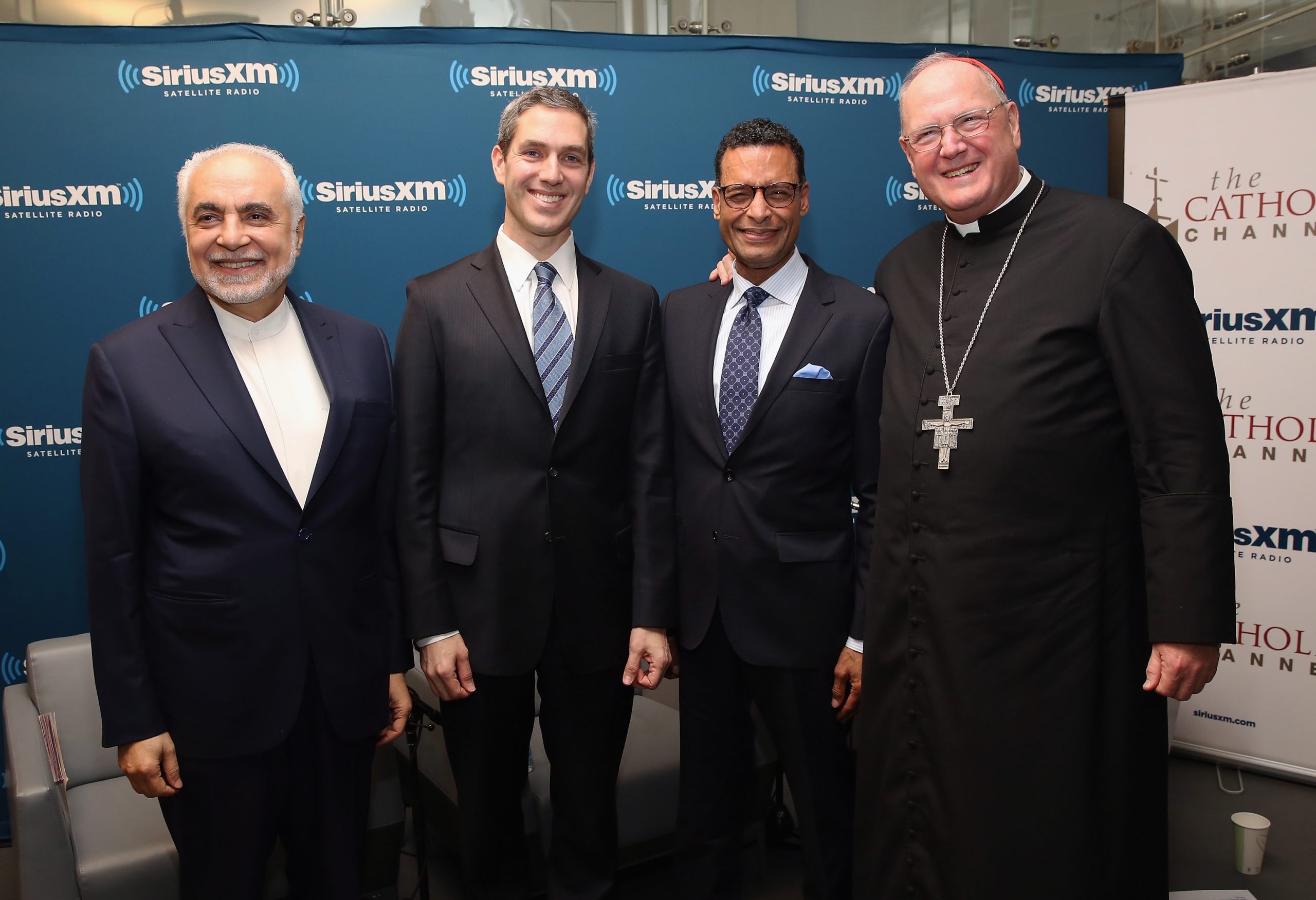
The financial standing of A.R. Bernard, a prominent figure in the religious and non-profit landscape, is frequently a subject of public interest. Estimates regarding his net worth typically fall between $2 million and $10 million, a range derived from his long-standing leadership at the Christian Cultural Center, book royalties, and his multifaceted career as an author, speaker, and community leader.
The Complexity of Estimating Net Worth for Religious Leaders
Determining the net worth of a religious leader like A.R. Bernard involves significant complexities that distinguish his profile from that of a traditional corporate executive. Unlike public companies that file mandatory 10-K reports with the Securities and Exchange Commission (SEC), non-profit organizations, including the Christian Cultural Center (CCC), operate under different financial disclosure requirements.
In the United States, large religious organizations are often exempt from the public reporting requirements placed on secular non-profits. While these organizations file Form 990s with the Internal Revenue Service (IRS) in certain circumstances, many religious entities utilize specific exemptions, meaning their internal compensation structures and total asset holdings remain private. Therefore, any published figure regarding A.R. Bernard’s wealth is an estimation based on publicly accessible data points—such as real estate records, published book sales, and known professional speaking engagements—rather than a verified financial audit.
Core Pillars of Professional Income
To understand the factors contributing to his financial profile, one must examine the diverse professional avenues through which A.R. Bernard operates. His income is not derived from a single source, but rather a combination of roles that span several decades.
Leadership at the Christian Cultural Center
The Christian Cultural Center in Brooklyn, New York, is one of the largest houses of worship in the United States. Founded by Bernard in 1978, the organization has grown significantly, serving tens of thousands of members. As the primary leader and founder, Bernard’s compensation is determined by the Board of Directors of the church. It is standard practice for boards of large non-profit organizations to utilize compensation surveys to ensure that the salaries of senior executives are commensurate with their responsibilities and comparable to similarly sized organizations. However, because the CCC is a religious institution, these specific salary figures are not matters of public record.
Authorial Contributions and Publishing
A significant portion of A.R. Bernard’s public profile—and a secondary stream of potential income—is his career as an author. He has penned several books that address cultural, spiritual, and leadership topics. His most notable work, Four Things Women Want from a Man, became a New York Times bestseller, which historically indicates substantial distribution and sales volume. Royalties from book sales, speaking honorariums from global conferences, and media appearances constitute the professional revenue streams that are separate from his duties as a pastor.
Media Presence and Public Speaking
Bernard is frequently sought after as a commentator on the intersection of faith, social justice, and urban life. His appearances in mainstream media and his status as a recurring guest on various news networks enhance his public profile. While some appearances are public service-oriented, others—particularly keynote addresses at national leadership summits or secular business forums—are often associated with professional honorariums.
Comparative Financial Context
When evaluating the net worth of individuals in similar positions, it is useful to understand how these figures are structured across the industry. The following table provides a breakdown of the typical revenue sources for high-profile religious and organizational leaders.
| Revenue Source | Characteristics | Financial Visibility |
|---|---|---|
| Institutional Salary | Governed by Board Compensation Committees | Generally Private |
| Book Royalties | Based on volume of sales via publishers | Partially Trackable |
| Speaking Fees | Market-rate honorariums for appearances | Private/Contractual |
| Investments | Personal assets, real estate, and equity | Usually Private |
| Media Rights | Fees for appearances or production | Varies by Contract |
Distinguishing Between Institutional and Personal Assets
A common point of confusion in public discourse involves the distinction between the assets held by an institution and those owned by an individual. The Christian Cultural Center owns significant real estate in Brooklyn, including an expansive campus. It is a fundamental error in financial analysis to conflate the net worth of an organization with the personal net worth of its leader.
The assets of the CCC are held in trust for the mission of the organization. Bernard, as the leader, does not maintain personal equity in the church’s property. Any analysis of his net worth must therefore isolate his personal earnings—derived from his independent career, investments, and professional services—from the balance sheet of the religious institution he leads.
The Role of Transparency in Non-Profit Governance
For individuals interested in the financial transparency of non-profit leaders, it is helpful to look at the mechanisms of oversight. In the United States, even for tax-exempt entities, there are strict legal requirements regarding "inurement." The IRS prohibits the private inurement of non-profit assets, meaning the leaders of these organizations cannot benefit personally from the organization's profits beyond reasonable compensation.
If an organization were found to be violating these rules, it would jeopardize its tax-exempt status. Therefore, while the exact net worth of individuals like A.R. Bernard remains opaque due to the private nature of their personal finances, the operational integrity of their organizations is subject to federal tax laws intended to prevent the personal enrichment of staff using charitable funds.
Frequently Asked Questions
Is A.R. Bernard’s salary public record? No. Because the Christian Cultural Center is a religious institution, it is not required to disclose the specific compensation packages of its employees to the public in the same manner as a publicly traded corporation.
What is the primary driver of A.R. Bernard’s wealth? His net worth is estimated to be built upon a combination of his long-term career as a pastor, his success as a bestselling author of books on relationships and leadership, and professional speaking engagements throughout his decades-long career.
Does A.R. Bernard own the Christian Cultural Center? No. The Christian Cultural Center is a non-profit organization. It is not a business entity owned by an individual, and its assets are managed by a Board of Directors for the fulfillment of its institutional mission.
How accurate are online "net worth" estimates? Online estimates are often speculative and should be viewed with skepticism. These sites frequently lack access to tax returns, private investment portfolios, or bank records, and often rely on broad generalizations regarding income for specific professional roles.
Why is there such a wide variance in reported net worth figures? The variance exists because there is no official, verified source for this information. Different aggregators use different, often proprietary, models to guess at wealth, leading to inconsistent reporting. Without access to private financial documents, any figure remains an approximation.
Next Steps for Financial Verification
For those seeking accurate information regarding the financial health of non-profit organizations, the most reliable method is to review publicly available IRS filings for the organization itself, rather than focusing on the individual leader. You can utilize the IRS Tax Exempt Organization Search (TEOS) tool to view Form 990 documents if the specific organization has filed them. This provides transparency regarding the organization's total revenue, functional expenses, and organizational structure, which serves as a more reliable indicator of the entity's health than media speculation about the personal wealth of its leadership.