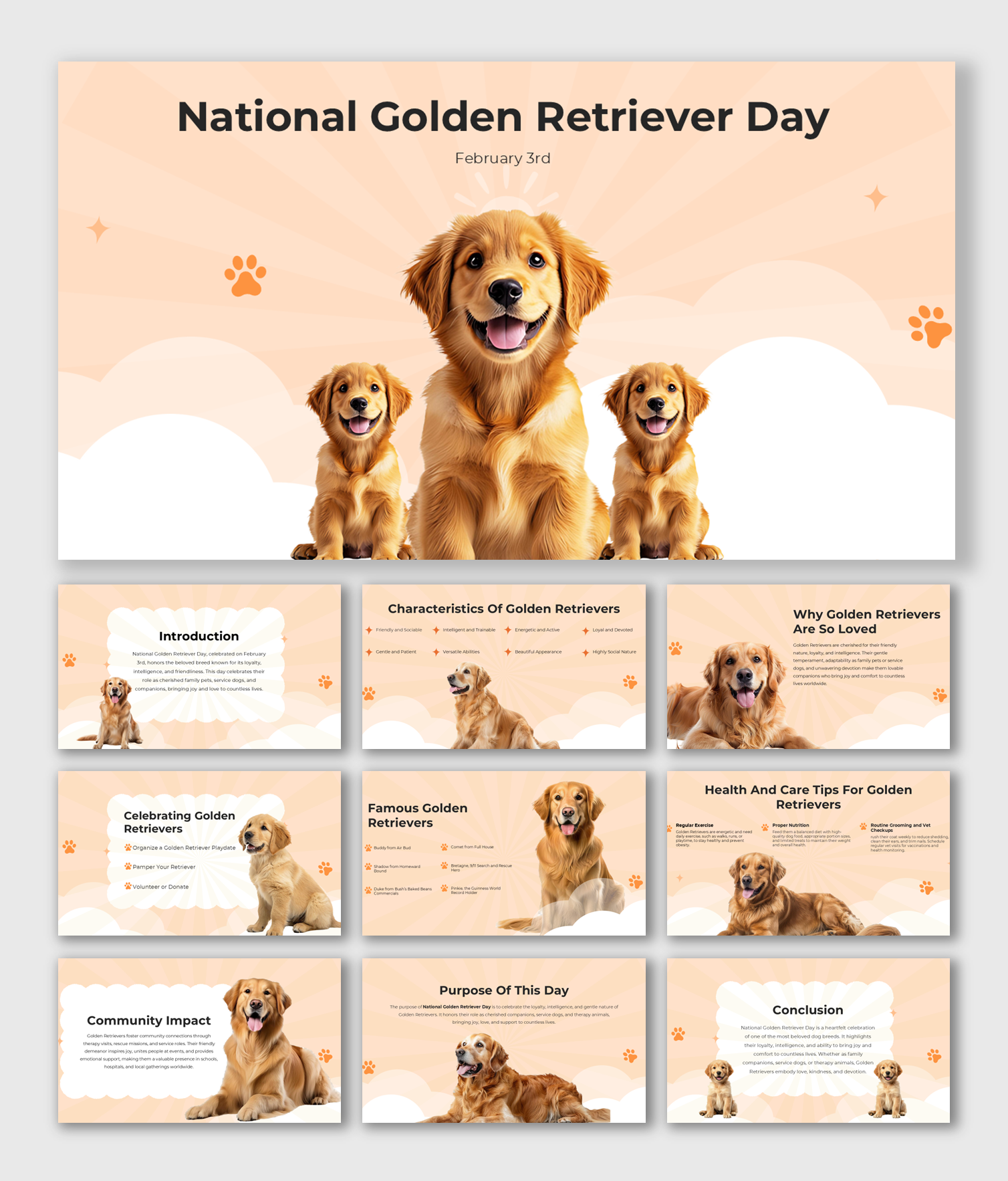
A Golden Retriever Day refers primarily to National Golden Retriever Day, observed annually on February 3rd, dedicated to celebrating one of the world’s most popular dog breeds. It also encompasses the lifestyle of owning a Golden, characterized by high-energy outdoor activities, meticulous grooming routines, and fostering the breed's signature "eager-to-please" temperament.
The concept of a "Golden Retriever Day" has evolved significantly. While it remains a specific date on the calendar to honor these loyal companions, it has also become a cultural shorthand for a lifestyle centered on optimism, physical activity, and social connection. As of 2026, the Golden Retriever continues to rank among the top three most popular breeds globally, making the understanding of their specific needs and the celebration of their history more relevant than ever for current and prospective owners.
The Origins and Significance of February 3rd
National Golden Retriever Day was established in 2012 by Kristen Shroyer. The date, February 3rd, was chosen to honor her own Golden Retriever, Quincey, whose birthday fell on that day. What began as a personal tribute quickly resonated with the global community of dog lovers, transforming into an international event where owners share photos, organize breed-specific meetups, and donate to Golden Retriever rescue organizations.
The day serves a dual purpose. First, it is a celebration of the breed’s unique traits—intelligence, friendliness, and versatility. Second, it acts as an advocacy platform. Golden Retrievers are unfortunately predisposed to certain health conditions, most notably various forms of cancer and hip dysplasia. On this day, many veterinary groups and breed foundations emphasize the importance of genetic testing, proper nutrition, and the "Golden Retriever Lifetime Study," which remains one of the most comprehensive veterinary research efforts in history.
Understanding "Golden Retriever Energy" in 2026
In the cultural zeitgeist of 2026, the term "Golden Retriever Energy" has transcended the canine world to describe a specific human personality type: someone who is unflaggingly kind, social, and resiliently happy. However, for a dog owner, managing literal Golden Retriever energy is a daily commitment that requires more than just a positive attitude.
Golden Retrievers are members of the Sporting Group. They were originally bred to retrieve waterfowl for hunters, which means they possess a high level of stamina and a "soft mouth" (the ability to carry items without damaging them). "Golden Retriever energy" in a domestic setting translates to a need for significant physical exertion. Without an outlet for this drive, these dogs can become destructive or develop anxiety-related behaviors such as excessive barking or compulsive chewing.
The Biological Basis of Their Temperament
Goldens are genetically predisposed to be highly social. They possess a high concentration of Williams-Beuren syndrome-related genes, which in humans is associated with extreme friendliness. This makes them excellent therapy and service dogs but also means they do not thrive in isolation. A true "Golden Retriever Day" is one spent in the company of others.
Designing the Perfect Daily Routine for a Golden Retriever
To provide a Golden Retriever with a fulfilling life, owners must adhere to a structured daily schedule that balances physical exercise with mental stimulation. Because Goldens are prone to obesity, a sedentary lifestyle is a significant health risk.
Morning: High-Intensity Engagement
The day should begin with a brisk 30-to-45-minute walk or a session of fetch. Because Goldens are "retrievers" by trade, games that involve bringing objects back to the owner satisfy a deep-seated instinct. In 2026, many owners use automated ball launchers or GPS-tracked toys to monitor activity levels and ensure the dog is reaching its daily movement goals.
Mid-Day: Mental Enrichment and "Brain Games"
Golden Retrievers are highly intelligent and rank in the top five of most lists regarding canine IQ. Leaving them alone with nothing to do is a recipe for behavioral issues. Mid-day activities should include:
- Scent Work: Hiding treats around the house or yard to engage their powerful sense of smell.
- Puzzle Feeders: Using interactive bowls that require the dog to solve a physical puzzle to access their food.
- Training Drills: Reinforcing basic commands or teaching "party tricks" keeps their minds sharp and strengthens the bond with the owner.
Afternoon: Socialization and Play
If the owner is at work, doggy daycare or a professional dog walker is often necessary for this breed. Goldens are "people dogs" and can suffer from separation anxiety. If home, a trip to a dog park or a "playdate" with another canine is ideal. They are famously gentle with other breeds and humans, making them the stars of social environments.
Nutrition and Health Maintenance
Maintaining a Golden Retriever's health requires a proactive approach to diet and preventative care. As of 2026, veterinary science emphasizes the role of inflammation management in this breed.
Dietary Requirements
Goldens are notorious "foodies" and will often eat until they are ill. It is essential to measure meals strictly and avoid excessive table scraps.
- Joint Support: Look for foods containing Glucosamine and Chondroitin.
- Omega-3 Fatty Acids: Essential for maintaining their iconic golden coat and supporting heart health.
- Grain-Inclusive vs. Grain-Free: Following the FDA investigations of previous years, many 2026 veterinary guidelines recommend high-quality, grain-inclusive diets for Goldens to support heart health and prevent Dilated Cardiomyopathy (DCM), unless a specific allergy is present.
Health Screening and Monitoring
Regular check-ups should focus on:
- Cardiac Exams: Checking for subvalvular aortic stenosis (SAS).
- Ophthalmology: Screening for cataracts and progressive retinal atrophy.
- Orthopedic Evaluation: Monitoring for hip and elbow dysplasia, especially as the dog enters its senior years (typically around age 8).
Managing the Golden Coat: Grooming and Hygiene
A significant portion of a "Golden Retriever Day" involves managing the fur. Goldens have a dense, water-repellent double coat. They shed moderately throughout the year and "blow" their coats (heavy shedding) twice a year, usually in the spring and fall.
| Grooming Task | Frequency | Purpose |
|---|---|---|
| Brushing | Daily or Every Other Day | Removes loose fur, prevents matting, and distributes skin oils. |
| Ear Cleaning | Weekly | Goldens have floppy ears that trap moisture, making them prone to infections. |
| Nail Trimming | Every 3–4 Weeks | Prevents joint pain and posture issues caused by long nails. |
| Bathing | Every 4–6 Weeks | Removes dirt and "doggy odor" without stripping essential skin oils. |
| Dental Care | Daily Brushing | Prevents periodontal disease, which is common in older Goldens. |
Professional grooming is recommended every few months to trim the "feathers" (long hair on the legs and tail) and the hair between the paw pads. Never shave a Golden Retriever; their double coat provides insulation against both heat and cold. Shaving can permanently damage the coat’s texture and leave the dog vulnerable to sunburn and heatstroke.
The "Golden Retriever Day" Social Media Phenomenon
In the digital landscape of 2026, "A Day in the Life of a Golden Retriever" has become a staple of social media content. This has led to a surge in breed popularity, which comes with both benefits and risks.
The Benefits of Online Community
Digital platforms have allowed owners to share health tips, locate reputable breeders, and organize massive "Golden Meetups" in cities like Golden, Colorado (which hosts an annual "Goldens in Golden" event). These communities provide a support network for owners dealing with breed-specific challenges, such as the loss of a pet to hemangiosarcoma (a common cancer in the breed).
The Risks of Trend-Based Ownership
The aesthetic appeal of a "Golden Retriever Day" can sometimes overshadow the reality of the work involved. Prospective owners must realize that:
- Puppyhood is intense: Golden puppies are often called "land sharks" because of their tendency to mouth and nip everything.
- Expense: Between high-quality food, grooming tools, and veterinary insurance, the cost of owning a Golden is higher than many other breeds.
- Time Commitment: This is not a "low-maintenance" dog. They require at least 1–2 hours of focused interaction every single day.
Comparing the Golden Retriever to Similar Breeds
When deciding if a Golden is right for your lifestyle, it helps to compare them to their closest relatives in the Sporting Group.
| Feature | Golden Retriever | Labrador Retriever | Goldendoodle |
|---|---|---|---|
| Temperament | Gentle, sensitive, calm. | High-energy, outgoing, boisterous. | Varied; can be high-strung or very chill. |
| Grooming Needs | High (Daily brushing). | Moderate (Weekly brushing). | Very High (Professional clipping required). |
| Training | Very easy; eager to please. | Easy; highly food-motivated. | Generally easy, but can be stubborn. |
| Shedding | High (Constant). | High (Seasonal spikes). | Low to None (if F1B or higher). |
| Health Risks | Cancer, Hip Dysplasia. | Obesity, Joint issues. | Hybrid vigor, but prone to ear infections. |
Common Challenges and Troubleshooting
Even with the best preparation, a "Golden Retriever Day" may present challenges. Addressing these early ensures a harmonious household.
Separation Anxiety
Because they are so bonded to their humans, Goldens can struggle when left alone.
- Solution: Practice short departures and reward calm behavior. Use "calming" pheromone diffusers or white noise machines if the dog appears stressed during work hours.
"The Zoomies" (Frenetic Random Activity Periods)
Often occurring in the evening, these sudden bursts of energy are a sign of pent-up excitement or a need for a final bathroom break.
- Solution: Allow the dog to burn off the energy in a safe, fenced area. If it happens indoors, keep the path clear of breakables and avoid engaging in high-excitement play right before bed.
Counter Surfing
Goldens are tall enough to reach kitchen counters and are extremely food-driven.
- Solution: Keep counters clear and use "place" training to teach the dog to stay on a specific mat or bed while humans are cooking or eating.
Frequently Asked Questions
When is National Golden Retriever Day 2026?
National Golden Retriever Day will be observed on Tuesday, February 3rd, 2026. This is an annual event that does not change its date, regardless of the day of the week. Many local shelters and breed clubs hold events on the preceding or following weekend to accommodate working owners.
Are Golden Retrievers good for first-time dog owners?
Yes, Golden Retrievers are widely considered one of the best breeds for first-time owners. Their inherent desire to please makes them easier to train than more independent or stubborn breeds. However, owners must be prepared for the significant grooming and exercise requirements that come with the breed.
How much exercise does a Golden Retriever need daily?
A healthy adult Golden Retriever needs roughly 60 to 90 minutes of active exercise per day. This should be a mix of walking, running, and swimming. Mental stimulation is also required; 15 minutes of training can be as tiring for a dog as a 30-minute walk.
Do Golden Retrievers bark a lot?
Goldens are not known as "nuisance barkers." They may bark to alert you to someone at the door or during an exciting game of fetch, but they are generally quiet indoors. If a Golden is barking excessively, it is usually a sign of boredom, anxiety, or a lack of sufficient exercise.
What is the average lifespan of a Golden Retriever in 2026?
The average lifespan of a Golden Retriever is currently between 10 and 12 years. While some individuals live into their mid-teens, the breed's susceptibility to cancer remains the primary factor limiting their average longevity. Regular veterinary check-ups and a healthy weight are the best ways to maximize their lifespan.
Next Steps for a Successful Golden Retriever Day
Whether you are celebrating the official holiday on February 3rd or simply navigating a standard Tuesday with your dog, the key to a successful "Golden Retriever Day" is consistency. These dogs thrive on routine and clear expectations.
If you do not yet own a Golden but are considering one, your next action should be to research reputable breeders who prioritize health clearances (specifically OFA heart, hip, and eye certifications) or to contact a breed-specific rescue organization. For current owners, use the next February 3rd as a reminder to schedule a "wellness" veterinary visit to catch any potential health issues early, ensuring many more happy years with your companion.