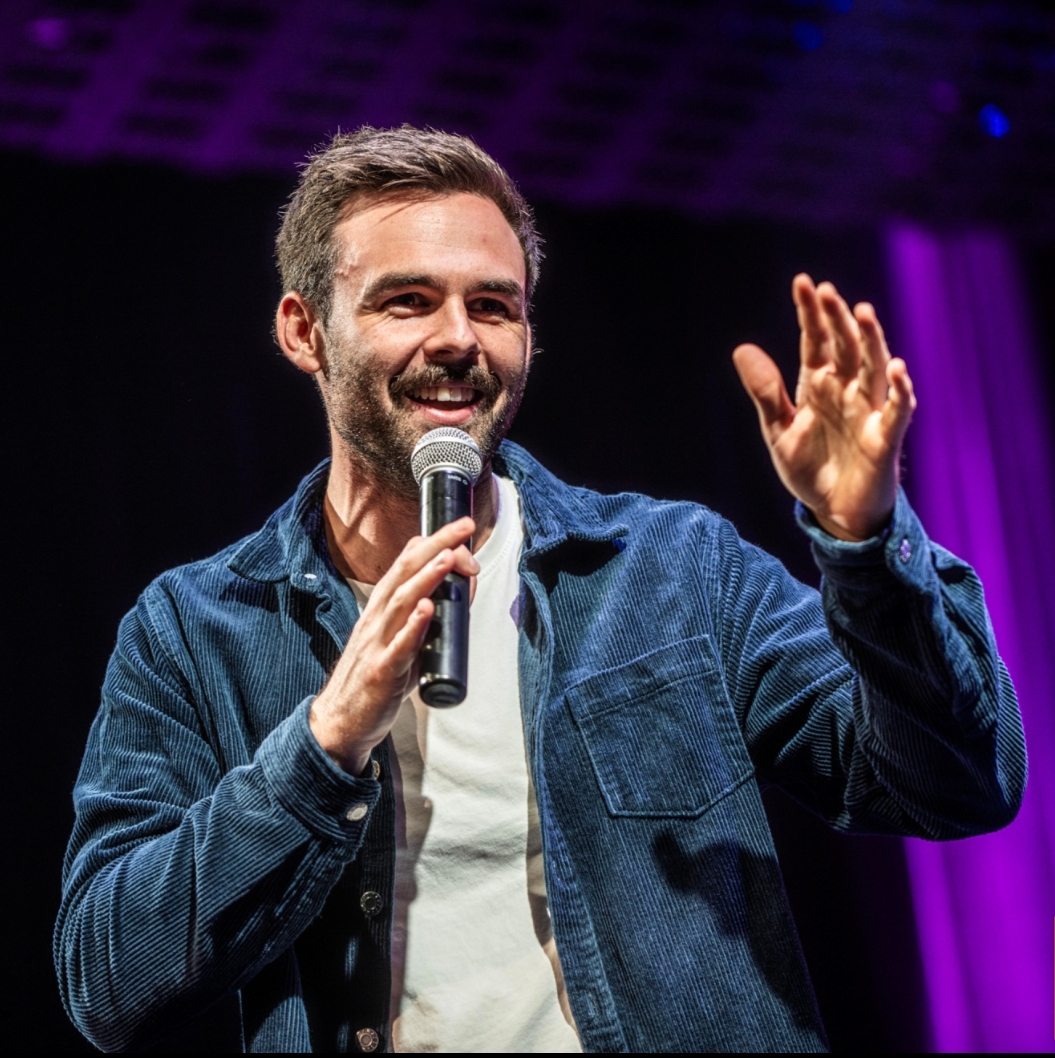
A comedian host is a professional entertainer who combines the structured duties of a master of ceremonies with the timing, engagement, and humor of a stand-up comic. They serve to bridge program segments, maintain high energy levels, and ensure the audience remains attentive through scripted material and improvisational "crowd work."
In the event landscape of 2026, the demand for "experience-led" gatherings has transformed the role of the traditional master of ceremonies. No longer is it sufficient to have a staff member or a monotone announcer read from a teleprompter. Organizations and private hosts are increasingly turning to professional comedian hosts to transform standard proceedings into memorable, high-impact experiences. This shift acknowledges a fundamental truth in human psychology: information is better retained, and brand sentiment is higher, when the delivery is interspersed with genuine levity and emotional connection.
The role of a comedian host is multifaceted. While their primary objective is to keep the audience laughing, their secondary—and often more critical—objective is to manage the event's flow, troubleshoot technical delays with humor, and act as the "glue" that binds disparate speakers or awards together. Understanding how to select, brief, and utilize a comedian host is essential for any event planner looking to elevate a conference, gala, or ceremony.
The Strategic Advantage of a Comedian Host
The decision to hire a comedian to host an event rather than a standard corporate MC comes down to the management of "audience fatigue." In long-form events, such as three-day corporate retreats or four-hour award banquets, the audience’s attention span naturally wanes. A comedian host acts as a periodic "reset button" for the room's energy.
Psychological Engagement and Retention
When an audience laughs, they release endorphins and lower their cortisol levels. This physiological response makes them more receptive to the messages that follow. If a comedian host delivers a sharp, clean set of observations before introducing a CEO or a keynote speaker, the audience is more likely to listen to that speaker with an open mind. Humor breaks down the barriers of hierarchy and corporate stiffness, fostering a sense of community among attendees.
Navigating the "Dead Air"
Technical glitches are an inevitable part of live events. Whether a video fails to play or a speaker is late to the stage, these moments of silence can kill the momentum of an evening. A professional comedian host is trained in the art of improvisation. They can step into a five-minute gap and keep the audience entertained without the audience ever realizing there is a problem behind the scenes. This "insurance policy" for the event’s timeline is one of the most practical reasons to invest in a comedic professional.
Essential Skills of a Professional Comedian Host
Not every stand-up comedian is suited for hosting. Hosting requires a different ego-management style than a solo comedy special. A host must be willing to share the spotlight and, at times, step back to let the event’s purpose take center stage.
1. Masterful Timing and Pacing
Comedy is the study of timing. A comedian host understands exactly when to let a joke breathe and when to move quickly to the next transition. In 2026, where digital distractions are at an all-time high, the ability to "read the room" and adjust the pace of delivery in real-time is the hallmark of a veteran host. If they sense the energy dipping, they might inject a quick interactive bit; if the event is running behind schedule, they know how to condense their material without it feeling rushed.
2. High-Level Empathy and Crowd Work
The best hosts are those who can interact with the audience without making them feel uncomfortable. "Crowd work"—the act of talking to audience members and spinning humor from their responses—requires a high degree of emotional intelligence. In a corporate or formal setting, this must be handled with care. A comedian host knows how to poke fun at the industry’s quirks or the "common enemies" (like long meetings or complex software) rather than targeting individuals in a mean-spirited way.
3. Script Integration and Brand Alignment
A comedian host must be able to weave the host organization’s mission, values, and specific jargon into their routine. This is known as "customized comedy." By demonstrating that they have researched the company or the cause, the host gains instant credibility. They transition seamlessly from a joke about the industry’s latest trend to the serious introduction of an annual report or a charity's impact video.
Categorizing the Comedian Host by Event Type
Selecting the right talent requires matching the comedian’s style to the specific "vibe" of the event. A comedian who excels at a late-night club set may not be the right fit for a 9:00 AM healthcare symposium.
| Event Type | Ideal Comedian Style | Primary Goal | Key Requirement |
|---|---|---|---|
| Corporate Gala | Clean, observational, sophisticated | Celebration & brand loyalty | Professional attire; industry-specific research |
| Industry Awards | High energy, rapid-fire, witty | Keeping the pace; honoring winners | Ability to pronounce difficult names/titles |
| Charity Auction | Persuasive, high-energy, relatable | Maximizing donations/bidding | Understanding the "ask"; emotional resonance |
| Tech/Product Launch | Fast-paced, irreverent but respectful | Generating hype and excitement | Familiarity with technical concepts |
| Association Conference | Relatable, "insider" humor | Building community & networking | Long-form engagement over multiple days |
Logistics and Technical Requirements for Success
The effectiveness of a comedian host is often limited by the technical environment of the venue. Unlike a speaker who stands behind a lectern, a comedian needs freedom of movement and specific audio-visual support to be successful.
Audio Specifications
For comedy, audio clarity is non-negotiable. If the audience misses a single syllable of a setup, the punchline will fail. It is recommended to provide a high-quality wireless handheld microphone rather than a lapel or "Madonna-style" headset. Comedians use the distance between their mouth and the microphone to control volume and emphasis—a technique known as "mic technique" that is lost with fixed headsets. Furthermore, the speakers should be positioned to ensure there are no "dead zones" in the room where the sound is muffled.
Lighting and Sightlines
A comedian should be the brightest thing in the room. If the house lights are too bright, the audience feels "exposed" and is less likely to laugh out loud. Conversely, if the stage lighting is dim, the audience cannot see the host's facial expressions, which carry 50% of the comedic weight. Ideally, the house lights should be dimmed to 20-30%, with a strong "wash" or spotlight on the host.
The "Thrust" and Stage Placement
In larger rooms, the host can feel disconnected from the audience. If possible, a "thrust" stage that extends into the seating area allows the host to be physically closer to the people they are interacting with. This proximity creates an intimate atmosphere that is conducive to humor.
The Hiring Process: From Search to Stage
Hiring a comedian host in 2026 involves more than just watching a YouTube clip. It requires a structured vetting process to ensure the talent is a cultural fit for your organization.
1. Reviewing Recent Footage
Always ask for "hosting" footage, not just a "stand-up" reel. Hosting requires different skills. Look for how they handle transitions, how they introduce people, and how they react to the audience. A reel from 2024 or 2025 is preferable to older clips, as comedy styles and cultural sensitivities evolve quickly.
2. The Pre-Event Briefing
Once hired, a comedian host requires a deep-dive briefing. This should occur at least 2–4 weeks before the event. During this call, provide:
- A list of "no-go" topics (politics, specific competitors, internal controversies).
- A phonetic pronunciation guide for all names.
- Background on the "stars" of the show (the CEO, the guest of honor).
- The specific "tone" (e.g., "gentle ribbing" vs. "strictly professional").
3. Understanding the "Rider"
A professional comedian may have a "rider"—a set of requests for their dressing room or travel. In the professional hosting world, these are usually modest, involving water, a quiet space to prepare, and specific AV needs. Ensure these are reviewed early to avoid last-minute friction.
Common Pitfalls to Avoid
Even with a talented host, things can go wrong if the boundaries are not clearly defined.
- The "Too Long" Set: A host is there to facilitate, not to perform a one-hour solo special. Ensure the host knows their "bits" should be 3–5 minutes between segments, not 15.
- The Offensive "Swing": Even "clean" comedians can sometimes misjudge a room. This is why the briefing is vital. If a comedian host is too edgy for a conservative crowd, it can damage the organization's reputation.
- Poor Transitions: A host who tells a joke and then says, "Anyway, here's John," is not doing their job. The joke should ideally lead into the next segment or at least acknowledge the context of what just happened.
Professional Advice and Limitations
While a comedian host can significantly improve an event, they are not a replacement for a professional event planner or a technical director. Their focus is on the stage and the audience, not on the catering or the lighting cues. Additionally, when hiring for high-stakes corporate events, ensure you have a written contract that specifies the "morality clause" and the expected "cleanliness" of the material.
Frequently Asked Questions
How much does it cost to hire a comedian host in 2026? Fees vary wildly based on the comedian's experience and fame. A local, professional comedian host typically charges between $2,500 and $7,500. Mid-tier national touring acts usually range from $10,000 to $30,000. For "household name" celebrities, fees can exceed $100,000. These fees generally do not include travel, lodging, or per diems.
How do I know if a comedian is truly "clean"? Do not rely on their word alone. Request a "clean reel" specifically. You can also check their social media presence and previous corporate clients. Many professional comedians maintain two versions of their act: one for clubs (which may be "blue" or edgy) and one specifically for corporate hosting.
Can a comedian host work from a script? Yes, and they should. While they will bring their own humor and "riffs," the core information—names, titles, and house announcements—must be scripted. A great comedian host will take your script and "punch it up" with humor, making the mandatory information more palatable.
How much preparation time does a comedian host need? At a minimum, they need two weeks to review the script and research your organization. For high-level events, a rehearsal the day before or the morning of the event is essential to check sightlines, test the audio, and walk through the "flow" with the stage manager.
What happens if a joke falls flat? A professional comedian host is unphased by a joke that doesn't land. They often have "save" lines—jokes about the fact that the joke failed—which usually get a bigger laugh than the original bit. Their ability to handle a "quiet" room is what separates a professional from an amateur.
Is a comedian host appropriate for a memorial or a very serious event? Generally, no. For events focused on mourning or extreme gravity, a "humor-first" host can feel disrespectful. However, for "celebration of life" events, a host who can handle "warmth" and "lightness" can be very effective. It requires a specific type of comedian known for "heartfelt" or "storytelling" comedy.
Final Recommendation
When hiring a comedian host, prioritize versatility over fame. A local professional who has hosted fifty corporate awards shows is often a better investment than a famous stand-up who has never emceed an event. Look for a partner who is curious about your business, respectful of your audience's boundaries, and technically proficient enough to handle the inevitable chaos of live performance. By shifting the focus from "announcing" to "entertaining," you ensure that your 2026 event stands out in an increasingly crowded professional landscape.