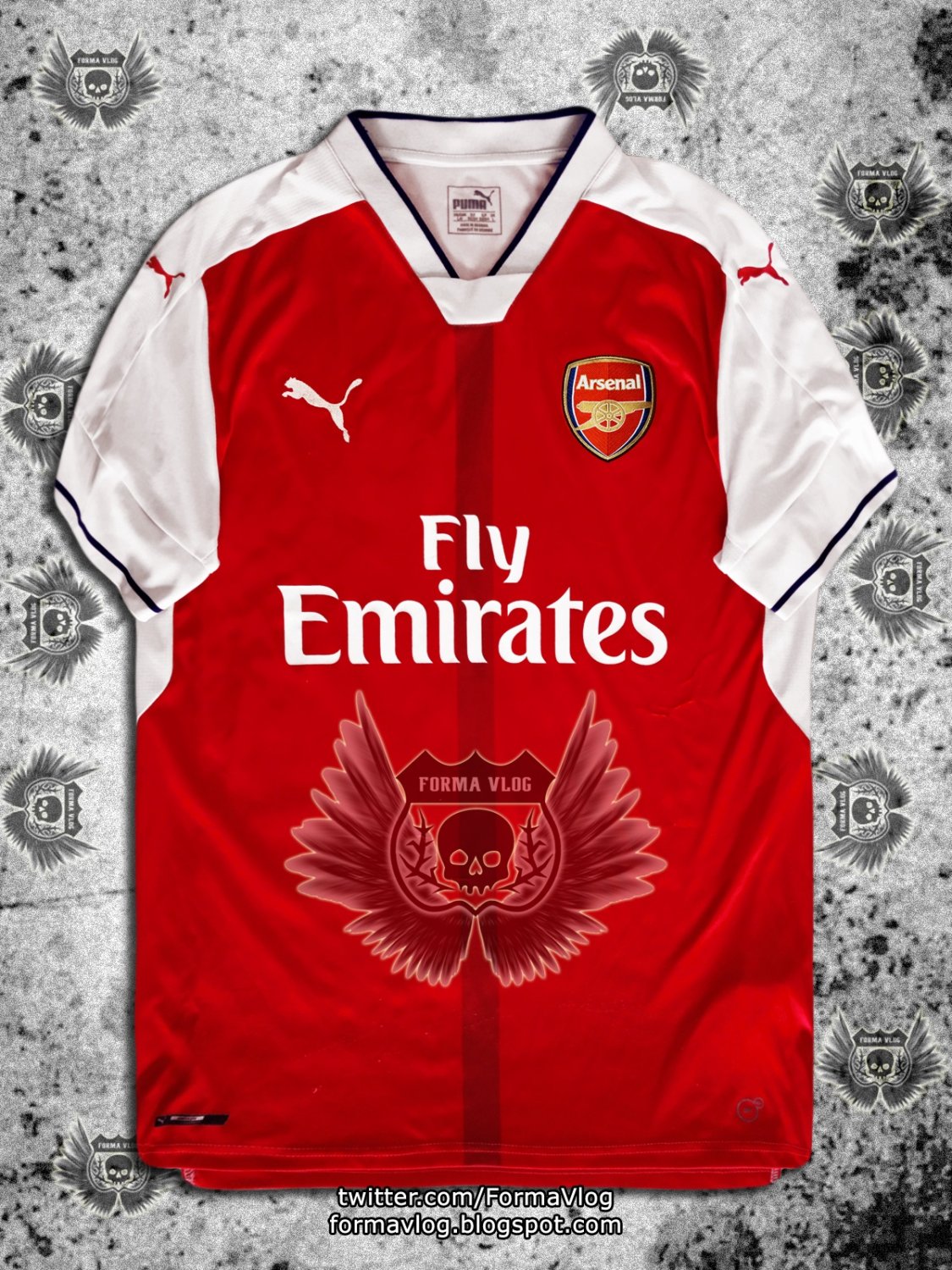
The 2016-2017 Arsenal season was a period of profound paradox, defined by a record-breaking 13th FA Cup victory and a tactical shift to a back-three formation that briefly revitalized the squad. Despite these highs, it marked the first time in 20 years that the club finished outside the Premier League’s top four.
The Context of the 2016-2017 Campaign
As we look back from the perspective of 2026, the 2016-2017 season stands as a pivotal moment in the late-Arsène Wenger era. Entering the season, the atmosphere at the Emirates Stadium was a mixture of cautious optimism and bubbling frustration. The previous year, Arsenal had finished second to Leicester City, a result that many fans felt was a missed opportunity to secure a first league title since 2004. The 2016-2017 campaign was supposed to be the "revival" of Arsenal’s title credentials, bolstered by significant financial investment in the summer transfer window.
The season was characterized by extreme fluctuations in form and sentiment. It featured some of the most scintillating attacking football of the decade, balanced against devastating defensive collapses and a growing "Wenger Out" movement that divided the fanbase. To understand this season, one must examine the tactical evolution that occurred mid-campaign, the brilliance of individual performers like Alexis Sánchez, and the psychological resilience required to end the season with silverware amidst a backdrop of internal turmoil.
Summer Recruitment and Financial Strategy
In the summer of 2016, Arsenal spent nearly £90 million, a significant sum at the time, intended to address long-standing weaknesses in the spine of the team. The primary acquisitions included:
- Granit Xhaka: Signed from Borussia Mönchengladbach for approximately £35 million, Xhaka was brought in to provide steel and distribution from the base of the midfield.
- Shkodran Mustafi: A World Cup-winning defender from Valencia, signed for £35 million to partner Laurent Koscielny.
- Lucas Pérez: A late-window addition from Deportivo La Coruña to provide depth in the attacking line.
- Rob Holding: A young prospect from Bolton Wanderers who would eventually play a crucial role in the season’s final flourish.
While the recruitment was ambitious, the integration of these players was inconsistent. Xhaka struggled with discipline early on, receiving multiple red cards, while Mustafi’s initial 22-game unbeaten run masked underlying defensive vulnerabilities that would be exposed later in the winter. From our 2026 vantage point, these signings are often debated for their long-term impact on the club’s trajectory, yet in the context of 2016, they represented a clear attempt by the board to "go big" for the title.
The Early Momentum and the Chelsea Turning Point
The season began with a frantic 4-3 loss to Liverpool, but Arsenal quickly recovered. By late September, the team appeared to have found its rhythm. The pinnacle of this early-season "revival" was the 3-0 demolition of Chelsea at the Emirates. Goals from Alexis Sánchez, Theo Walcott, and Mesut Özil showcased a brand of high-tempo, transitional football that many believed could lead to the title.
Ironically, this defeat prompted Chelsea manager Antonio Conte to switch to a 3-4-3 formation—a move that led Chelsea to the Premier League title. Arsenal, meanwhile, continued with their traditional 4-2-3-1 for several months. During this period, Alexis Sánchez was moved into a central striking role, a tactical masterstroke by Wenger that resulted in the Chilean’s most productive season, eventually finishing with 24 league goals and 10 assists.
The Winter Crisis and European Humiliation
The optimism of autumn evaporated during a disastrous period between February and April 2017. The club suffered a series of morale-depleting defeats, most notably a 10-2 aggregate loss to Bayern Munich in the Champions League Round of 16. The back-to-back 5-1 defeats exposed a lack of leadership and tactical flexibility that had begun to plague the squad.
In the Premier League, losses to Watford, Chelsea, Liverpool, West Bromwich Albion, and a haunting 3-0 defeat at Crystal Palace saw Arsenal slip down the table. The "Wenger Out" protests reached a fever pitch, with planes flying banners over stadiums and marches occurring outside the Emirates. The "revival" that fans had hoped for in August seemed to have turned into a full-scale collapse.
The Tactical Pivot: Adopting the 3-4-2-1
Facing the prospect of a season in total freefall, Arsène Wenger made one of the most radical tactical changes of his 21-year tenure. Following the defeat to Crystal Palace, he abandoned his preferred four-back system in favor of a 3-4-2-1 formation. This was the true tactical "revival" of the 2016-2017 season.
The shift served several purposes:
- Defensive Stability: Adding a third center-back (often Rob Holding or Gabriel) provided better cover for the aging Laurent Koscielny and the erratic Shkodran Mustafi.
- Wing-back Freedom: It allowed Nacho Monreal and Hector Bellerín (or Alex Oxlade-Chamberlain) to push higher, providing width that had been lacking.
- Midfield Protection: The two central midfielders were less isolated, helping Granit Xhaka find the space to dictate play.
The impact was immediate. Arsenal won eight of their final nine Premier League games. Although they ultimately finished 5th with 75 points—a total that would have secured a top-four spot in almost any other season—the tactical shift restored confidence and set the stage for a historic FA Cup run.
The FA Cup Glory: Denying the Double
The 2017 FA Cup Final against Chelsea remains one of the most celebrated matches in recent Arsenal history. Chelsea entered the game as heavy favorites, having cruised to the Premier League title. Arsenal, conversely, were missing several key defenders due to injury and suspension, forcing Wenger to field a makeshift back three featuring a young Rob Holding and a returning Per Mertesacker, who had barely played all season.
What followed was a tactical masterclass. Arsenal dominated the midfield, with Aaron Ramsey and Granit Xhaka outperforming N'Golo Kanté and Nemanja Matić. Alexis Sánchez scored a controversial early goal, and although Diego Costa equalized for Chelsea, Aaron Ramsey scored the winner just moments later, assisted by Olivier Giroud.
Winning the FA Cup for the third time in four years was a significant achievement. It made Arsène Wenger the most successful manager in the competition's history with seven winners' medals. For the fans, it was a moment of pure "revival," a reminder that despite the league struggles, the club still possessed the DNA of champions.
Statistical Comparison: 2016-17 Campaign
The following table outlines the key performance metrics for Arsenal during the 2016-2017 season across major competitions.
| Competition | Final Position/Result | Top Scorer | Key Achievement |
|---|---|---|---|
| Premier League | 5th Place (75 points) | Alexis Sánchez (24) | Highest points total to miss Top 4 |
| FA Cup | Winners | Alexis Sánchez (3) | Record 13th title for the club |
| Champions League | Round of 16 | Mesut Özil (4) | 17th consecutive knockout appearance |
| EFL Cup | Quarter-Finals | Alex Oxlade-Chamberlain (3) | Youth integration (Holding, Maitland-Niles) |
| Overall | 1 Major Trophy | Alexis Sánchez (30 total) | Wenger's 7th FA Cup title |
The Legacy of the 2016-2017 Season
Looking back from 2026, the 2016-2017 season is viewed as the end of an era. It was the last year Arsenal played in the Champions League under Arsène Wenger, beginning a multi-year hiatus from Europe's elite competition. However, it also proved that the club could evolve. The mid-season tactical switch to a back three was a precursor to the tactical fluidity seen in the modern game.
The season also cemented the legacy of Alexis Sánchez as one of the Premier League's greatest individual forces. His 30 goals and 15 assists across all competitions in 2016-2017 represent one of the highest individual peaks of any Arsenal player in the Emirates era. While the "revival" did not result in a league title, the FA Cup win provided a silver lining that sustained the club's trophy-winning habit during a period of structural decline.
FAQ
Why is the 2016-2017 season called a "revival"?
The term "revival" is often used to describe the late-season tactical resurgence where Arsenal switched to a 3-4-3 formation. After a devastating mid-season slump, this change led to a string of victories and an FA Cup trophy, briefly "reviving" the team's identity and winning spirit before the end of the Wenger era.
How did Arsenal miss the Top 4 with 75 points?
The 2016-2017 season was exceptionally competitive at the top of the table. 75 points is historically enough to secure Champions League football (in many seasons, 68-70 points is sufficient). However, with Chelsea, Tottenham, Manchester City, and Liverpool all performing at a high level, the threshold for the Top 4 was unusually high that year.
What was the "Wenger Out" movement?
This was a period of intense fan protest against manager Arsène Wenger, fueled by frustration over the lack of a Premier League title since 2004 and repetitive exits in the Champions League Round of 16. The 2016-2017 season saw these protests reach their peak, with marches and aerial banners becoming a regular occurrence.
Was the 2017 FA Cup win significant?
Yes, it was historically significant. It moved Arsenal ahead of Manchester United as the club with the most FA Cup titles (13 at the time) and made Arsène Wenger the most successful manager in the history of the world's oldest cup competition.
Who was Arsenal's best player in 2016-2017?
Alexis Sánchez was unequivocally the standout performer. He contributed 30 goals and 15 assists in all competitions, playing as both a winger and a central striker. His work rate and clinical finishing were the primary reasons Arsenal remained competitive throughout the season.
How did the 10-2 loss to Bayern Munich affect the club?
The aggregate loss to Bayern Munich was a massive psychological blow. It highlighted the gulf between Arsenal and the European elite at the time and significantly weakened Wenger’s position among the fans and the board, eventually contributing to the decision for him to step down a year later.
Final Recommendation for Historians and Fans
To truly understand the "Arsenal 2016-2017 revival," one should focus not just on the league table, but on the tactical footage of the FA Cup semi-final and final. These matches provide the best evidence of how Wenger adapted his philosophy to overcome superior tactical systems. For those researching this era in 2026, the 2016-2017 season serves as a masterclass in how a club can find success in knockout competitions even while undergoing a period of domestic and internal instability.