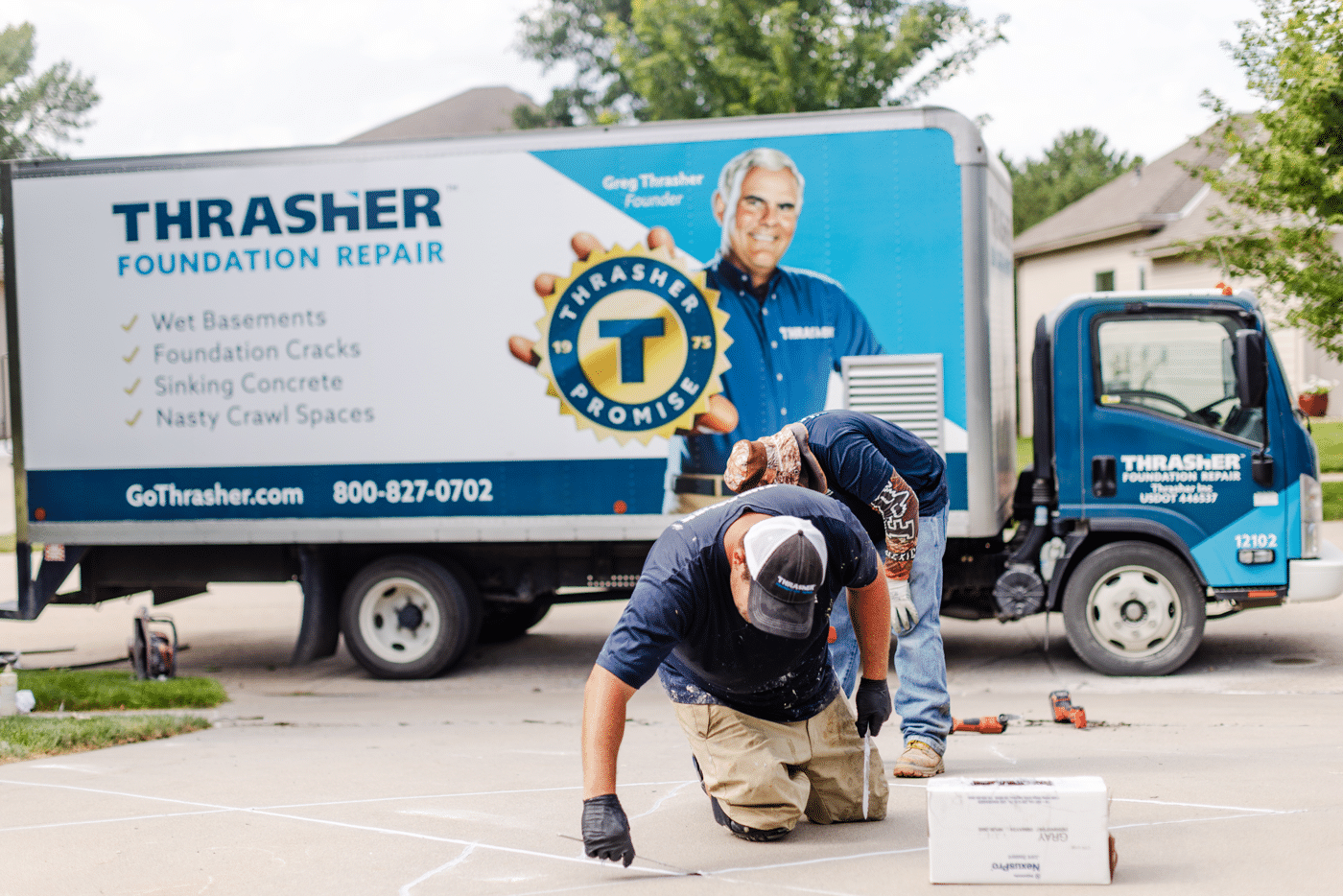
Ameritex Foundation Repair reviews consistently emphasize the company’s specialization in North Texas slab and pier-and-beam foundation stabilization. While customers frequently praise their prompt structural evaluations and competitive pricing on pressed concrete piers, independent review analysis reveals that understanding warranty transfer policies, post-repair plumbing checks, and soil drainage requirements is critical before committing to work.
Overview of Ameritex Foundation Repair
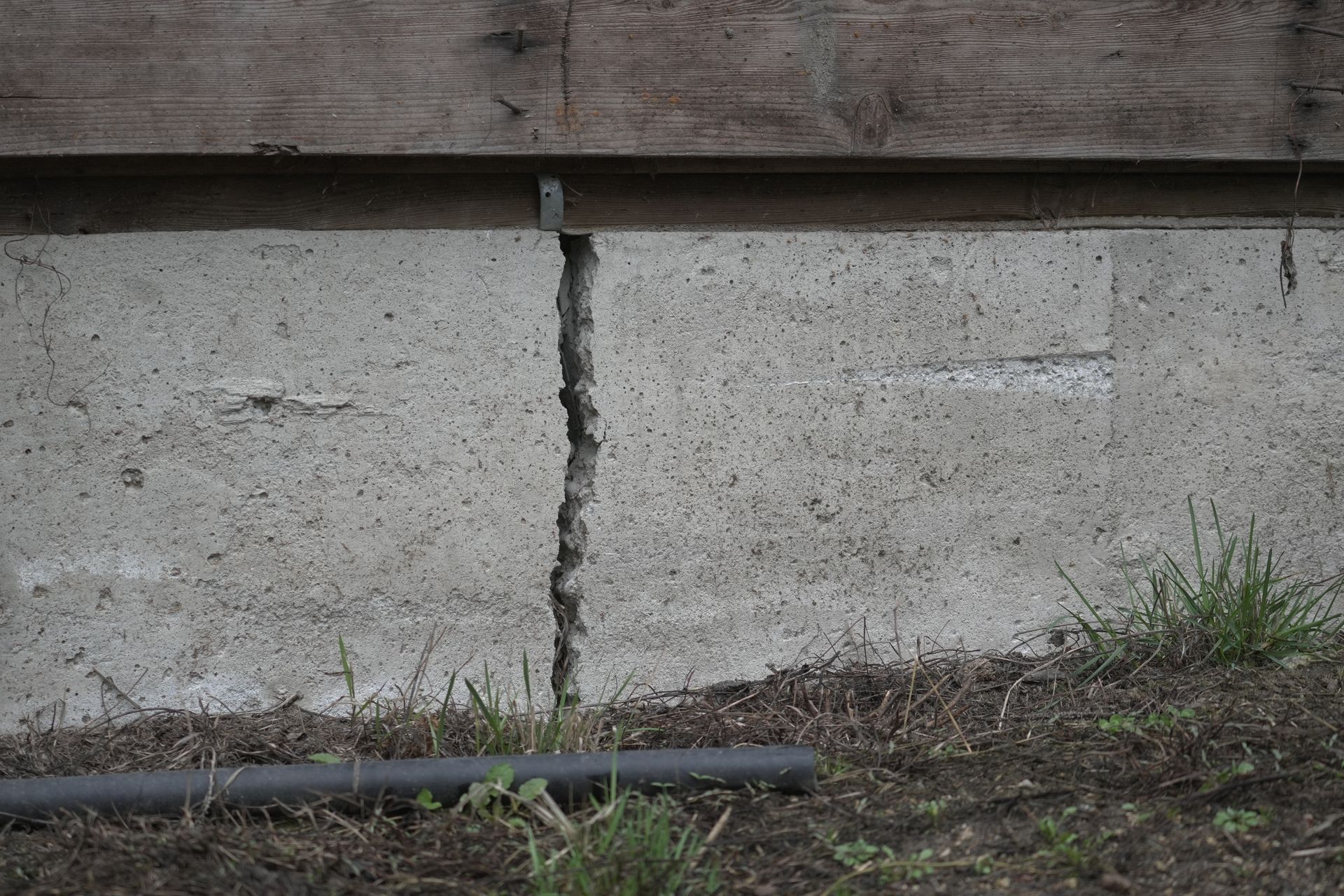
Operating across the Dallas-Fort Worth metroplex and surrounding North Texas communities, Ameritex Foundation Repair focuses on stabilizing residential structures impacted by highly expansive clay soil. The region's native Blackland Prairie soil expands significantly during wet seasons and contracts sharply during droughts, subjecting residential concrete slabs and pier-and-beam foundations to intense hydraulic pressure and differential settlement.
Ameritex addresses these structural movements by delivering targeted foundation repair, elevation leveling, and drainage remediation. Evaluating customer experiences across public feedback platforms—including Google Reviews, the Better Business Bureau (BBB), Angi, and Yelp—provides prospective clients with a clear picture of the company's service reliability, workmanship quality, warranty terms, and customer communication.
Core Services Offered by Ameritex
Foundation stabilization requires precise engineering and tailored solutions depending on a home's structural framing and soil composition. Ameritex provides several primary repair and mitigation services designed to restore structural integrity.
| Structural Pier Installation | Drainage & Soil Management |
|---|---|
| Pressed Concrete Pilings | French Drains |
| Heavy-Duty Steel Piers | Surface Swales & Catch Basins |
| Pier & Beam Block & Base | Root Barriers |
1. Pressed Concrete Pier Installation
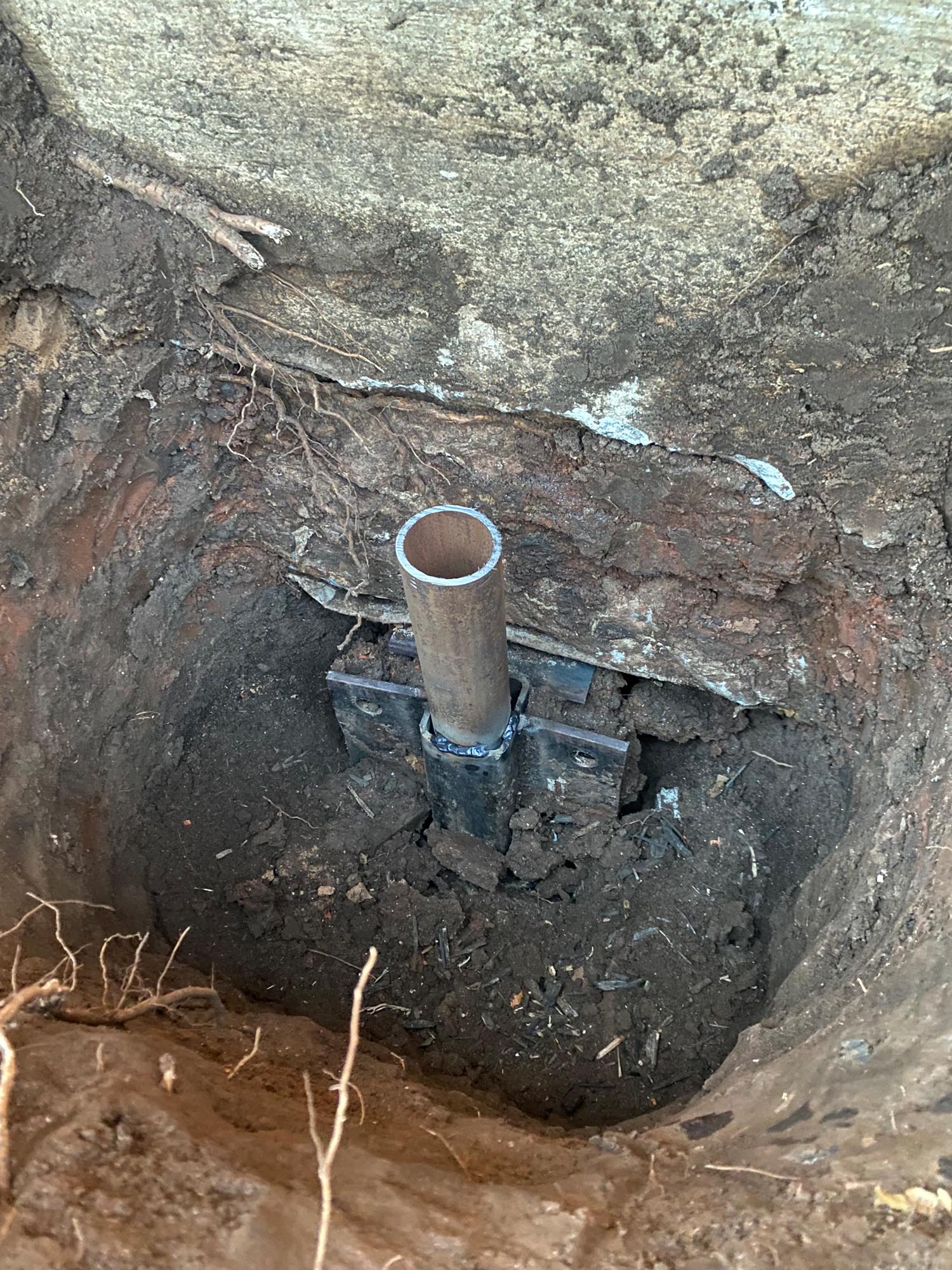
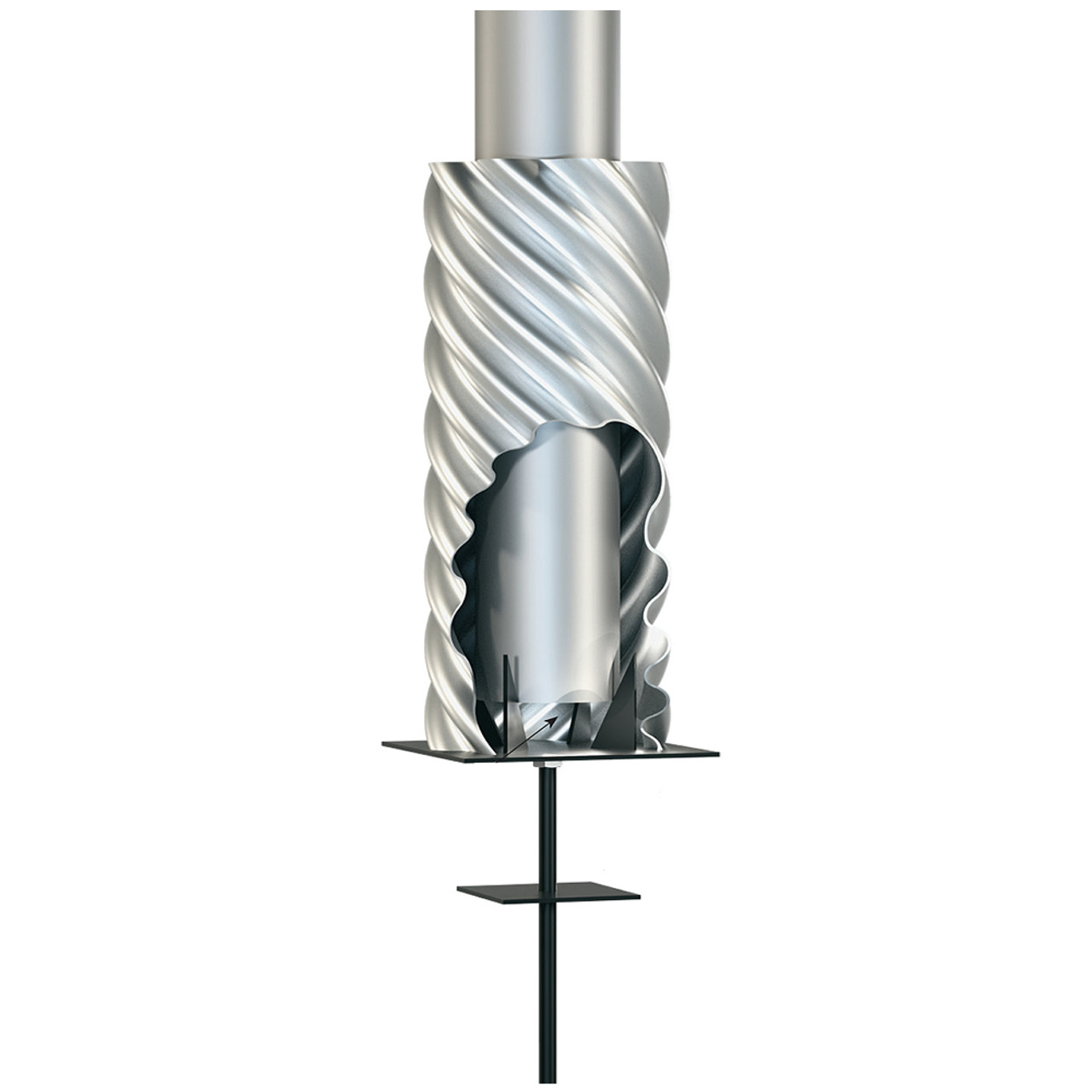
Pressed concrete pilings represent the most widely deployed foundation repair method in Texas due to their cost efficiency and speed of installation. Ameritex drives pre-cast concrete cylinders into the soil directly beneath the foundation beam using the weight of the home as hydraulic leverage.
- Mechanism: Concrete cylinders (typically 6 inches in diameter by 12 inches in length) are pressed sequentially into the ground until reaching friction resistance or hard strata.
- Application: Ideal for standard single-story and two-story residential concrete slab foundations suffering from perimeter or interior settlement.
2. Steel Pier Systems
For deeper soil stabilization, steel piers offer superior load-bearing capacity and reach greater depths than concrete pilings.
- Mechanism: High-strength structural steel pipes are hydraulically driven deep beneath the slab until reaching solid bedrock or refusal load.
- Application: Recommended for heavy structural loads, hillside properties, or zones where deep clay layers render shallow concrete pilings prone to seasonal movement.
3. Pier and Beam Foundation Repair
Older homes and specialized constructions utilize crawlspace foundations rather than solid concrete slabs. Ameritex performs sub-floor restoration through block-and-base adjustments and shim replacements.
- Components Addressed: Replacement of rotten timber beams, concrete pad installation, resetting of concrete blocks, and internal floor leveling.
- Ventilation & Moisture Control: Remediation of crawlspace moisture that contributes to wood rot and beam sagging.
4. Drainage Remediation & Moisture Management
Because expansive clay is the root cause of foundation movement, managing surface runoff and soil moisture is essential to preserving structural work.
- French Drains: Underground perforated piping systems designed to intercept and divert subsurface water away from the foundation perimeter.
- Surface Drains & Swales: Grading adjustments and catch basins to clear standing water during heavy Texas rainfall.
- Root Barriers: Physical underground shields installed to prevent tree roots from extracting critical moisture from underneath the concrete slab.
Analysis of Ameritex Foundation Repair Reviews
Synthesizing reviews from multiple consumer protection portals and trade sites reveals distinct patterns in customer satisfaction and common operational friction points.
Positive Customer Sentiment Pattern
A majority of positive feedback centers on five major themes:
- Prompt Initial Inspections: Homeowners frequently commend Ameritex for fast response times when scheduling initial home evaluations and elevation measurements.
- Clear Elevation Mapping: Reviews often highlight the clear explanation of floor elevation surveys using digital elevations (such as Zip-Level devices) to visually demonstrate settlement points to the homeowner.
- Work Crew Efficiency: Positive reports highlight installation crews completing standard perimeter pier jobs (10 to 20 piers) within 1 to 2 business days.
- Competitive Pricing: Compared to national franchises, local reviews consistently note that Ameritex provides competitive per-pier rates for residential projects.
Negative Customer Sentiment & Common Complaints
Negative feedback and neutral consumer reports generally focus on operational challenges common within the heavy foundation repair industry:
- Landscaping Disruption: Installing foundation piers requires excavating deep access holes (3x3 feet) along flowerbeds and lawns. Homeowners occasionally express frustration over damaged plants, uncompacted backfill, or lingering dirt piles.
- Post-Repair Interior Cracking: When a foundation is lifted back toward its original level, sheetrock, tiles, and door frames undergo stress realignments. Some homeowners report cosmetic drywall cracking or stuck doors occurring immediately after elevation adjustment.
- Plumbing Leak Complications: Lifting a slab can stress aging domestic supply lines or PVC sewer pipes embedded in the foundation. Complaints arise when post-lift plumbing failures require separate plumbing repairs not covered by the baseline foundation scope.
- Warranty Transfer Administrative Friction: Customer service disputes occasionally emerge during property sales when a buyer attempts to transfer the foundation warranty, only to encounter transfer fees, strict deadlines, or required pre-transfer inspections.
Pier Options & Technical Comparison
Selecting the correct pier type directly dictates long-term performance and job cost. The table below outlines how common foundation repair systems installed in Texas compare across technical metrics.
| Metric / Specification | Pressed Concrete Piers | Heavy-Duty Steel Piers | Pier & Beam Block & Base |
|---|---|---|---|
| Primary Depth Target | Driven to friction refusal (typically 10–15 ft) | Driven to bedrock or refusal (typically 20–40+ ft) | Shallow surface/pad level (1–3 ft) |
| Best Suited For | Standard residential concrete slabs on shallow clay | Deep expansive clay, heavy structures, load-bearing walls | Traditional crawlspace structures and wood framing |
| Installation Speed | Fast (1–2 days for most homes) | Moderate (2–3 days depending on depth) | Fast (1–2 days depending on timber rot) |
| Soil Movement Sensitivity | Moderate (may move with deep seasonal soil shifts) | Low (anchored past active seasonal moisture zone) | High (requires ongoing seasonal crawlspace monitoring) |
| Relative Cost Tier | Economical | Premium | Moderate |
| Warranty Coverage | Typically Lifetime Transferable (terms apply) | Typically Lifetime Transferable (terms apply) | Limited or Annual Service Based |
Cost Factors in Ameritex Foundation Repairs
The total price of a foundation repair project varies depending on engineering requirements and structural complexity. In North Texas, costs are governed by several key factors:
1. Number and Type of Piers
Foundation repair contractors primarily quote jobs on a per-pier basis alongside setup fees. Pressed concrete piers generally cost less per unit than deep steel piers. A job requiring 12 perimeter concrete piers will cost substantially less than a project requiring 25 interior and exterior steel piers, which demand internal floor breakouts and slab repouring.
2. Exterior vs. Interior Pier Placement
- Exterior Piers: Excavated from outside the foundation footprint. Landscaping is disrupted, but living spaces remain accessible and untouched.
- Interior Piers: Requires breaking through interior hardwood, tile, or carpeted concrete slab floors to place piers under load-bearing center walls. Interior pier work incurs higher labor costs, concrete breakout fees, and floor restoration expenses.
3. Drainage Integration
Addressing soil movement without fixing water accumulation leads to repeat settlement. Adding French drains, catch basins, or root barriers adds to total project expenditures but protects the long-term investment.
4. Independent Engineering and Plumbing Testing
- Structural Engineering Reports: Independent structural engineers charge separate fees to perform initial diagnostic elevations and post-repair certification stamps.
- Hydrostatic Plumbing Testing: Testing sewer and supply lines before and after foundation lifting is standard practice to verify line integrity. Plumbing repairs, if leaks are detected, add to total home restoration costs.
Understanding the Warranty Terms and Transfer Process
A core selling point in Ameritex foundation repair reviews is the lifetime transferable warranty on structural pier installations. However, prospective buyers and sellers must navigate warranty documentation carefully to preserve coverage.
- Obtain Original Repair Documentation & Elevation Diagrams
- Submit Transfer Request within Required Window (e.g., 30-90 days)
- Pay Official Administrative Transfer Fee
- Complete Mandatory On-Site Inspection (if stipulated by contract)
- Maintain Proper Soil Moisture & Drainage Requirements Around Slab
Essential Warranty Checklist
- Timeframes for Transfer: Most lifetime foundation warranties require written notice and administrative transfer fee payment within 30 to 90 days of property closing. Failing to meet this window can void coverage.
- Exclusions for Soil Neglect: Warranties generally do not cover structural movement caused by plumbing leaks, surface water pooling, lack of foundation watering during droughts, or unmitigated tree root growth.
- Adjustment Fees: While labor and materials for re-shimming or re-lifting piers may be covered under a lifetime warranty, contracts often stipulate service call fees or minor labor surcharges after an initial period.
What to Expect During the Inspection and Repair Process
Understanding the step-by-step repair lifecycle helps homeowners prepare for living through a foundation stabilization project.
Phase 1: Diagnostics and Elevation Mapping
The contractor or structural engineer measures interior elevation variances using a digital level. An elevation plan maps out high points, low points, and structural deflection to determine pier placement.
Phase 2: Permits and Utility Checks
Before digging, utility lines must be marked via local locator services (such as Texas 811). If required by the municipality, structural permits are pulled with local building departments.
Phase 3: Excavation and Pier Driving
Crews excavate hand-dug holes (roughly 3 feet by 3 feet) around the designated foundation beam perimeter. Hydraulic rams lift against the home's concrete grade beam to press pier segments straight down until solid resistance is achieved.
Phase 4: Elevation Adjustment and Shimming
Once all piers reach maximum resistance, hydraulic jacks lift the settled sections of the slab back toward original elevation tolerances. Heavy-duty steel shims are driven between the top pier cap and the bottom of the concrete beam to lock the structure into place.
Phase 5: Backfill, Plumbing Verification, and Cleanup
Excavated soil is backfilled into access holes and tamped down. Post-lift hydrostatic plumbing tests confirm that pipes beneath the slab were not compromised during elevation adjustments.
Best Practices for Homeowners Evaluating Reviews
When reviewing Ameritex Foundation Repair or any structural contractor, follow these guidelines to make an informed decision:
- Hire an Independent Structural Engineer First: Before contacting repair contractors, hire an independent Licensed Professional Engineer (PE) who has no financial stake in selling piers. The engineer provides an unbiased report specifying whether piers are necessary, how many are needed, and where they should be placed.
- Verify Plumbing Status: Always require pre-lift and post-lift hydrostatic testing. Foundation movement often cracks subterranean cast iron or PVC pipes. Lifting a slab with broken plumbing will cause re-settlement as leaking water saturates sub-slab soil.
- Review the Municipal Permitting Requirements: Ensure the contractor pulls official permits with your city building department. Municipal inspections provide an independent layer of quality oversight.
- Establish a Soil Moisture Program: Foundation repairs fail if surrounding soil is allowed to desiccate completely or over-saturate. Install foundation drip irrigation lines during dry summer months and clear surface runoff during rainy seasons.
- Store Warranty Docs with Property Records: Keep original contract drawings, engineer stamps, and transfer forms with home deed documentation to ensure seamless transfer when selling the property.
Frequently Asked Questions
How long does a typical Ameritex foundation repair take?
Most residential foundation pier installations take 1 to 3 days to complete, depending on the number of piers, soil resistance depth, and whether interior piers are required.
Are concrete pressed piers as good as steel piers?
Concrete pressed piers are effective for standard residential homes built on shallow to moderate clay beds. However, steel piers offer superior depth capacity and structural stability in areas with deep clay deposits or high soil movement.
Will foundation repair fix existing drywall and brick cracks?
Lifting a foundation closes many structural gaps in brick veneer and sheetrock. However, existing cracks rarely disappear completely. Cosmetic patching, drywall mudding, and brick tuckpointing are usually required after structural stabilization is finished.
Does homeowners insurance cover foundation repair costs?
Standard homeowners insurance policies generally exclude settlement, clay expansion, or soil movement. Insurance typically only covers foundation repair if the damage directly resulted from a covered risk, such as a sudden indoor plumbing burst.
What happens if I miss the warranty transfer deadline when buying a home?
If a home buyer fails to submit warranty transfer paperwork and fees within the timeframe defined in the original contract (typically 30 to 90 days after closing), the contractor may declare the lifetime warranty void or charge a re-inspection fee to reinstate coverage.
Final Recommendation
Ameritex Foundation Repair offers established local expertise for addressing Texas clay soil settlement. Homeowners seeking reliable foundation stabilization should secure an independent structural engineering evaluation, compare concrete and steel pier options against soil conditions, obtain written confirmation of post-repair plumbing testing, and review warranty transfer terms carefully before authorizing work.