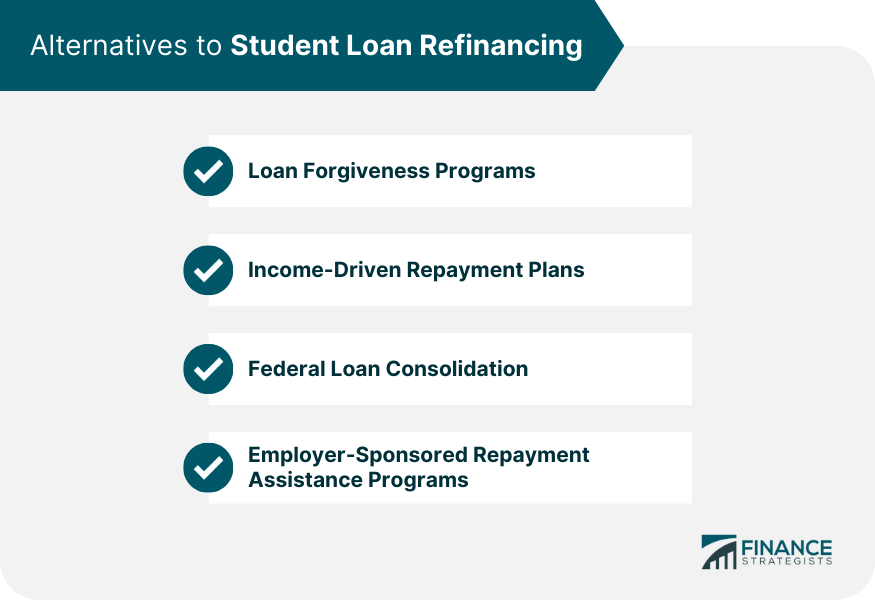
Alternative student loans include private bank loans, income share agreements (ISAs), state-sponsored programs, and institutional loans used to bridge the gap when federal financial aid is insufficient. These options vary significantly in interest rates, repayment terms, and credit requirements, making it essential to compare lenders before committing to a specific borrowing path.
The Hierarchy of Student Borrowing
Before exploring alternative loan options, it is critical to understand where they sit in the financial aid hierarchy. As of the 2026-2027 academic year, the consensus among financial advisors remains that students should first exhaust all forms of "free money," including scholarships and grants, followed by federal student loans.
Federal loans, such as Direct Subsidized and Unsubsidized loans, offer protections that alternative options rarely match. These include income-driven repayment (IDR) plans, standard deferment options, and potential loan forgiveness programs like Public Service Loan Forgiveness (PSLF). However, federal borrowing limits often fall short of the total cost of attendance at many four-year institutions and graduate programs. This "funding gap" is the primary driver for seeking alternative loan options.
Alternative loans are essentially any debt instruments not issued directly by the federal government. They are provided by private financial institutions, non-profit state agencies, or the educational institutions themselves. Because these loans are market-driven, their terms are heavily influenced by the borrower’s creditworthiness and the prevailing economic conditions of 2026.
Private Student Loans from Commercial Banks and Credit Unions
Private student loans are the most common alternative to federal aid. These are offered by national banks, online-only lenders, and local credit unions. In 2026, the private lending market has become highly segmented, with lenders using increasingly sophisticated underwriting algorithms that look beyond simple credit scores.
Understanding Interest Rate Structures
Private lenders typically offer two types of interest rates: fixed and variable.
- Fixed Rates: These remain the same for the entire life of the loan. In the current 2026 economic environment, fixed rates provide predictability, protecting students from potential market volatility during their 10-to-20-year repayment term.
- Variable Rates: These are tied to an index, such as the Secured Overnight Financing Rate (SOFR). While variable rates often start lower than fixed rates, they can increase over time. Borrowers should look for "rate caps" that limit how high the interest can climb.
The Role of the Cosigner
The vast majority of undergraduate students do not have the credit history or income required to qualify for a private loan independently. Consequently, roughly 90% of private undergraduate loans in 2026 involve a cosigner—usually a parent or guardian. A cosigner is legally responsible for the debt if the student fails to pay.
Many modern lenders offer a cosigner release option. This allows the primary borrower to remove the cosigner from the loan after meeting certain requirements, such as making 24 to 36 consecutive, on-time payments and meeting credit criteria on their own.
Repayment Flexibility
Unlike federal loans, private loans do not have a standardized repayment structure. Some lenders require interest-only payments while the student is in school, while others allow full deferment until six months after graduation. However, deferring payments leads to "interest capitalization," where unpaid interest is added to the principal balance, significantly increasing the total cost of the loan.
Income Share Agreements (ISAs)
Income Share Agreements have emerged as a significant alternative to traditional interest-bearing loans. Instead of borrowing a set amount and paying it back with interest, a student receives funding from a school or private provider in exchange for a fixed percentage of their future post-graduation income for a set period.
How ISAs Function in 2026
ISAs are structured around three primary variables:
- Income Share Percentage: Usually between 2% and 10% of gross salary.
- Payment Term: The number of months or years the student must pay (e.g., 60 monthly payments).
- Income Floor: A salary threshold (e.g., $45,000). If the graduate earns less than this amount, their payments are paused, and no interest accrues.
The "Payment Cap" Protection
To prevent high-earning graduates from overpaying, most ISAs include a "payment cap." This is the maximum amount a borrower will ever have to pay back, typically expressed as a multiple of the original funding (e.g., 1.5x the initial amount).
In 2026, ISAs are under stricter federal oversight by the Consumer Financial Protection Bureau (CFPB), ensuring that these products are marketed clearly and do not trap students in predatory terms. They are particularly popular in high-demand fields like computer science, nursing, and engineering, where future earnings are more predictable.
State-Sponsored Student Loan Programs
Many students overlook state-based alternative loans, which are often managed by non-profit state authorities. These organizations exist to help residents of a specific state or students attending schools within that state.
Advantages of State Loans
State-sponsored loans often offer lower interest rates than national commercial banks because their primary mission is educational access rather than profit maximization. Examples include the Massachusetts Educational Financing Authority (MEFA) or the New Jersey Higher Education Student Assistance Authority (HESAA).
These programs frequently offer:
- Fixed Interest Rates: Often lower than the national average.
- Zero Origination Fees: Many state programs waive the fees that private banks might charge.
- Death and Disability Discharge: Some state programs have adopted federal-style protections that discharge the debt in the event of the borrower's death or permanent disability.
Students should check with their state’s department of higher education to see if they qualify for these localized alternative options.
Institutional Loans and Emergency Funding
Institutional loans are funds lent directly by the college or university. These are usually reserved for students who have an immediate financial gap that cannot be filled by other means.
Long-Term Institutional Loans
Some universities have their own endowment-backed loan funds. These may offer more favorable terms than private banks, sometimes even offering subsidized interest while the student is enrolled. However, these funds are limited and are often awarded based on exceptional financial need.
Emergency Short-Term Loans
Most universities offer emergency loans to cover unexpected expenses, such as a medical bill or a sudden loss of housing. These are typically small amounts (under $2,000) and must be repaid within 30 to 90 days. They are not intended for tuition but serve as a vital safety net to prevent students from dropping out due to temporary financial shocks.
Alternative Options for International and DACA Students
International students and those under the Deferred Action for Childhood Arrivals (DACA) program often face the greatest challenges in securing funding, as they are ineligible for federal student aid.
Specialized Private Lenders
In 2026, several lenders specialize in funding international students without requiring a U.S.-based cosigner. Companies like MPOWER Financing and Prodigy Finance use "forward-looking" credit models. Instead of looking at past U.S. credit history, they evaluate the student’s career potential based on their university, major, and projected earnings.
Requirements for International Borrowers
- Visa Verification: Lenders will require proof of a valid student visa (F-1 or J-1).
- School Certification: The loan must be certified by the school's financial aid office to ensure the amount does not exceed the cost of attendance.
- Higher Interest Rates: Because these loans carry higher risk for the lender (due to the lack of a cosigner), interest rates are typically higher than those for domestic students.
Comparison of Alternative Loan Types
The following table compares the general characteristics of the primary alternative loan options available in 2026.
| Loan Type | Typical Interest Range | Credit Requirement | Primary Benefit | Major Drawback |
|---|---|---|---|---|
| Private Bank Loan | 4.5% - 15% | High (or Cosigner) | High borrowing limits | Limited hardship protections |
| ISA | N/A (Income %) | Low to Moderate | Payments scale with income | Can be expensive for high earners |
| State-Based Loan | 3.5% - 8% | Moderate | Lower rates than banks | Geographic restrictions |
| Institutional Loan | 3% - 9% | Varies by School | Direct school integration | Very limited availability |
| Intl. Student Loan | 8% - 16% | Major/Potential based | No US cosigner needed | High interest costs |
Critical Factors to Evaluate Before Borrowing
When choosing an alternative loan, students must look beyond the initial interest rate. The "fine print" often determines the long-term affordability of the debt.
1. Origination and Late Fees
Some lenders charge an origination fee—a percentage of the total loan amount—which is deducted from the funds sent to the school. A 3% fee on a $10,000 loan means only $9,700 reaches the school, while the student still owes the full $10,000 plus interest.
2. Forbearance and Deferment Options
Life is unpredictable. Borrowers should prioritize lenders that offer "grace periods" (time after graduation before payments start) and "forbearance" (temporary pauses in payments during unemployment or medical hardship). While private lenders are not required to offer the same protections as the U.S. Department of Education, the best alternative lenders provide at least 12 months of hardship forbearance over the life of the loan.
3. Interest Capitalization Policy
It is essential to know how often interest is capitalized. If a lender capitalizes interest monthly while a student is in school, the balance will grow much faster than if they capitalize only once at the start of repayment.
4. Total Cost of Borrowing
Borrowers should always request a "Truth in Lending" disclosure. This document outlines the total amount the student will pay over the life of the loan, including all interest and fees. Comparing the total cost of borrowing is often more revealing than comparing interest rates alone.
Common Mistakes in Alternative Financing
- Borrowing the Maximum Allowed: Just because a lender approves a student for $20,000 does not mean the student should take it. Borrowing should be limited to the absolute minimum required to cover essential costs.
- Ignoring the Cosigner's Credit: If a cosigner has excellent credit, the student should shop around aggressively. A high credit score can result in an interest rate several percentage points lower, saving thousands of dollars over time.
- Failing to Refinance Later: Many students take out alternative loans with high rates because they have no credit. However, after two years of working post-graduation, those same students may qualify for a refinance at a much lower rate.
Next Steps for Prospective Borrowers
Selecting an alternative loan is a significant financial commitment that can impact a borrower's life for decades. To navigate this process effectively:
- Finalize Federal Aid: Ensure the FAFSA is completed and all federal options are exhausted.
- Check State Options: Visit the website of your state’s higher education authority to check for non-profit loan programs.
- Gather Multiple Quotes: Apply to at least three different private lenders within a 30-day window. This "rate shopping" allows you to compare offers without multiple hits to your credit score, as credit bureaus treat similar inquiries within a short period as a single event.
- Review the ISA Alternative: If entering a high-paying field, calculate the potential cost of an ISA versus a traditional loan to see which offers better downside protection.
- Consult the Financial Aid Office: Always speak with a campus financial aid officer; they may have information on specific institutional funds or preferred lender lists that offer better terms for their students.
Frequently Asked Questions
Are alternative student loans eligible for student loan forgiveness?
No, alternative loans—whether from private banks, states, or ISAs—are not eligible for federal forgiveness programs like PSLF or IDR-based discharge. Some private lenders may offer their own discharge terms for death or disability, but these are contractual, not statutory. Borrowers should not expect government-led debt cancellation to apply to private or alternative debt.
Can I get an alternative student loan without a cosigner?
Yes, but it is more difficult and typically more expensive. Options for students without a cosigner include Income Share Agreements, certain specialized lenders like MPOWER (for international/DACA students), and some graduate-level private loans where the student’s future earning potential is heavily weighted. Most undergraduates, however, will find that a cosigner is necessary to secure a reasonable interest rate.
How do alternative loans affect my credit score?
Initially, applying for an alternative loan will cause a small, temporary dip in your credit score due to the "hard inquiry." Once the loan is active, it affects your credit just like any other installment loan. Making on-time payments will help build a positive credit history, while late payments or defaults will severely damage your credit score and that of your cosigner.
Is an ISA better than a private student loan?
It depends on your career path. An ISA is generally "safer" because your payments stop if your income falls below a certain level, providing a safety net against unemployment. However, if you become a very high earner, you might end up paying back more (up to the cap) than you would have with a traditional interest-bearing loan. Students should model both scenarios based on their expected starting salary.
Can I use alternative loans for living expenses?
Yes. Alternative student loans can typically be used for the full "Cost of Attendance" (COA) as defined by your school. This includes tuition, fees, room and board, books, supplies, and even transportation or a personal computer. The funds are usually sent directly to the school first to cover outstanding balances, and any remaining amount is refunded to the student for living expenses.