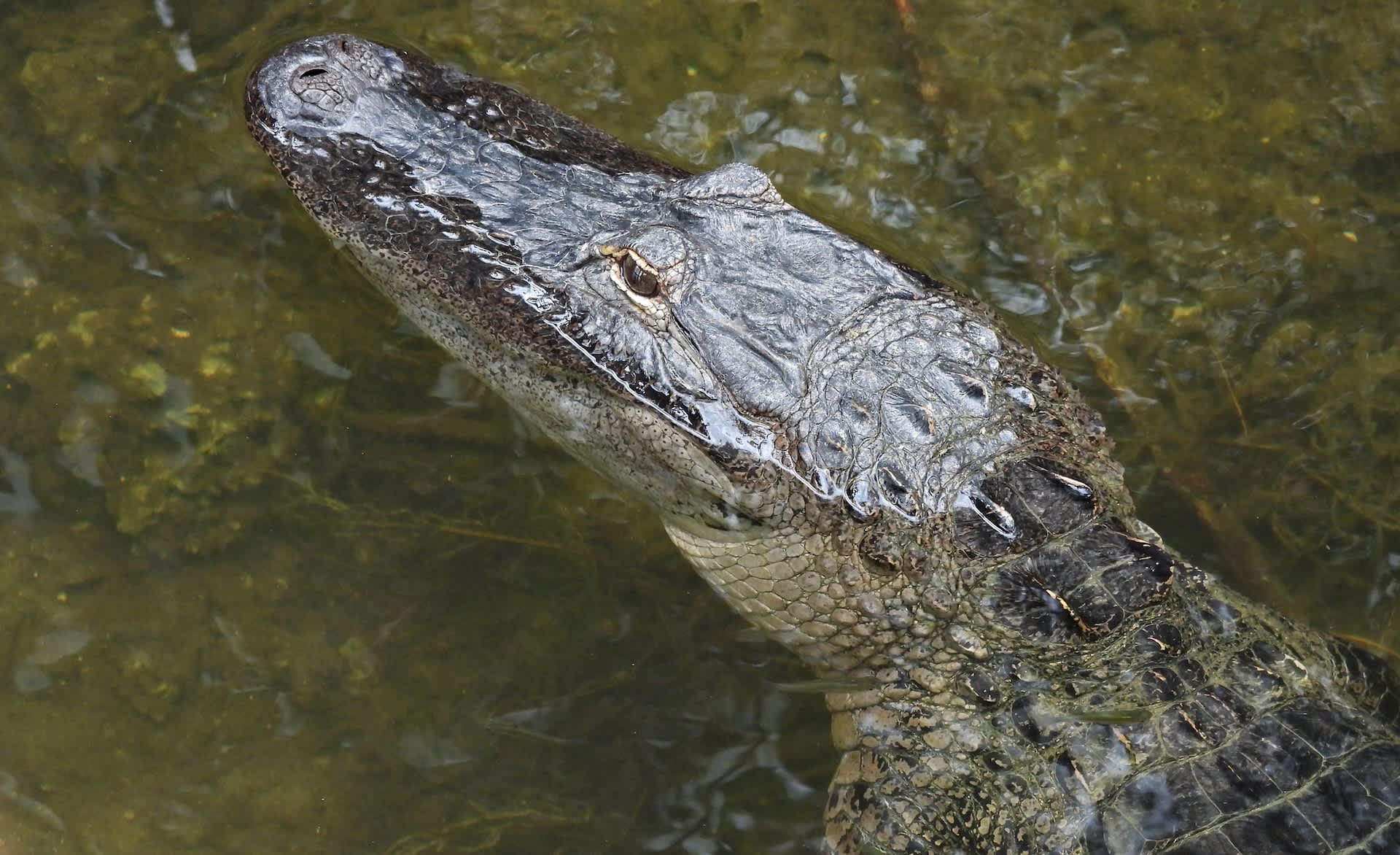
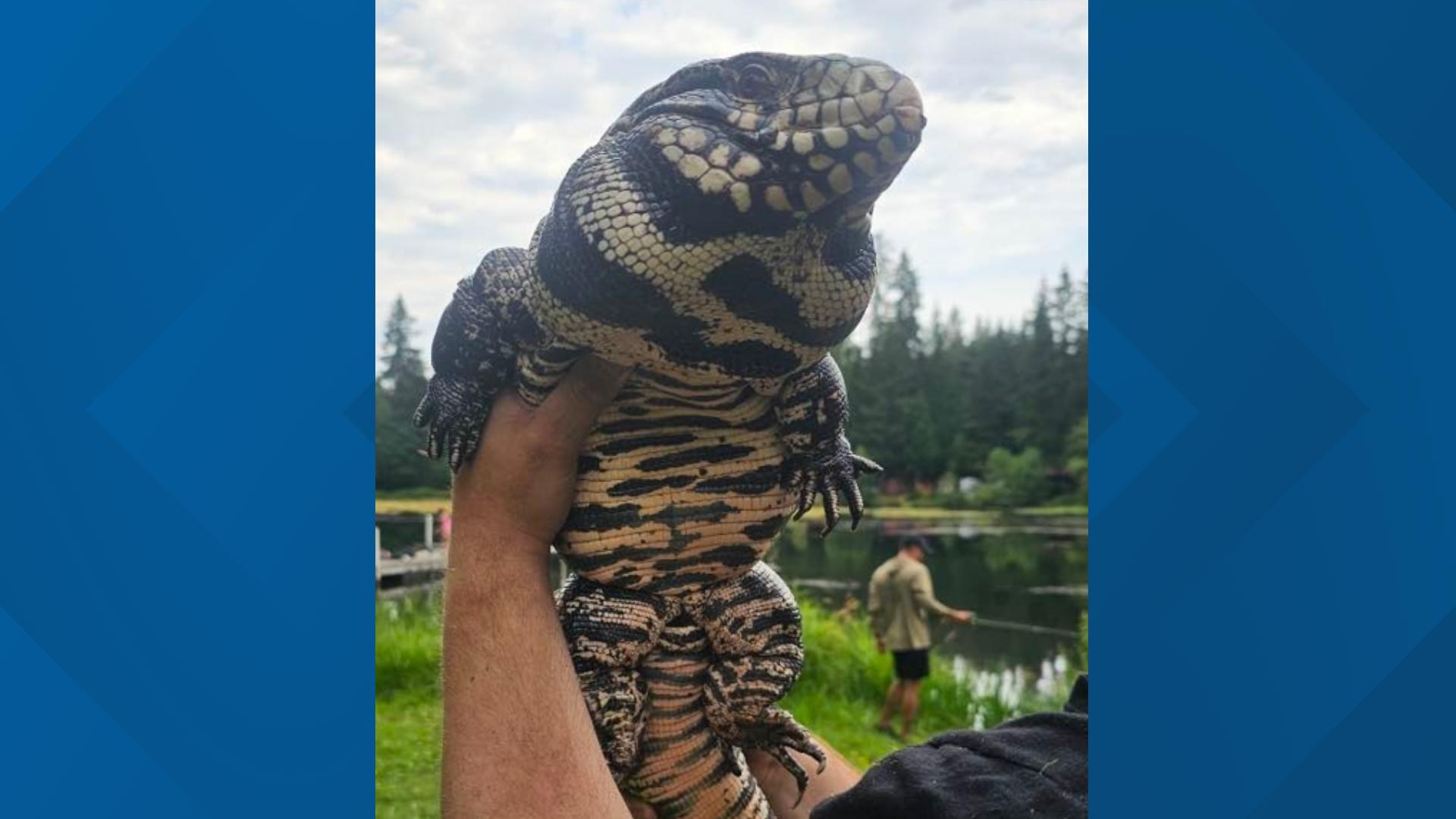
Alligators are not native to Washington State because the region's temperate climate and freezing winter temperatures are incompatible with their biological needs. As ectothermic reptiles, alligators require the consistent warmth of the southeastern United States to survive, making Washington’s ecosystems an impossible natural habitat for the species.
While the Pacific Northwest is home to a diverse array of wildlife, from orcas and grizzly bears to various amphibians, the American Alligator (Alligator mississippiensis) is notably absent from its natural landscape. As of 2026, the Washington Department of Fish and Wildlife (WDFW) continues to categorize alligators as non-native and potentially deleterious if introduced. Understanding why these prehistoric reptiles cannot call Washington home requires an exploration of reptile physiology, North American geography, and the strict ecological boundaries that define the state’s environment.
The Biological Constraints of the American Alligator
To understand why alligators are not native to Washington, one must first look at the biological requirements of the species. Alligators are ectotherms, colloquially known as cold-blooded animals. Unlike mammals, which generate their own body heat through metabolic processes, alligators rely entirely on their external environment to regulate their internal temperature.
Thermoregulation and Metabolic Function
Alligators thrive in environments where the ambient temperature remains consistently high for much of the year. Their optimal body temperature for activity and digestion is between 82°F and 92°F (28°C to 33°C). When temperatures drop below 70°F, their metabolic rate slows significantly. They stop feeding because their digestive enzymes cannot function efficiently at lower temperatures, leading to potential rot of undigested food in their stomachs, which can be fatal.
The Limits of Brumation
Alligators do possess a survival mechanism for cold weather known as brumation. During brumation, a reptile's heart rate and respiratory system slow to a crawl, allowing them to survive brief periods of freezing temperatures. They may even submerge themselves in water with only their snout protruding above the ice to breathe. However, brumation is a short-term survival strategy designed for the mild winters of the American South, where temperatures typically fluctuate and provide warm "basking windows" throughout the season.
In Washington, particularly in the western regions near Puget Sound or the high-elevation areas of the Cascades, the lack of solar radiation and the prolonged duration of cold temperatures prevent alligators from emerging and warming their bodies. A Washington winter is too long and too consistently cold for an alligator’s physiology to endure, leading to inevitable death from hypothermia or starvation.
Geographical and Climatic Disconnect
The native range of the American Alligator is strictly confined to the Southeastern United States. This range extends from the North Carolina coast, southward through Florida, and westward along the Gulf Coast to the Rio Grande in Texas. This region is characterized by humid subtropical climates, high annual rainfall, and long, hot summers.
Washington’s Climate Zones
Washington State is divided into several distinct climate zones, none of which mirror the alligator's native habitat:
- Marine West Coast (Western Washington): Characterized by cool, wet winters and mild summers. Even during the peak of summer, water temperatures in Washington's lakes and rivers rarely reach the sustained levels required for alligator reproduction and growth.
- Semi-Arid and Alpine (Eastern Washington and Mountains): While Eastern Washington experiences hot summers, its winters are significantly harsher than those in the Southeast, with deep freezes that would easily penetrate any shallow water where an alligator might seek refuge.
According to the U.S. Geological Survey (USGS), the American Alligator is restricted to the warm-temperate and subtropical regions of the Southeast. There has been no documented evidence of a self-sustaining alligator population ever existing in the Pacific Northwest during the Holocene epoch.
The Role of the Washington Department of Fish and Wildlife (WDFW)
Because alligators are not native, their presence in the state is strictly regulated under the Washington Administrative Code (WAC). Specifically, WAC 220-640-030 classifies certain species as "deleterious exotic wildlife." This classification is reserved for non-native species that pose a threat to local ecosystems, public safety, or native wildlife.
Possession and Legal Restrictions
In Washington, it is illegal for private citizens to own, transport, or sell alligators. The state maintains these strict laws to prevent the introduction of invasive species. If an alligator were released into a local waterway, it might survive for a single summer season, during which it could prey on native fish, waterfowl, and even domestic pets, creating a significant public safety hazard before eventually succumbing to the winter cold.
The WDFW works in conjunction with local animal control agencies to handle reports of "alligator sightings." In nearly every historical instance where an alligator was confirmed in Washington, it was found to be an escaped or abandoned illegal pet. These individuals are typically captured and sent to licensed sanctuaries or zoos, as they cannot be released into the wild.
Habitat Comparison: Washington vs. The Deep South
The following table illustrates the stark differences between the native habitat of the American Alligator and the environment found in Washington State as of 2026.
| Feature | Southeastern US (Native Range) | Washington State (Non-Native) | Impact on Alligator Survival |
|---|---|---|---|
| Summer Water Temps | 75°F - 85°F | 55°F - 65°F (Puget Sound/Large Lakes) | Washington water is too cold for metabolic activity. |
| Winter Duration | 2-3 months (Mild) | 4-6 months (Cool to Freezing) | Prolonged cold exceeds brumation limits. |
| Humidity Levels | High (70% - 90%) | Moderate to High (Varies) | Low impact, but impacts egg incubation. |
| Annual Basking Days | 250+ Days | <100 Days (Western WA) | Lack of sun prevents thermoregulation. |
| Breeding Conditions | Ideal; warm mud/vegetation | Impossible; soil/water too cold | Eggs would fail to develop or hatch. |
Historical Context and "Alligator" Sightings in Washington
Despite the biological impossibility of a native population, reports of alligators in Washington occasionally surface in local news. These reports usually fall into one of three categories:
- Illegal Pet Releases: In rare instances, individuals who have illegally obtained a juvenile alligator (often from states where they are legal, like Florida) realize they cannot care for the animal as it grows. They may release the animal into a local park or pond. For example, a small alligator was captured in a pond in Kent, WA, in the mid-2000s; it was an abandoned pet.
- Misidentification of Native Species: People often mistake native Washington wildlife for alligators from a distance. Large North American River Otters, Northwestern Salamanders, or even large pieces of floating driftwood (common in the Pacific Northwest) are frequently reported as "alligators" to local authorities.
- The Caiman Confusion: Occasionally, South American caimans are smuggled into the state as pets. While they look similar to alligators, they are even less cold-tolerant and face the same legal and biological barriers.
In 2026, surveillance and public reporting through the WDFW Invasive Species reporting tools remain the primary methods for identifying and removing these illegal animals from the environment.
Why Exotic Releases Are Dangerous to Washington’s Ecosystem
If an alligator were to be introduced and manage to survive a warm season, the ecological impact would be detrimental. Washington's ecosystems are balanced around specific predators and prey. The introduction of an apex predator like the American Alligator would disrupt this balance in several ways:
- Predation on Endangered Species: Washington is home to several sensitive species, including the Western Pond Turtle and various migratory salmon. An alligator would view these as primary food sources.
- Competition with Native Predators: Alligators would compete for food with native species like Great Blue Herons and River Otters, potentially driving local populations down.
- Public Safety Risks: Unlike the Southeast, where residents are "alligator aware," Washingtonians are not accustomed to sharing water with large predatory reptiles. This increases the likelihood of dangerous encounters at popular swimming and fishing spots.
Public Guidelines for Exotic Wildlife
If you encounter a reptile in Washington that appears to be an alligator or a large exotic lizard, it is imperative to follow safety protocols. Do not attempt to capture or approach the animal.
- Identify from a Distance: Note the size, color, and specific location of the sighting.
- Contact Authorities: Call the Washington Department of Fish and Wildlife or local animal control immediately.
- Avoid Feeding: Feeding exotic wildlife encourages them to approach humans, which increases the danger to both the animal and the public.
For more information on native Washington reptiles, the Burke Museum provides extensive resources on the species that actually belong in the Pacific Northwest, such as the Common Garter Snake and the Northern Alligator Lizard (which, despite its name, is a small lizard and not a true alligator).
FAQs
Are there any "Alligator Lizards" in Washington? Yes, Washington is home to the Northern Alligator Lizard (Elgaria coerulea). Despite its name, this is a small, slender lizard that typically grows to about 8–10 inches in length. They are completely harmless to humans and are named for their large, bony scales that somewhat resemble alligator skin. They are native and play a vital role in controlling insect populations.
Can an alligator survive a Washington winter if it stays in a deep lake? No. While deep lakes stay slightly warmer than the surface, the overall water temperature in Washington remains far below the threshold for alligator survival. They would eventually lose the ability to move or breathe, leading to drowning or death from the cold.
Has an alligator ever been found in the Columbia River? There have been no verified reports of a native or established alligator population in the Columbia River. Any alligator found there would be an escaped or released pet and would not be able to survive long-term or reproduce in the river's cold, fast-moving water.
Where is the closest native alligator population to Washington? The closest native alligator populations are thousands of miles away in the Southeastern United States, specifically in East Texas and Oklahoma. There are no native alligator populations in the Western U.S., including Oregon, Idaho, or California.
Is it legal to buy an alligator in another state and bring it to Washington? No. Importing an alligator into Washington is a violation of state law. The WDFW strictly prohibits the importation of "deleterious exotic wildlife" to protect the state’s natural resources and public safety.
Practical Recommendation
If you are a resident or visitor in Washington and are interested in seeing alligators, the only safe and legal way to do so is by visiting an accredited zoo or aquarium, such as the Woodland Park Zoo in Seattle or the Point Defiance Zoo & Aquarium in Tacoma. These facilities provide the highly controlled, heated environments these reptiles need to survive. If you suspect someone is keeping an alligator illegally or if you spot an exotic reptile in the wild, contact the Washington Department of Fish and Wildlife immediately to ensure the animal is handled humanely and the local ecosystem is protected.