Allen Iverson officially retired from professional basketball in 2013, following a brief stint in Turkey and a final, emotional return to the Philadelphia 76ers. As of 2026, he remains an iconic figure in sports history, focusing on his business ventures, his lifetime partnership with Reebok, and his role as a global ambassador for basketball culture.
The Official Timeline of Allen Iverson’s Retirement
The journey toward the end of Allen Iverson’s playing career was not a sudden event but a multi-year transition that reflected the physical and professional challenges faced by one of the NBA’s most high-usage guards. Often referred to by his nickname "The Answer," Iverson’s departure from the court occurred in distinct phases, beginning with his exit from the NBA and concluding with a formal announcement that cemented his legacy.
The Final NBA Appearances (2009–2010)
Iverson’s final years in the NBA were characterized by a search for the right fit after his legendary tenure with the Philadelphia 76ers. Following trades to the Denver Nuggets and later the Detroit Pistons, Iverson struggled with roles that demanded he come off the bench—a position he famously resisted. After a very short, three-game stint with the Memphis Grizzlies in late 2009, he returned to the Philadelphia 76ers in December 2009.
This homecoming was highly emotional for the fans and the player alike. However, due to personal family matters and a decline in his physical explosiveness, Iverson played his final NBA game on February 20, 2010, against the Chicago Bulls. He left the team shortly thereafter to attend to his daughter’s health issues, and he never returned to an NBA roster.
The International Chapter: Beşiktaş (2010–2011)
In a move that surprised the basketball world, Iverson signed a two-year, $4 million contract with Beşiktaş of the Turkish Basketball League in October 2010. This was an attempt to prove he could still play at a high level and perhaps facilitate a return to the NBA. Unfortunately, his time in Turkey was cut short by a calcified lesion in his right calf. He played only ten games before returning to the United States for surgery in early 2011. While he did not officially retire at that moment, this proved to be his final appearance in a professional league.
The Formal Retirement Announcement (2013)
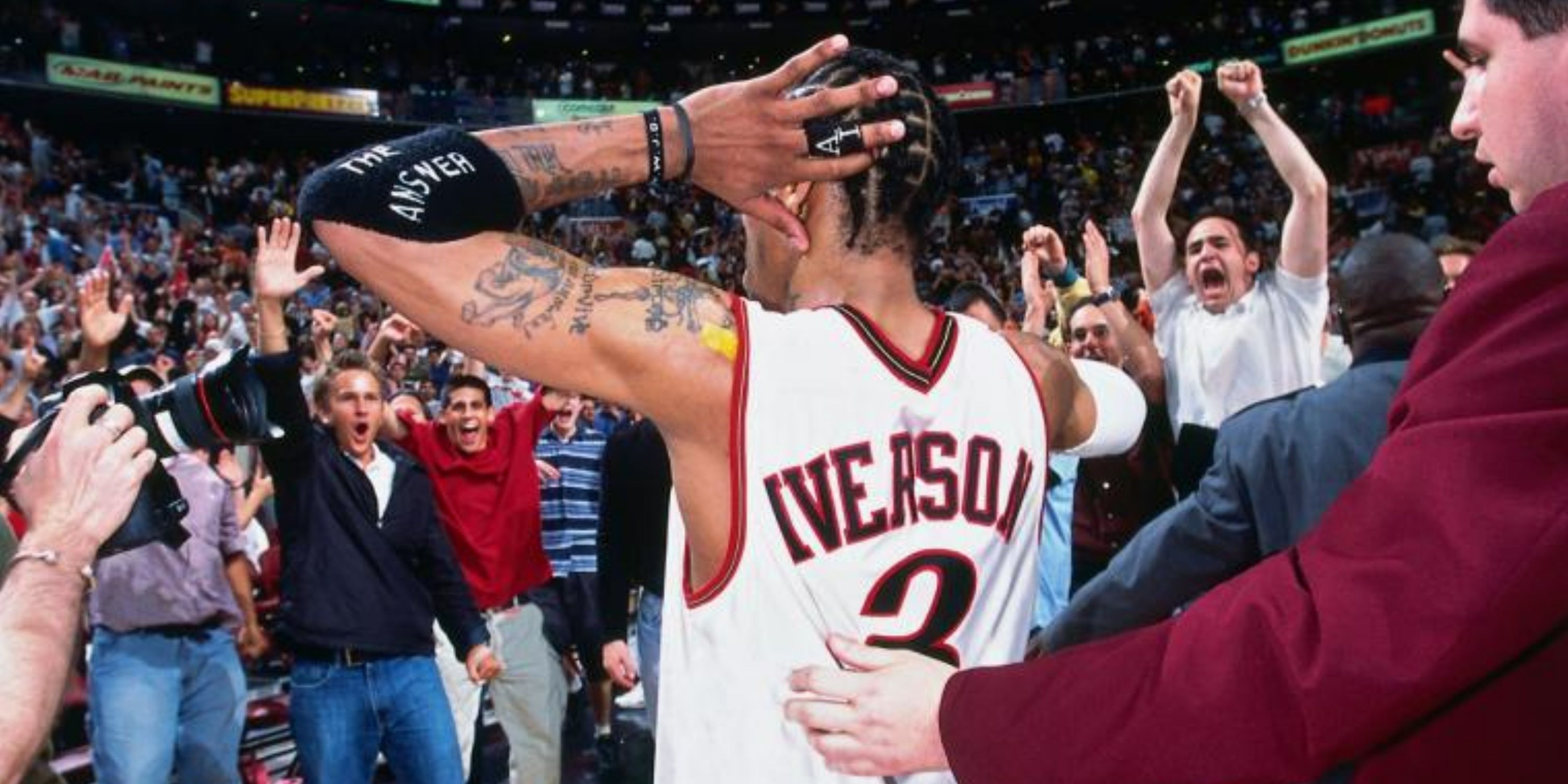
For two years, speculation swirled about Iverson potentially joining the "G League" (then the D-League) or seeking another international contract. However, on October 30, 2013, at the Wells Fargo Center in Philadelphia, Iverson officially announced his retirement from professional basketball. He stated that he had lost the "desire to play" and wanted to focus on being a father. His jersey, the iconic number 3, was retired by the Philadelphia 76ers on March 1, 2014, ensuring that while he was no longer playing, his presence would forever hang in the rafters.
Physical and Structural Reasons for His Retirement
To understand why Allen Iverson is no longer playing basketball, one must examine the immense physical toll his playing style took on his body. At 6'0" (often considered an overstatement) and roughly 165 pounds, Iverson was one of the smallest players to ever dominate the league. His "pound-for-pound" greatness came at a significant cost.
The Impact of a High-Usage Playstyle
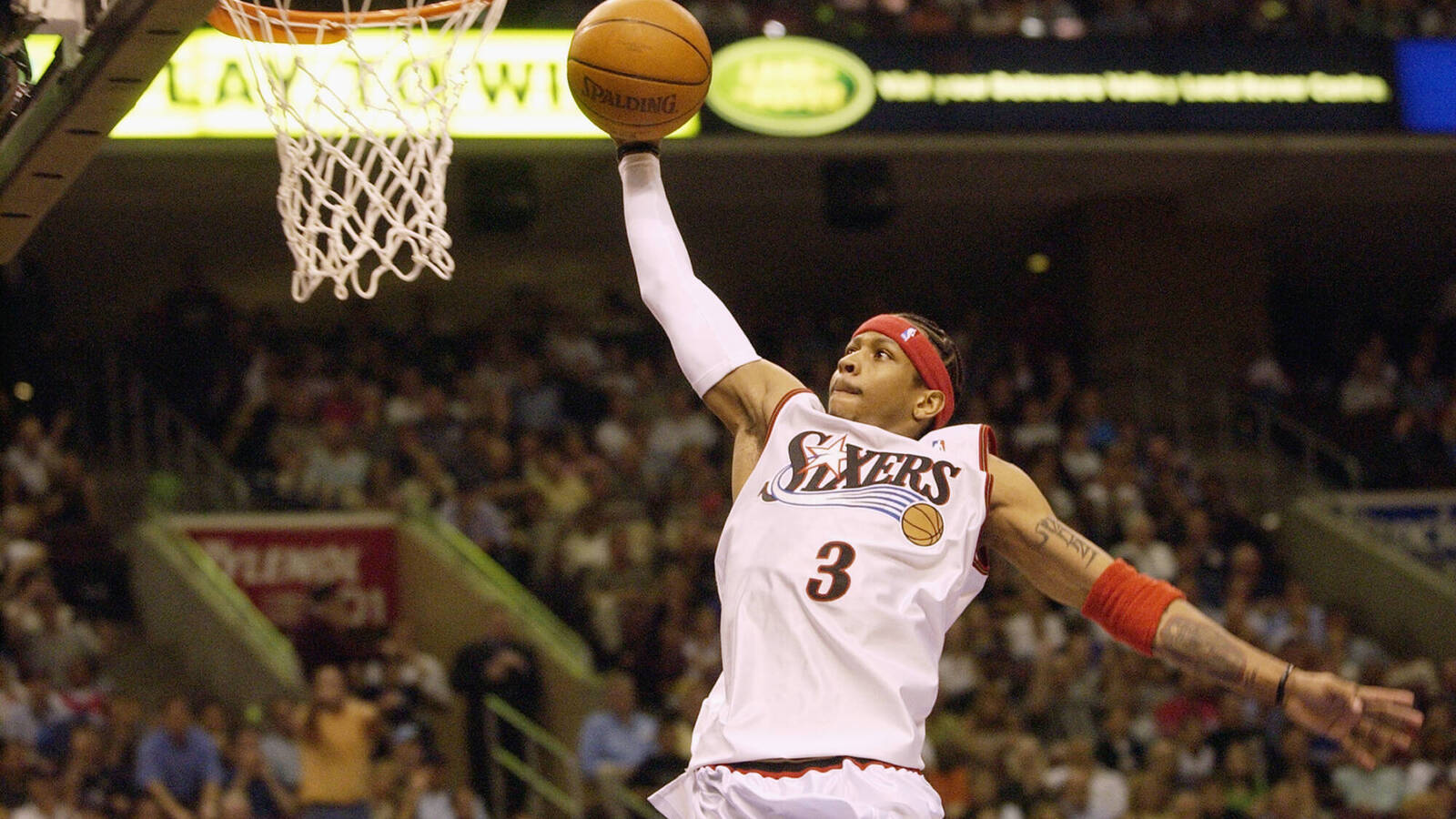
Iverson's career was defined by his fearless drives to the basket. He consistently attacked the rim, often colliding with much larger centers and power forwards. Throughout his 14 seasons in the NBA, he led the league in minutes per game seven times. This sheer volume of play, combined with his reckless abandon on the court, resulted in a litany of injuries. By the time he reached his mid-30s, the cumulative effect of knee strains, ankle sprains, and various fractures had robbed him of the elite "first step" quickness that made his crossover dribble legendary.
The Evolution of the NBA Game
The NBA landscape began to shift toward the end of Iverson's career. The rise of "efficiency-based" basketball and the "Seven Seconds or Less" era changed how guards were valued. Iverson was a high-volume shooter who required the ball in his hands to be effective. As teams began to prioritize spacing and ball movement, Iverson’s traditional isolation style became harder to integrate into championship-contending systems, especially as his shooting percentages declined with age.
The "Pound for Pound" King: Career Statistics and Longevity
Despite his relatively early exit compared to modern players who play into their 40s, Iverson’s statistical output remains staggering. He was a four-time scoring champion and the 2001 NBA MVP. His ability to carry a team, most notably leading the 2001 76ers to the NBA Finals, is a feat that remains a benchmark for individual greatness.
| Category | Career Achievement / Statistic | Context |
|---|---|---|
| Total Points | 24,368 | Ranked among the top all-time scorers upon retirement. |
| Career PPG | 26.7 | Currently 9th highest in NBA history. |
| All-Star Selections | 11 | Selected every year from 2000 to 2010. |
| Steals Leader | 3 Times | Led the NBA in steals from 2001 to 2003. |
| NBA MVP | 2001 | Shortest and lightest player to win the award. |
| Hall of Fame | Class of 2016 | Inducted in his first year of eligibility. |
The data in the table above highlights that Iverson did not stop playing because of a lack of talent, but rather because he had already achieved a lifetime’s worth of production in a condensed, high-intensity window.
Life After Basketball: Iverson’s Cultural and Financial Evolution
By 2026, the narrative surrounding Allen Iverson has shifted from his retirement to his immense success as a cultural icon and businessman. He has successfully navigated the pitfalls that often affect retired athletes, building a sustainable brand that transcends his playing days.
The Reebok Partnership and Leadership Role
One of the most significant developments in Iverson’s post-playing career was his appointment as the Vice President of Reebok Basketball in late 2023. Alongside fellow legend Shaquille O'Neal, Iverson has been instrumental in re-establishing Reebok’s presence in the performance basketball market. He oversees athlete recruitment and helps design the creative direction for the "Question" and "Answer" sneaker lines, which remain best-sellers more than two decades after their debut.
Furthermore, Iverson’s financial security is famously bolstered by a "lifetime" deal with Reebok signed in 2001. This deal includes a $32 million trust fund that he is scheduled to access in 2030. This strategic financial planning has allowed him to remain a public figure without the financial pressures that plagued other stars of his era.
Impact on Basketball Culture and Fashion
Iverson is no longer playing basketball, but his influence is visible in every NBA game. He was the catalyst for the "hip-hop" era of the NBA, introducing tattoos, headbands, arm sleeves, and baggy clothing to the mainstream. The league's dress code, implemented in 2005, was widely viewed as a response to Iverson's style. Today, players have total fashion freedom, a shift that many credit directly to Iverson’s refusal to conform during his playing days.
Business Ventures in Cannabis and Lifestyle
In recent years, Iverson has partnered with Al Harrington’s company, Viola, to launch his own cannabis strains and lifestyle products. He has also been a frequent guest at NBA events, serving as a mentor to young guards like Ja Morant and Luka Dončić. His presence at the NBA 75th Anniversary team celebration solidified his status as one of the "immortals" of the sport.
Why He Never Returned to Professional Leagues
Fans often wonder why Iverson didn't follow the path of some contemporaries by playing in "The BIG3" or other veteran leagues more consistently. While he did briefly participate in the inaugural season of Ice Cube’s BIG3 league in 2017 as a player-coach, he quickly transitioned to a coaching-only role.
The primary reason for his permanent absence from the court is a commitment to his "legend" status. Iverson has expressed in various interviews that he prefers fans to remember him at the height of his powers—the player who crossed over Michael Jordan and stepped over Tyronn Lue. By 2026, he has embraced his role as a spectator and an elder statesman, often seen courtside in Philadelphia, receiving standing ovations from a city that still views him as its ultimate sports hero.
Frequently Asked Questions
Did Allen Iverson ever win an NBA Championship?
No, Allen Iverson never won an NBA Championship. His closest attempt was in 2001 when he led the Philadelphia 76ers to the NBA Finals. They won Game 1 against the Los Angeles Lakers in a historic performance where Iverson scored 48 points, but the Lakers, led by Shaquille O'Neal and Kobe Bryant, won the next four games to take the title.
What is Allen Iverson's current role in the NBA?
As of 2026, Allen Iverson does not hold an official coaching or front-office position with an NBA team. However, he serves as an informal ambassador for the Philadelphia 76ers and works closely with the league on international marketing and cultural initiatives. His official business title is Vice President of Reebok Basketball.
Why did Iverson stop playing in Turkey?
Iverson stopped playing for Beşiktaş in Turkey primarily due to a serious calf injury. He required surgery to remove a calcified lesion, and the recovery time essentially ended his season. By the time he was healthy, he chose to focus on a potential NBA return rather than continuing his international career, though that return never materialized.
Is Allen Iverson in the Hall of Fame?
Yes, Allen Iverson was inducted into the Naismith Memorial Basketball Hall of Fame in 2016. He was inducted alongside fellow greats Shaquille O'Neal and Yao Ming. His induction speech is widely considered one of the most emotional and authentic in the history of the ceremony.
How old is Allen Iverson in 2026?
Born on June 7, 1975, Allen Iverson is 51 years old in 2026. Despite the physical toll of his career, he remains active in public life and continues to be a prominent figure in the sports and fashion industries.
Final Recommendation for Fans and Historians
For those looking to understand the full scope of why Allen Iverson is no longer playing basketball, it is best to view his retirement not as an end, but as a transition. To truly appreciate his impact, fans should explore the documentaries produced by NBA Entertainment or visit the Naismith Memorial Basketball Hall of Fame digital archives. His career serves as a masterclass in resilience, cultural influence, and the reality of physical limits in professional sports. If you are a collector or fan, keeping an eye on his Reebok collaborations is the best way to support his ongoing legacy in 2026.