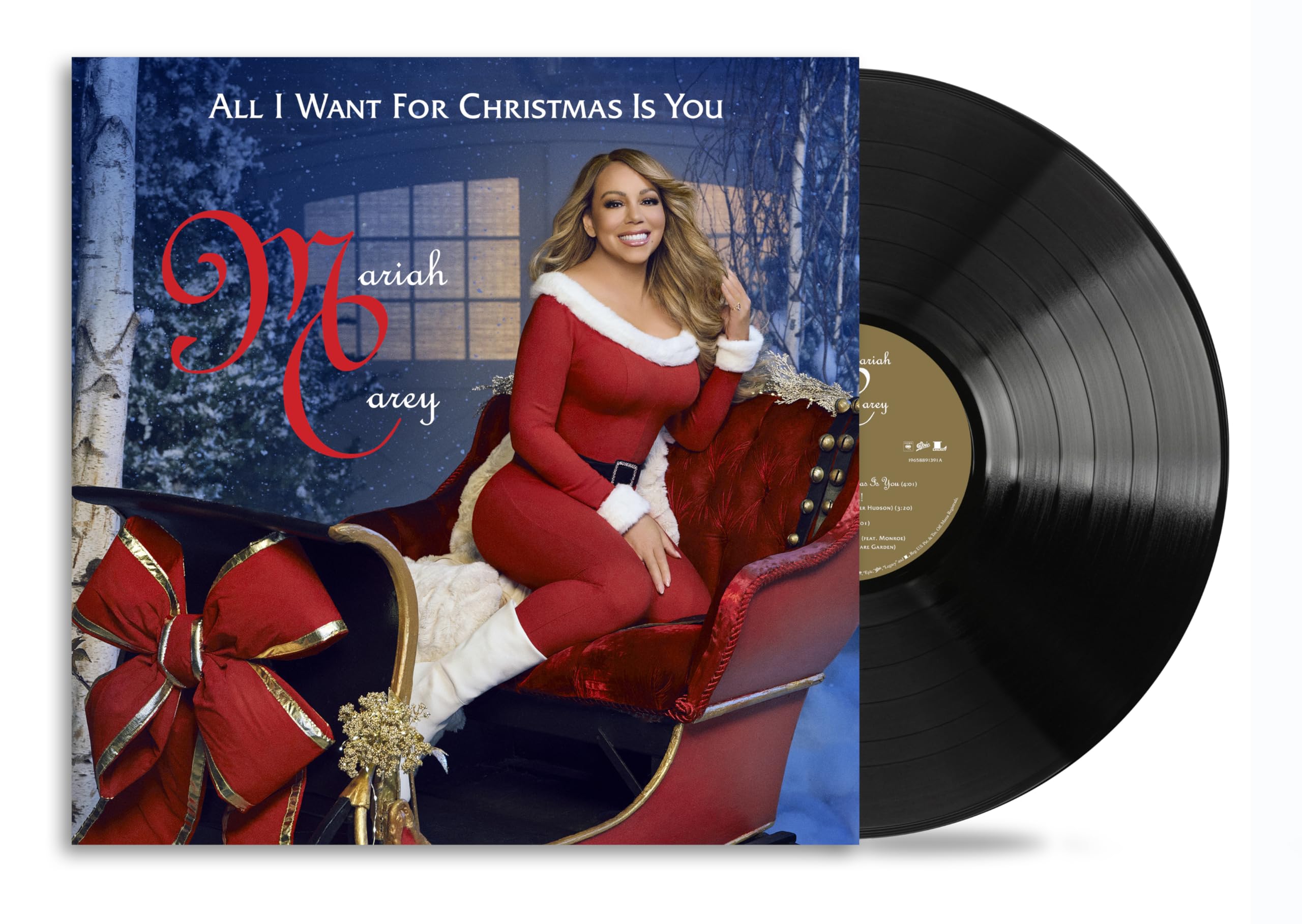
The "All I Want for Christmas" Vine refers to a series of viral, six-second videos created on the now-defunct Vine platform that utilized Mariah Carey’s iconic holiday hit to create high-energy, often chaotic comedic sketches. Most notably associated with creator Quenlin Blackwell, these Vines transformed the song into a structural template for internet "shitposting," blending holiday nostalgia with the frantic, loud-is-funny humor that defined the mid-2010s digital landscape.
The Cultural Architecture of the All I Want for Christmas Vine
To understand why a six-second clip of a teenager screaming lyrics to a 1994 pop song became a foundational pillar of internet culture, one must look at the specific ecosystem of Vine between 2013 and 2016. Vine was characterized by its strict six-second limit and its "looping" feature, which created a rhythmic, almost hypnotic consumption pattern. When creators began using Mariah Carey’s "All I Want for Christmas Is You," they weren't just playing a song; they were weaponizing the song’s most recognizable crescendos to fit a very specific comedic timing.
The most famous iteration of this meme involves Quenlin Blackwell, who, in 2014, posted a series of Vines where she would aggressively perform the song’s high notes. The humor derived from the subversion of the song’s polished, soulful nature. Instead of a graceful vocal performance, Blackwell offered a raw, high-decibel interpretation that resonated with a generation of users who found humor in "relatable chaos." This specific Vine didn't just stay on the platform; it migrated to Twitter (now X), Tumblr, and eventually became a staple of holiday "meme seasons" that persist even now in 2026.
The "All I Want for Christmas" Vine represents a transition point in how music was consumed and promoted. It was one of the first instances where a legacy hit was revitalized not by a movie soundtrack or a radio push, but by becoming a versatile "audio skin" for user-generated content. This paved the way for the current era of music marketing, where a song’s success is often tied to its "memeability" on short-form video platforms.
The Technical Constraints of the Six-Second Loop
The brilliance of the "All I Want for Christmas" Vine lies in its technical brevity. Because creators only had six seconds, they had to identify the "hook of the hook." In Carey's song, the buildup to the word "YOU" provides a perfect narrative arc for a short video.
- The Setup (Seconds 0–3): The creator mimics the soft, tinkling bells of the intro or the rising vocal line "I don't want a lot for Christmas."
- The Tension (Seconds 3–5): A visual or auditory escalation, often involving a fast zoom or an increase in volume.
- The Punchline (Second 6): The explosive delivery of "YOU," usually accompanied by a chaotic visual—falling over, throwing an object, or a sudden costume change.
This structure was perfectly suited for the Vine algorithm, which prioritized "loops." If a video was funny enough to watch twice, it was likely to go viral. The "All I Want for Christmas" Vines were designed to be watched on repeat, with the sudden ending of the six-second clip feeding directly back into the start of the song, creating a seamless loop of holiday madness.
Key Creators and Variations of the Trend
While Blackwell is the most cited creator, the "All I Want for Christmas" trend was a collective effort. Various creators used the song to highlight different aspects of holiday stress, excitement, or absurdity. Some used the song to mock the "early onset" of the Christmas season—joking about how the song begins playing the moment Halloween ends. Others used it for "bait-and-switch" comedy, where the romantic lyrics were directed at something inanimate, like a pizza or a video game console.
| Creator Category | Style of Vine | Long-term Impact |
|---|---|---|
| High-Energy (e.g., Quenlin Blackwell) | Loud vocals, distorted audio, physical comedy. | Defined the "Chaotic Christmas" aesthetic. |
| Transition Artists | Using the "YOU" beat-drop to change outfits or locations. | Forerunner to modern TikTok transition trends. |
| Relatable/Observational | Joking about the song playing in retail stores. | Cemented the "Mariah is Defrosting" seasonal meme. |
| Mashup Creators | Mixing Carey with Soulja Boy or EDM tracks. | Early example of "Sound-Mashing" culture. |
The diversity of these clips ensured that the song remained relevant to multiple subcultures. Whether you were part of "Stan Twitter," a casual comedy fan, or a music enthusiast, there was a version of the "All I Want for Christmas" Vine that catered to your specific sense of humor.
The "Mariah is Defrosting" Connection
The legacy of these Vines is inextricably linked to the broader internet phenomenon known as "Mariah is Defrosting." This is the collective digital realization that every year, on November 1st, Mariah Carey’s cultural presence re-emerges with unstoppable force. The Vine era was the first time this phenomenon was quantified through viral videos.
By 2026, this has become a formalized marketing event, but in the mid-2010s, it was organic. The Vines served as the "starting gun" for the holiday season. When users began seeing the "All I Want for Christmas" Vine reappear on their feeds, it signaled a shift in the internet's mood. The technical simplicity of the Vine—its grainy mobile-phone quality and unedited audio—added a layer of authenticity that modern, high-production holiday commercials lack. It felt like a celebration owned by the people, not by the record labels.
Impact on Mariah Carey’s Chart Performance
It is impossible to discuss the "All I Want for Christmas" Vine without acknowledging its impact on the song’s commercial longevity. While the track was always a hit, its consistent return to the Billboard Hot 100 #1 spot in the late 2010s and early 2020s was fueled significantly by digital streaming and social media relevance.
Vine creators essentially provided free, high-engagement marketing for the track. Every time a Vine went viral, it prompted thousands of users to seek out the full song on Spotify or YouTube. This created a feedback loop: more memes led to more streams, which led to higher chart positions, which led to more news coverage, which inspired more memes. Mariah Carey herself eventually embraced this, often participating in her own versions of these trends, thereby validating the meme culture that helped keep her holiday legacy alive.
From Vine to TikTok: The Evolution of Holiday Memes
When Vine was shuttered in January 2017, many feared that the specific brand of "six-second humor" would disappear. However, the "All I Want for Christmas" Vine simply evolved. TikTok, which rose to prominence shortly after Vine’s demise, inherited the musical DNA of its predecessor.
The primary difference in the TikTok era (2018–2026) is the length and the editing tools. While Vine was limited to a single, unedited loop, TikTok allows for multi-clip editing, green-screen effects, and sophisticated audio layering. Despite these advancements, the core spirit of the "All I Want for Christmas" meme remains rooted in the Vine aesthetic:
- The "Scream-Singing" remains a popular trope.
- The "Sudden Reveal" on the beat-drop is still the standard structure.
- The "Retail Worker PTSD" jokes regarding the song continue to thrive.
Vine acted as the "rough draft" for how we interact with holiday music today. It taught us that songs aren't just for listening; they are for participating. The "All I Want for Christmas" Vine was the first major proof of concept for this shift in consumer behavior.
Common Technical Issues with Archival Vine Content
As we move further away from the platform's active years, accessing the original "All I Want for Christmas" Vines has become increasingly difficult. After the platform's servers were largely decommissioned, much of the content was moved to an archive or re-uploaded by third parties on YouTube and Instagram.
If you are looking for specific Vines in 2026, you may encounter several issues:
- Broken Links: Many original Vine URLs are now dead.
- Low Resolution: Since Vines were recorded on smartphones between 2013 and 2016, they often look pixelated on modern 4K or 8K displays.
- Copyright Strikes: Because these videos use copyrighted music, many "Vine Compilations" on YouTube are frequently taken down or muted.
- Missing Context: Without the original "Loop Count" or the comments section, some of the cultural impact of the video is lost.
To find these videos today, it is best to search for "Vine Compilations" from the 2014–2016 era on reputable video-sharing sites or look for the creators' personal archives on platforms like X or Instagram.
Frequently Asked Questions
Who is the girl in the most famous "All I Want for Christmas" Vine?
The girl is Quenlin Blackwell. She became one of Vine's most popular creators due to her high-energy performances and relatable comedy. Her "All I Want for Christmas" Vine, where she screams the lyrics in a car, remains one of the most iconic pieces of content from that era. Blackwell successfully transitioned her Vine fame into a long-term career as an influencer and personality.
Why did the "All I Want for Christmas" Vine go viral?
It went viral because it perfectly captured the "controlled chaos" humor of the Vine era. It took a very familiar, polished song and subverted it with raw, loud, and unpredictable human behavior. The six-second loop format also encouraged repeated viewing, which helped the videos spread rapidly through the platform's algorithm.
Is Vine coming back in 2026?
As of 2026, there is no official version of the original Vine platform in operation. While various successors like Byte and technical experiments by X (formerly Twitter) have attempted to revive the "six-second loop" format, the original Vine remains a closed archive. The spirit of Vine, however, lives on through the short-form video formats of TikTok, Reels, and YouTube Shorts.
How did these Vines affect the song's royalties?
Every time the song was used in a Vine that was then shared on platforms with monetization (like YouTube), it contributed to the song's overall "share of ear." While Vine itself did not have a robust royalty payout system for artists, the secondary traffic it drove to streaming services like Spotify and Apple Music resulted in significant royalty increases for Mariah Carey and her publishers.
Can I still find the original Quenlin Blackwell Vine?
Yes, while the original Vine app is gone, her most famous clips have been preserved in numerous "Best of Vine" compilations on YouTube and are frequently reposted on Twitter/X every December. Her specific "Christmas" Vines are often used as "reaction videos" in modern social media conversations.
Practical Recommendation for Content Creators
If you are looking to pay homage to the "All I Want for Christmas" Vine in 2026, the key is to embrace the lo-fi aesthetic. Modern short-form video often feels too "produced." To capture the magic of the Vine era, use minimal editing, prioritize raw audio over studio-quality tracks, and focus on a single, punchy joke that works as a loop. The enduring lesson of the Vine is that authenticity and energy will always outperform a high production budget when it comes to holiday humor.