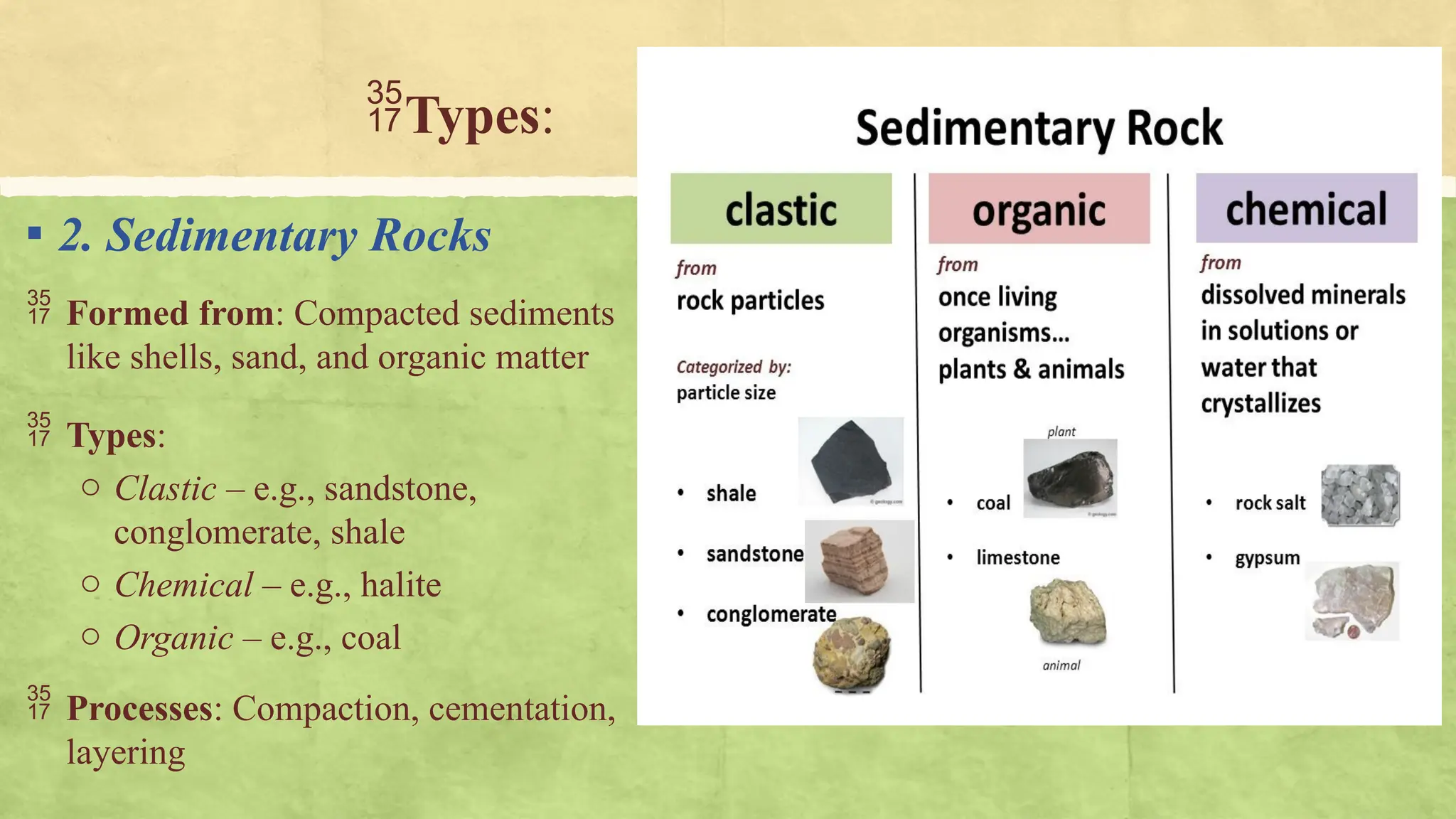
Sedimentary rocks such as limestone, travertine, and sandstone are versatile natural materials widely used in modern home design for flooring, wall cladding, and decorative accents. Their organic textures and unique fossilized details offer a timeless aesthetic, though their varying levels of porosity necessitate specific sealing protocols and maintenance to ensure durability in residential environments.
The Role of Sedimentary Rocks in Modern Architecture
As we move through 2026, the shift toward biophilic design—integrating natural elements into the built environment—has solidified sedimentary rocks as a premier choice for architects and homeowners alike. Unlike igneous rocks (like granite) which form from cooling magma, or metamorphic rocks (like marble) which change under intense heat and pressure, sedimentary rocks are formed through the accumulation of mineral and organic particles. This "layering" process creates a visual history of the earth, often preserving shells, plant matter, and distinct mineral bands that provide a level of character impossible to replicate with synthetic materials.
In home design, these stones are prized for their soft, earthy palettes. From the creamy whites of French limestone to the deep ochres of Australian sandstone, they provide a neutral yet sophisticated foundation for various interior styles, including Mediterranean, Minimalist, and Organic Modernism. However, choosing the right sedimentary stone requires an understanding of its geological makeup, as this dictates how the stone will perform under the stresses of daily life, such as foot traffic, moisture exposure, and chemical contact.
Primary Types of Sedimentary Rocks in Home Interiors
Understanding the specific varieties of sedimentary stone is essential for selecting a material that aligns with both your aesthetic goals and functional requirements.
1. Limestone: The Versatile Classic
Limestone is perhaps the most widely used sedimentary rock in residential design. Composed primarily of calcium carbonate (calcitic) or magnesium carbonate (dolomitic), it forms in clear, warm, shallow marine waters.
- Characteristics: Limestone is known for its consistent color and fine grain. It often contains visible fossils, such as fragments of coral or shells, adding a layer of biological interest.
- Applications: It is a favorite for large-format floor tiles, fireplace surrounds, and exterior cladding. In 2026, we see a rise in "honed" limestone finishes, which provide a matte, velvet-like surface that hides scratches better than polished finishes.
- Considerations: Because limestone is chemically reactive to acids (like lemon juice or vinegar), it is generally less recommended for high-use kitchen countertops unless the homeowner is comfortable with a "patina" or uses advanced permanent sealants.
2. Travertine: The Texture of Luxury
Travertine is a terrestrial sedimentary rock, formed by the precipitation of carbonate minerals from solution in ground and surface waters, particularly around hot springs.
- Characteristics: The most defining feature of travertine is its pitted surface, caused by carbon dioxide bubbles escaping during its formation. These pits can be left open for a rustic look or "filled" with a matching resin for a smoother, more durable surface.
- Applications: Travertine is synonymous with spa-like bathrooms and outdoor pool decks. Its naturally cool temperature underfoot makes it an ideal material for sun-drenched patios.
- Varieties: "Vein-cut" travertine (cut against the bedding planes) reveals linear patterns, while "cross-cut" travertine (cut parallel to the bedding) results in a more flowery, randomized appearance.
3. Sandstone and Flagstone: Earthy Durability
Sandstone is a clastic sedimentary rock composed mainly of sand-sized silicate grains. It is incredibly durable and has been used in construction for millennia.
- Characteristics: It possesses a gritty texture and is available in a vast array of colors, including tan, brown, yellow, red, grey, and white. The "movement" in sandstone often mimics the look of desert dunes or flowing water.
- Applications: In 2026 home design, sandstone is frequently used for feature walls and "indoor-outdoor" flooring transitions. Its high slip resistance makes it a primary choice for entryways and mudrooms.
- Flagstone: Often categorized with sandstone, flagstone refers to flat slabs of rock (which can also be slate or limestone) used for paving. It is essential for creating organic-shaped garden paths or rustic hearths.
4. Shale and Siltstone: Subtle Modernism
While less common as a primary flooring material due to its tendency to "fissile" (split into thin layers), shale and its slightly more durable cousin, siltstone, are gaining traction in 2026 for specialized architectural accents.
- Characteristics: These stones are formed from compacted mud and silt. They tend to have a very fine grain and a darker, moodier color palette (dark greys, blacks, and deep greens).
- Applications: Siltstone is often used for wall panels and decorative backsplash tiles where its subtle layering adds depth without overwhelming the space with heavy texture.
Technical Comparison of Sedimentary Stone Properties
When planning a renovation or new build, comparing the technical specifications of these stones is vital for longevity.
| Stone Type | Mohs Hardness | Porosity Level | Common Finishes | Ideal Use Case |
|---|---|---|---|---|
| Limestone | 3 - 4 | Medium to High | Honed, Polished, Tumbled | Floors, Fireplaces |
| Travertine | 3 - 4 | High (if unfilled) | Filled & Honed, Brushed | Bathrooms, Pool Decks |
| Sandstone | 6 - 7 | Medium | Sawn, Sandblasted, Natural | Patios, Exterior Walls |
| Slate* | 2.5 - 4 | Low | Cleft, Honed | Kitchens, Entryways |
*Note: While slate is technically a metamorphic rock, it originates from the sedimentary rock shale and is often grouped with sedimentary materials in the stone trade due to its layered formation.
Finishes and Textures: Customizing the Look
The way a sedimentary stone is finished drastically alters both its appearance and its performance in a home. In 2026, the trend has moved away from high-gloss surfaces toward more tactile, natural finishes.
- Honed: This finish involves grinding the stone to a flat, smooth surface that remains matte. It is the gold standard for limestone and travertine floors, as it provides a contemporary look while offering better slip resistance than polished stone.
- Tumbled: The stone is placed in a drum with abrasives to create worn, rounded edges and a weathered face. This is ideal for Mediterranean or farmhouse styles where an "aged" look is desired.
- Brushed/Leathered: Using wire brushes, the softer parts of the stone are removed, leaving a textured surface that follows the natural veins and pits. This finish is excellent for hiding fingerprints and water spots.
- Cleft: Specific to stones like slate or some sandstones that split along natural layers, this finish preserves the rugged, uneven surface of the stone as it was quarried.
Maintenance and Preservation in 2026
Sedimentary rocks are "calcareous," meaning they are composed largely of calcium carbonate. This chemical makeup makes them sensitive to acidic substances. For homeowners in 2026, maintenance has been simplified by advancements in nanotechnology-based sealants.
Sealing Requirements
Because sedimentary rocks are porous, they can absorb liquids, leading to staining or bacterial growth. A high-quality impregnating sealer is mandatory upon installation. These sealers sit below the surface, clogging the pores without changing the look of the stone. For high-moisture areas like showers, sealing should be performed annually.
Cleaning Protocols
The most common mistake in maintaining sedimentary stone is the use of generic household cleaners. Acids (vinegar, lemon) or harsh bases (bleach) will "etch" the stone, creating dull spots that can only be removed by professional re-honing. Homeowners should strictly use pH-neutral cleaners specifically formulated for natural stone.
Dealing with Etching and Scratches
In a lived-in home, sedimentary stone will eventually show signs of use. Minor scratches in limestone can often be buffed out with fine-grade steel wool or specialized polishing pastes. However, deep etches from acidic spills usually require a professional stone restoration specialist to re-grind and re-seal the surface.
Sustainability and Ethical Sourcing
In 2026, the environmental impact of building materials is a primary concern. Sedimentary rocks are often considered a sustainable choice because they are natural, contain no Volatile Organic Compounds (VOCs), and have an incredibly long lifecycle.
To ensure an eco-friendly project:
- Local Sourcing: Seek out quarries within a 500-mile radius to reduce the carbon footprint associated with heavy stone transport.
- Recycled Stone: Many suppliers now offer "reclaimed" limestone or travertine from old European buildings, providing a unique history and reducing the need for new quarrying.
- Certification: Look for stone suppliers that adhere to the Natural Stone Institute's sustainability standards (ANSI/NSC 373), which track the environmental footprint of the quarrying and fabrication process.
Common Mistakes to Avoid
- Using Travertine in High-Traffic Commercial Entryways: While beautiful, the "fill" in travertine can pop out over time under extreme traffic, leading to maintenance headaches.
- Neglecting the Subfloor: Sedimentary stones are prone to cracking if the subfloor has any flex. Always ensure a rigid, level substrate (usually cement backer board or a thick mortar bed) is used during installation.
- Skipping the Sample Test: Because sedimentary rocks have high "tonal variation," a single small swatch is never enough. Always request a "current batch" sample or visit the stone yard to see the full slabs.
Frequently Asked Questions
Can I use limestone for my kitchen countertop?
Yes, but it requires a specific lifestyle. Limestone will etch if it comes into contact with wine, citrus, or tomato sauce. Many homeowners in 2026 embrace this as a "living finish," similar to how marble ages. If you want a pristine look, limestone is better suited for backsplashes rather than heavy-use prep surfaces.
Is travertine too slippery for a bathroom floor?
Unfilled or "honed" travertine provides decent traction. However, polished travertine is very slippery when wet. For bathrooms, it is recommended to use smaller tiles (which provide more grout lines for grip) or a brushed/tumbled finish to increase slip resistance.
How often do I really need to seal my sandstone patio?
For exterior sandstone, a high-quality penetrative sealer should be applied every 2 to 3 years. Because sandstone is often exposed to UV rays and freeze-thaw cycles, the sealer breaks down faster than it would indoors. Proper sealing prevents algae growth and "spalling" (flaking) of the stone surface.
Why is my sedimentary stone changing color?
This is often due to moisture wicking up from the subfloor (efflorescence) or the oxidation of iron minerals within the stone. If the stone turns yellowish, it may be a reaction between the stone's minerals and certain cleaning chemicals or iron-rich water. Using a vapor barrier during installation can prevent most of these issues.
Are sedimentary rocks compatible with underfloor heating?
Absolutely. One of the greatest benefits of limestone and sandstone is their high thermal mass. They absorb heat slowly and radiate it evenly, making them some of the best materials for hydronic or electric underfloor heating systems.
Final Recommendation for Homeowners
When integrating sedimentary rocks into your home, prioritize the function of the space over purely aesthetic desires. For high-moisture or high-mess areas like mudrooms and kitchens, opt for denser sandstones or slate. Save the more porous and delicate limestones and travertines for vertical applications, such as feature walls, fireplace surrounds, or master bathrooms where maintenance can be more controlled. By matching the stone's geological strengths to your home's daily demands, you ensure a natural finish that remains beautiful for decades.