While Alexander Skarsgård is globally recognized as an award-winning actor, his contribution to the narrative of modern data centers is primarily anchored in his role in the 2018 short film The Journey, commissioned by the Swedish technology company Northvolt. This collaboration highlighted the critical importance of sustainable, fossil-fuel-free battery production in powering the massive energy needs of contemporary hyperscale data centers.
The Intersection of Entertainment and Infrastructure
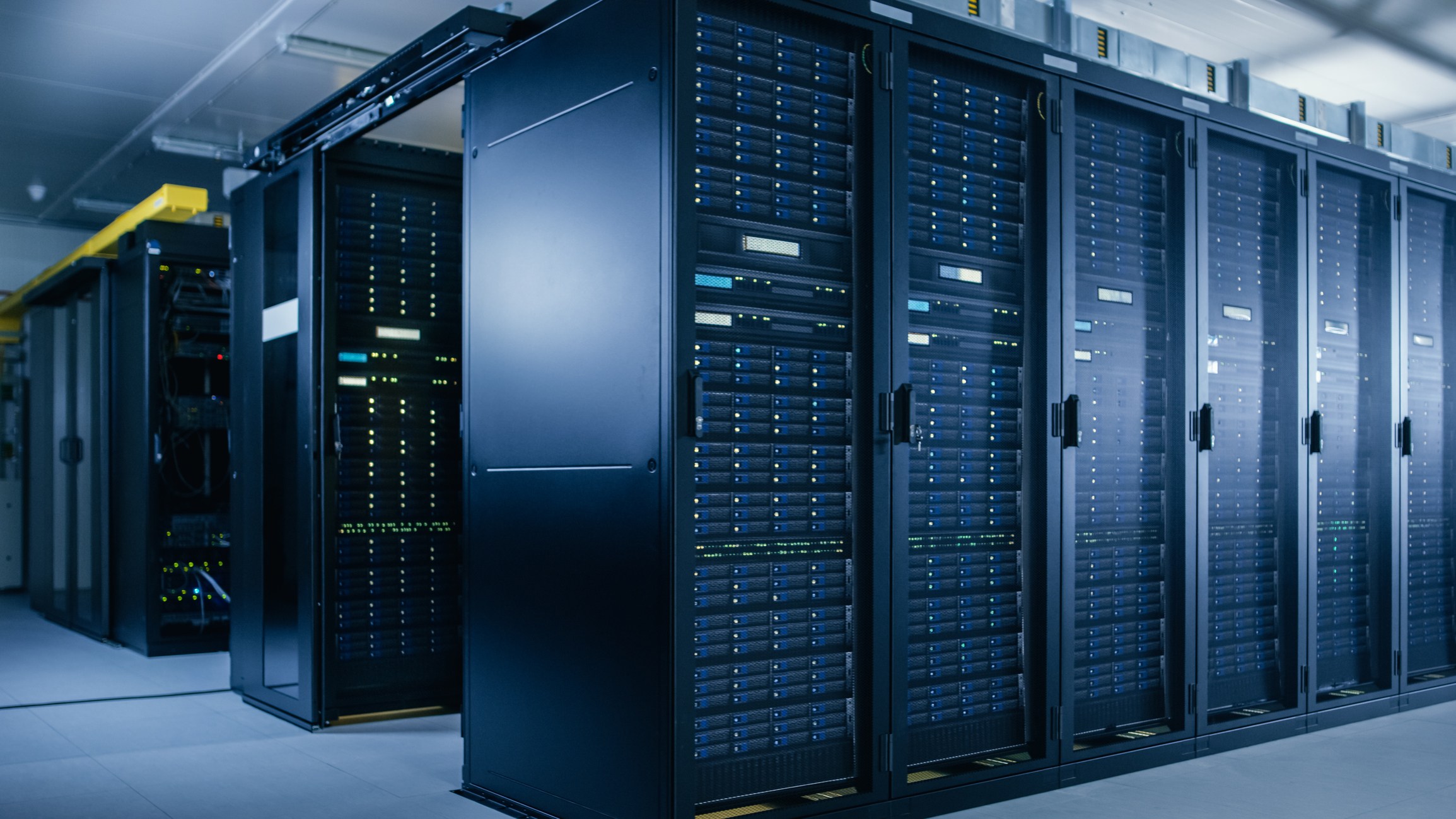
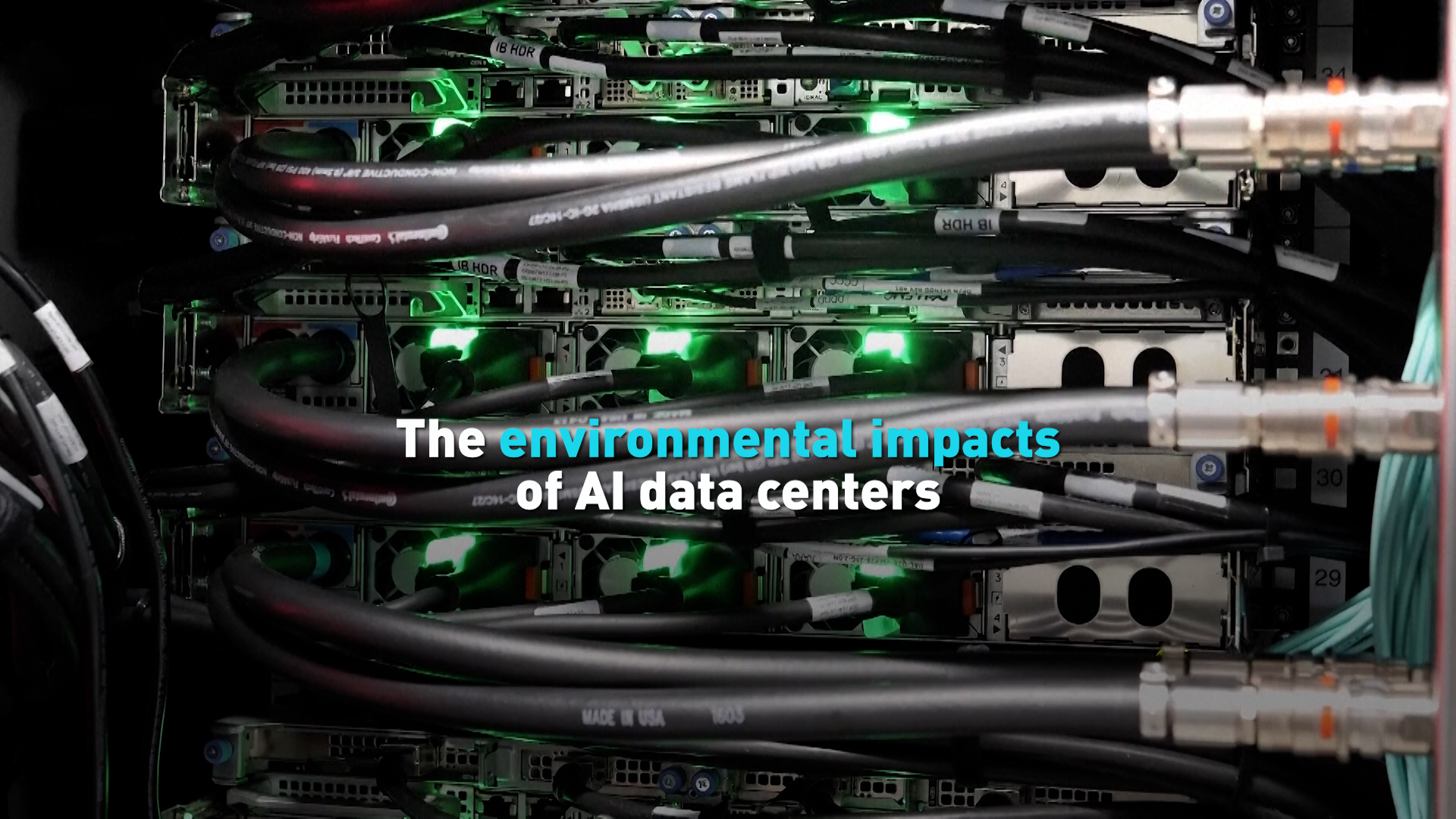
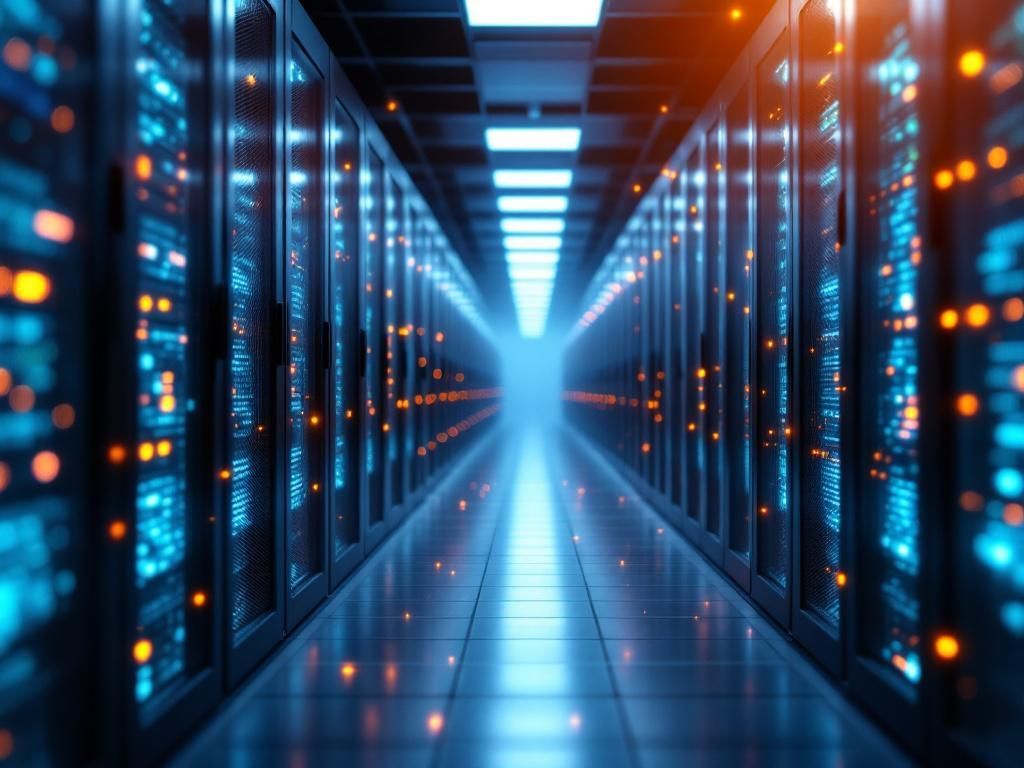
In the modern era, the physical infrastructure of the internet—the data center—is often shrouded in mystery, hidden behind nondescript concrete facades and layers of cybersecurity. As the demand for artificial intelligence, cloud storage, and high-performance computing (HPC) skyrocketed between 2020 and 2026, the energy intensity of these facilities became a subject of mainstream discourse.
The involvement of a high-profile figure like Alexander Skarsgård in corporate storytelling served as a bridge between complex engineering goals and public awareness. By lending his voice and presence to Northvolt’s vision of sustainable manufacturing, Skarsgård helped catalyze a broader conversation regarding the carbon footprint of the digital economy. While he is not an engineer or a data center architect, his public association with the "green transition" underscored the necessity of aligning large-scale technological growth with environmental stewardship.
Understanding the Energy Demand of Data Centers
To understand why a collaboration involving Skarsgård and Northvolt resonated within the data center industry, one must first recognize the sheer scale of energy consumption in 2026. Modern data centers are essentially industrial-scale power consumers.
- High-Density Computing: The rise of Large Language Models (LLMs) requires massive GPU clusters, which generate significant heat and demand consistent, high-voltage electricity.
- Thermal Management: Cooling systems, which often account for nearly 40% of a data center’s total power draw, must run continuously.
- Redundancy Requirements: To prevent downtime, facilities utilize Uninterruptible Power Supplies (UPS). Traditionally, these relied on lead-acid batteries or diesel generators. The move toward lithium-ion battery storage systems—like those championed by Northvolt—is a pivotal shift in how these facilities maintain uptime while reducing reliance on fossil fuels.
The Northvolt Connection: Battery Technology as Infrastructure
The partnership involving Alexander Skarsgård centered on the development of "the greenest battery in the world." For the data center industry, this mission is not merely a marketing slogan but a functional requirement for the next decade of infrastructure development.
Data centers operate under strict "Uptime" requirements. If utility power fluctuates, the facility must transition to stored energy instantaneously. Historically, this meant firing up diesel generators. However, in 2026, the industry is transitioning toward massive battery energy storage systems (BESS). These systems can stabilize the grid, manage peak load times, and store renewable energy generated by wind or solar farms. Skarsgård’s involvement was a tactical move to humanize the "Battery Gigafactory," an entity that serves as the backbone for the resilient, sustainable data centers that power our digital lives.
Comparative Analysis: Traditional vs. Sustainable Data Center Power
The following table outlines the shift in energy infrastructure that companies are adopting to meet 2026 environmental, social, and governance (ESG) standards.
| Feature | Traditional Data Center | Modern Sustainable Data Center |
|---|---|---|
| Primary Power Source | Grid (Mixed Sources) | Grid (Renewable Preference) |
| Emergency Backup | Diesel Generators | Battery Energy Storage (BESS) |
| Battery Chemistry | Lead-Acid | Advanced Lithium-ion/Solid State |
| Carbon Strategy | Carbon Offsets | Direct Emission Reduction |
| Infrastructure Goal | Uptime at any cost | Resilience via sustainable energy |
Why Cultural Advocacy Matters for Data Centers
The tech industry often struggles with "technocratic isolation"—the tendency to focus on performance metrics while ignoring public concern over resources. The impact of a public figure like Skarsgård in this sector is to provide a narrative framework for abstract concepts. By highlighting the necessity of localized, sustainable battery manufacturing, the campaign helped normalize the idea that a data center is not just a room full of servers, but a part of a larger, integrated energy ecosystem.
In 2026, data center operators are under immense pressure from municipal governments to prove that their facilities provide a net benefit to the local grid. Demonstrating that they use sustainable power storage solutions is a key component of gaining building permits and community acceptance.
Challenges in Scaling Sustainable Infrastructure
Despite the awareness raised by public-private partnerships, several hurdles remain for data centers seeking to emulate the sustainability model discussed in the Northvolt campaigns:
- Resource Scarcity: Access to critical minerals like lithium, cobalt, and nickel remains a bottleneck for battery production.
- Capital Expenditure (CapEx): Implementing high-capacity battery arrays is significantly more expensive upfront than installing traditional diesel generators, despite the lower long-term operating costs.
- Technological Integration: Retrofitting legacy data centers to utilize advanced battery storage is a complex engineering task that often requires total facility upgrades.
Frequently Asked Questions
1. Does Alexander Skarsgård manage or own data centers? No. Alexander Skarsgård does not manage or own data centers. His connection to the industry is limited to his promotional work with Northvolt, a company that provides battery storage technology often used as a component in modern industrial energy solutions.
2. What is the main link between battery technology and data centers? The link is energy reliability. Data centers require constant, stable power. Advanced battery systems provide a way to store renewable energy and provide instantaneous power backups without the carbon emissions associated with diesel generators.
3. Why is Northvolt relevant to the modern data center industry? Northvolt manufactures battery cells designed to reduce the carbon footprint of industrial energy consumption. As data centers look for ways to meet strict climate mandates, they are increasingly looking to manufacturers that prioritize sustainable production methods.
4. Is there a specific "Skarsgård-model" data center? No. There is no such thing as a "Skarsgård-model" data center. He served as an ambassador for the manufacturing philosophy of Northvolt, not as an architect of IT infrastructure.
5. How does energy storage improve data center efficiency? By using high-capacity batteries, data centers can participate in "grid frequency regulation," where they store excess energy when supply is high and draw from batteries during peak demand. This helps stabilize the grid and reduces the reliance on "peaker plants" that run on fossil fuels.
Next Steps for Sustainable Data Center Planning
For organizations or professionals looking to align their data center operations with the sustainability trends mentioned, the following actions are recommended:
- Audit Power Sources: Conduct a lifecycle assessment of your current backup power systems.
- Evaluate BESS Viability: Analyze the cost-benefit ratio of replacing or supplementing diesel generators with lithium-ion energy storage systems.
- Engage Sustainable Suppliers: Prioritize infrastructure partners who hold verifiable ESG credentials, mirroring the standards popularized by firms like Northvolt.
- Monitor Regulatory Trends: Stay updated on 2026 local and federal mandates regarding carbon neutrality for large-scale IT facilities, as these will dictate future operational requirements.