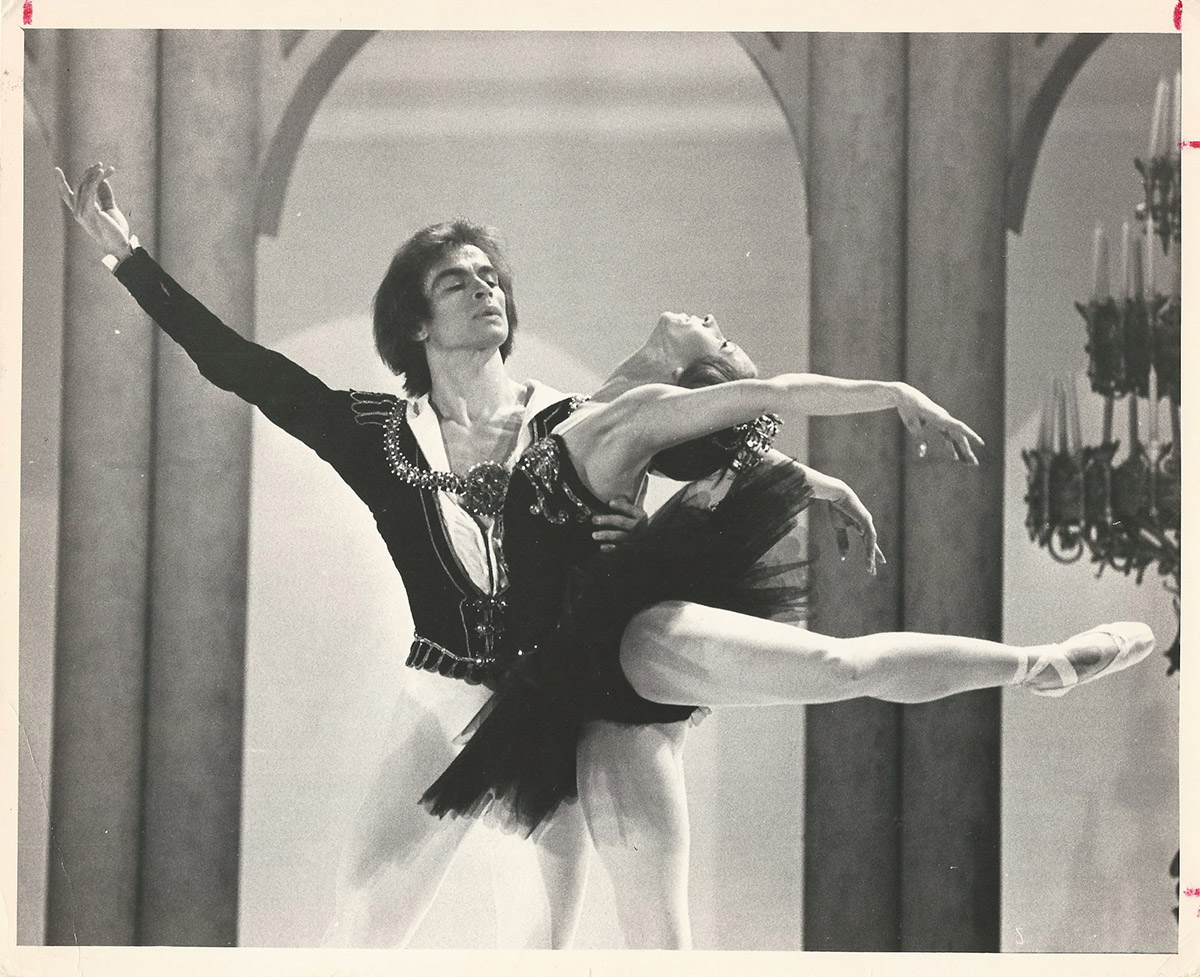
Alexander Grant was a foundational figure in 20th-century British ballet, celebrated as the greatest character dancer of his generation. As a principal with the Royal Ballet and a muse to Sir Frederick Ashton, Grant redefined the "character" role from a secondary part into a technically demanding, emotionally resonant art form.
The Early Life of a New Zealand Prodigy
Born on February 22, 1925, in Wellington, New Zealand, Alexander Grant began his journey in a region far removed from the epicenters of classical dance. Despite the geographic isolation, Grant’s talent was undeniable from a young age. He began his training locally, but his trajectory changed permanently when he won a scholarship from the Royal Academy of Dance to study in London.
Grant arrived in England in 1946, a pivotal time for the British arts scene as it sought to rebuild and redefine itself following World War II. He joined the Sadler’s Wells Ballet (which later became the Royal Ballet) just as the company moved into its permanent home at the Royal Opera House, Covent Garden. His arrival coincided with the "Golden Age" of British ballet, a period marked by the creative explosion of choreographers like Frederick Ashton and Ninette de Valois.
Redefining the Role of the Character Dancer
In the traditional hierarchy of classical ballet, the "danseur noble"—the tall, elegant prince—was often viewed as the pinnacle of male dancing. Alexander Grant, standing at a relatively modest height and possessing a compact, muscular build, did not fit this narrow mold. However, what he lacked in stereotypical "princely" stature, he more than made up for in explosive elevation, lightning-fast footwork, and an unparalleled gift for dramatic interpretation.
Grant became the quintessential character dancer. Unlike "demi-caractère" roles, which often leaned toward the comic, Grant’s performances infused character roles with a profound humanity. He proved that these roles required as much—if not more—technical precision as the leading romantic parts. His ability to blend mime, acting, and rigorous classical technique allowed him to portray a wide range of emotions, from the slapstick humor of a village simpleton to the haunting pathos of a tragic puppet.
The Ashton-Grant Partnership: A Creative Synergy
The most significant relationship in Alexander Grant’s career was his collaboration with Sir Frederick Ashton, the Royal Ballet’s founding choreographer. Ashton recognized in Grant a unique "English" style of dancing—one that was grounded, witty, and deeply expressive. Grant became Ashton’s muse, and the roles created for him remain some of the most cherished in the ballet repertoire.
Alain in La Fille mal gardée
One of Grant’s most iconic creations was the role of Alain in Ashton’s 1960 masterpiece La Fille mal gardée. Alain is the wealthy but dim-witted suitor who provides much of the ballet's comedy. Grant’s interpretation was legendary; he famously performed a solo with a red umbrella, using it as both a prop and an extension of his character's eccentric personality. Rather than playing Alain as a mere caricature, Grant imbued him with a touching vulnerability, making the audience feel a sense of pity when his character was eventually rejected.
Bottom in The Dream
In 1964, Ashton choreographed The Dream, based on Shakespeare’s A Midsummer Night's Dream. He cast Grant as Bottom, the weaver who is transformed into a donkey. This role showcased Grant’s technical audacity, as he performed much of the role en pointe—a rarity for male dancers—to mimic the hooves of a donkey. The physical comedy required to dance on the tips of his toes while maintaining the heavy head of an ass was a testament to Grant’s immense strength and control.
Other Notable Collaborations
Grant’s versatility allowed Ashton to use him in varied contexts:
- Façade: Grant’s performance in the "Popular Song" section became a masterclass in deadpan rhythmic timing.
- Daphnis and Chloë: He created the role of Bryaxis, the pirate chief, demonstrating his ability to portray menace and power.
- Madame Chrysanthème: Here, Grant explored different cultural aesthetics, further proving his range.
Artistic Leadership and the National Ballet of Canada
After a stellar thirty-year career with the Royal Ballet, Grant transitioned into artistic leadership. In 1976, he was appointed Artistic Director of the National Ballet of Canada (NBOC). His tenure (1976–1983) was transformative for the Canadian company.
Grant’s primary mission was to broaden the company's repertoire while maintaining high classical standards. He leveraged his deep connection with the Royal Ballet to bring many of Frederick Ashton’s works to Canada. Under his leadership, the NBOC gained international prestige, touring to major stages like the Metropolitan Opera House in New York.
Grant was also instrumental in fostering local talent and inviting international stars, such as Rudolf Nureyev and Mikhail Baryshnikov, to perform with the company. While his departure from the NBOC in 1983 was marked by some administrative friction, his impact on the company’s technical growth and artistic range was undeniable.
Preservation of the Ashton Legacy
One of the most important aspects of Alexander Grant’s later life was his role as a custodian of the Frederick Ashton legacy. Upon Ashton’s death in 1988, Grant was bequeathed the rights to two of the choreographer’s most famous ballets: La Fille mal gardée and Façade.
Grant took this responsibility seriously, spending decades traveling the world to stage these productions for major ballet companies. He ensured that the specific nuances, the exact musicality, and the unique "Ashton style"—characterized by subtle epaulement (placement of the shoulders) and intricate footwork—were preserved for future generations. His coaching was sought after by every major company from the Paris Opera Ballet to the American Ballet Theatre.
| Ballet | Role Created/Performed | Key Characteristic | Technical Requirement |
|---|---|---|---|
| La Fille mal gardée | Alain | Comically pathetic suitor | Complex umbrella work and rhythmic mime |
| The Dream | Bottom | Transformed weaver | Dancing en pointe (as a male dancer) |
| Petrushka | Petrushka | Tragic puppet | Inward-turned (en dedans) positions and floppy movement |
| Façade | Popular Song | Deadpan entertainer | Synchronized rhythmic precision |
| Cinderella | Jester | Energetic courtier | High-speed leaps and virtuoso turns |
The Technical Depth of Grant's Artistry
To understand why Alexander Grant is considered a legend, one must look beyond the roles and into the mechanics of his movement. He was a master of the "English School" of ballet, which emphasizes:
- Speed and Clarity: Grant was famous for his batterie (beats of the legs in the air). His movements were never blurred; every change of position was crisp and defined.
- Musicality: He did not just dance to the music; he danced inside it. Ashton’s choreography often utilized syncopation and rubato (the slight speeding up or slowing down of tempo), and Grant’s timing was considered the gold standard.
- The Art of Mime: Grant believed that mime should not be a pause in the dancing, but a continuation of it. His facial expressions and gestures were integrated into his physical exertion, creating a seamless narrative flow.
Even as he aged, Grant maintained a remarkable level of fitness. He famously performed the role of the Drunkard in A Wedding Bouquet and other character parts well into his 80s, proving that the artistic spirit of a character dancer is not limited by youth.
Frequently Asked Questions
What made Alexander Grant different from other principal dancers?
Unlike the traditional "princes" of ballet who focused on regal elegance, Grant focused on characterization. He utilized his specific physique to master roles that required high energy, comedy, and intense dramatic acting, essentially elevating the "character dancer" to principal status.
Which ballet is Alexander Grant most famous for?
He is most famously associated with Frederick Ashton's La Fille mal gardée, specifically for creating the role of Alain. His use of the red umbrella and his sympathetic portrayal of a rejected suitor became the definitive interpretation of the role.
What was Alexander Grant’s relationship with Frederick Ashton?
Grant was Ashton’s primary male muse for character roles. Ashton created over 20 roles specifically for Grant, utilizing his unique ability to blend technical virtuosity with theatrical storytelling. Upon Ashton's death, Grant was left the rights to several of Ashton's ballets.
Did Alexander Grant ever return to New Zealand?
While Grant spent the majority of his professional life in London and Canada, he remained a proud New Zealander. He was a significant influence on the development of dance in his home country and was frequently celebrated there as one of their greatest cultural exports.
What honors did Alexander Grant receive?
Grant received numerous accolades throughout his career, including being named a Commander of the Order of the British Empire (CBE) in 1970. In 2005, he received the Queen Elizabeth II Coronation Award, the highest honor presented by the Royal Academy of Dance.
The Enduring Impact of a Character Icon
Alexander Grant passed away on September 30, 2011, but as of 2026, his influence remains a cornerstone of the ballet world. His life serves as a blueprint for dancers who do not fit the conventional "ballet body" type. He proved that artistry, combined with impeccable technique and a deep understanding of human nature, can lead to a legendary career.
Today, when a young dancer performs the role of Alain or Bottom, they are following the path blazed by Grant. The "Ashton style" lives on primarily because of Grant’s fastidious dedication to coaching and staging these works in his later years. For students of dance history and fans of the Royal Ballet, Alexander Grant remains the ultimate example of how characterization is the heart of the theatrical dance experience.
Recommendation for Further Action: To truly appreciate Alexander Grant’s legacy, seek out archival footage of the Royal Ballet from the 1960s. Specifically, look for the filmed version of La Fille mal gardée featuring the original cast. Observing his timing and the subtle way he uses his eyes and hands will provide more insight into the art of character dancing than any textbook can provide.