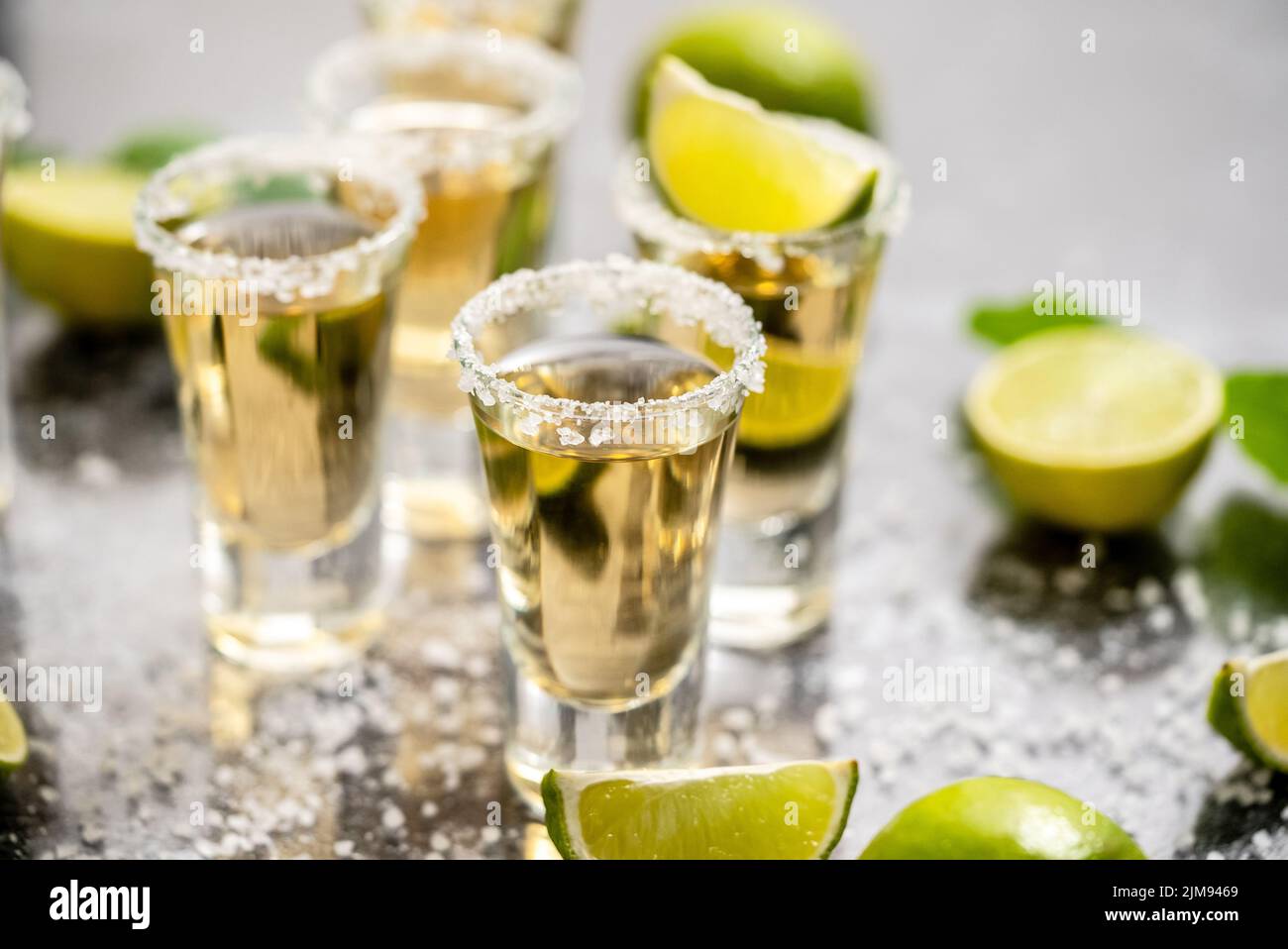
Alcohol like tequila primarily includes other Mexican agave-based spirits such as Mezcal, Raicilla, and Bacanora, as well as the desert-spoon-based Sotol. These spirits share tequila’s earthy, vegetal, and often citrusy profiles, though they vary significantly in smoke intensity, production methods, and the specific species of agave plant used during distillation.
For those who enjoy the crisp, herbaceous bite of a Blanco tequila or the oak-aged complexity of an Añejo, the world of agave spirits offers a vast landscape of flavors. While tequila is the most famous export of Mexico, it is actually a specific sub-category of a much larger family. By 2026, the global spirits market has seen a massive surge in "Agave-Adjacent" spirits, driven by a consumer desire for artisanal production and distinct regional expressions. To find a spirit like tequila, one must first understand that tequila is defined by strict geographical and botanical boundaries—specifically, it must be made from Agave tequilana Weber var. azul (Blue Weber Agave) within certain Mexican states. Spirits that fall outside these narrow definitions provide the most direct alternatives.
The Agave Family: Understanding Tequila’s Closest Relatives
To find an alcohol like tequila, you must look at the broader category of "Mezcal." Historically, tequila was simply a type of mezcal produced in the region around the town of Tequila in Jalisco. Today, the legal definitions (Denominations of Origin) separate them, but their DNA remains linked.
Mezcal: The Diverse Ancestor
Mezcal is the most popular alternative to tequila. While tequila is steamed in industrial ovens (autoclaves) or masonry ovens (hornos), mezcal is traditionally produced by roasting agave hearts (piñas) in underground pits lined with hot rocks. This process imparts the characteristic smokiness that many people associate with the category.
However, not all mezcal is aggressively smoky. In 2026, many producers focus on "Ancestral" or "Artesanal" methods that emphasize the floral and mineral notes of the plant rather than the fire. If you enjoy Tequila Blanco, look for a Mezcal Joven made from Espadín agave. Espadín is a genetic cousin to the Blue Weber agave used in tequila, offering a similar balance of sweetness and acidity but with a more complex, earthy finish.
Raicilla: The "Moonshine" of Jalisco
For centuries, Raicilla was considered a bootleg spirit, but it has recently gained its own Denomination of Origin. Produced primarily in the state of Jalisco—the same home as tequila—Raicilla uses different varieties of agave, such as Maximiliana or Inaequidens.
The flavor profile of Raicilla is often described as more "funky" or "wild" than tequila. Because many Raicilla producers use traditional copper or even wood-stilled methods, the spirit retains more of the agave’s raw, vegetal character. It is an excellent choice for those who find tequila a bit too polished and want a more rustic, adventurous experience.
Non-Agave Spirits with Tequila-Like Profiles
While agave is the heart of the tequila experience, other plants and distillation styles can mimic its flavor profile. If you are looking for an alcohol like tequila but want to step outside the agave category entirely, several options exist that prioritize minerality, vegetal notes, and brightness.
Sotol: The Spirit of the Desert Spoon
Often grouped with agave spirits, Sotol is actually made from a different plant: Dasylirion wheeleri, commonly known as the Desert Spoon. This plant grows wild in the Chihuahuan Desert of Northern Mexico and the Southwestern United States.
Sotol is remarkably similar to tequila in its structure but differs in its "forest-like" nuances. While tequila tends to be fruity or peppery, Sotol often presents notes of pine, eucalyptus, and wet earth. For a tequila lover, a "Plata" (unaged) Sotol provides a familiar clean finish with a fascinatingly different aromatic bouquet.
Haitian Clairin: The Rum for Tequila Drinkers
Clairin is a traditional Haitian spirit made from sugarcane, but it bears little resemblance to the sweet, molasses-based rums found in most bars. Clairin is often distilled from fresh sugarcane juice using wild yeast and small pot stills.
The result is a spirit that is high in esters, giving it a pungent, vegetal, and "grassy" profile that mimics the raw agave notes found in high-quality Blanco tequilas. If you enjoy the "green" flavors of a lowland tequila, a bottle of Clairin Sajous or Clairin Vaval will provide a surprisingly similar sensory experience.
Comparing Tequila Alternatives
When searching for a substitute, it is helpful to compare the primary characteristics of each spirit against the standard tequila profile. The following table highlights the key differences in production and flavor for the most common tequila-like alcohols.
| Spirit | Base Plant | Primary Region | Typical Flavor Profile | Smoke Level |
|---|---|---|---|---|
| Tequila | Blue Weber Agave | Jalisco, MX | Citrus, Pepper, Sweet Agave | None to Very Low |
| Mezcal | Various Agaves | Oaxaca, MX | Earth, Mineral, Floral | Moderate to High |
| Raicilla | Wild Agaves | Jalisco Coast/Mtn | Tropical Fruit, Funk, Herbal | Low to Moderate |
| Bacanora | Pacifica Agave | Sonora, MX | Dry, Peppery, Roasted Nut | Moderate |
| Sotol | Desert Spoon | Chihuahua, MX | Pine, Grass, Menthol | Low |
| Clairin | Sugarcane | Haiti | Grassy, Brine, Tropical Fruit | None |
Technical Differences in Production Methods
The reason these spirits taste "like" tequila—but distinct from it—lies in the chemistry of their production. Tequila production has become highly standardized. The use of the diffuser (a high-tech extraction machine) in some mass-market tequilas strips away many of the volatile compounds that give agave its soul.
In contrast, most alternatives like Mezcal or Bacanora rely on traditional fermentation. In these processes, "wild" or ambient yeasts are allowed to ferment the agave sugars in open-air vats. This introduces complex acids and esters that you won't find in industrial tequila. If you are looking for an alcohol like tequila because you appreciate the craft of distillation, moving toward artesanal Mezcal or Raicilla is a logical progression.
The Role of Terroir
Just as with wine, the environment where the plant grows matters. Tequila is restricted to specific regions, mostly in Jalisco. However, an agave spirit produced in the high deserts of San Luis Potosí will taste vastly different due to the soil’s mineral content and the higher altitude. Spirits like Bacanora from the state of Sonora often have a distinctive "dusty" or "dry" minerality because the plants must survive in much harsher, more arid conditions than the lush fields of Jalisco.
Global Agave Spirits: Tequila Style Outside of Mexico
By 2026, the "Agave Spirit" category has expanded far beyond the borders of Mexico. Because the terms "Tequila" and "Mezcal" are protected by international trade agreements (similar to Champagne), producers in other countries must label their products simply as Agave Spirits.
- South African Agave Spirits: South Africa has a long history of growing Agave americana, which was originally brought to the region for fencing. Distillers in the Karoo desert are now producing world-class spirits that mimic the Highland style of tequila—sweet, floral, and very smooth.
- Australian Agave: In the northern regions of Australia, massive plantations of Blue Weber agave (the same species used for tequila) are now reaching maturity. These spirits are often processed using modern technology similar to the top tequila distilleries, resulting in a product that is functionally identical to high-end tequila but carries a unique "Australian" terroir.
- American Agave Spirits: Distillers in California and Texas are experimenting with both locally grown agave and imported agave nectar. While the flavor profiles vary wildly, many California agave spirits emphasize the bright, citrusy notes often found in premium Blanco tequilas.
Choosing the Right Alternative for Your Preferences
If you are looking for an alcohol like tequila for a specific cocktail or occasion, consider these recommendations based on your favorite tequila style:
- If you like Tequila Blanco: Try an unaged Sotol or a Mezcal Espadín. These will provide that same clear, vibrant energy but with a slightly more complex herbal background.
- If you like Tequila Reposado: Look for a Reposado Mezcal. The brief aging in oak softens the smoke and adds vanilla and honey notes that bridge the gap between the two categories perfectly.
- If you like Tequila Añejo: Try an Extra Añejo Agave Spirit from Australia or the US. Because these regions aren't bound by the same strict aging laws as Mexico, you can often find unique barrel finishes (like French Oak or Ex-Cognac casks) that provide even more depth than a standard tequila.
- If you like the "Bite" of Tequila: Try Haitian Clairin. Its high proof and raw sugarcane intensity provide the same "kick" and structural integrity in cocktails like the Margarita or Paloma.
Frequently Asked Questions
Is Mezcal just smoky tequila?
Not exactly. While both are made from agave, tequila must be made from one specific species (Blue Weber) and is usually steamed. Mezcal can be made from over 30 different species of agave and is typically roasted in underground pits, which creates the smoke. Think of tequila as a specific type of mezcal, much like Bourbon is a specific type of Whiskey.
Can I use Sotol as a 1:1 replacement for tequila in margaritas?
Yes. Sotol works exceptionally well in margaritas. Because it has a grassy and earthy profile, it pairs beautifully with fresh lime juice and agave nectar. You may find that a Sotol margarita tastes "fresher" or more "botanical" than one made with tequila.
Is Bacanora legal in the United States and Europe in 2026?
Yes, Bacanora is legal and widely exported. For many years (1915–1992), Bacanora was actually illegal to produce in Mexico, which led to its reputation as a "wild" or "forbidden" spirit. Today, it is a highly regulated and premium product with its own Denomination of Origin.
Why is Raicilla more expensive than most tequilas?
Raicilla is often more expensive because it is produced in very small batches using labor-intensive, ancestral methods. The agave plants used for Raicilla often grow in hard-to-reach mountainous or coastal areas and can take 10 to 15 years to mature, compared to the 6 to 7 years for commercial Blue Weber agave.
Are there any non-alcoholic spirits like tequila?
By 2026, the non-alcoholic spirits market has matured significantly. Several brands now produce "Teal-style" non-alcoholic distillates that use extracts of agave, capsaicin (for the "burn"), and botanical terpenes to mimic the flavor of tequila without the ethanol.
Next Actions for Enthusiasts
If you are ready to explore alcohol like tequila, your next step should be a comparative tasting. Start by purchasing a bottle of Mezcal Espadín from a reputable producer (look for "Artesanal" on the label). Compare it side-by-side with your favorite tequila.
To expand further, seek out a specialized agave bar. In 2026, many major cities have dedicated "Mezcalereas" that offer flights of Raicilla, Sotol, and Bacanora. This allows you to experience the vast spectrum of flavors without committing to a full bottle. Always look for the NOM (Norma Oficial Mexicana) number on the back of the bottle; this four-digit code identifies the specific distillery and ensures you are drinking an authentic Mexican spirit.