Alcide IO provided a comprehensive cloud-native security platform designed to secure Kubernetes workloads, microservices, and multi-cloud infrastructure through continuous runtime security, vulnerability scanning, and configuration compliance.
Introduction to Cloud-Native Security and Alcide IO
The rapid shift toward containerized applications and microservices architectures has fundamentally altered how organizations approach cybersecurity. Traditional perimeter-based defenses are inadequate for protecting dynamic, ephemeral cloud environments where workloads scale up and down in seconds. In response to these modern engineering challenges, specialized platforms emerged to secure the cloud-native software development lifecycle. Among these innovators was Alcide IO, a cloud security posture management (CSPM) and Kubernetes security posture management (KSPM) pioneer that focused heavily on securing the Kubernetes control plane, service meshes, and container workloads.
Understanding the architecture and capabilities of Alcide IO requires examining how cloud security evolved to meet the demands of container orchestration. Organizations transitioning to cloud-native models face unique vulnerabilities, ranging from misconfigured Kubernetes API servers to unpatched container images and overly permissive access controls. Alcide IO addressed these issues by offering holistic visibility, real-time threat intelligence, and automated compliance auditing across hybrid and multi-cloud environments. This overview explores the core architecture, key features, operational benefits, and enterprise considerations associated with the platform.
The Evolution of Kubernetes and Cloud-Native Security
To fully understand the role Alcide IO played in the security ecosystem, it is essential to examine the security gaps inherent in early container deployments. When Docker and Kubernetes revolutionized application deployment, they introduced operational efficiencies that traditional virtual machine architectures could not match. However, this speed often came at the expense of security oversight. Developers frequently deployed applications without adequate guardrails, leading to widespread misconfigurations in cluster manifests, network policies, and role-based access control (RBAC) settings.
Kubernetes environments are complex systems composed of numerous interconnected components, including the API server, etcd database, kubelet, container runtime, and ingress controllers. Securing this attack surface requires continuous monitoring of both declarative configuration files (Infrastructure as Code) and running cluster states. Alcide IO was engineered to bridge this visibility gap, providing security operations (SecOps) and DevOps teams with the tools necessary to detect anomalies before they could be exploited by malicious actors or leveraged in lateral movement attacks.
Core Architectural Pillars
The architecture of Alcide IO was built upon several foundational pillars designed to secure the entire application lifecycle, from build-time development to runtime execution:
- Posture Management: Continuous auditing of Kubernetes clusters, worker nodes, and cloud provider configurations against industry benchmarks such as the Center for Internet Security (CIS) benchmarks.
- Vulnerability Assessment: Deep scanning of container images, registries, and Kubernetes manifests for known Common Vulnerabilities and Exposures (CVEs).
- Runtime Security: Behavioral analysis and anomaly detection within container runtime environments to flag suspicious process executions or unauthorized network connections.
- Microsegmentation and Network Policies: Automated generation and enforcement of Kubernetes NetworkPolicies to restrict east-west traffic between microservices.
Key Features and Capabilities of Alcide IO
Alcide IO offered a robust suite of modules tailored to address the multi-layered security requirements of enterprise Kubernetes deployments. By integrating directly into the continuous integration and continuous deployment (CI/CD) pipeline, the platform enabled "shift-left" security practices, ensuring that vulnerabilities were identified and remediated long before code reached production environments.
Kubernetes Security Posture Management (KSPM)
At the heart of the platform was its KSPM engine, which continuously evaluated cluster configurations against security best practices and compliance frameworks. Kubernetes clusters are notoriously difficult to configure securely out of the box. Default settings often leave administrative ports exposed or fail to enforce proper authorization constraints.
Alcide Advisor, a flagship component of the Alcide security offering, acted as an automated security scanner for Kubernetes manifests and live clusters. It inspected Helm charts, Terraform scripts, and raw YAML configurations to identify misconfigurations such as:
- Containers running with root privileges.
- Missing resource limits leading to potential denial-of-service (DoS) vulnerabilities.
- Overly permissive Role-Based Access Control (RBAC) rules granting broad cluster administrative rights.
- Unencrypted secrets stored within the cluster.
Runtime Threat Defense
While posture management focuses on preventative controls, runtime security addresses active threats. Alcide IO utilized kernel-level tracing and behavioral monitoring to detect abnormal activities inside running containers. If an attacker managed to compromise a container via a web application vulnerability, the platform's runtime defense mechanism could identify unauthorized actions—such as shell access, package manager executions, or unexpected outbound network connections—and generate real-time alerts or automated mitigation responses.
Network Microsegmentation
Traditional network security relies on perimeter firewalls that are ineffective inside a dynamic container cluster where pods communicate constantly across nodes. Alcide IO introduced intelligent network visibility tools that analyzed actual traffic flows between microservices. Based on observed communications, the platform could automatically generate granular Kubernetes NetworkPolicies, ensuring that pods could only communicate with explicitly authorized services and drastically reducing the potential blast radius of a security breach.
Comparative Analysis: Alcide IO Capabilities
To understand how cloud-native security platforms function within an enterprise technology stack, it is helpful to evaluate their core functional areas against traditional security tools.
| Security Domain | Traditional Security Approach | Alcide IO Cloud-Native Approach |
|---|---|---|
| Visibility | Perimeter firewalls and OS-level agents | Deep cluster topology mapping and API server inspection |
| Configuration Audit | Periodic manual reviews and scripts | Continuous automated scanning against CIS benchmarks |
| Vulnerability Scanning | Host-based scanners run during maintenance windows | Real-time image scanning integrated into CI/CD pipelines |
| Network Security | VLANs and static subnet segmentation | Dynamic, intent-based Kubernetes NetworkPolicies |
| Compliance Reporting | Manual generation of audit documentation | Automated, continuous compliance posture tracking |
Enterprise Integration and CI/CD Pipeline Alignment
Modern software delivery models require security tools to operate seamlessly within automated development pipelines without creating bottlenecks for engineering teams. Alcide IO was designed with developer-first principles, allowing security guardrails to be embedded directly into orchestration workflows.
Shifting Left in Development
By integrating scanning capabilities into popular CI/CD tools such as Jenkins, GitLab CI, and GitHub Actions, development teams could catch security regressions before code was merged into main branches. If a developer introduced a container image with critical vulnerabilities or submitted a Kubernetes deployment manifest that violated corporate security policies, the pipeline could automatically fail or flag the issue for review. This proactive approach significantly reduced the cost and effort associated with fixing security flaws late in the development cycle.
Multi-Cloud and Hybrid Deployment Support
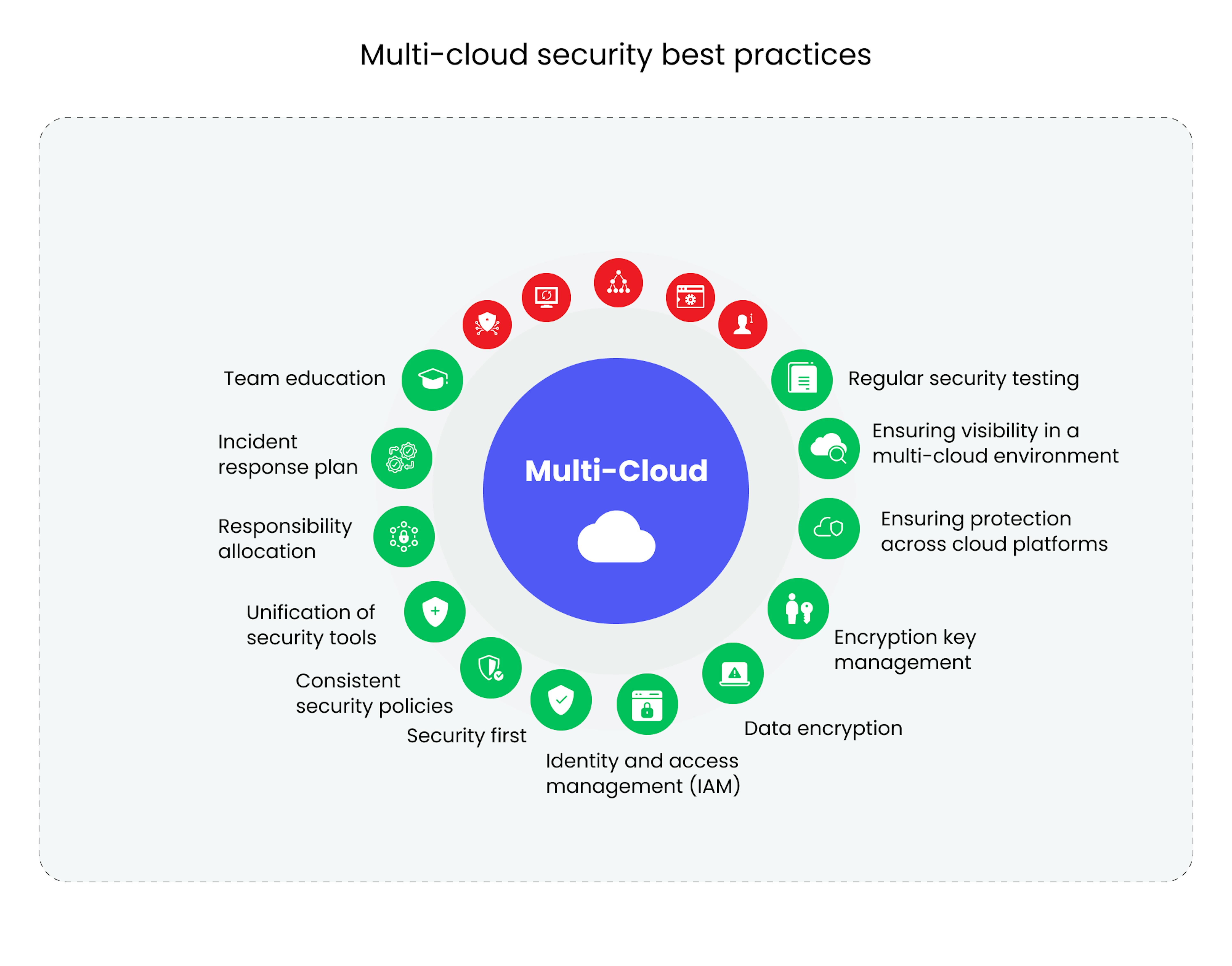
Enterprise organizations rarely operate within a single cloud provider. Many utilize a mix of Amazon Web Services (AWS Elastic Kubernetes Service), Microsoft Azure (Azure Kubernetes Service), Google Cloud Platform (Google Kubernetes Engine), and on-premises deployments using VMware or bare-metal infrastructure. Alcide IO provided a centralized management plane that aggregated security telemetry across these disparate environments, offering security teams a single pane of glass to monitor risk scores, prioritize remediation efforts, and enforce uniform security baselines across the entire enterprise footprint.
Frequently Asked Questions
What was the primary focus of Alcide IO?
Alcide IO specialized in cloud-native application protection platforms (CNAPP), with a primary emphasis on Kubernetes security posture management (KSPM), runtime threat defense, vulnerability scanning, and automated network microsegmentation for containerized workloads.
How did Alcide IO integrate with CI/CD pipelines?
The platform integrated directly into software delivery pipelines through specialized plugins and command-line tools. These integrations allowed automated security scans of container images, Helm charts, and Kubernetes deployment manifests during the build and test phases.
What compliance frameworks did Alcide IO support?
Alcide IO supported numerous industry standards and compliance frameworks, including Center for Internet Security (CIS) benchmarks for Kubernetes, the Health Insurance Portability and Accountability Act (HIPAA), Payment Card Industry Data Security Standard (PCI-DSS), and SOC 2.
How did Alcide IO handle network security in Kubernetes?
Unlike traditional perimeter firewalls, Alcide IO analyzed real-time traffic flows between microservices and automatically generated least-privilege Kubernetes NetworkPolicies to restrict unauthorized east-west communication within the cluster.
What is Kubernetes Security Posture Management (KSPM)?
KSPM refers to a category of security tooling designed to continuously assess Kubernetes clusters for misconfigurations, compliance violations, weak access controls, and infrastructure vulnerabilities, helping organizations maintain a secure operational baseline.
Conclusion and Strategic Next Steps
Cloud-native security requires specialized tools that understand the ephemeral, declarative nature of container orchestration platforms like Kubernetes. Platforms like Alcide IO demonstrated the importance of combining preventative posture management with real-time runtime threat detection and developer-friendly CI/CD integrations. For organizations operating modern containerized environments, establishing comprehensive visibility into cluster configurations, enforcing strict RBAC policies, and maintaining continuous vulnerability management remain critical components of a mature cybersecurity posture. Reviewing current cluster manifests, auditing RBAC permissions, and implementing automated compliance checks are essential next steps for maintaining robust cloud-native security operations.