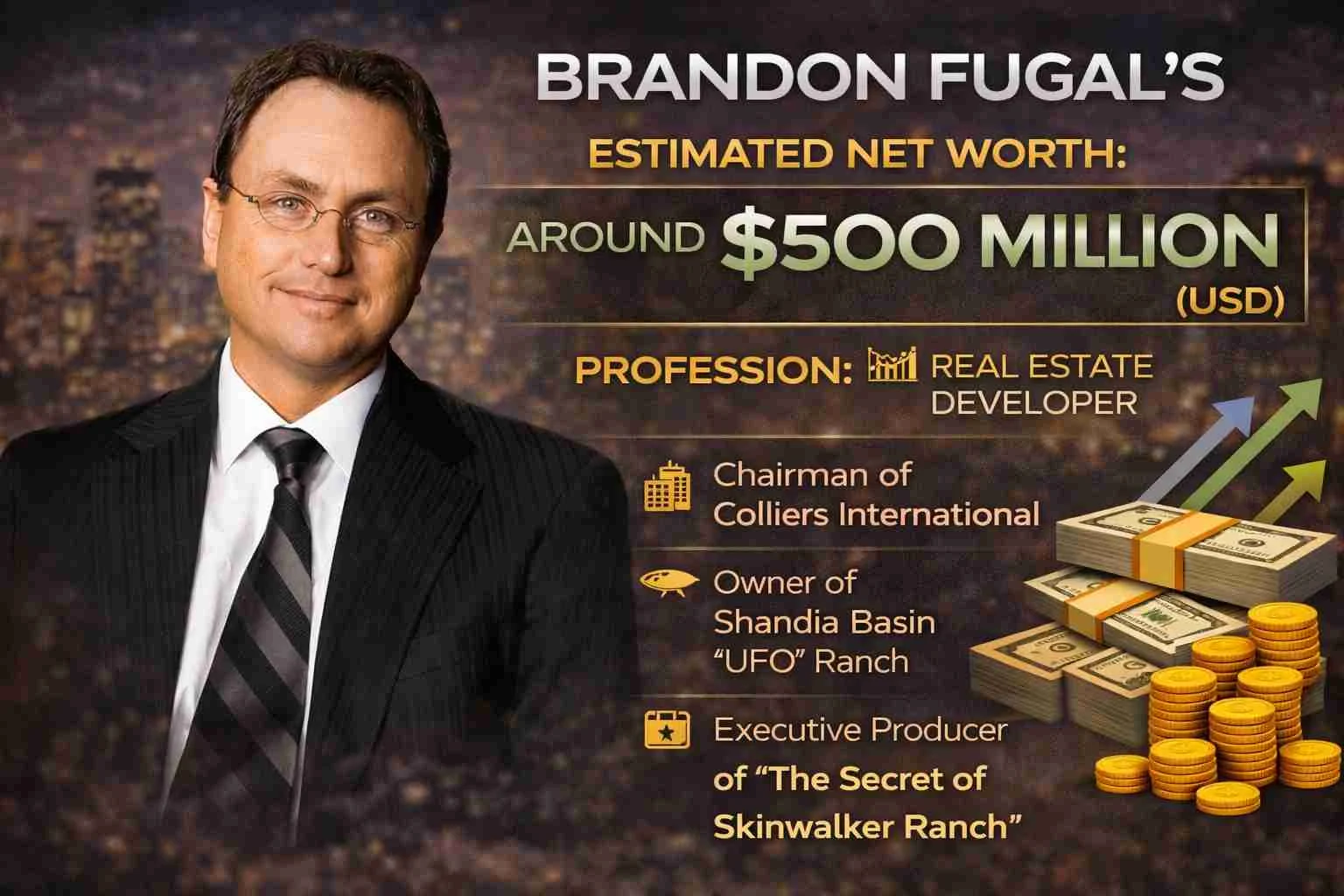
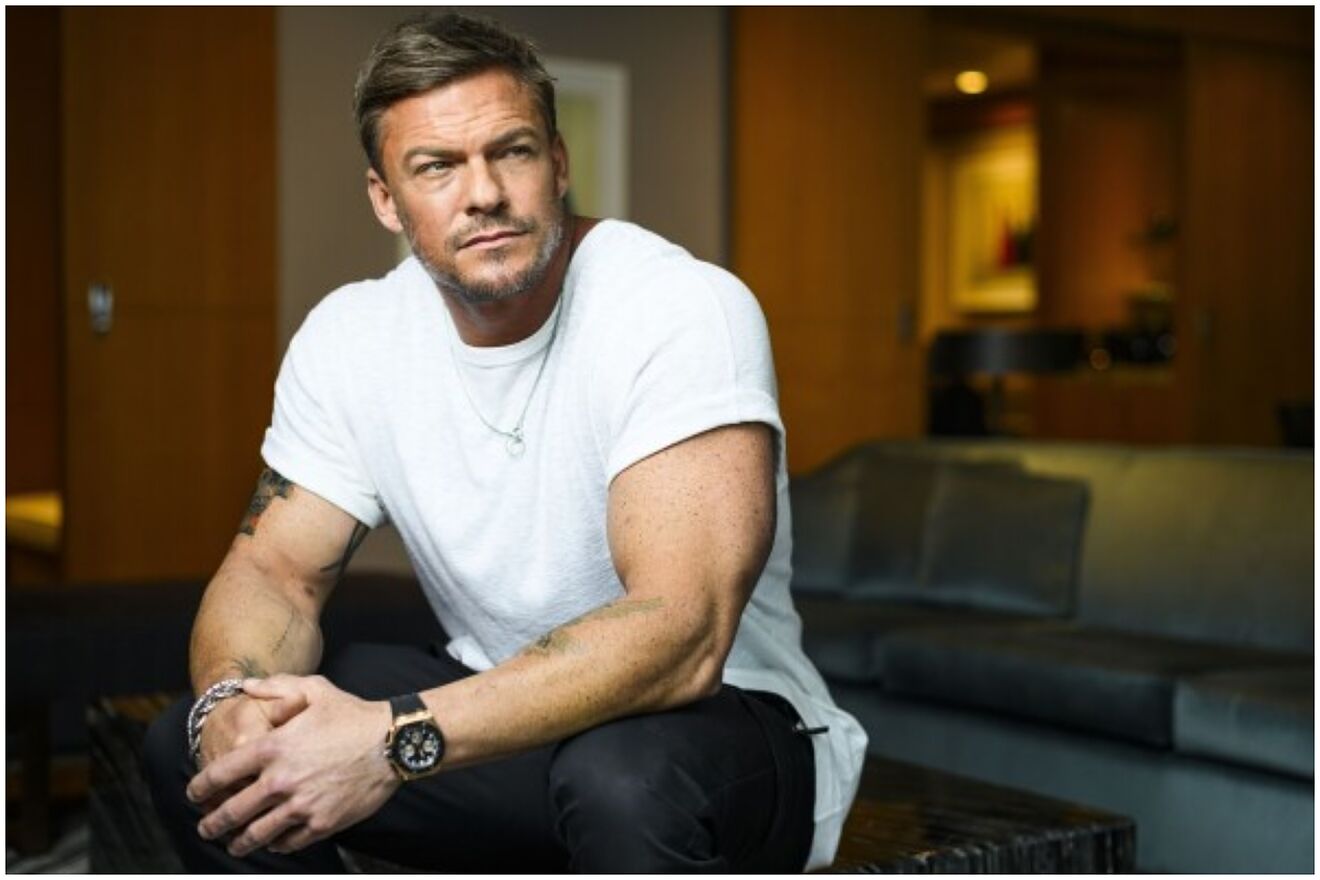
Alan Scantland’s net worth is estimated to be between $250 million and $450 million as of 2026. This valuation is primarily derived from the landmark $1.1 billion acquisition of CoverMyMeds by McKesson Corporation, his previous success with MemberHealth, and his subsequent career as a venture capitalist and philanthropist.
The trajectory of Alan Scantland’s wealth is not merely a story of a single successful exit but a masterclass in identifying systemic inefficiencies within the American healthcare system and scaling technological solutions to meet those needs. To understand the "explained" nature of his net worth, one must look at the sequence of liquidity events, the structure of modern healthcare IT acquisitions, and the compounding nature of private equity investments in the Ohio tech ecosystem.
The Foundation of Wealth: The CoverMyMeds Multi-Billion Dollar Exit
The most significant contributor to Alan Scantland’s financial standing is his role as a co-founder and former CEO of CoverMyMeds. Founded in 2008 alongside Matt Scantland and Sam Rajan, the company addressed a massive bottleneck in the pharmaceutical industry: the "prior authorization" (PA) process.
Prior authorization is a requirement from health insurance companies that doctors obtain approval before prescribing specific medications. Before CoverMyMeds, this process was manual, involving thousands of phone calls and faxes, leading to abandoned prescriptions and poor patient outcomes. Scantland’s leadership helped scale a platform that automated this, creating value for pharmacies, providers, and payers alike.
The McKesson Acquisition Details
In 2017, the global healthcare giant McKesson Corporation announced it would acquire CoverMyMeds. The deal was structured with a significant upfront payment and performance-based incentives:
- Initial Purchase Price: Approximately $1.1 billion in cash.
- Contingent Consideration: Up to an additional $200 million based on the company’s financial performance through 2019.
- Total Potential Value: $1.3 billion.
While the exact equity split among founders and early investors (including Francisco Partners) remains private, a co-founder and CEO in Scantland’s position typically retains a substantial percentage of the company. Even after accounting for venture capital dilution and tax obligations, the liquidity event from this single transaction propelled Scantland into the top tier of American wealth.
Career Trajectory Before CoverMyMeds: The MemberHealth Era
Alan Scantland’s wealth did not begin with CoverMyMeds. He had already established a successful track record in the healthcare sector, which provided the "seed wealth" necessary to co-found and bootstrap early stages of new ventures.
Prior to CoverMyMeds, Scantland served as an executive at MemberHealth, a pharmacy benefits manager (PBM) that focused on Medicare Part D plans. MemberHealth experienced explosive growth following the implementation of the Medicare Modernization Act. In 2007, MemberHealth was acquired by Universal American Corp. for approximately $630 million.
This earlier exit is crucial to explaining his current net worth for two reasons:
- Capital Reserves: It provided the personal liquidity to launch CoverMyMeds without immediately surrendering control to outside venture capitalists.
- Industry Expertise: It solidified his reputation, making CoverMyMeds an attractive target for later-stage institutional investors who value "repeat founders."
Post-Exit Financial Strategy: Venture Capital and NCT Ventures
Since the McKesson acquisition, Scantland has transitioned from an operator to an investor. Most of his "active" wealth is managed and grown through private equity and venture capital. He has been a prominent partner at NCT Ventures, a Columbus-based firm that invests in early-stage technology companies.
By reinvesting his proceeds into the next generation of SaaS (Software as a Service) and healthcare IT companies, Scantland utilizes a strategy of "wealth compounding." Venture capital investments in the Midwest often yield high returns due to lower entry valuations compared to Silicon Valley, and Scantland’s deep domain expertise allows him to perform superior due diligence on potential portfolio companies.
Diversification of Assets
By 2026, a sophisticated portfolio like Scantland’s is typically diversified across several asset classes:
- Private Equity: Direct stakes in burgeoning tech startups.
- Public Equities: Likely a significant holding in McKesson stock (often part of acquisition packages) and broad market indexes.
- Real Estate: Significant holdings in the Columbus, Ohio area, including both personal residential estates and commercial developments.
- Fixed Income: High-yield municipal bonds or corporate debt to preserve capital.
The Scantland Family Foundation and Philanthropic Impact
A significant portion of Scantland’s wealth is now directed through the Scantland Family Foundation. In the world of high-net-worth individuals, philanthropy is often a reflection of "surplus wealth"—money that has been moved out of the personal taxable estate into a charitable vehicle.
The foundation has made headlines for its support of the Columbus Museum of Art, specifically through the Scantland Collection. In 2021, the family committed to gifting 27 contemporary artworks to the museum and pledged ongoing support. These philanthropic efforts serve as a public indicator of the scale of his net worth; generally, families do not make multi-million dollar art endowments unless their total net worth is well into the nine-figure range.
Estimating the 2026 Figures: A Technical Analysis
Calculating a private individual’s net worth requires analyzing public liquidity events and adjusting for market growth. In the table below, we break down the estimated components of Alan Scantland's financial profile.
| Financial Milestone | Estimated Impact/Value | Year | Primary Source/Entity |
|---|---|---|---|
| MemberHealth Sale | $25M - $50M (Estimated Stake) | 2007 | Universal American Acquisition |
| CoverMyMeds Sale | $200M - $350M (Estimated Stake) | 2017 | McKesson Corporation |
| Venture Capital Growth | $40M - $60M (Portfolio Gains) | 2018-2026 | NCT Ventures / Private Investments |
| Real Estate & Personal Assets | $15M - $25M | 2026 | Ohio Properties & Art Collections |
| Estimated Net Worth | $250M - $450M | 2026 | Aggregate Valuation |
Note: These figures are estimates based on public transaction data and standard equity distributions for founding executives in the healthcare IT sector. They do not account for private debt, undisclosed taxes, or private spending.
Why This Wealth Matters to the Tech Ecosystem
Alan Scantland’s wealth is significant because it represents more than just a personal bank balance; it represents the "recycling of capital" in the Midwest. Unlike some founders who exit and move to traditional financial hubs, Scantland remained in Ohio.
This has had a "multiplier effect" on the local economy:
- Angel Investing: Providing early-stage checks to Ohio startups that might be ignored by coastal VC firms.
- Mentorship: Using his experience to guide younger CEOs through the complexities of HIPAA compliance and pharmaceutical regulations.
- Talent Magnet: The success of his ventures proved that billion-dollar "unicorns" could be built in Columbus, attracting top-tier engineering talent to the region.
Common Misconceptions About Healthcare Billionaires
When explaining the net worth of a figure like Scantland, it is important to clarify how "billion-dollar company sales" translate to individual wealth. Many observers assume that a $1.1 billion sale means the founder receives $1.1 billion. In reality:
- Venture Capital Preference: Early investors (like Francisco Partners in the case of CoverMyMeds) often have "liquidation preferences," meaning they get their money back plus a percentage before the founders receive their share.
- Taxation: Large exits are subject to capital gains taxes. Depending on the timing and structure (such as Qualified Small Business Stock or QSBS treatment), these taxes can range from 20% to nearly 40% when state taxes are included.
- Escrow and Earn-outs: Often, a portion of the sale price (usually 10-15%) is held in escrow for 18-24 months to cover any legal or financial discrepancies found after the deal closes.
FAQs About Alan Scantland's Wealth
Was Alan Scantland a billionaire after the CoverMyMeds sale?
While the company sold for over a billion dollars, Alan Scantland’s personal share, after taxes and distributions to other founders and venture capital partners, likely placed him in the multi-hundred-millionaire category rather than the billionaire category. The sale was split among multiple stakeholders and several hundred employees who held stock options.
What is Alan Scantland's current role in 2026?
As of 2026, Alan Scantland primarily operates as an advisor and investor. He remains active in the Columbus business community, focusing on venture capital through NCT Ventures and overseeing the Scantland Family Foundation's various philanthropic and art-related initiatives.
How did the McKesson deal affect his net worth?
The McKesson deal was the primary liquidity event of his career. It converted his illiquid "paper wealth" (equity in a private company) into cash and potentially McKesson (MCK) stock. This allowed for the diversification of his assets into the broad portfolio he manages today.
Does Alan Scantland still own CoverMyMeds?
No. CoverMyMeds is a wholly-owned subsidiary of McKesson Corporation. While he and his co-founders stayed on for a transition period following the 2017 acquisition to ensure operational continuity, the ownership of the entity and its intellectual property belongs to McKesson.
What industries does he invest in now?
Through his venture capital work, he focuses largely on healthcare information technology (HCIT), financial technology (FinTech), and logistics—sectors that are prominent in the Midwestern United States and align with his operational expertise.
Summary of Financial Standing
Alan Scantland’s wealth is a product of disciplined entrepreneurship in the healthcare technology space. By solving a fundamental friction point in patient care—the delay in prescription approvals—he created a company with immense strategic value to a global distributor like McKesson. His current net worth reflects the successful exit of that venture, the prudent reinvestment of capital into new technology startups, and a long-term commitment to asset growth through NCT Ventures. For those tracking the "Ohio Renaissance" in technology, Scantland remains a primary example of how regional innovation can lead to significant private wealth and community impact.