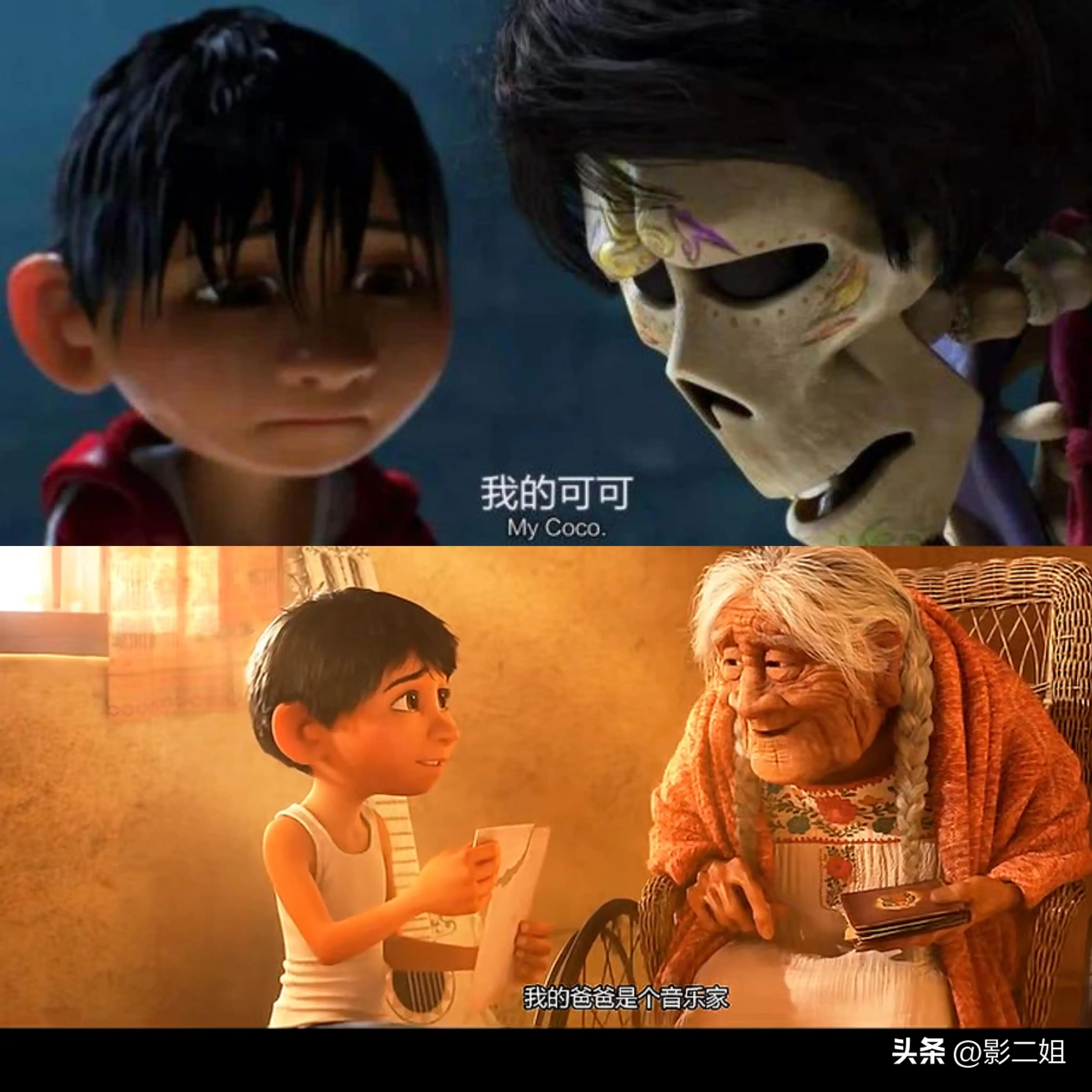
In the world of Pixar’s Coco, the "Final Death" occurs when there is no one left in the Land of the Living to remember a deceased person. Once the last living soul who held a personal memory of the departed passes away or forgets them, the spirit vanishes from the Land of the Dead, turning into golden dust and ceasing to exist in any known form.
The concept of the Final Death is the emotional and narrative engine of Coco. While the film presents a vibrant, neon-colored afterlife where the dead coexist in a bustling metropolis, this existence is precarious. It is not an eternal state but one maintained entirely by the power of human memory. To understand what happens after the Final Death, we must look at the mechanics of the film's universe, the cultural traditions that inspired it, and the existential implications of being "forgotten."
The Three Deaths: The Framework of Existence
To grasp the Final Death, one must first understand the hierarchy of mortality presented in the film. Although Coco is a fictional story, it draws heavily from Mexican folklore and the philosophies surrounding Día de los Muertos (Day of the Dead). In these traditions, "death" is not a single event but a journey through three distinct stages.
The First Death
The first death is the end of the physical body. This is the biological expiration that everyone recognizes—the moment the heart stops and the soul leaves the corporeal form. In the context of the movie, this is when a person transitions from the Land of the Living to the Land of the Dead.
The Second Death
The second death occurs when the body is lowered into the earth, returning to the elements. This stage is more about the physical disappearance of the person from the sight of the living. At this point, the person becomes a "spirit" and resides in the Land of the Dead, provided they are remembered.
The Third Death (The Final Death)
The Third Death—the Final Death—is the most definitive. It is the death of the memory. As explained by the character Héctor, "When there’s no one left in the living world who remembers you, you disappear from this world. We call it the Final Death." This death is irreversible and represents the total erasure of an individual’s consciousness from the afterlife.
The Visual and Narrative Representation of the Final Death
Pixar’s animators used specific visual cues to signify the gravity of the Final Death. We see this most poignantly through the character of Chicharrón, a friend of Héctor.
When Chicharrón reaches the end of his time because the last person who knew him in life is dying or has forgotten him, his spirit begins to glow with a flickering, orange light. He becomes translucent, and his form breaks apart into shimmering, golden particles—resembling the petals of the cempasúchil (Mexican Marigold). These particles eventually dissipate into the air, leaving behind only silence and his few remaining belongings.
Where Do the Spirits Go?
One of the most frequent questions from viewers is: "Where do they go after the golden dust fades?"
The film intentionally leaves this unanswered. Director Lee Unkrich and the creative team opted for ambiguity to respect various religious and philosophical beliefs. However, within the logic of the film, the "Final Death" is framed as a return to the universe. There is no indication of a "Higher Heaven" or a "Hell." Instead, the spirit simply ceases to be an individual entity. They become part of the "everything" again, much like the petals that form the bridge between worlds.
The Role of the Ofrenda and the "Photo Rule"
A common point of confusion is the difference between being remembered and having a photo on an ofrenda (altar). It is essential to distinguish between the two, as they govern different aspects of the afterlife.
- The Memory Requirement: This is what prevents the Final Death. As long as someone alive holds a "story" or a "memory" of you, you continue to exist in the Land of the Dead. This memory must be firsthand or passed down through oral tradition.
- The Photo Requirement: This is what allows a spirit to cross the Marigold Bridge on Día de los Muertos to visit the Land of the Living. Without a photo on an ofrenda, a spirit is "grounded." They still exist in the Land of the Dead, but they cannot see their families.
Héctor’s tragedy in the film is that he is facing both: he has no photo on an ofrenda, so he cannot visit his daughter, and his daughter (Coco) is losing her memory due to age, which would trigger his Final Death.
Comparison: Life, Death, and the Final Death in Coco
The following table breaks down the requirements for each state of existence according to the film’s established lore.
| State of Being | Location | Requirement for Entry | Risk of Transition |
|---|---|---|---|
| Living | Land of the Living | Birth | Biological failure (The First Death) |
| Dead (Remembered) | Land of the Dead | Passing the "First Death" | Being forgotten (The Final Death) |
| Visiting Spirit | Land of the Living (Temporary) | Photo on an Ofrenda | Sunrise/End of holiday |
| The Forgotten | Non-existence / Golden Dust | Loss of the last living memory | N/A (Finality reached) |
Cultural Origins of the Final Death Concept
While the "Final Death" is a central plot point in Coco, its roots in actual Mexican culture are nuanced. The idea of "three deaths" is a common folk-philosophical concept in Mexico and parts of Central America, though it is not a strict religious dogma.
The Importance of Oral Tradition
In many indigenous and mestizo cultures, the survival of an ancestor depends on the stories told by the living. This is why genealogies and family storytelling are so vital. If a name is no longer spoken, the person is truly gone. Pixar took this cultural value and literalized it into a "magical" mechanic where the soul's light is fueled by the vibration of memory.
Cempasúchil: The Flower of the Dead
The golden dust seen during the Final Death is visually linked to the cempasúchil flower. In traditional Mexican belief, the scent and bright color of these marigolds guide the souls back to their family homes. By turning the "forgotten" into the same material as these flowers, the film suggests a poetic cycle: those who are forgotten become the very path that helps others find their way back to be remembered.
Modern Implications: Memory in the Digital Age (2026 Perspective)
As of 2026, the themes of Coco have taken on a new dimension. In an era where digital footprints are nearly permanent, the concept of the Final Death feels more distant yet more complex.
Digital Immortality vs. Meaningful Memory
Does a social media profile or a digital archive count as "remembering"? In the logic of Coco, the memory seems to require a human connection. A server holding data is not the same as a heart holding a story. However, digital tools have made it easier for families to preserve those stories.
In the decade since the film's release, we have seen a surge in genealogical interest, with platforms like Ancestry and MyHeritage allowing people to "find" ancestors they never knew. According to the film’s rules, if a great-great-grandchild discovers a story about an ancestor and keeps it alive, that ancestor could theoretically be "revived" or sustained in the Land of the Dead, even if they were on the brink of the Final Death.
The Psychological Impact of the Final Death Narrative
The "Final Death" serves as a powerful metaphor for the fear of insignificance. It highlights the human desire for legacy.
- Grief and Healing: For many viewers, the concept provides a framework for grieving. It suggests that as long as we speak of those we have lost, they are not truly gone.
- Responsibility to Ancestry: The film places a "duty" on the living. It isn't just about the dead wanting to exist; it's about the living needing to know where they came from to understand who they are.
- The Tragedy of the Forgotten: Characters like Chicharrón represent the marginalized members of society—those without families or those whose histories were erased by poverty or tragedy. This adds a layer of social commentary to the film's fantasy setting.
Frequently Asked Questions
Can the Final Death be stopped?
The Final Death can be delayed indefinitely as long as the memory is passed to a younger generation. In the movie, Miguel prevents Héctor’s Final Death by singing "Remember Me" to Coco, which revitalizes her memory. She then passes the stories and letters of Héctor to the rest of the family, ensuring his memory survives for generations to come.
Does the Final Death happen to Alebrijes?
Alebrijes are spirit guides, not human souls. The film does not explicitly state that they are subject to the Final Death. Since they are manifestations of spirit and folk art, their existence seems tied to the Land of the Dead itself rather than specific individual memories from the living world.
What if a famous person is remembered by strangers?
The film implies that any memory—not just family memory—can sustain a soul. Ernesto de la Cruz was "immortal" in the Land of the Dead because of his worldwide fame. However, the film suggests that the quality of memory matters. Being remembered as a hero when you were a villain (as in Ernesto's case) creates a hollow existence, whereas being remembered with love (Héctor) is the ultimate goal.
Does the Final Death hurt?
When Chicharrón fades, he doesn't appear to be in physical pain, but there is a profound sense of weariness and sadness. He accepts his fate because he is tired and knows he can no longer "hold on." It is portrayed as a fading away rather than a violent destruction.
Is the "Final Death" a real religious belief?
It is a cultural concept rather than a formal religious one. Most Catholic traditions (the dominant religion in Mexico) believe in an eternal soul that goes to Heaven, Hell, or Purgatory regardless of whether people on Earth remember them. The "Final Death" is a poetic interpretation of Mexican folklore used for narrative effect.
Moving Forward: Preserving Your Own Legacy
While the Final Death is a fictional construct, the lesson it teaches—that our stories only live on if we tell them—is very real. To honor the themes explored in Coco, consider the following practical steps:
- Document Oral Histories: Record your parents or grandparents telling stories about their own childhoods. In 2026, high-fidelity audio and video recording are more accessible than ever; use them to create a "digital ofrenda."
- Maintain Physical Photos: While digital files are convenient, physical photos (like those used on ofrendas) have a tangible presence that encourages daily remembrance.
- Engage with Genealogy: Use modern databases to find the names of ancestors who may have been forgotten. Bringing a name back into the family conversation is, in the world of Coco, the greatest gift you can give the deceased.
The Final Death reminds us that we are all part of a chain. We exist because of those who came before us, and we will continue to "exist" only through the love and memory of those who follow.