When considering Aflac life insurance, it is essential to distinguish between the company's core supplemental offerings and their life insurance products, which are typically structured as term life policies. Aflac generally provides term life insurance designed for workplace benefits, focusing on specific coverage periods rather than the permanent, cash-value accumulation found in traditional whole life insurance policies.
The Role of Aflac in the Life Insurance Market
Aflac is widely recognized for its supplemental insurance products, such as accident, cancer, and disability coverage. However, the company also provides life insurance solutions, primarily offered through employers. Understanding the distinction between term and whole life insurance is critical for any policyholder, as these two products serve fundamentally different financial objectives.
In the insurance industry, life insurance is categorized into two primary types: permanent insurance (which includes whole life) and temporary insurance (term life). While some providers offer both in various formats, Aflac’s life insurance portfolio is specifically geared toward the needs of individuals seeking coverage during their working years. Determining which type is appropriate for you requires a review of your long-term financial goals, your budget, and the specific terms available through your employer’s benefit package.
Understanding Term Life Insurance
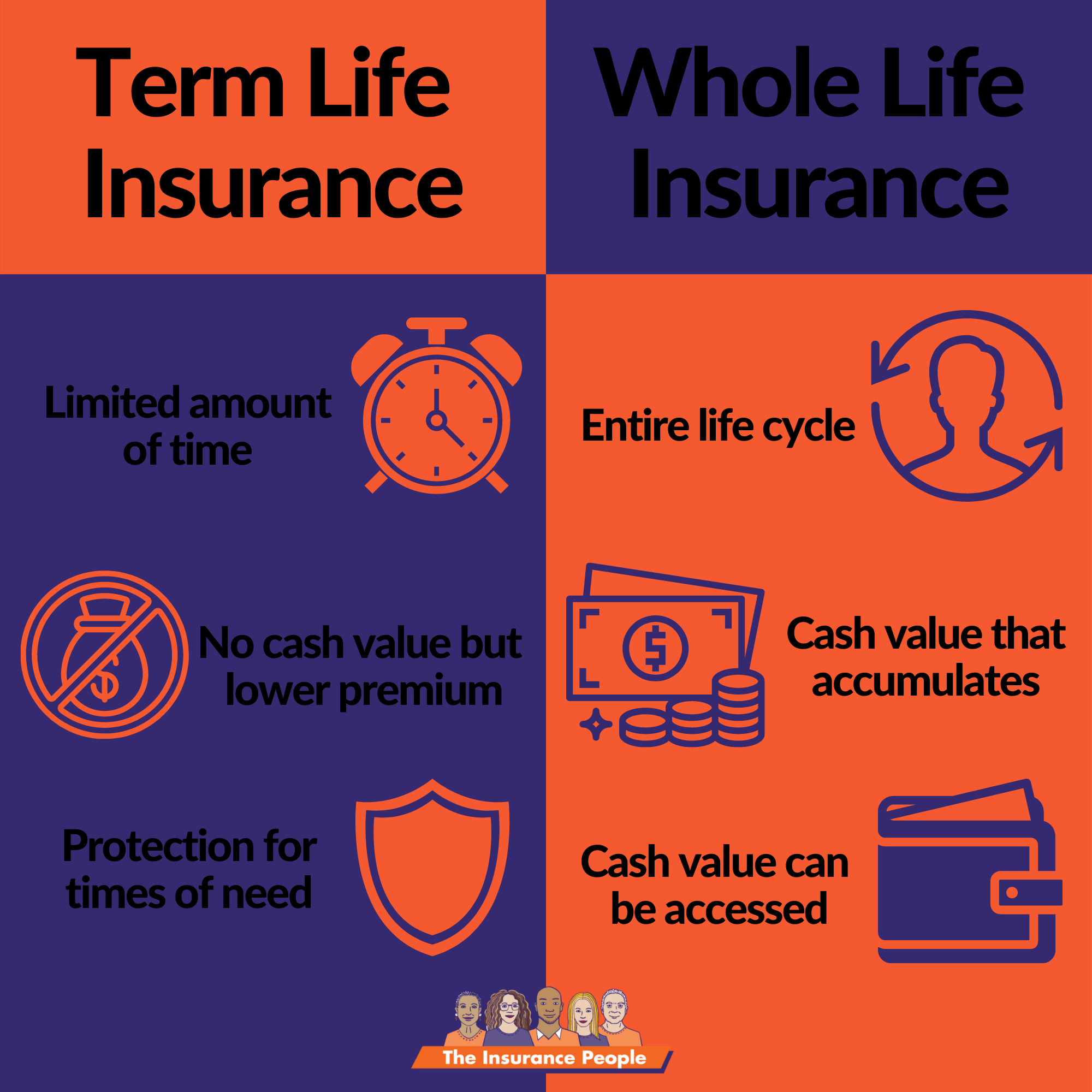
Term life insurance is the most straightforward type of coverage. It provides a death benefit to your beneficiaries if you pass away during a specified "term," typically ranging from 10 to 30 years. If the policy expires before the insured individual passes away, the coverage ends, and no benefit is paid.
The primary advantages of term life insurance are affordability and simplicity. Because these policies do not have an investment component, the premiums are generally lower than those for permanent policies. For many, term life is the ideal solution to cover specific financial obligations that will eventually be paid off, such as:
- Mortgages: Ensuring family members can remain in their home.
- Income Replacement: Supporting dependents during their most expensive years (such as during childhood or while they are in university).
- Debt Settlement: Covering personal loans or other liabilities.
Aflac’s term policies are often sold as voluntary benefits through a workplace program. This can be advantageous because group term life insurance may be offered with simplified underwriting, meaning you might be able to obtain coverage without a rigorous medical examination.
The Characteristics of Whole Life Insurance
Whole life insurance is a form of permanent coverage. Unlike term life, it is designed to last for the duration of the policyholder’s life, provided that the premiums are paid. The defining feature of whole life insurance is that it includes a "cash value" component. A portion of each premium payment is diverted into a tax-deferred savings account, which grows over time according to a set interest rate or the performance of the policy’s underlying assets.
Because whole life insurance combines a death benefit with a savings mechanism, the premiums are significantly higher than those for term life insurance. These policies are often used for:
- Estate Planning: Providing liquidity to cover estate taxes or to leave a legacy to heirs.
- Permanent Needs: Ensuring funds are available regardless of when the policyholder passes away, such as covering final expenses or providing for a dependent with special needs.
- Cash Reserves: Accessing the accumulated cash value through policy loans or withdrawals, though doing so can reduce the death benefit.
Comparing Term and Whole Life Coverage
Selecting between these two options involves weighing the cost against the necessity of permanent coverage. The following table outlines the fundamental differences between these two insurance structures:
| Feature | Term Life Insurance | Whole Life Insurance |
|---|---|---|
| Duration | Specific period (e.g., 20 years) | Lifetime (if premiums are paid) |
| Premiums | Generally low and fixed | Higher and fixed |
| Cash Value | None | Accumulates over time |
| Primary Goal | Protection during working years | Permanent protection and asset building |
| Complexity | Simple; easy to understand | Complex; includes investment elements |
| Availability | Common in employer benefits | Often sold as individual retail policies |
Evaluating Your Personal Needs in 2026
As of 2026, the economic environment continues to emphasize the need for cost-effective financial planning. If your primary objective is to provide a financial safety net for your family while your children are young or while your mortgage is being paid down, term life insurance is often the most efficient choice.
Conversely, if you are looking for an insurance product that doubles as a forced savings vehicle or a mechanism for intergenerational wealth transfer, you might require a whole life policy. However, it is vital to remember that Aflac’s product lineup is specialized. Before deciding, verify the specific product documents provided by your employer or an Aflac agent, as these documents contain the exact legal terms, exclusions, and limitations applicable to your policy.
Common Misconceptions About Workplace Life Insurance
Many employees make the mistake of assuming that their workplace life insurance policy is permanent or that it will follow them if they change jobs. Most group term life policies are tied directly to your employment. If you leave your position, you may lose your coverage or be forced to convert it into a much more expensive individual policy.
Furthermore, because Aflac is known for "gap" insurance—policies that pay cash directly to the insured to help with out-of-pocket costs—some assume their Aflac life insurance policy works similarly. Always distinguish between life insurance (which pays a benefit to your beneficiaries upon death) and supplemental health insurance (which pays you during your life to cover medical or incidental costs).
Practical Steps for Policyholders
- Request the Summary of Benefits: Before signing any document, obtain the official Summary of Benefits from your HR department or the Aflac representative. This document outlines exactly what is covered and under what conditions.
- Assess Your Liability: Calculate your "need" by totaling your outstanding debts, projected living expenses for dependents, and future education costs. If this number is high, ensure your term life coverage is sufficient.
- Check Portability: Ask your employer if your life insurance coverage is "portable." If it is, you may be able to take the policy with you if you change jobs, though your premiums might increase significantly once you are no longer paying via payroll deduction.
- Review Beneficiaries: Ensure that the beneficiaries named on your policy are current. Major life events, such as marriage, divorce, or the birth of a child, necessitate a review of your policy’s beneficiary designations.
Frequently Asked Questions
Does Aflac offer whole life insurance? Aflac primarily focuses on supplemental health products and group term life insurance. While some regional or legacy programs may exist, the company is best known for its term-based coverage in the workplace market. Always verify your specific policy type with your plan administrator.
Is it better to have term or whole life insurance? Neither is universally better; the choice depends on your financial timeline. Term life is better for temporary, high-risk periods when you have significant debts and dependents. Whole life is better for those seeking lifelong coverage and a tax-advantaged savings component.
Can I get Aflac life insurance if I am self-employed? Aflac products are most commonly available through employer-sponsored benefit plans. If you are self-employed, your access to these products may be limited unless you belong to a specific trade association or group that has negotiated access to Aflac benefits.
What happens to my Aflac term policy when the term ends? At the end of a term policy, coverage typically ceases. Some policies allow for conversion to a permanent policy, or renewal at a higher premium rate, but these features are subject to your specific policy’s terms. Check your contract for "renewal" or "conversion" clauses.
Are life insurance premiums tax-deductible? Generally, life insurance premiums are not tax-deductible for individuals. However, the death benefit paid to beneficiaries is usually received income-tax-free. Consult a tax professional regarding your specific situation and any potential estate tax implications.
Final Recommendation
To make an informed decision, prioritize reading your specific policy document provided by Aflac. If you find that the available term life coverage through your employer does not meet your long-term needs, consider speaking with an independent financial advisor who can review your entire insurance portfolio. They can help you determine if an individual life insurance policy—whether term or whole—should supplement the coverage you receive through your workplace. Always ensure that your life insurance choices align with your overall family budget and long-term wealth preservation goals.