Aetna Health and Life Insurance Company, a CVS Health company, offers Medicare Supplement Insurance—often called Medigap—to help fill the "gaps" in Original Medicare coverage. These plans are standardized by the federal government and state regulations, designed to pay for out-of-pocket costs such as deductibles, coinsurance, and copayments associated with Medicare Parts A and B.
Understanding the Role of Medigap
Original Medicare (Part A and Part B) covers a significant portion of healthcare expenses, but it does not cover everything. When you receive services under Original Medicare, you are typically responsible for a 20% coinsurance after your Part B deductible is met, and there is no annual out-of-pocket maximum. Without additional coverage, these costs can accumulate rapidly during a major health event.
Medicare Supplement plans, including those offered by Aetna Health and Life Insurance Company, are designed to integrate directly with your Original Medicare coverage. They are not the same as Medicare Advantage (Part C). While a Medicare Advantage plan replaces your Original Medicare with a private network-based plan, a Medigap policy works alongside your Original Medicare to provide more predictable financial protection. Because these plans are standardized, the benefits for a specific plan letter (e.g., Plan G) remain the same regardless of which insurance carrier you choose, though premiums and the company’s reputation for service may vary significantly.
Eligibility and Enrollment Windows
To be eligible for an Aetna Medicare Supplement plan, you must be enrolled in Medicare Part A and Part B. In most states, the optimal time to purchase a plan is during your six-month Medigap Open Enrollment Period. This period begins on the first day of the month in which you are 65 or older and enrolled in Medicare Part B.
During this specific enrollment window, you have a federal right to purchase any Medigap policy sold in your state, and the insurance company cannot deny you coverage or charge you more based on your health history or pre-existing conditions (a process known as "medical underwriting"). If you miss this window, you may be required to go through medical underwriting, during which Aetna or any other insurer can review your medical records to determine your eligibility and set your premiums. Exceptions to the medical underwriting requirement exist under certain "guaranteed issue" rights, such as if you move out of your plan’s service area or lose other forms of creditable coverage.
Comparing Standardized Plan Benefits
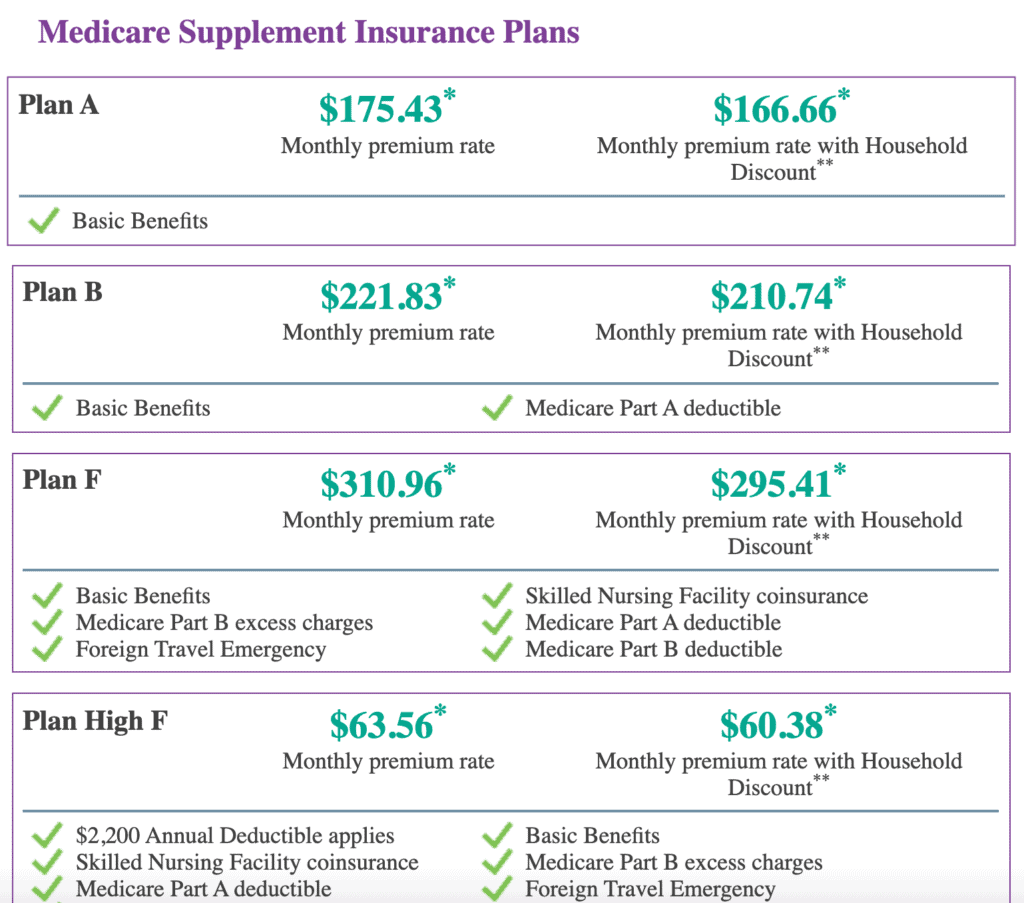
In 2026, the federal government mandates that standardized plans be identified by letters. While the availability of specific plans varies by state, the most common plans offered include Plan A, Plan B, Plan G, and Plan N.
- Plan A: Offers the most basic coverage, including Part A coinsurance and hospital costs up to an additional 365 days after Medicare benefits are exhausted.
- Plan G: Currently one of the most popular options, Plan G covers all costs that Plan F used to cover, excluding the Part B deductible. It is highly valued for its comprehensive coverage of excess charges and coinsurance.
- Plan N: Often carries a lower premium than Plan G but requires the policyholder to pay a copayment for certain doctor visits and emergency room visits, while also leaving the policyholder responsible for Part B excess charges.
Comparison of Common Medicare Supplement Plans
| Benefit | Plan A | Plan B | Plan G | Plan N |
|---|---|---|---|---|
| Part A Coinsurance & Hospital Costs | Yes | Yes | Yes | Yes |
| Part B Coinsurance or Copayment | Yes | Yes | Yes | Yes (varies) |
| Blood (first 3 pints) | Yes | Yes | Yes | Yes |
| Part A Hospice Care Coinsurance | Yes | Yes | Yes | Yes |
| Skilled Nursing Facility Care | No | No | Yes | Yes |
| Part A Deductible | No | Yes | Yes | Yes |
| Part B Excess Charges | No | No | Yes | No |
| Foreign Travel Emergency | No | No | Yes | Yes |
Note: Plan coverage is subject to state-specific regulations and availability.
The Aetna Advantage: Why Policyholders Choose Them
Aetna Health and Life Insurance Company is a recognized entity in the senior health market. Choosing an insurer involves more than just selecting a lettered plan; it involves considering the company's financial strength and reputation for administrative efficiency.
One primary advantage of choosing Aetna is their national footprint. For seniors who travel frequently within the United States, having a carrier that is widely recognized and accepted by healthcare providers is a significant benefit. Furthermore, as a subsidiary of CVS Health, Aetna often integrates its insurance offerings with the broader health services ecosystem of their parent company. This can sometimes lead to simplified claims processing and access to digital health tools that help members track their benefits and manage their policy information online.
Financial Considerations and Premium Factors
It is essential to understand that while plan benefits are standardized by the government, the pricing structure is not. Aetna, like all private insurers, determines premiums based on a variety of factors:
- Community Rating: The premium is the same for everyone in the plan, regardless of age.
- Issue-Age Rating: The premium is based on your age when you first purchase the policy. It does not increase as you get older, though it may rise due to inflation or administrative costs.
- Attained-Age Rating: The premium starts lower for younger applicants and increases automatically as you age.
When evaluating a policy from Aetna, you should ask an independent insurance agent or a representative about the rating method used in your specific state. You should also investigate whether the company has a history of stable rate increases, as this can affect the long-term affordability of the policy.
Common Misconceptions Regarding Medigap
One of the most persistent myths about Aetna Medicare Supplement plans is that they cover prescription drugs. Medigap plans do not cover outpatient prescription drugs. To get coverage for medications, you must enroll in a standalone Medicare Part D prescription drug plan. Failing to understand this distinction can result in unexpected expenses.
Another common error is assuming that you can switch Medigap plans at any time without consequences. If you are outside of your initial Open Enrollment Period or do not qualify for a guaranteed issue right, you may be subject to medical underwriting if you attempt to switch to a new policy or a new carrier. Always confirm your eligibility before cancelling an existing policy to ensure you do not lose your coverage.
How to Apply and Verify Coverage
If you are ready to explore an Aetna Medicare Supplement plan, the process generally involves three distinct steps:
- Review your current situation: Determine if you are within your Open Enrollment period. If not, be prepared to answer medical questions as part of the underwriting process.
- Compare plans locally: Use the official Medicare Plan Finder tool to see which plans are available in your zip code. This allows you to verify that Aetna’s offerings align with your specific budget and healthcare needs.
- Consult with a licensed agent: Because Medicare rules can be complex and vary by state, speaking with a licensed insurance agent who is appointed to represent Aetna can provide clarity. They can assist with the application process, verify the effective date of your coverage, and ensure you understand your premium billing options.
Professional Advice Limitation
The information provided in this guide is for educational purposes and does not constitute medical, financial, or legal advice. Medicare supplement regulations, provider networks, and plan availability are subject to change. Always review the specific "Outline of Coverage" provided by Aetna Health and Life Insurance Company before purchasing a policy. Consult with a qualified insurance professional or the State Health Insurance Assistance Program (SHIP) in your jurisdiction for personalized guidance regarding your unique healthcare requirements.
Frequently Asked Questions
Does Aetna offer the same Medicare Supplement plans in every state? No. While the federal government mandates standardized letters for Medigap plans, individual states regulate which plans must be made available. Some states (like Massachusetts, Minnesota, and Wisconsin) have their own unique standardization systems that differ from the national letter-based plans. You should confirm specific availability in your state of residence.
Can I be denied an Aetna Medicare Supplement policy due to my health? Yes, if you apply outside of your initial six-month Medigap Open Enrollment Period or a qualifying guaranteed issue period, you will typically undergo medical underwriting. During this process, Aetna can review your health history and may deny your application or charge higher premiums based on pre-existing conditions.
If I have an Aetna Medigap plan, can I go to any doctor? Yes. Medicare Supplement plans allow you to see any doctor or visit any hospital in the United States that accepts Medicare. There are no "networks" in the traditional sense, as the insurance company simply pays their share of the costs that Medicare has already approved.
Does an Aetna Medicare Supplement plan replace Original Medicare? No. A Medigap plan is a supplement, not a replacement. You must remain enrolled in and pay your Part B premiums to Original Medicare, and your Aetna policy functions as secondary insurance to cover the gaps in that primary coverage.
How do I pay my Aetna Medigap premium? Aetna typically offers several payment methods, including automatic bank drafts (EFT), direct billing, or electronic payments through their member portal. Setting up an automatic payment plan is often the most reliable way to ensure coverage remains active, as missing a premium payment can lead to policy cancellation.
Next Steps for Prospective Policyholders
The best course of action is to obtain a "Summary of Benefits" specifically for your state from an authorized agent or the official Aetna website. Compare the premiums against other carriers in your area, but pay close attention to the insurer's financial ratings and reputation for customer service. By securing a plan during your initial Open Enrollment period, you ensure that you receive the best possible premium rates without the uncertainty of medical underwriting. Once your policy is active, keep your Aetna ID card handy along with your red, white, and blue Medicare card; you will need to present both whenever you receive medical care to ensure proper billing.