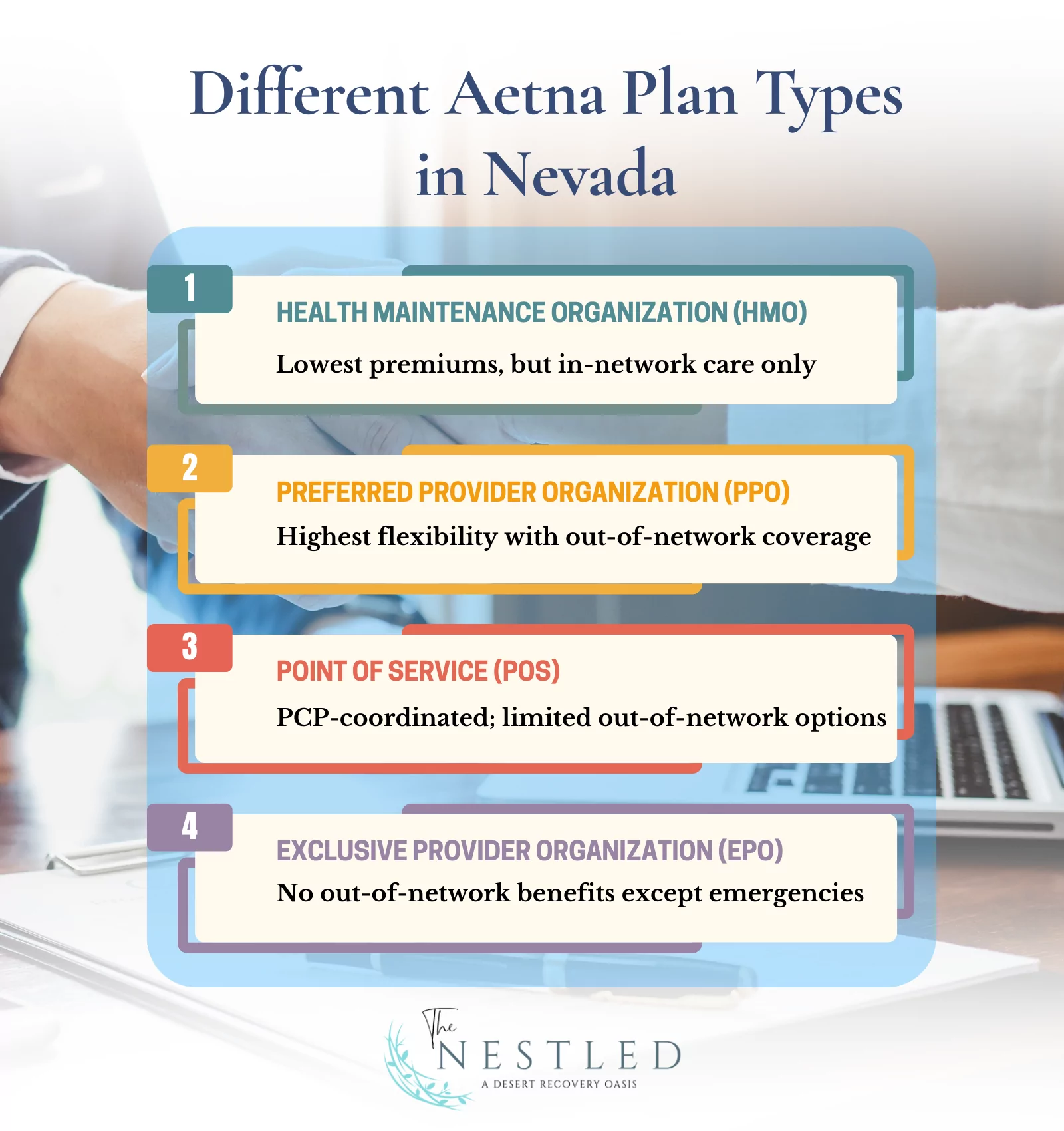
The Aetna Comprehensive Traditional Plan is a traditional indemnity or preferred provider health insurance model that offers members the flexibility to see both in-network and out-of-network healthcare providers. It typically operates on a fee-for-service or cost-sharing structure, combining deductibles, coinsurance, and copayments to cover medical, surgical, and hospital expenses while providing broad provider access without mandatory primary care physician referrals.
Introduction to Aetna Comprehensive Traditional Plans
Navigating the landscape of health insurance requires a firm grasp of plan designs, financial obligations, and administrative requirements. Among the various offerings provided by Aetna, the Comprehensive Traditional Plan stands out as a structure designed for individuals and employers who value provider choice and traditional cost-sharing mechanisms. Unlike modern managed-care models that rely strictly on narrow networks and gatekeeper primary care physicians (PCPs), traditional comprehensive plans often provide a higher degree of autonomy when selecting medical specialists and facilities.
However, this autonomy frequently comes with distinct financial dynamics, such as separate in-network and out-of-network deductibles, higher out-of-pocket maximums for out-of-network care, and specific claim-filing procedures if providers do not bill the insurer directly. Understanding how these plans function requires evaluating their structural framework, coverage tiers, financial responsibilities, and administrative processes.
Note: Health insurance plans vary significantly based on state regulations, employer group agreements, and individual policy riders. Policyholders should always review their specific Summary of Benefits and Coverage (SBC) and official plan documents for precise details regarding their coverage.
Core Architectural Framework of Traditional Indemnity and PPO-Hybrid Designs
To understand an Aetna Comprehensive Traditional Plan, it is helpful to look at how traditional health insurance models differ from modern Health Maintenance Organizations (HMOs) or restrictive Exclusive Provider Organizations (EPOs). Traditional plans historically function on an indemnity or broad Preferred Provider Organization (PPO) framework.
In-Network Versus Out-Of-Network Access
The primary characteristic of this plan type is the freedom of choice. Members are not strictly locked into a closed network of physicians.
- In-Network Tier: Utilizing healthcare providers who maintain a contractual relationship with Aetna yields the highest level of coverage. These providers agree to discounted fee schedules and cannot balance-bill the patient for charges above the agreed-upon rate.
- Out-Of-Network Tier: Members may seek care from any licensed physician, specialist, or hospital facility nationwide without a referral. However, services rendered outside the network typically involve higher deductibles, steeper coinsurance percentages, and potential balance billing from providers who do not accept Aetna's maximum allowable charge.
Absence of Gatekeeper Requirements
Managed care plans often require members to select a primary care physician who must authorize all specialty referrals. Under a traditional plan structure, this gatekeeping layer is generally absent. Members can schedule consultations directly with cardiologists, orthopedics, dermatologists, and other specialists, streamlining the path to specialized medical care, provided the services are deemed medically necessary by the insurer.
Financial Responsibilities and Cost-Sharing Mechanisms
Managing healthcare expenses under an Aetna Comprehensive Traditional Plan involves navigating several financial components. Cost-sharing is the mechanism by which the insurer and the insured share medical costs.
Deductibles
The deductible is the amount of money a member must pay out of pocket for covered medical services before Aetna begins paying its share. Traditional plans often feature distinct deductibles for in-network and out-of-network care:
- Individual vs. Family Deductibles: Family plans generally include both an individual-within-a-family deductible and an overall family deductible threshold.
- Accumulator Tracking: Deductibles reset annually, typically aligned with the calendar year or the employer's specific plan year.
Coinsurance and Copayments
Once the deductible is met, the plan typically transitions to coinsurance, where the insurer pays a specific percentage of the allowable amount (e.g., 80%) and the member pays the remaining percentage (e.g., 20%). Certain routine visits or prescription drugs may involve fixed-dollar copayments rather than percentage-based coinsurance.
Out-of-Pocket Maximums
To protect policyholders from catastrophic medical debt, the plan enforces an annual out-of-pocket maximum. Once a member's cumulative spending on deductibles, copayments, and coinsurance reaches this ceiling, Aetna covers 100% of all eligible medical expenses for the remainder of the plan year. Out-of-network services often feature a separate, higher out-of-pocket maximum that does not accumulate toward the in-network maximum.
| Cost Element | In-Network Provision | Out-of-Network Provision |
|---|---|---|
| Primary Care Access | Direct access; preferred pricing rates apply. | Direct access; subject to standard fee schedules. |
| Referral Requirement | Generally not required for specialist visits. | Not required; complete patient autonomy. |
| Deductible Structure | Lower annual threshold; tracked automatically. | Higher annual threshold; separate accumulator. |
| Balance Billing Protection | Fully protected by network provider contracts. | Not protected; provider may bill for difference. |
Scope of Coverage: What is Included and Excluded
Aetna Comprehensive Traditional Plans provide robust coverage across a spectrum of medical necessities, though specific limitations apply based on the exact master policy contract.
Preventive and Wellness Care
In compliance with federal healthcare standards, many preventive services—such as annual physical examinations, routine immunizations, and designated cancer screenings—are covered at 100% when delivered by in-network providers, bypassing the deductible requirement.
Hospitalization and Surgical Procedures
Inpatient hospital stays, intensive care unit (ICU) services, outpatient surgeries, and anesthesiology are covered subject to the plan's deductible and coinsurance rules. Major diagnostic imaging, such as MRIs, CT scans, and PET scans, typically requires prior authorization from Aetna to verify medical necessity before the service is rendered.
Exclusions and Limitations
Standard exclusions across traditional plans typically include experimental or investigational treatments, cosmetic procedures, routine dental and vision care (unless an optional pediatric or adult rider has been purchased), and long-term custodial care. Reviewing the policy's exclusion list prevents unexpected medical bills.
Administrative Navigation: Prior Authorization, Claims, and Verification
Effectively utilizing an Aetna Comprehensive Traditional Plan requires understanding the administrative protocols that govern claim processing and service approval.
Prior Authorization (Pre-Certification)
Certain high-cost medical procedures, specialized equipment, and planned hospital admissions require prior authorization. The treating physician's office is typically responsible for submitting clinical documentation to Aetna to prove medical necessity. Failing to obtain prior authorization when mandated can result in severe financial penalties or complete denial of coverage for that specific service.
Submitting Claims for Out-of-Network Care
When utilizing in-network providers, the billing office submits claims directly to Aetna. However, when visiting out-of-network providers, the member may be required to pay upfront and submit a medical claim form along with itemized bills and diagnostic codes (ICD-10 codes) to Aetna for reimbursement. Processing times for member-submitted claims vary based on documentation completeness.
Verifying Benefits via the Member Portal
Policyholders can manage their coverage using digital tools provided by Aetna, such as the Aetna Health app or the secure member website. These platforms allow users to:
- Monitor real-time progress toward meeting deductibles and out-of-pocket maximums.
- Search the directory for participating in-network physicians and facilities.
- View digital insurance identification cards.
- Review Explanation of Benefits (EOB) statements for processed claims.
Comparing Traditional Plans to Modern Managed Care Alternatives
Choosing a health insurance plan involves weighing the cost of premiums against the flexibility of provider access. Traditional plans offer unique advantages and trade-offs compared to modern alternatives.
Traditional Plans vs. High-Deductible Health Plans (HDHPs)
While HDHPs are explicitly designed to pair with Health Savings Accounts (HSAs) and feature high deductibles across the board, traditional plans often feature more moderate deductibles combined with higher monthly premium costs. Traditional plans appeal to individuals who anticipate consistent medical utilization and prefer predictable coinsurance over paying out-of-pocket for baseline care before a high deductible is met.
Traditional Plans vs. HMOs
HMOs restrict coverage strictly to a defined network and require primary care physician management, resulting in lower administrative costs and lower premiums. Conversely, the Aetna Comprehensive Traditional Plan sacrifices premium economy for nationwide provider mobility and the absence of referral bottlenecks.
Frequently Asked Questions
Do I need a referral from a primary care doctor to see a specialist?
No. One of the defining features of a traditional plan structure is the absence of a primary care gatekeeper requirement. You may schedule appointments with specialists directly, though you should verify whether the specialist is in-network to maximize your financial benefits.
What happens if my out-of-network doctor charges more than Aetna's allowed amount?
When visiting an out-of-network provider, you may be subject to "balance billing." This occurs when the provider bills you for the difference between their charged fee and the maximum allowable amount determined by Aetna. This balance-billed amount does not count toward your out-of-pocket maximum.
How do I check if my current doctor accepts this plan?
You can verify provider participation by logging into your online Aetna member account and utilizing the provider directory search tool. It is also recommended to call the provider's billing office directly and confirm that they participate in your specific Aetna network tier before receiving care.
Are prescription drugs covered under the comprehensive traditional plan?
Prescription drug coverage depends on the specific pharmacy benefit rider attached to your employer's or individual's master policy. Most comprehensive plans include a tiered pharmacy benefit managed through an assigned formulary list.
What is an Explanation of Benefits (EOB), and is it a bill?
An Explanation of Benefits is a statement sent by Aetna detailing how a specific medical claim was processed. It outlines the provider's billed charges, the amount covered by the plan, discounts applied, and the remaining balance you owe the provider. An EOB is not a bill; you will receive a separate invoice directly from the medical provider if payment is due.
Practical Next Actions and Recommendations
To maximize the value of your Aetna Comprehensive Traditional Plan, start by downloading the official Aetna mobile application or registering your account online. Review your specific Summary of Benefits and Coverage document to identify your exact deductible figures, coinsurance rates, and pre-authorization requirements before scheduling elective medical procedures. Always confirm network status prior to receiving non-emergency care to minimize out-of-pocket expenses and avoid unexpected balance-billing complications.